
“Why Madagascar?”
Every time I told someone that I was planning to go to Madagascar, that was the response. And when I was already in the country, locals asked me the same question. I shouldn’t have been surprised. It’s not a very popular destination after all, though it definitely should be. Many people assumed that I loved those animated movies, that’s why I wanted to go to Madagascar. That’s not it. In fact, I never liked those movies.
So why Madagascar? Let’s go back a couple of years… back to March 2020 to be exact… about the time when those lockdowns started. I had this habit of purchasing video games but never getting around to playing them. Since there was nothing much to do, I started playing those games one by one. One game that I really loved was Uncharted 4, and several chapters were set in fictional places in Madagascar.
That’s right. I decided to go to Madagascar because of a videogame. lol. And I’ve been planning this trip ever since I’ve roamed through fictional Madagascar with my pals Nathan Drake and Sully.
Madagascar isn’t really a backpacking place. The fact that there are barely any hostels is a testament to this. In Antananarivo (Tana for short) there’s just two, and only one of these two can be described as your typical backpacker’s hostel. In other major cities and towns, there’s none that I’ve heard of. I really wonder why. After all, it’s a very cheap destination. And although there are no direct flights from a lot of countries, a lot of international airlines have flights there so it’s not exactly hard to get to Madagascar. Right now it’s a little rough traveling within the country, but that hasn’t stop backpackers from traveling to less developed destinations. Madagascar is an amazing country, and travelers should be made aware of how awesome and cheap it is to travel here!
Most international flights land in Antananarivo, the country’s capital. A few international airlines though, fly to Nosy Be. I was fortunate enough to get invited by a couch surfing host based in the capital, so I was able to ask a lot of questions prior to my arrival.
First things first: Everyone needs a visa to Madagascar. The good news? It’s easy for anyone to get one (as long as your country is recognized). You can either get one on arrival, or get one online through the official website. I would advise getting one online to avoid long lines. This will also spare you the trouble of preparing the exact amount for the visa. If you’re only staying for 15 days or less, the visa only costs 10 USD or 10 Euros. I’d recommend staying for about a month though. A 16-30 day visa would set you back 37 USD or 35 Euros. A 31-60 day visa costs 45 USD or 40 Euros. If you plan on exploring most of the country, staying for 2 months may be the best option because traveling from one place to another takes a lot of time by land. When I arrived, there was a long line of people getting their visas. Since I already had an E-Visa, I skipped that line and practically breezed through immigration. The immigration officer kept signaling something before he let me through. I kept telling him I couldn’t understand what he’s saying, so he eventually let me pass. I found out later that he was asking for money, which is common among workers at the airport. It’s not a bribe cause they won’t hold you there until you give them money… well at least they won’t when there are lots of other people around. They’re just asking for extra money because they’re grossly underpaid. This is also why you should have the exact amount ready if you plan on getting a visa on arrival. You can only pay with cash, and most of the time they’ll say they don’t have change so they’d end up keeping the extra amount for themselves.
One thing travelers should be aware of: most locals do not speak English. Even in touristy areas, it’s hard to find locals who speak English, aside from tour guides. Even then, they’re not exactly fluent. This is also the case with the staff working at hotels and restaurants. They may speak English, but it’s very limited. I often had to rely on a language translation app to converse with them. Even among fellow travelers, I’ve only encountered few who spoke English fluently. Most travelers come from French speaking countries and territories. This made sense because Madagascar is a former French colony… people from French speaking countries probably know more about the country. So if you speak French, you’d find it easier to travel within Madagascar. French isn’t spoken by everyone though, it’s mainly spoken by those who are educated. So it would be helpful to learn a few basic words and phrases in Malagasy. The language barrier, as well as the lack of fellow travelers who spoke English fluently made this trip a little lonely at times, but I didn’t go to Madagascar to socialize. I went there to see the sights.
So the bottom line is: if you only speak English, you can get by if you stick to the main towns and touristy areas. Better if you can speak French. However if you plan on going to areas that are off the beaten path, you should learn a bit of Malagasy... because you can’t rely on those translation apps due to spotty cellular network coverage. I’ve tried translation apps offline, and the locals barely understood what I was trying to say every time.
So I’d say getting a prepaid cellular plan is essential for travelers so you’d have access to map and translation apps real time. Luckily, it’s easy to purchase a prepaid sim at the airport. There are 3 networks in Madagascar: Airtel, Telma, and Orange. All three have stores at the airport, they’re right next to each other. There was a long line at the Telma Store, so I guess that’s the best network. There were absolutely no lines at the Airtel and Orange stores. My couchsurfing host actually recommended Orange. I told him that I’d be working remotely, so he recommended Orange because it’s the one with the best data network. I’ve also read on several blogs that it’s the best one. So I bought an Orange prepaid SIM card. Big mistake.
I’ve taken enough bus (aka taxi brousse) rides within the country, and I can say without a doubt that Orange is the worst among the three. Those bloggers recommending it were probably on something. My couchsurfing host did seem to have a point. In Antananarivo and Morondava at least, I didn’t have any problems with Orange. It was fast and reliable, so it may be true that it has the best data network at least in the major towns. But in other places? Oh boy. In many places in between towns, there’s absolutely no cellular service. Within several towns, there’s also no cellular service… quite puzzling since there are people living in those towns, and they definitely won’t be purchasing an Orange SIM. That’s lost market share right there. I had roaming on, and my foreign SIM was connected to the Airtel network. It rarely lost cellular coverage. During those few occasions that it did, we were in very remote areas, and the other networks had no cellular service too. I found out later on that it has the widest cellular coverage in the country. However, its data network isn’t as stable compared to the other two. This is why some people who’d prioritize internet access prefer Telma or Orange. One lady I was seated next to in a taxi brousse had a Telma SIM, and she was able to browse websites in many places that I had no cellular data coverage at all. So which network would I recommend? If you’d prioritize being able to make calls or send text messages, go with Airtel. This is handy if you’re going on your own. If your car breaks down in the middle of nowhere, chances are you’d be able to call for help if you have an Airtel SIM. If you’d prioritize having access to the internet, Telma may be the better option. It seems to have a better data network within towns, and they still have service in many other areas. If you have a dual SIM phone, it may be best to purchase SIM cards from both. Avoid Orange at all costs. It’s sh*t. This explains why no was lining up to get an Orange SIM.
So should you buy a SIM card at the airport, or just get one once you’re in town? I think it’s pretty standard in all countries that it’s more expensive to get a SIM card at the airport. You have to pay for convenience after all. If you speak some French or Malagasy, you could wait until you get to the city center. There are several Telma and Orange stores in the city, and the people working at these stores do speak and understand some English… definitely enough English for them to understand what you’re looking for. As for Airtel, it’s odd that I didn’t see any. When I brought this up, I’ve been told that Airtel SIM cards are sold at small stores. You need to look for authorized dealers rather than actual Airtel shops. Now, since you’d be dealing with small business operators, getting an Airtel prepaid plan would be difficult if you speak neither French nor Malagasy. If you plan on buying an Airtel SIM and you don’t speak the local language, just buy a SIM card at the airport. Top it up with enough credits that would last your entire trip.
If you plan on taking public transport to the city center, I’d recommend buying a SIM card at the airport so you can use a map app and know where you are exactly. Buses in Madagascar aren’t really buses. Think of Mercedes Sprinter vans. And in Antananarivo at least, these have been modified so as to fit more passengers. There are no signs on these buses. You’d have to ask people on each stop. I asked my couchsurfing host for directions on how to get to his place via public transport. Get a load out of his instructions:
Ask where the bus stop near the airport is.
Take a bus to 67Ha
Get off at 75 Ha and ask around for a bus going to Anosy.
Get off at Anosy and head to Galana Andrefanambohijanahary
Yeah that last one was a mouthful lol. I found the bus stop near the airport. It’s easy, just walk straight from the exit until you reach the main road. but I figured it wouldn’t be easy trying to find which bus I should take next if I didn’t speak French nor Malagasy. There’s a chance I’d get lost at each stop. So I decided to take a cab. I asked my host how much I should pay. He said locals pay 60,000 – 70,000 Ariary (about 13-15 USD) from the airport to the city center. All the taxi drivers were asking for 100,000, but I managed to haggle and got it down to 80,000. A cheaper way would be to take a bus that goes to anywhere in the city, then take a cab to your hotel/ hostel from where it stops. I did think of doing this, bus seeing how all the buses passing by were packed, it would be quite difficult to take a bus with my massive backpack.
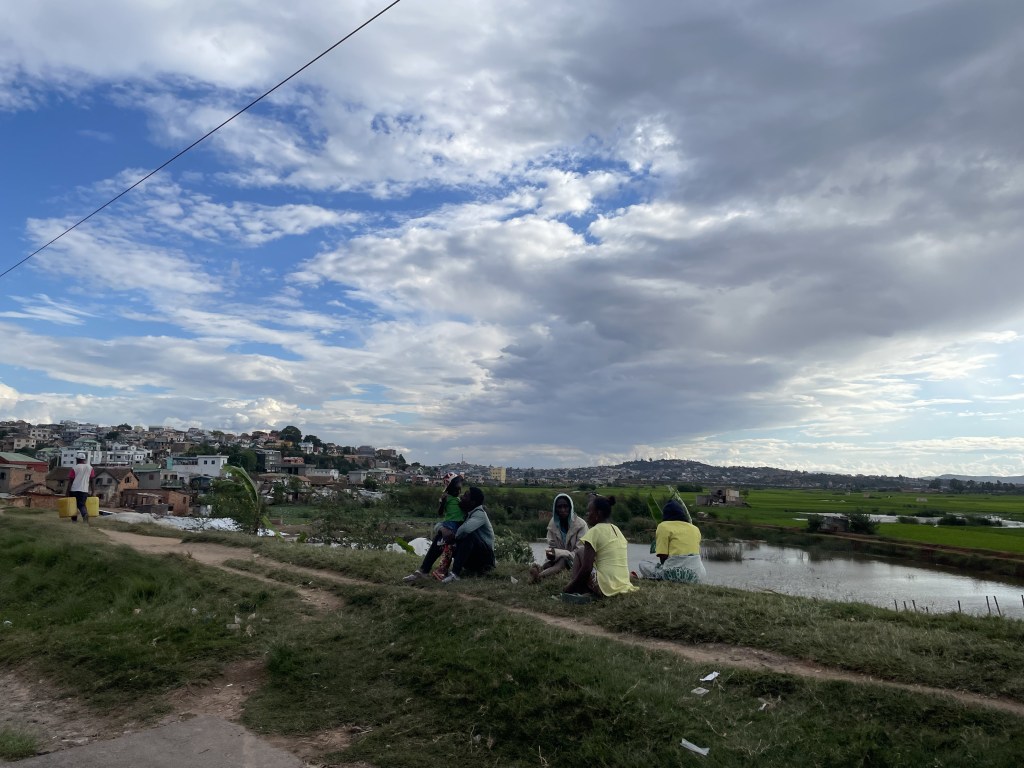


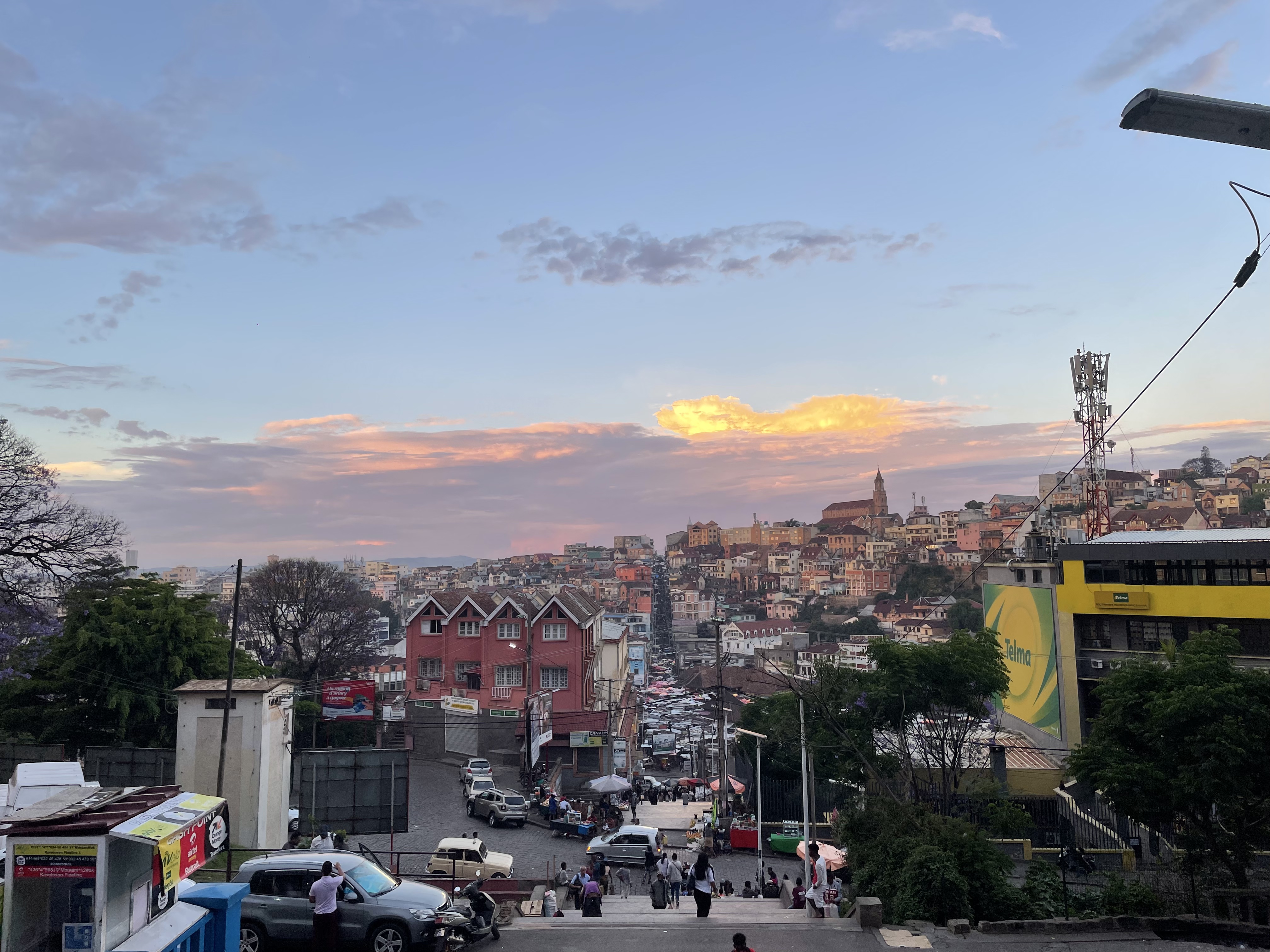
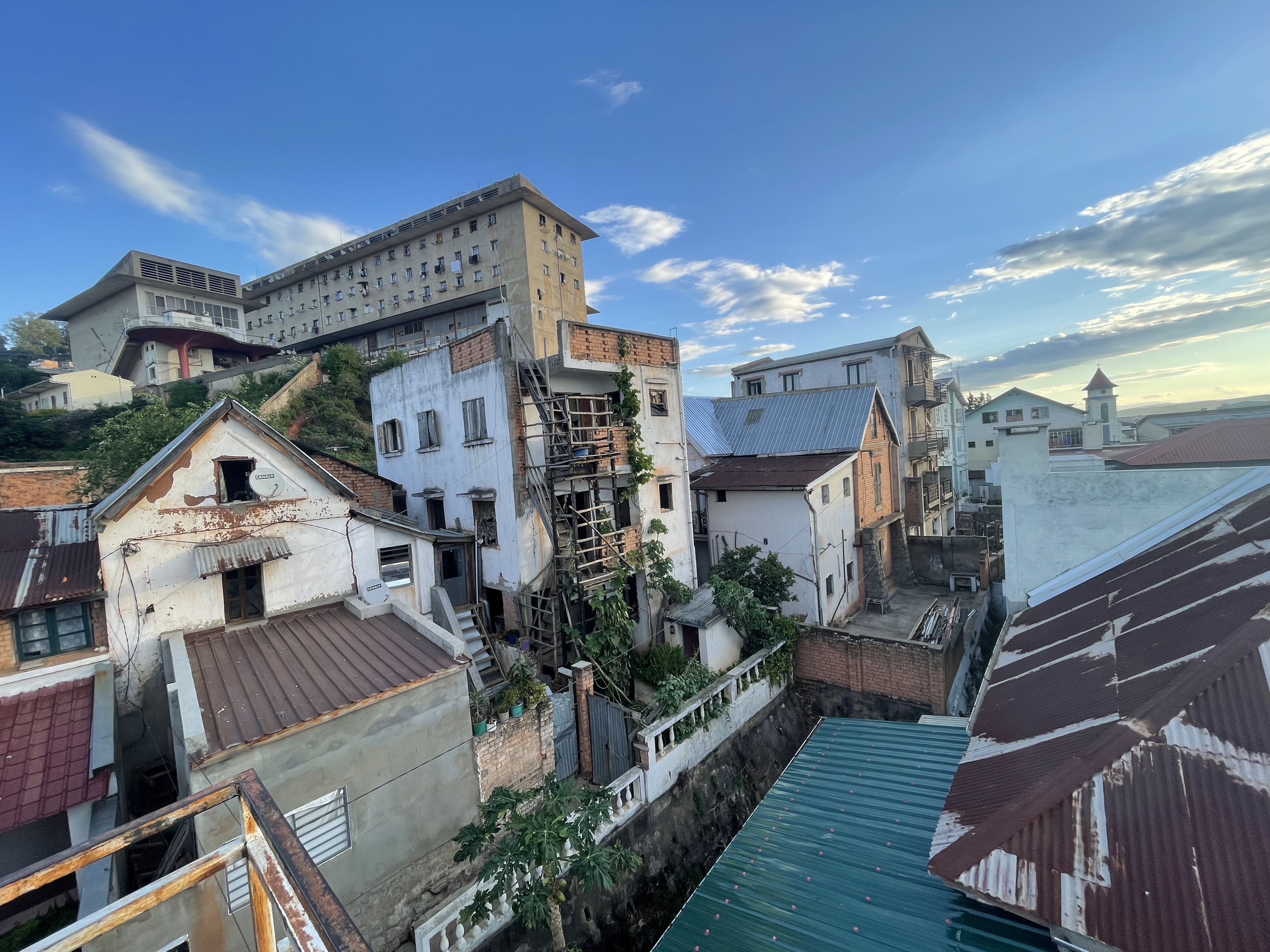
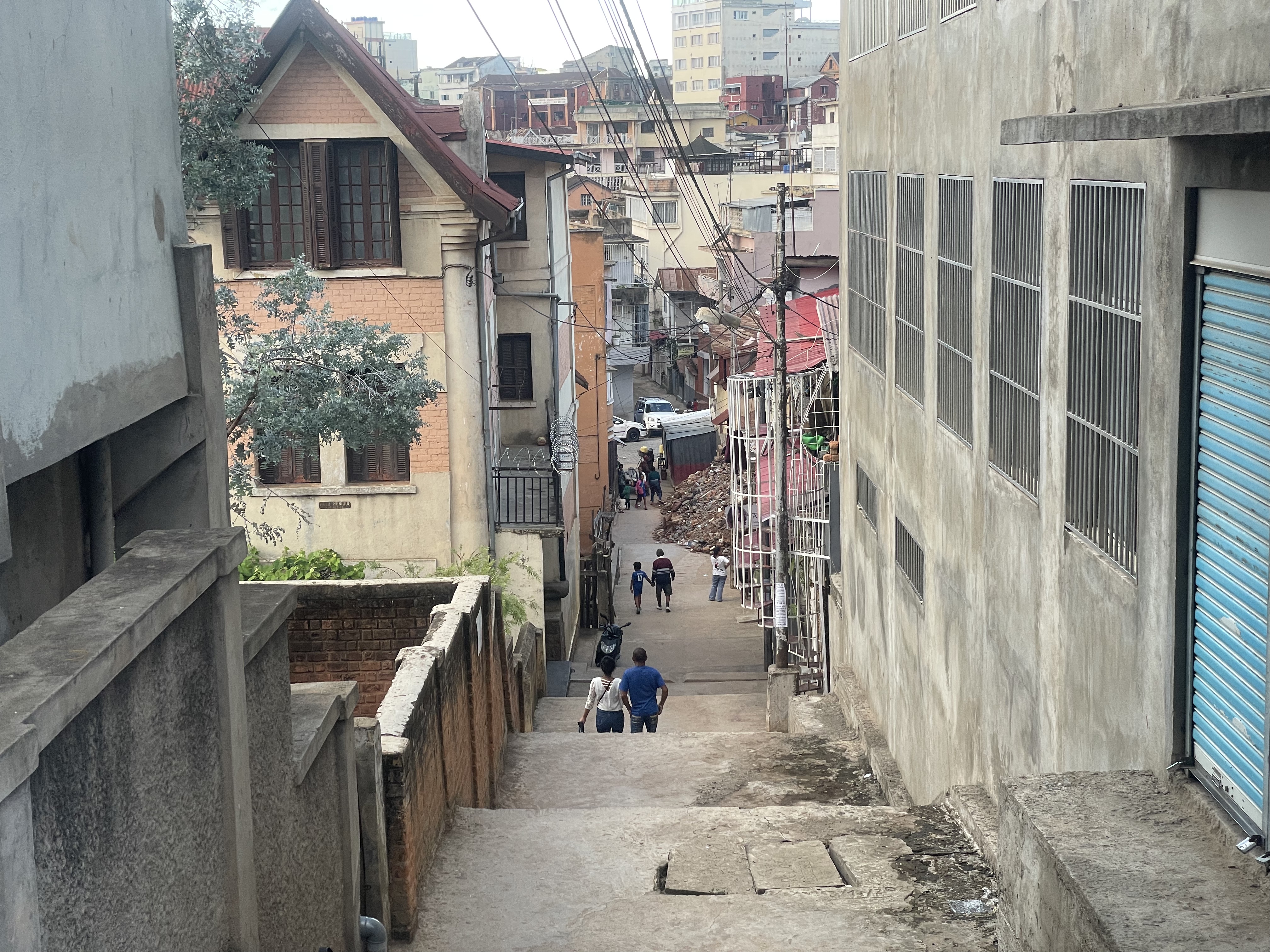
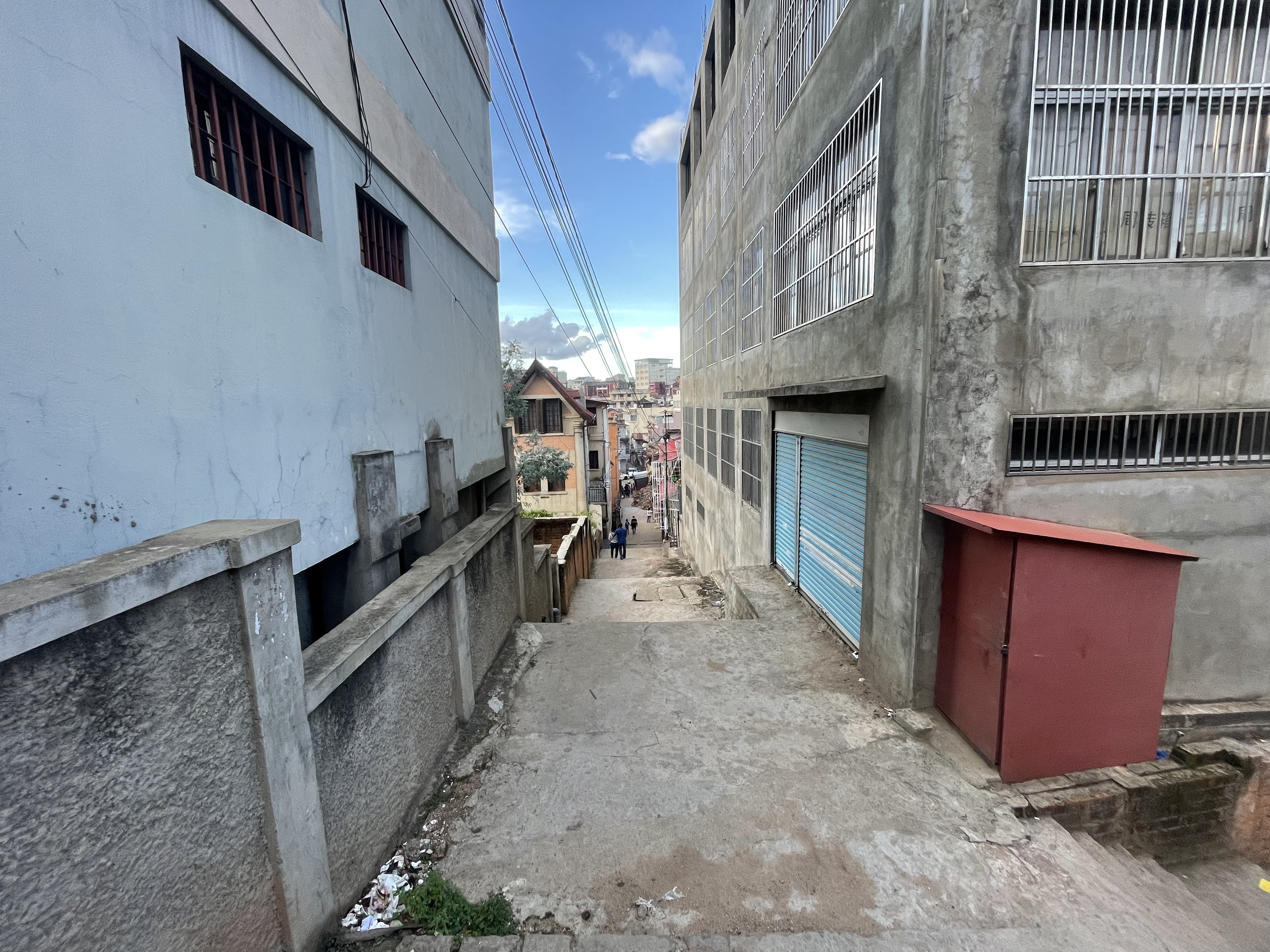
It took about 40 minutes to reach the place where I’m meeting up with my host. One word that would perfectly describe the capital: chaotic. There’s just too many people doing all sorts of stuff, it’s an assault to one’s senses. Walking around, there are just too many beggars that would hound you, and they wouldn’t stop following you until you give them money or food. I’m not exaggerating. I probably walked more than 2 miles one time and these beggars kept following me. One good thing though, they’d leave no matter how much you give. So keep lots of spare change on hand. I can see that life is hard for these locals. I try to help people every time I could, but there’s simply too many of them and it’s impossible to help everyone.
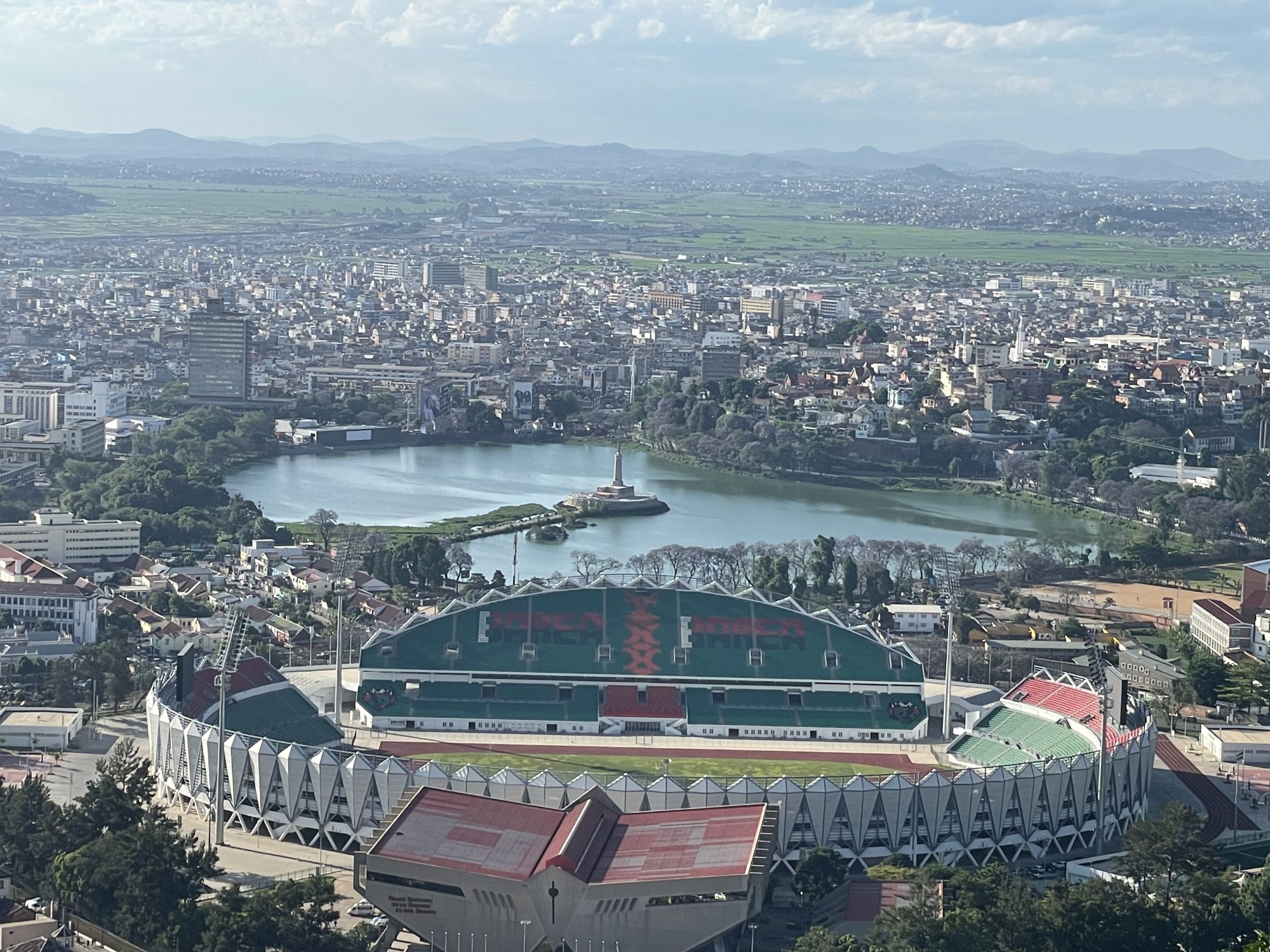
Once we got out of the city center though and reached several viewing points away from the crowds, I was able to admire the city. Away from the chaos, it actually is beautiful. Some say that the French exploited this island and gave nothing much in return to the locals, but you have to admit that with the way the capital looks from afar, they had a beautiful plan that somehow went awry along the way.
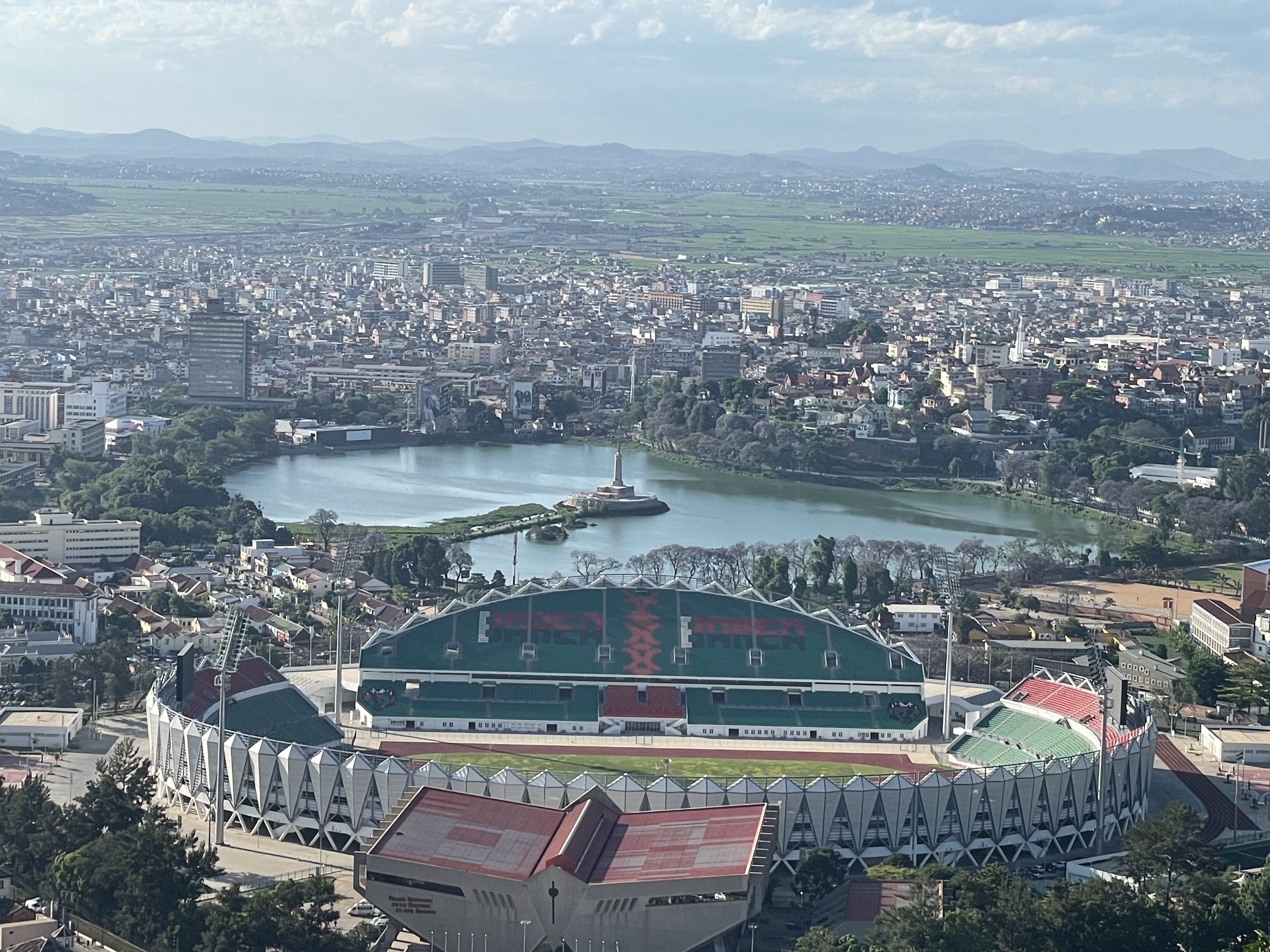

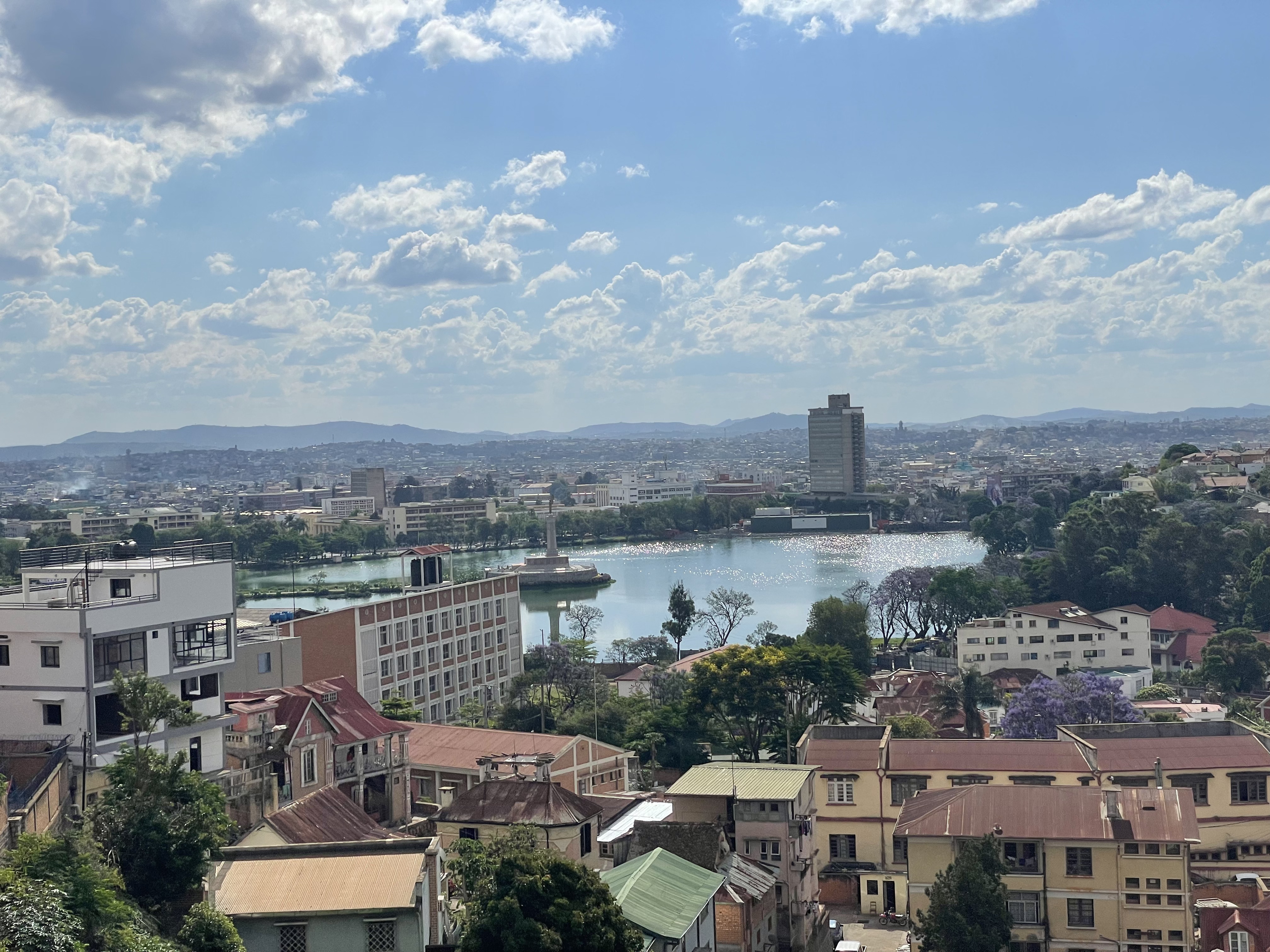
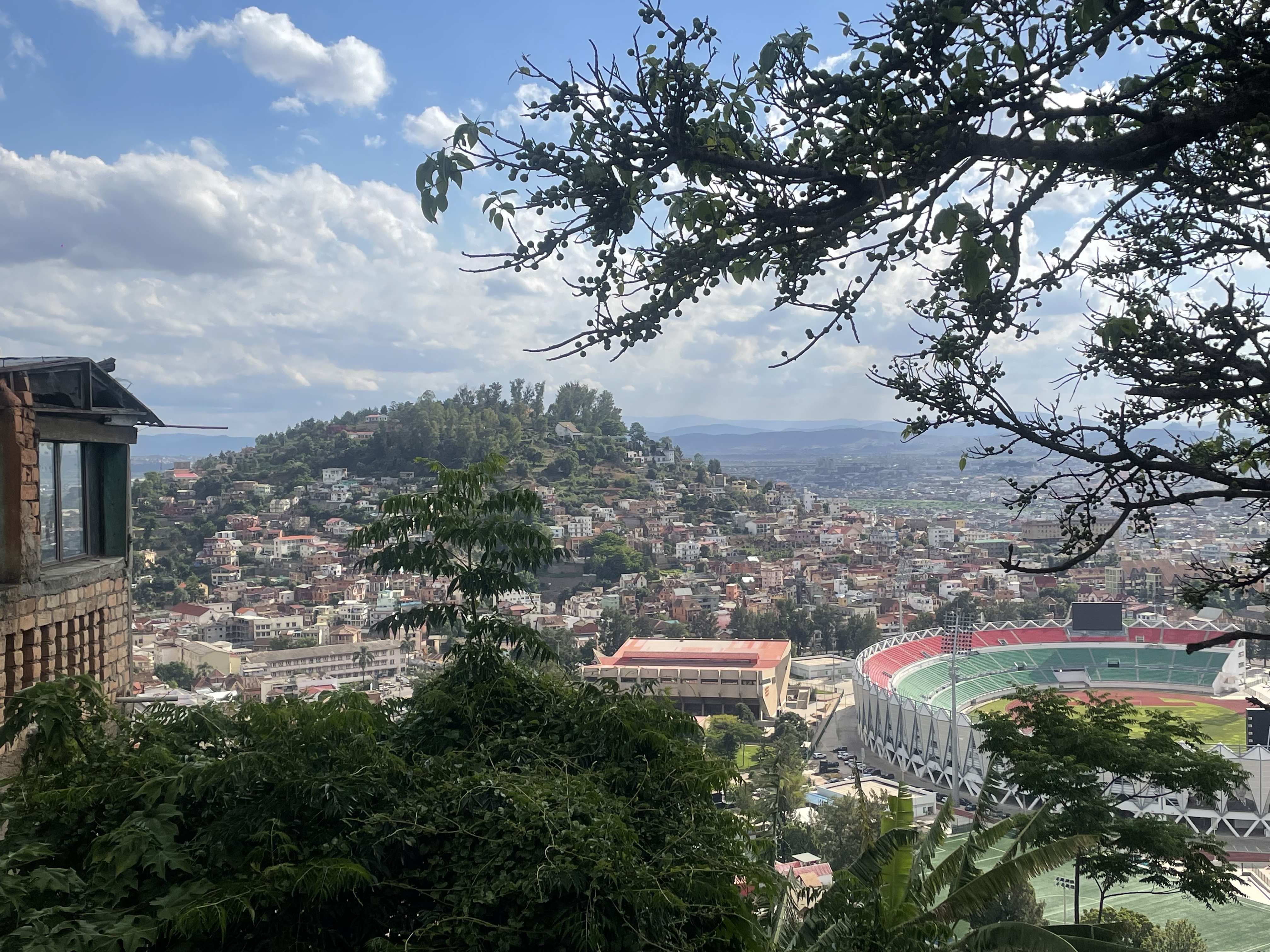
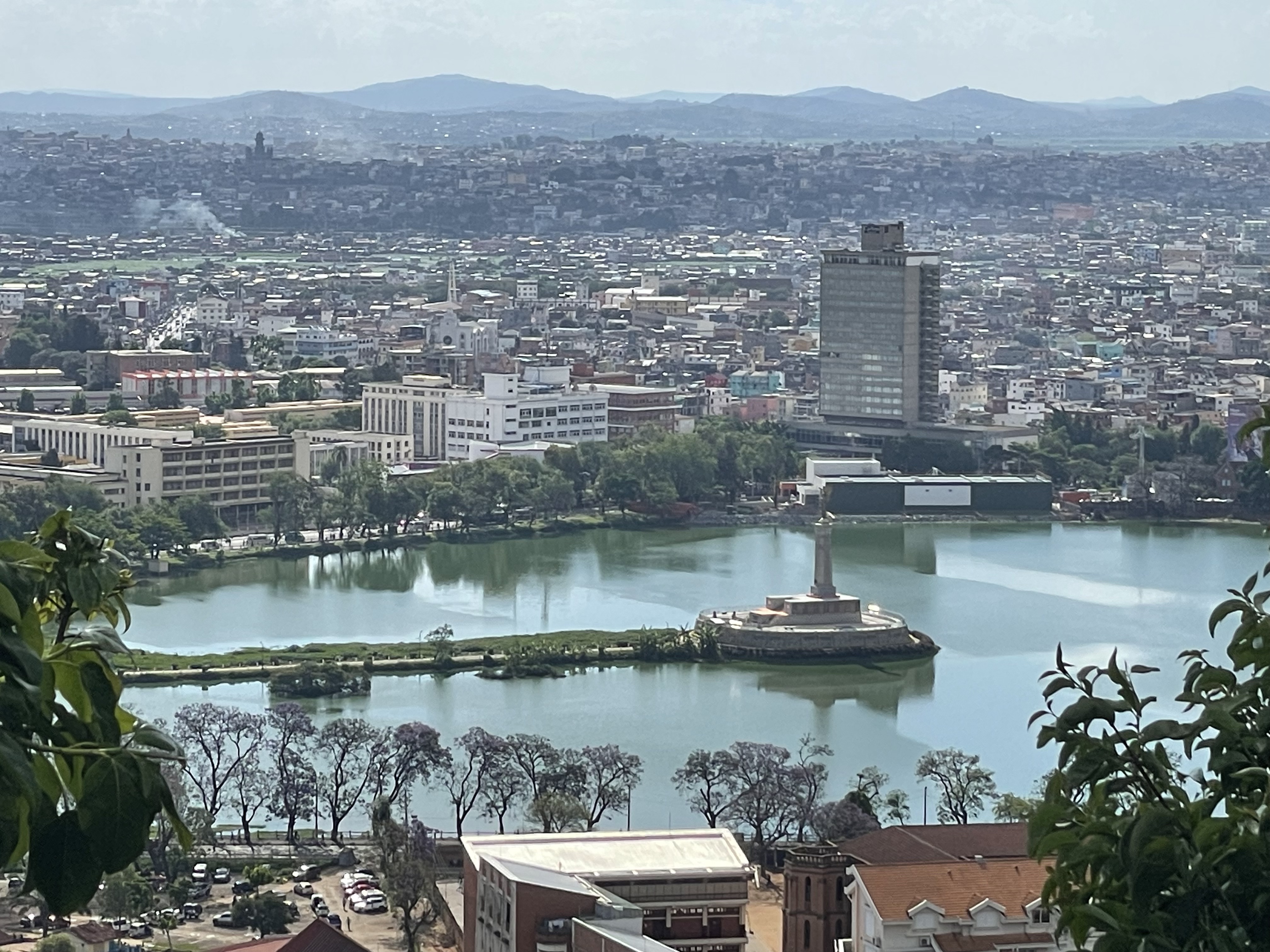
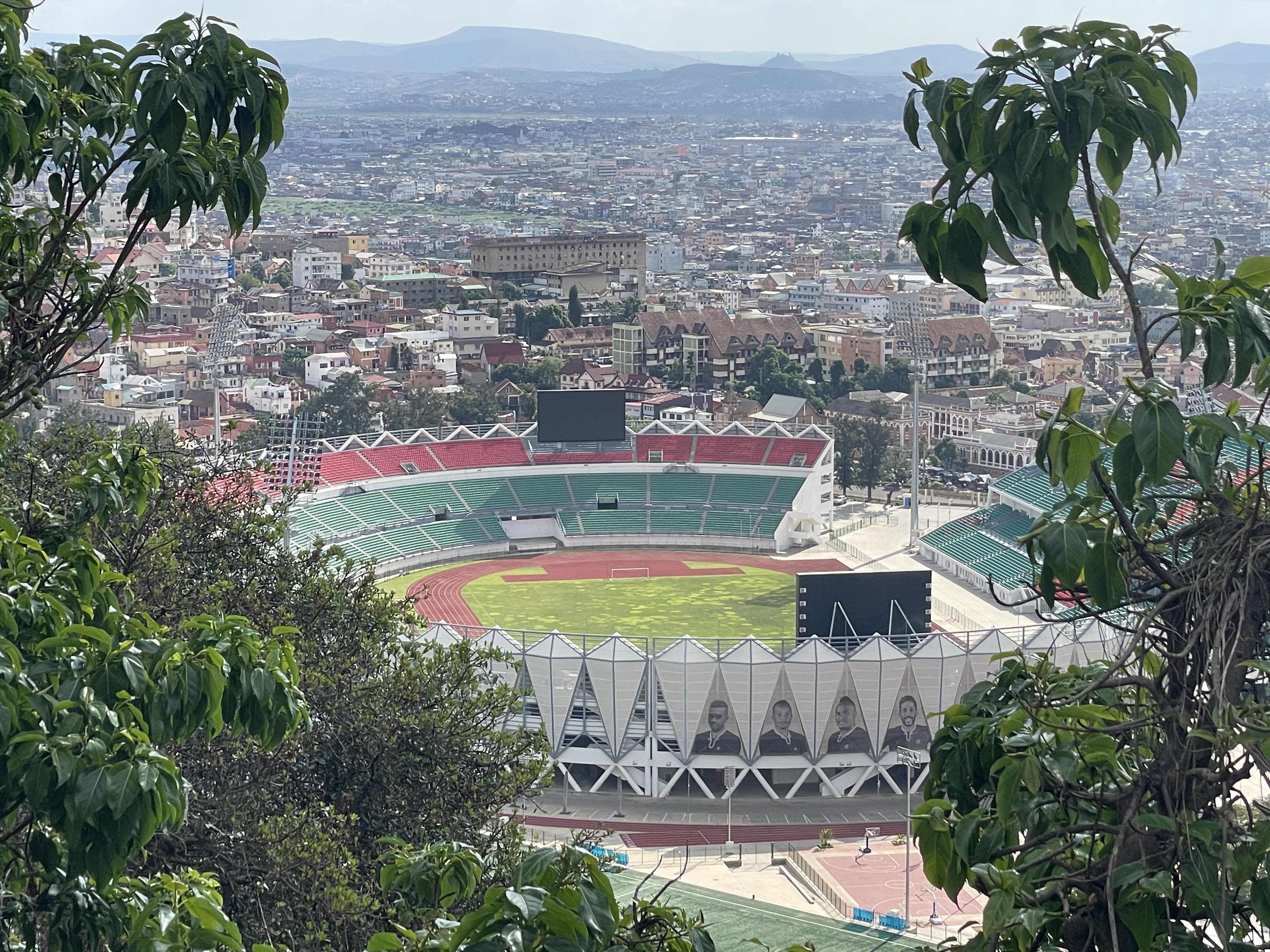
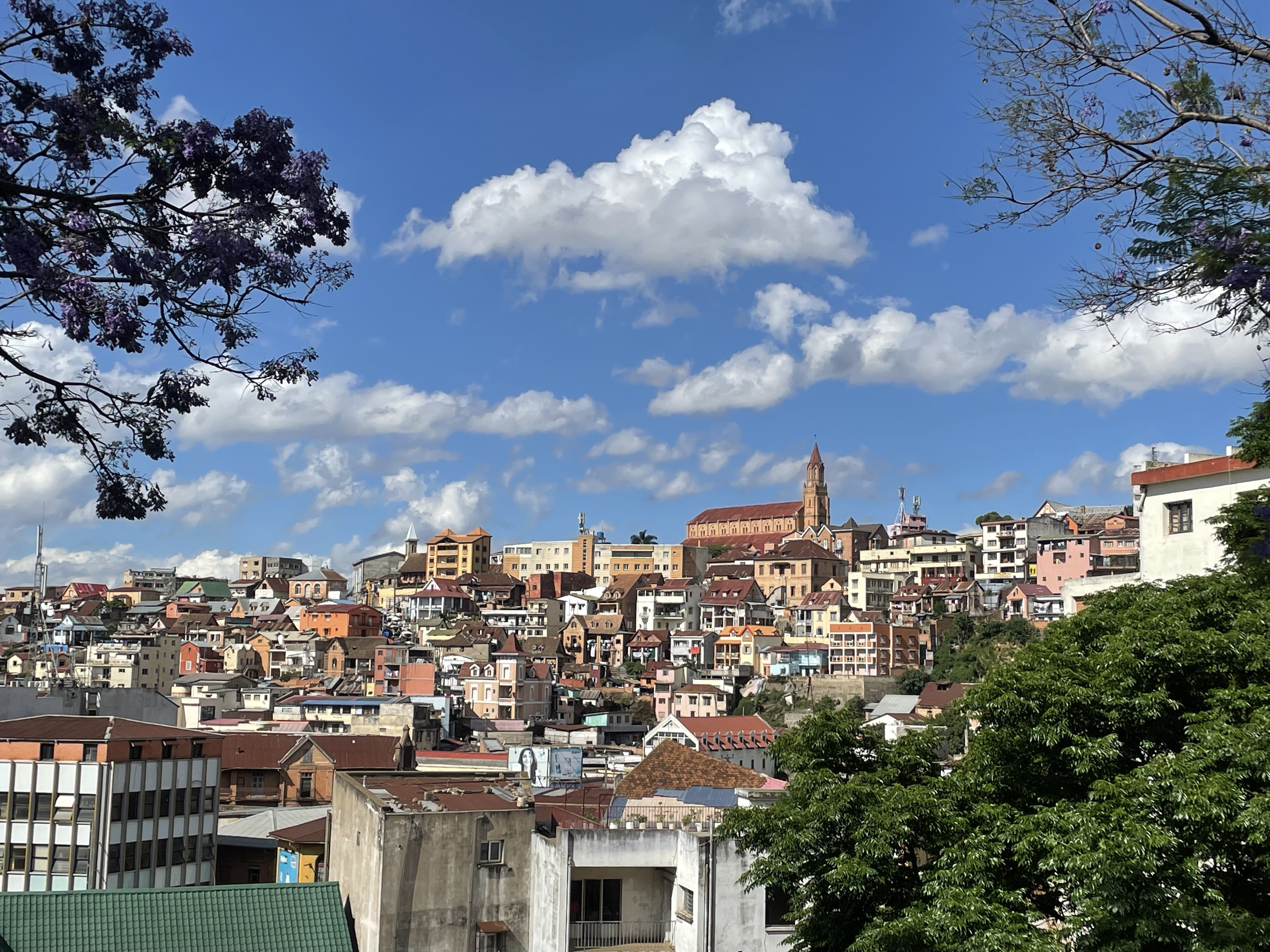

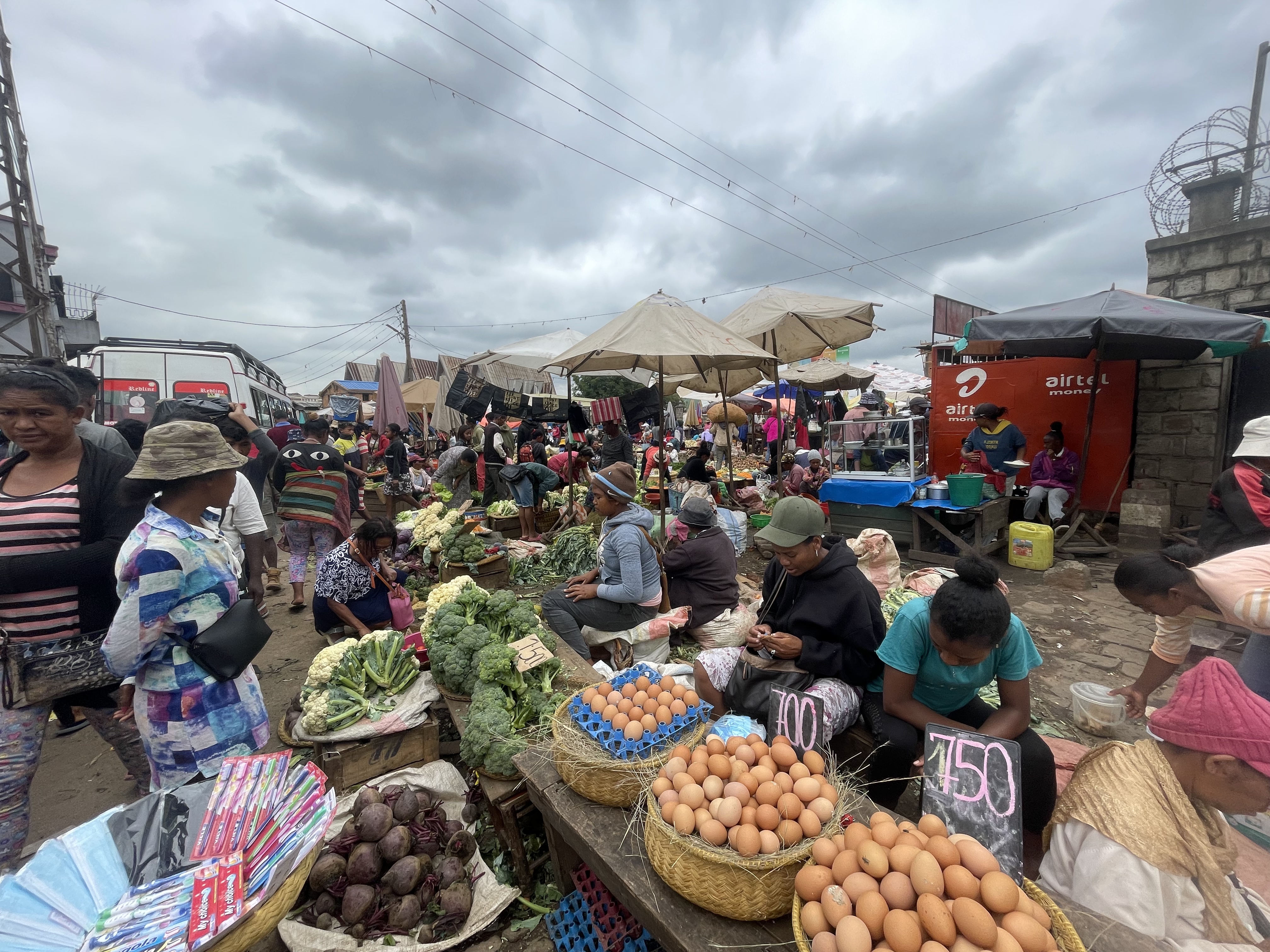
There are a couple of notable attractions in town. The Rova (Queen’s Palace) which is located on top of a hill is worth a visit if you can spare 100,000 Ariary. That’s the rate charged for foreigners, which is about 20 USD. Locals only pay 10,000 Ariary. Another notable attraction is the Andafiavaratra Palace— a museum that was once the home of the Prime Minister. It costs about the same to enter, and yeah it does add up. Luckily, if you’re on a tight budget, there are a number of free sights. You can walk around Lake Anosy or take a stroll along Independence Avenue. You can check out a number of local markets, just watch out for pickpockets. And as I’ve mentioned above, there are lots of viewpoints that offer amazing views of the city, and these are all free.

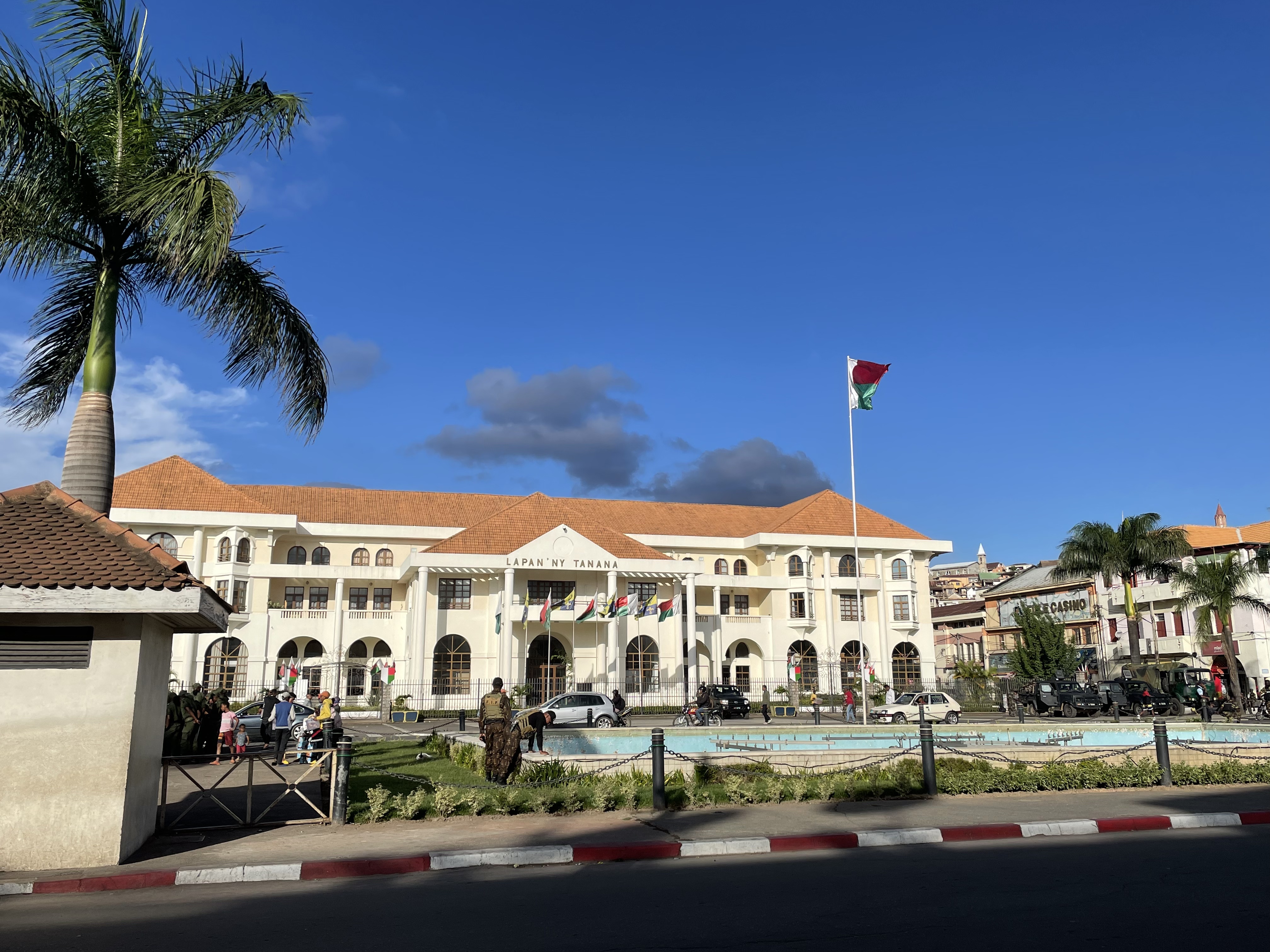
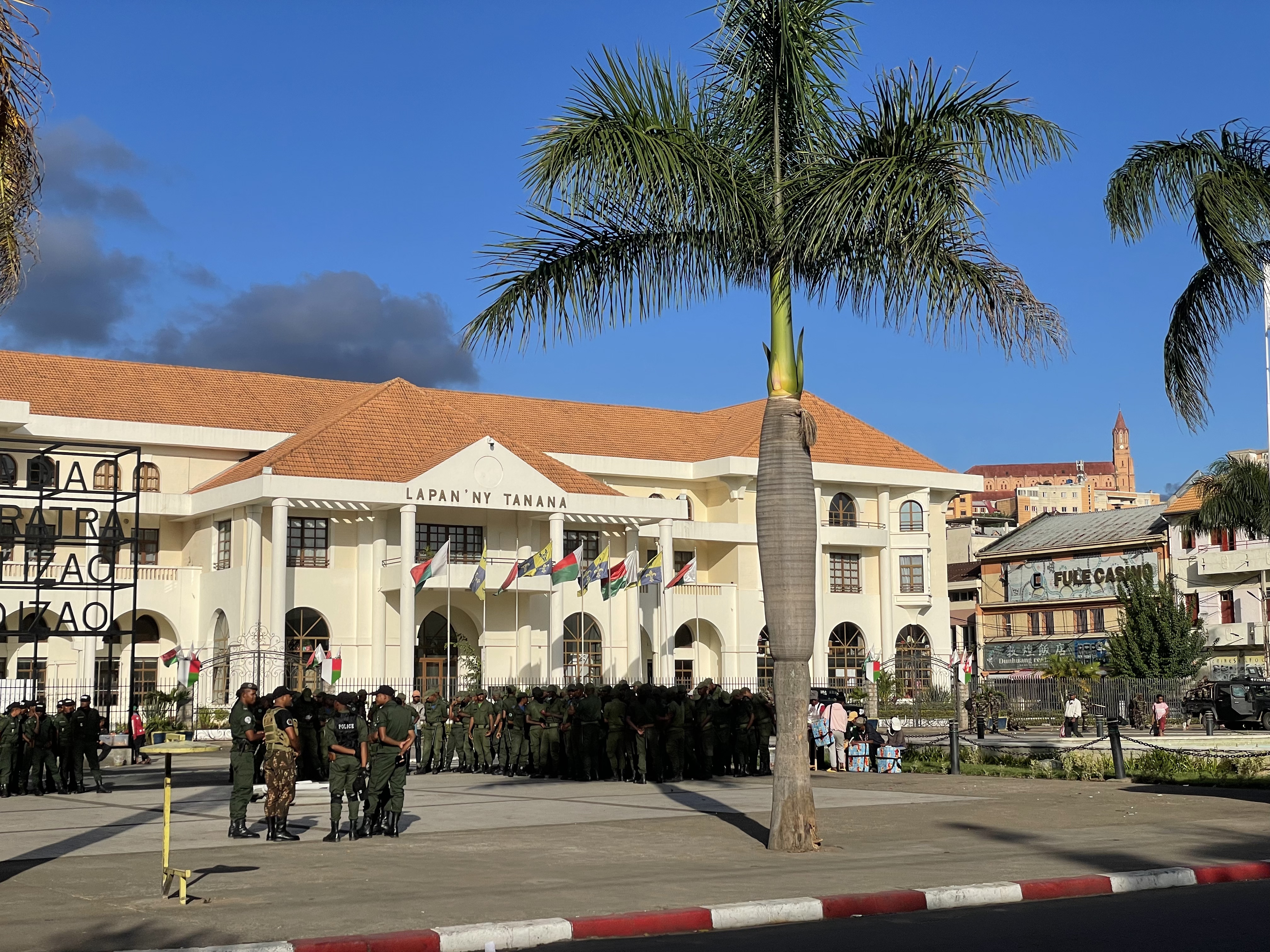
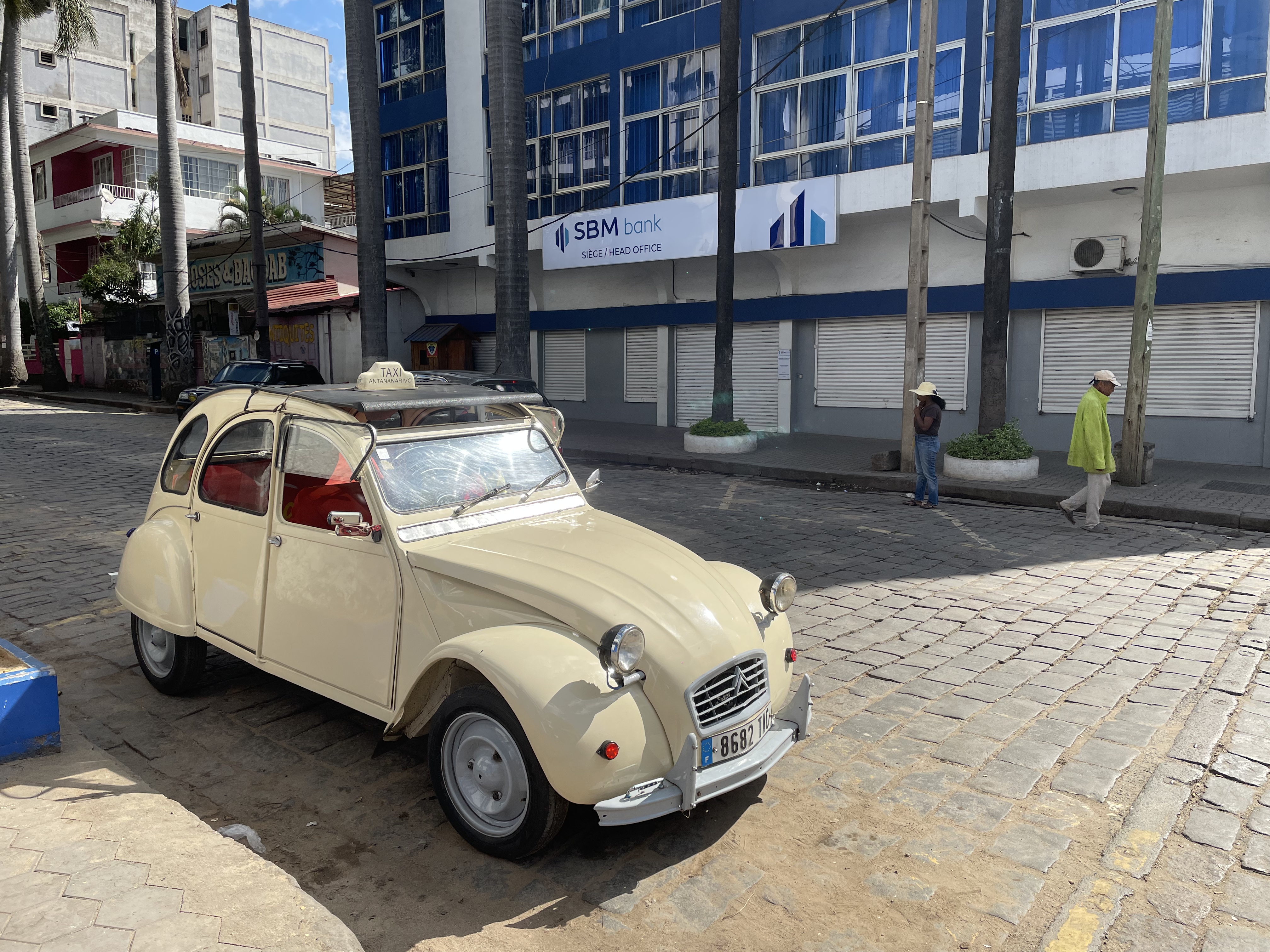
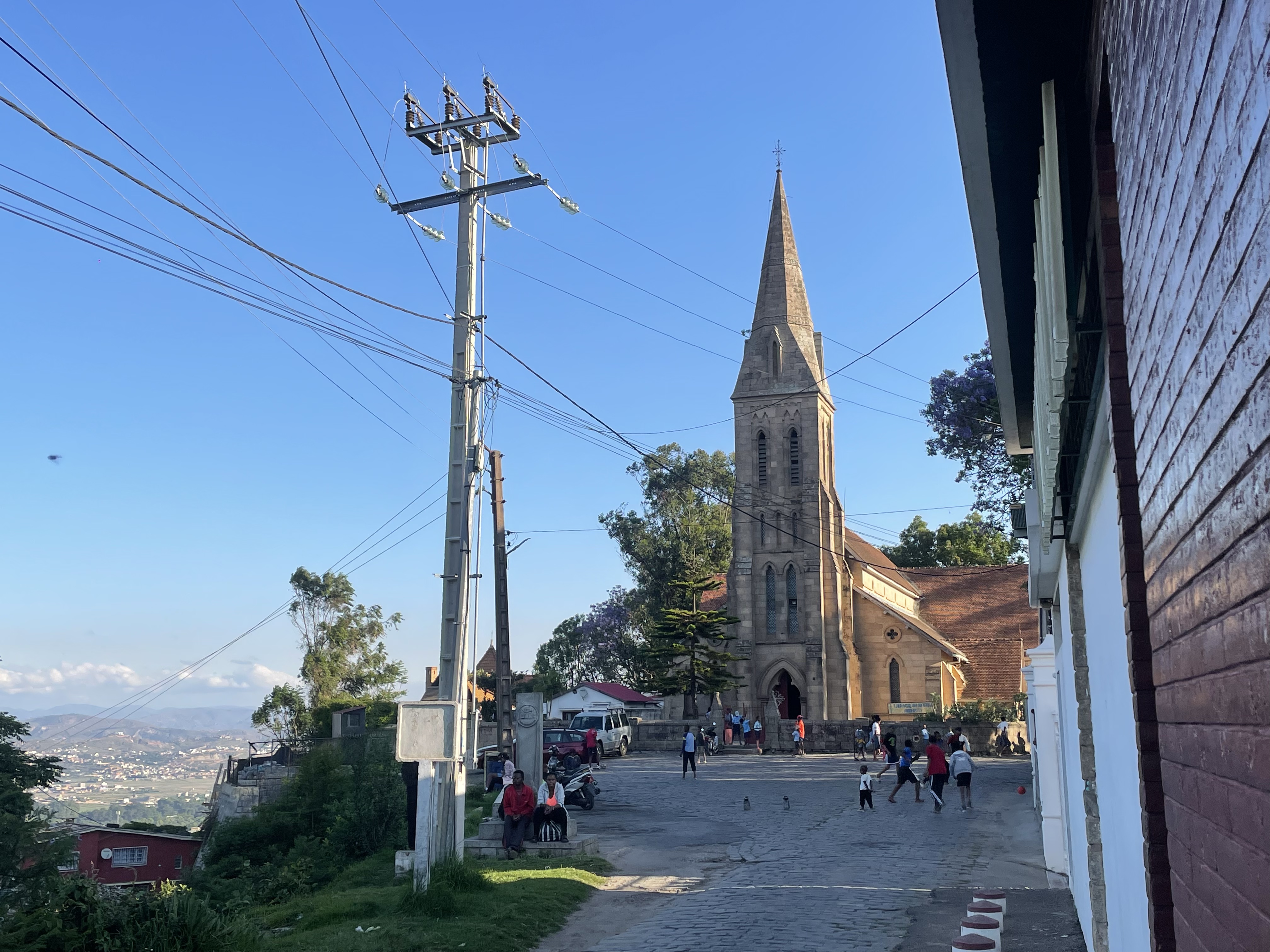


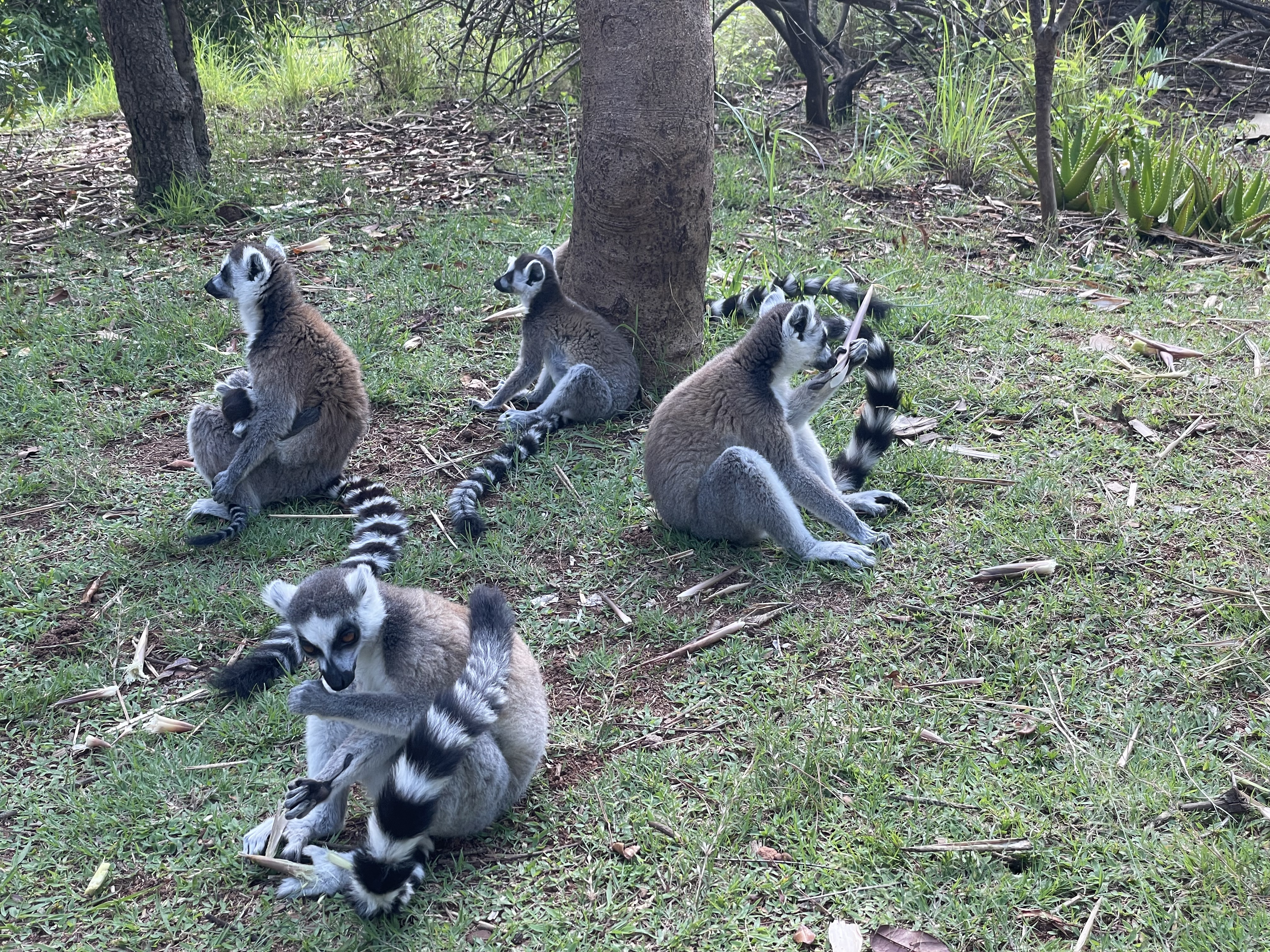
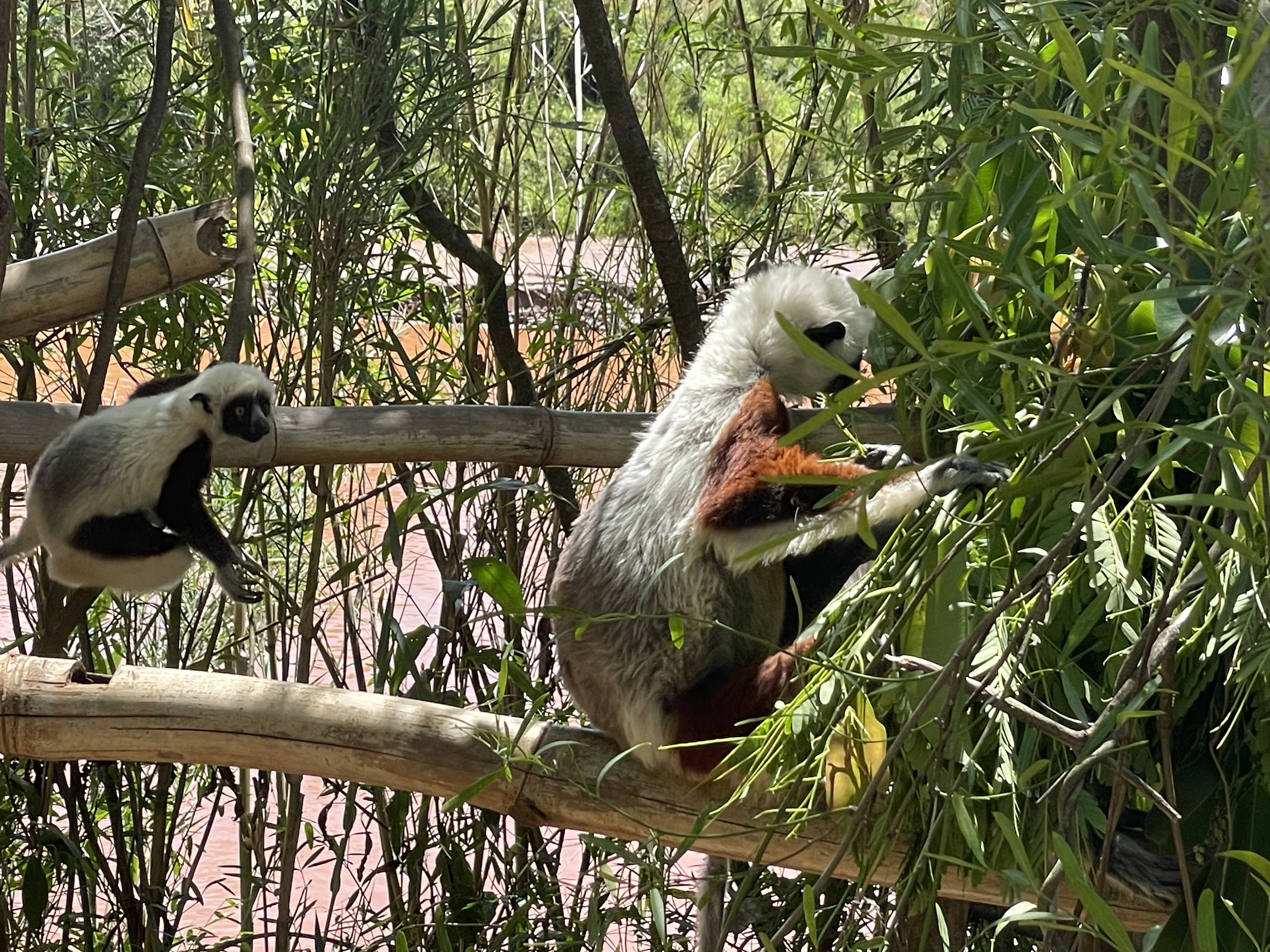
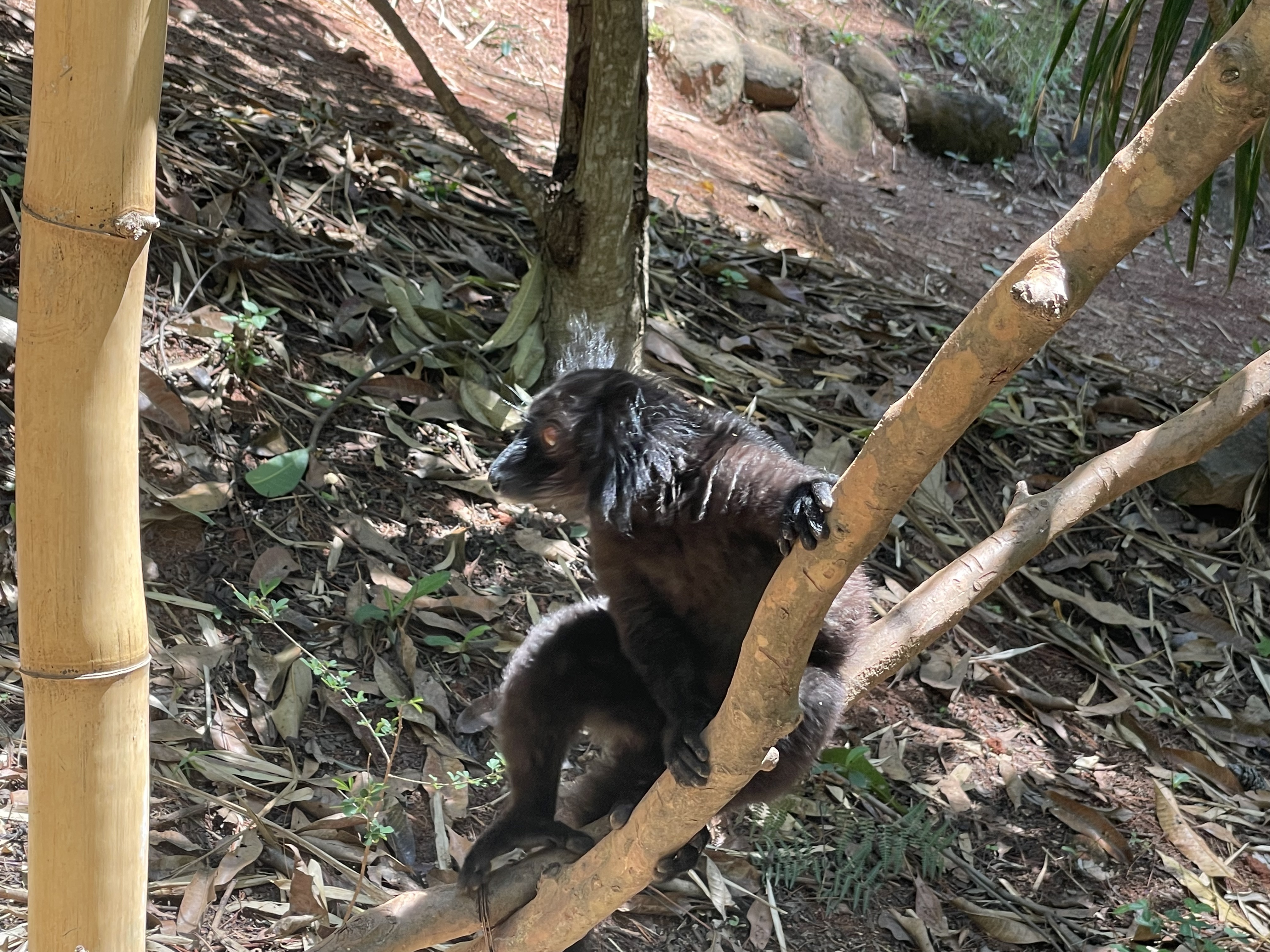
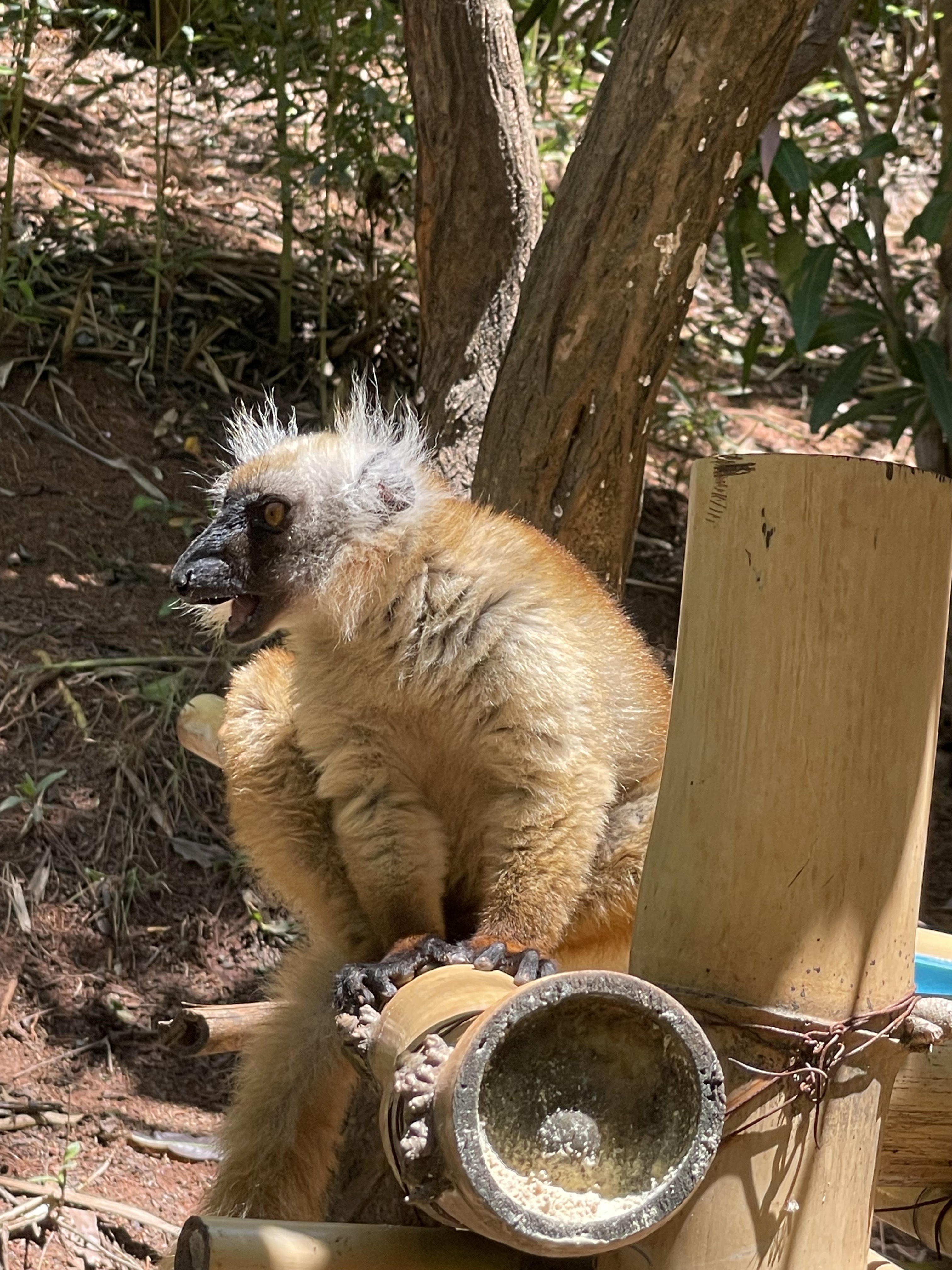
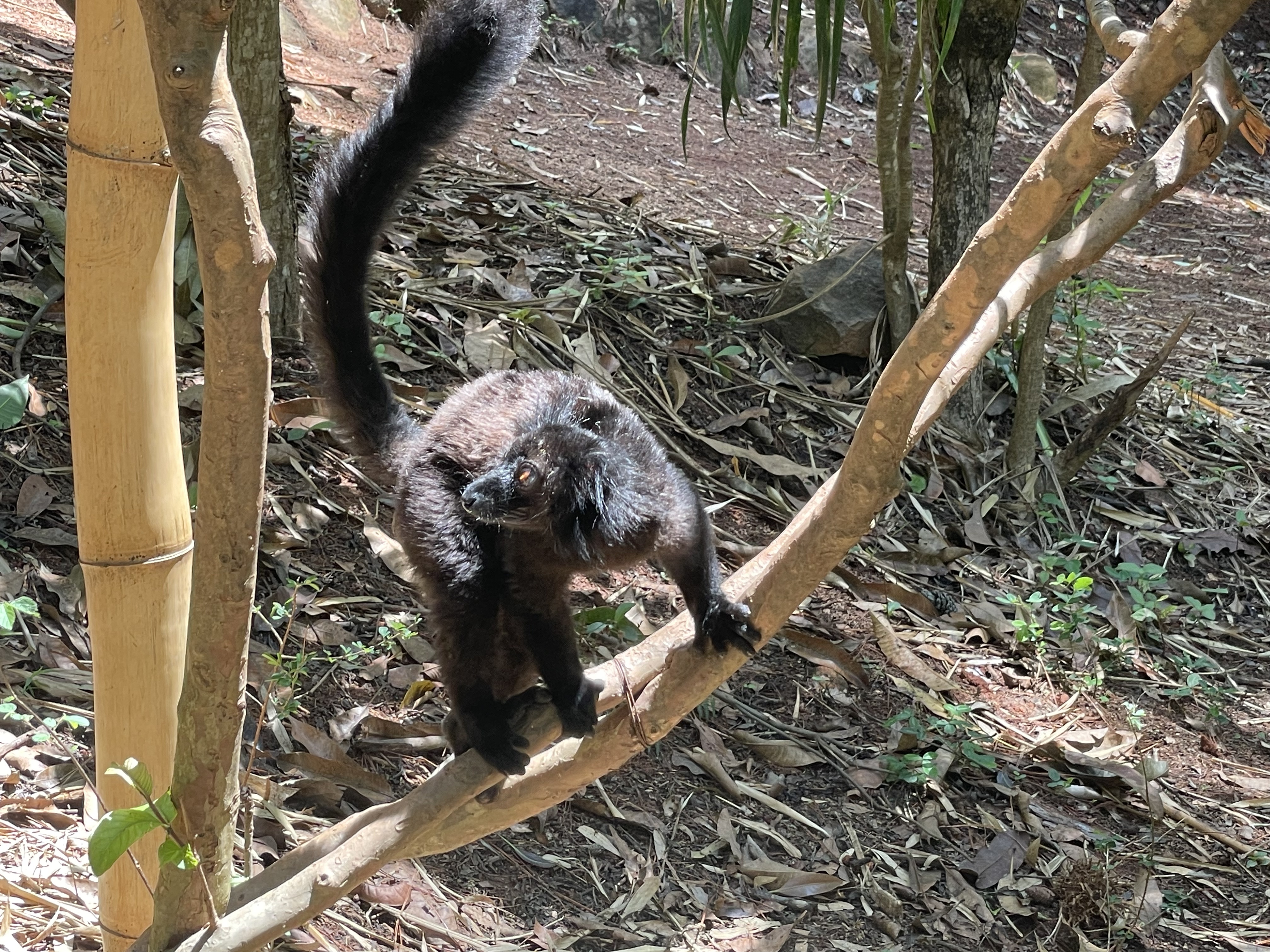
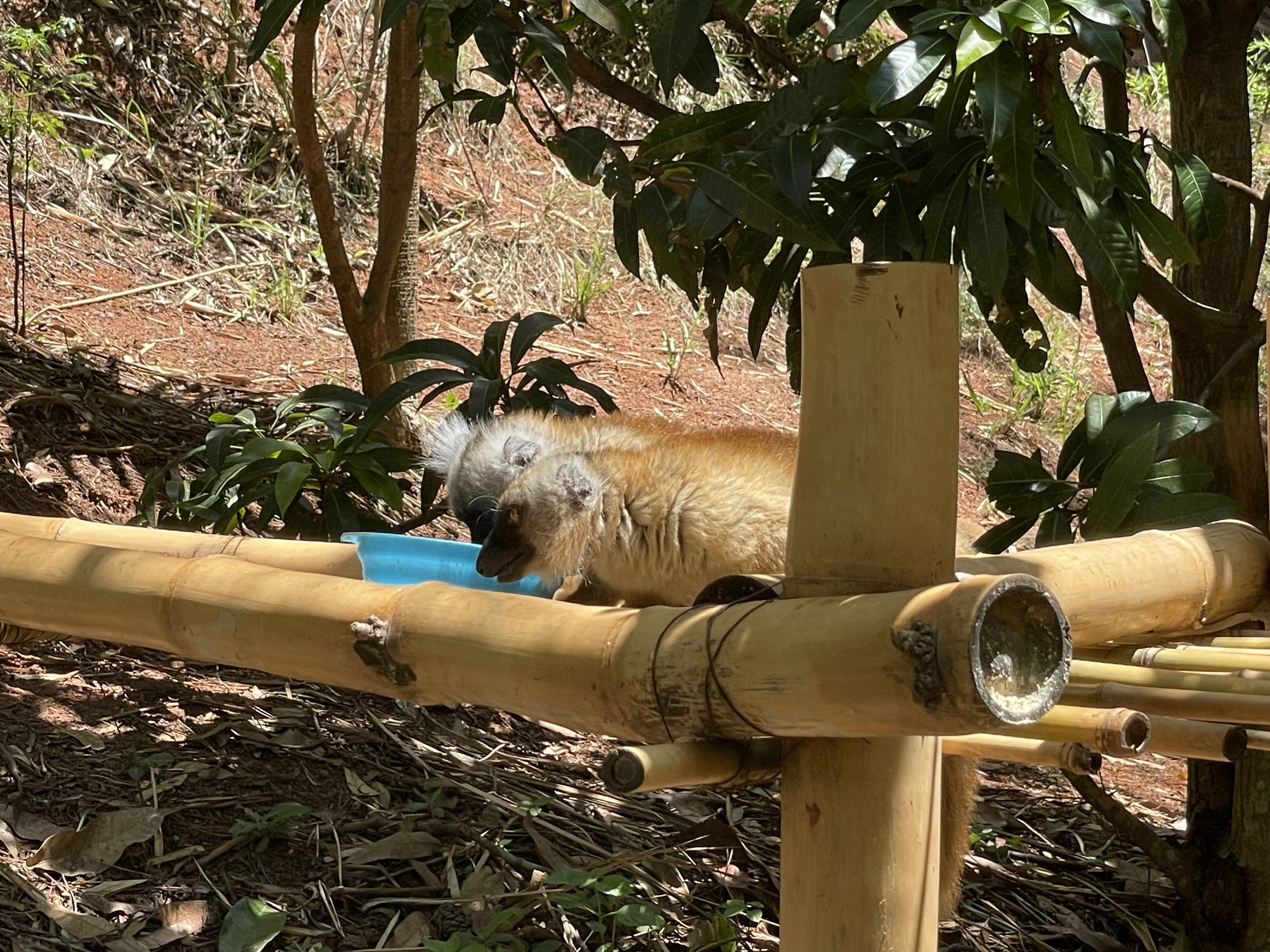
One famous attraction located on the outskirts of the city is the Lemurs’ Park. It costs 70,000 Ariary to enter, which is about 15-16 US dollars. The easiest way to get there is to hire a taxi, and it takes about an hour because of heavy traffic. It’s advisable to ask the driver to wait for you, because it’s hard to get a cab on the way back. The “local rate” for a round trip to the park is around 110,000 Ariary. I was charged 150,000 Ariary at first, but I managed to bring it down to 130,000. Yeah the total cost is pretty pricey. You could opt to take public transport, but it’s not that easy. It’s easy enough to find a bus heading to “Katsaoka“. I managed to find one just by saying “Katsaoka” to random people on the street. I’ve been told that the bus would drop you off near the park, so getting to the park via public transport doesn’t seem that hard. However, getting back to the city via public transport is not as easy. I met fellow travelers who were asking if they could share a taxi ride back because no buses or taxis heading back to the city were passing by Lemurs’ Park, and they’ve been waiting for almost two hours. So is it worth paying about 200,000 Ariary just to see lemurs? If you’re planning on heading elsewhere in the country, you will definitely see lemurs in the wild. However, most of these lemurs remain on top of trees. You may not be able to take good pictures of these creatures unless you have a camera with an excellent zoom function. Also, this park is the only place in the country where you’ll find all the different types of Lemurs in Madagascar in one place. So if you absolutely need to see all types of lemurs, and if you want to take pictures of these creatures up close, then I’d say it’s worth spending about 45 USD total to visit this park. it’s a guided tour that takes about 1-2 hours.





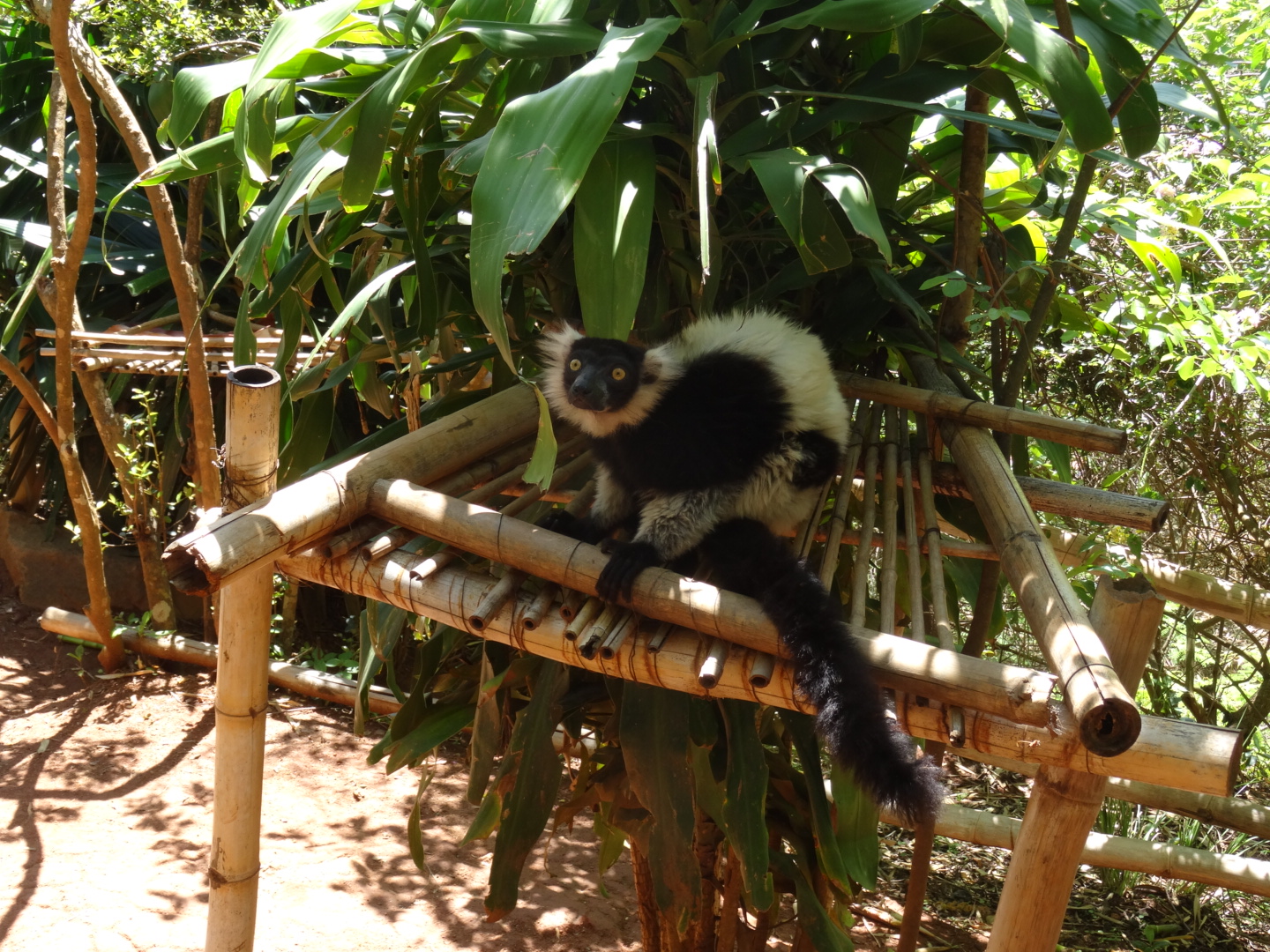


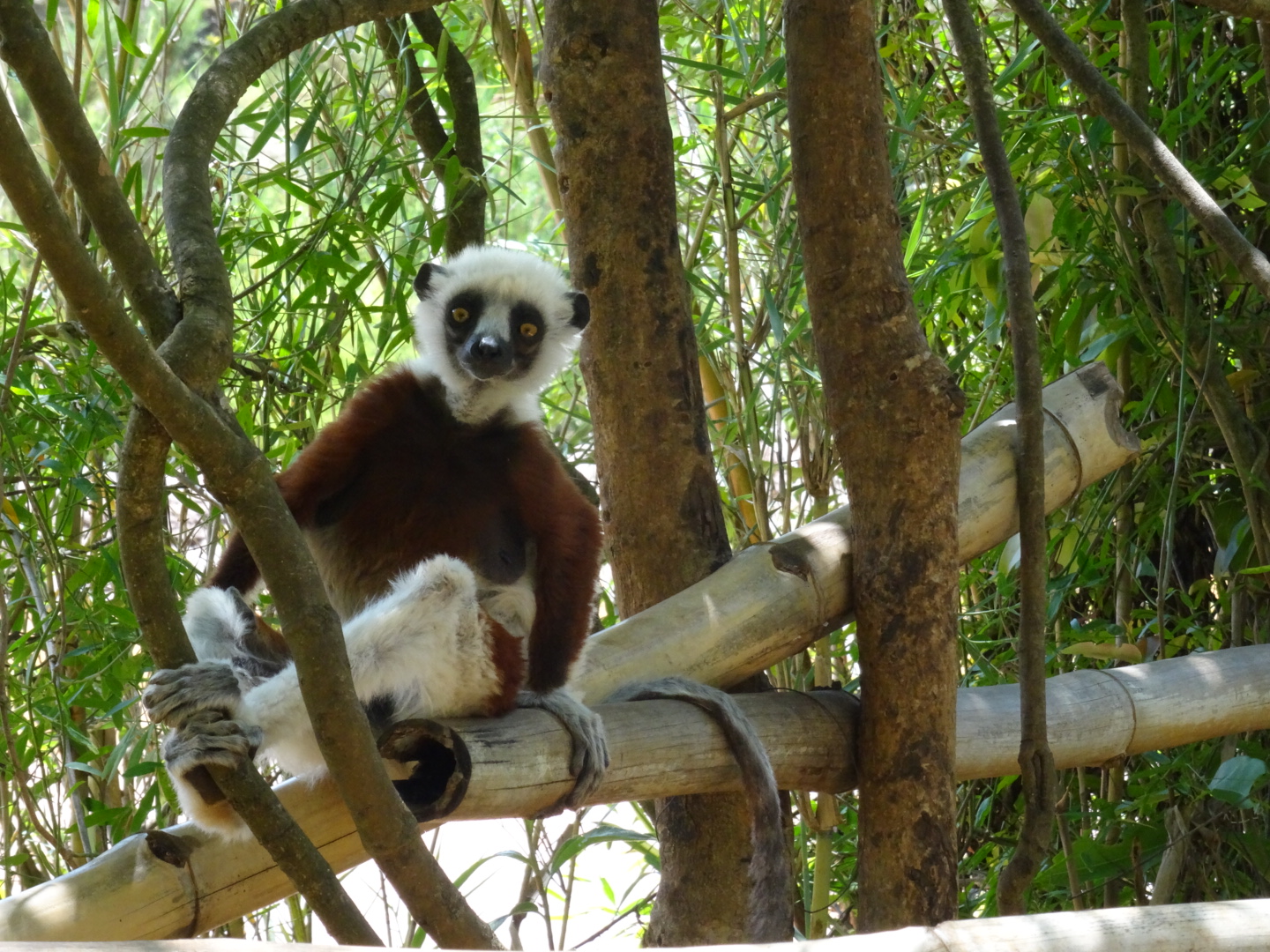
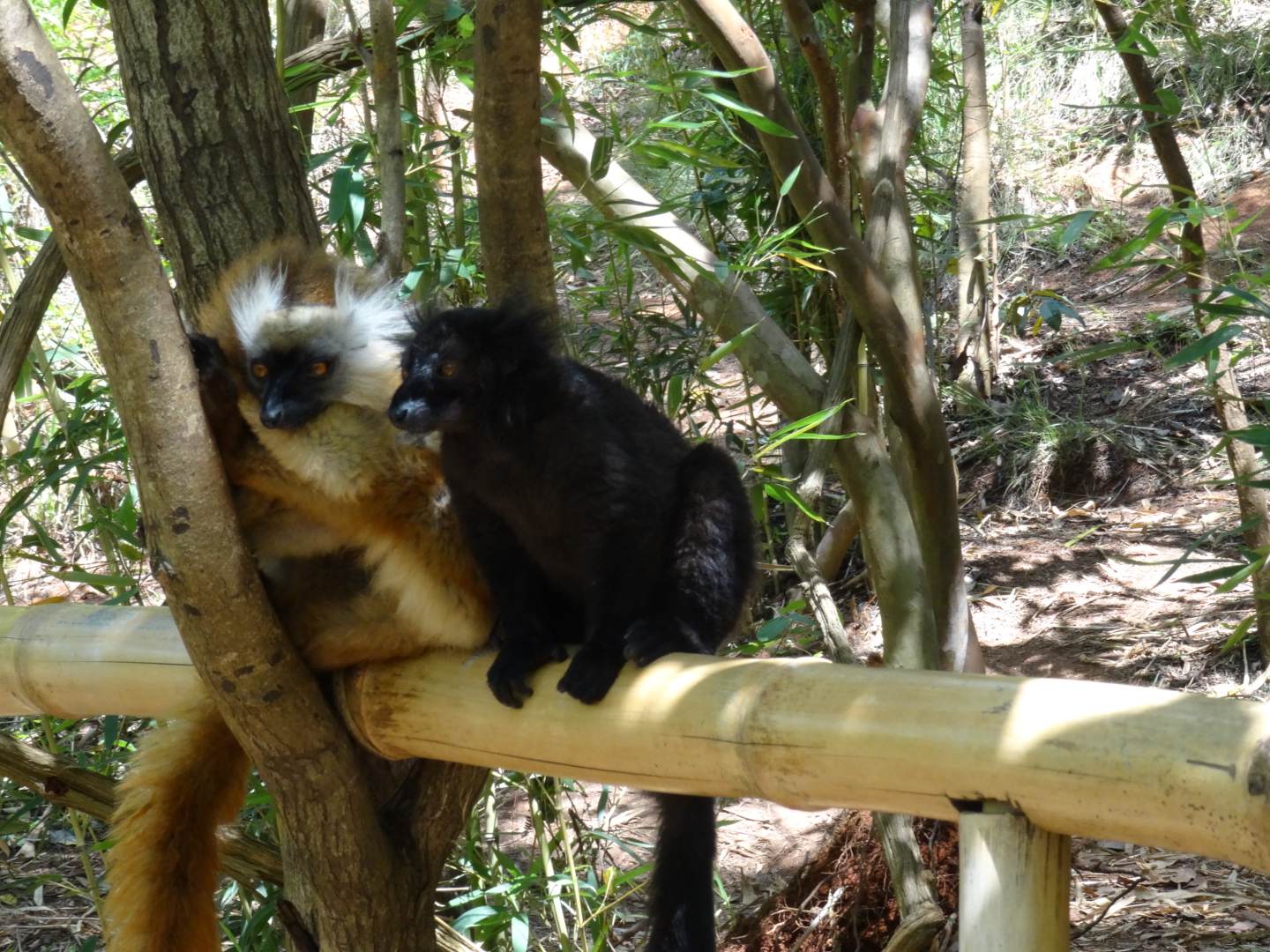


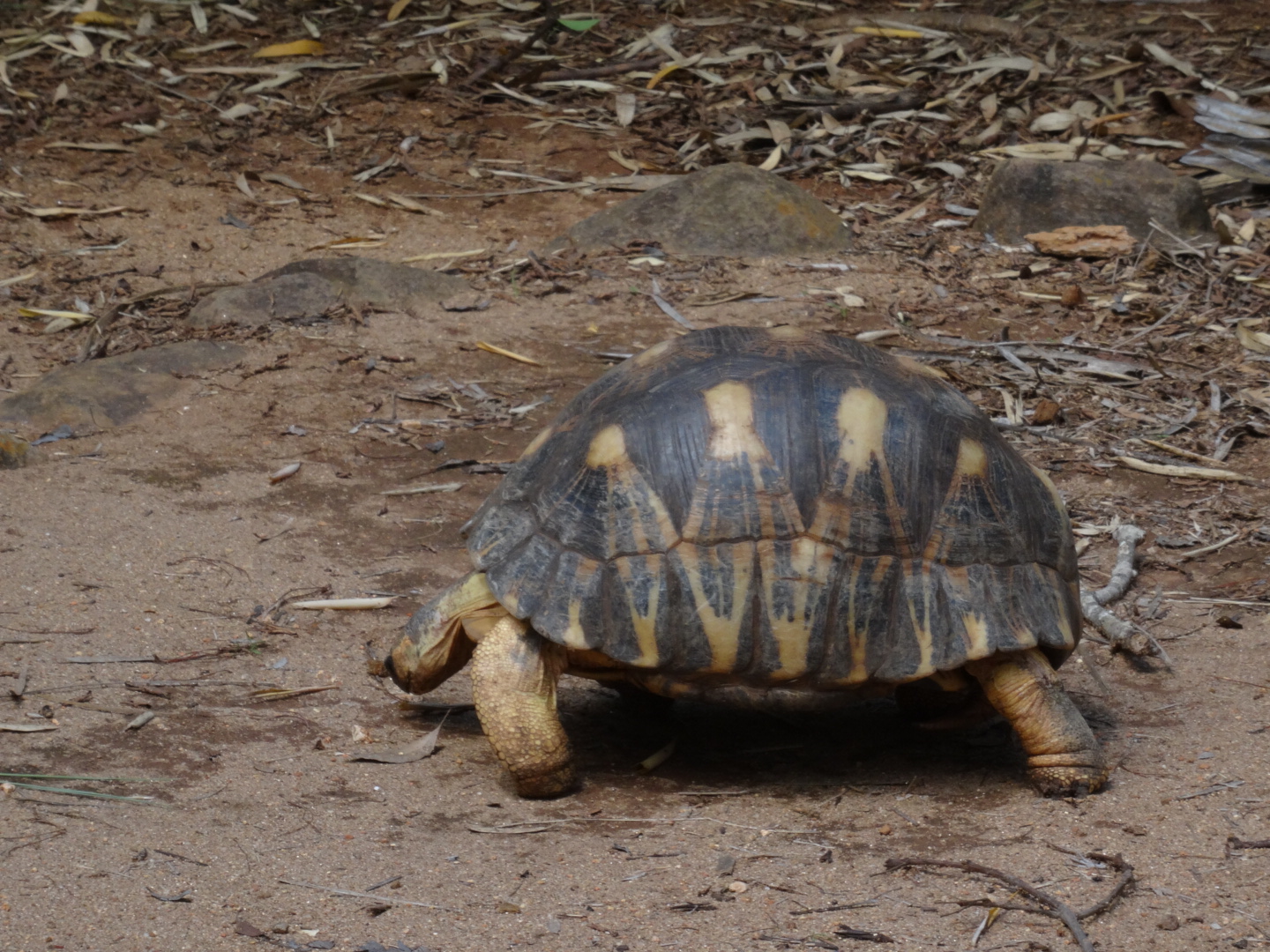
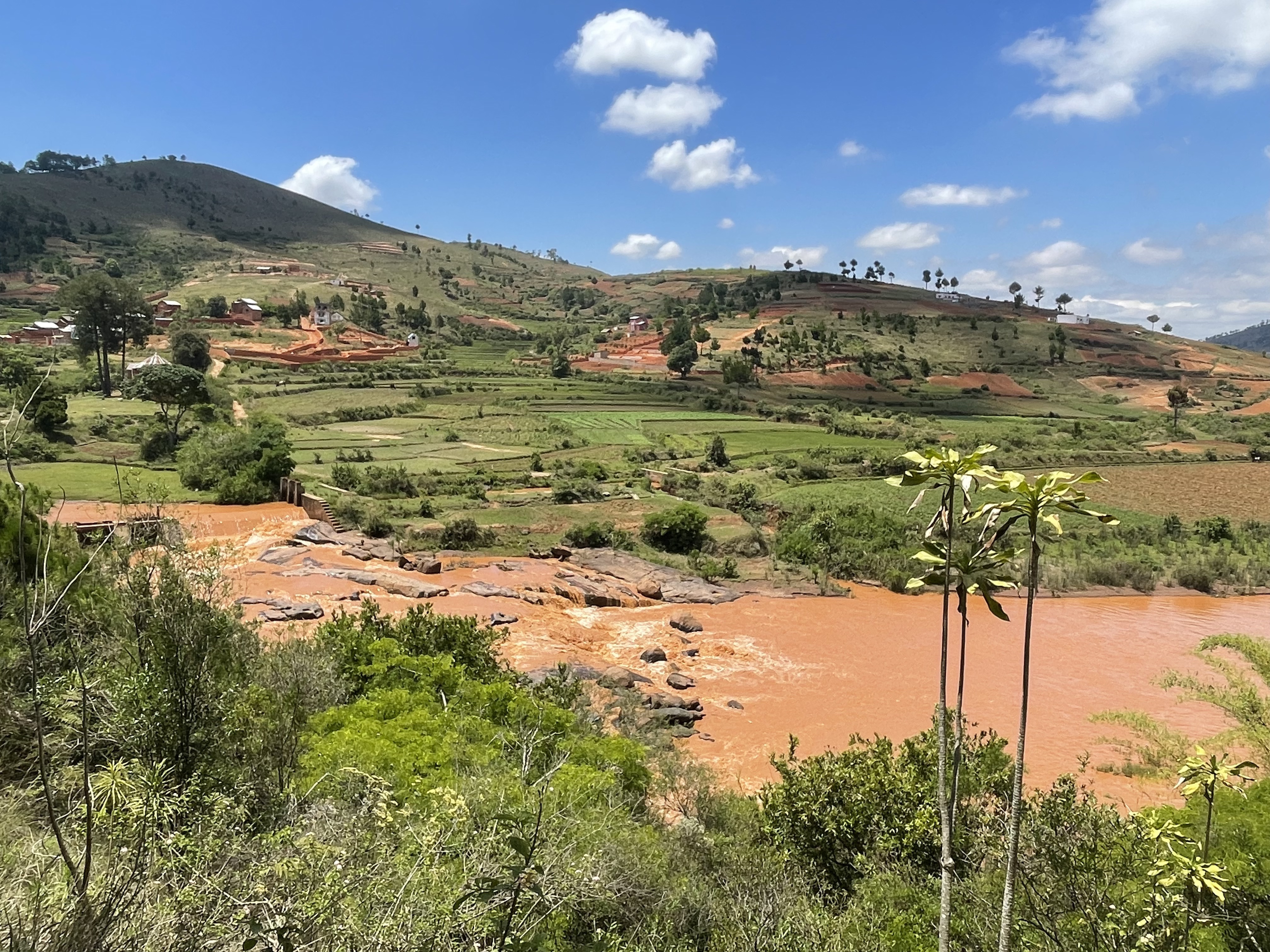

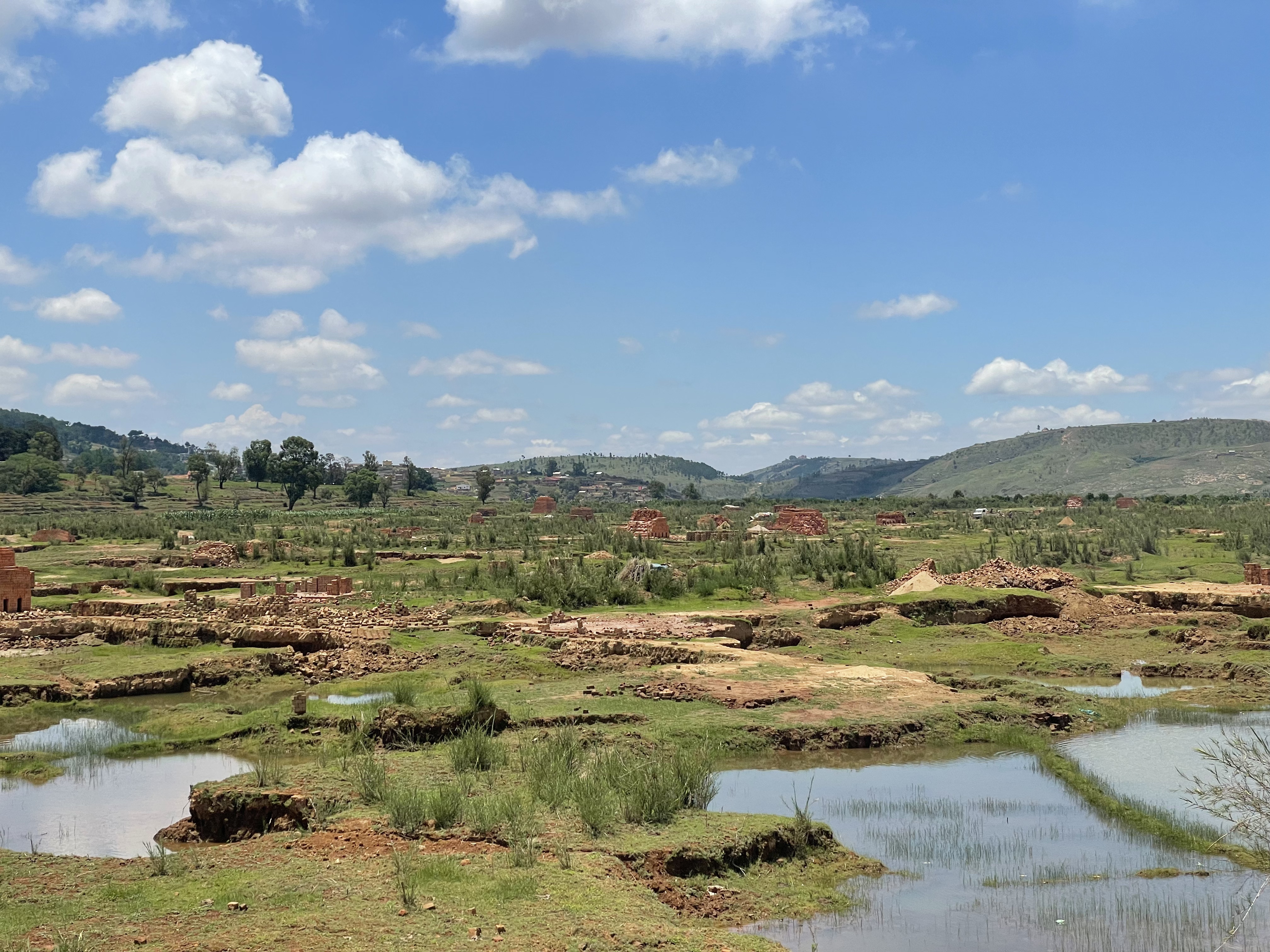
Aside from these sights, staying in the capital provides the perfect opportunity to try the local cuisine. My couchsurfing host was highly recommending the Ravitoto— it’s pork mixed with pounded cassava leaves. It’s okay.. I didn’t really like it that much. What I did love is the Romazava— which is meat stew with veggies. I love soups though, so I may be a bit biased when I say that Romazava is absolutely delicious. heh.
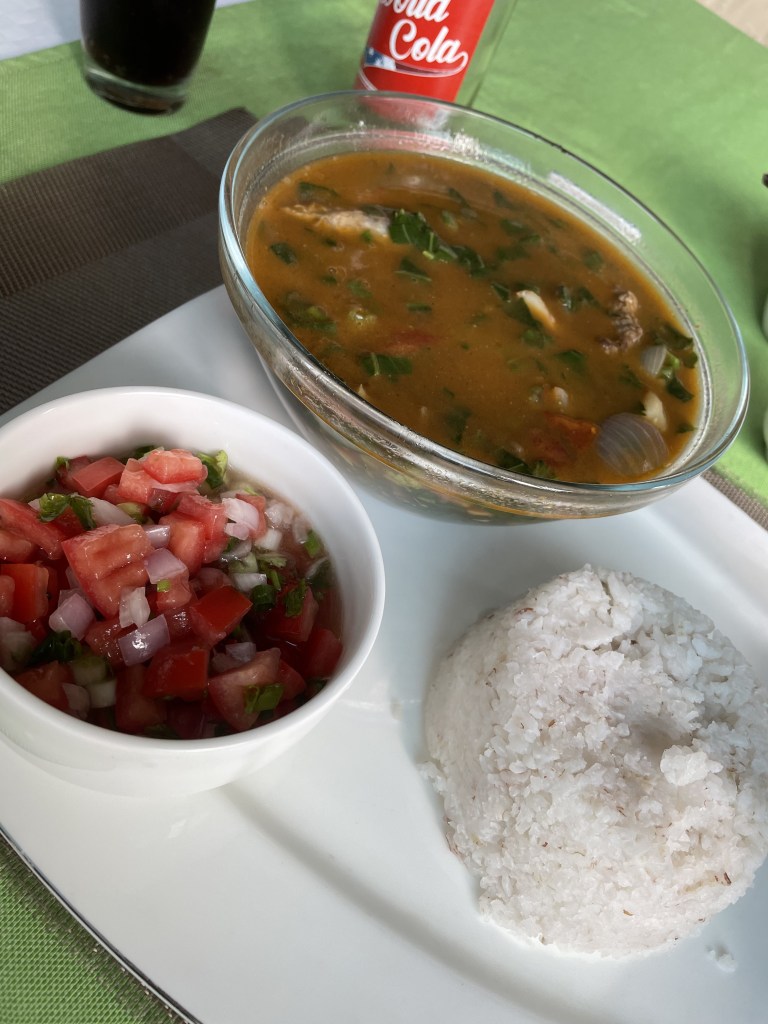
In hotels and fancy restaurants these would set you back around 20,000 -30,000 Ariary (about 4-6 USD) … that’s cheap for one full meal with rice. But if you eat where the locals eat, you could get these for 10,000-15,000 Ariary (just 2-3 USD). Hey, if you’re on a really tight budget, you could even go cheaper. I got a meal of fried chicken and rice for only 5,000 Ariary, which is just 1 US dollar! Heck if you can cook it definitely gets cheaper. just head to any local market. I bought a bunch of bananas once, and I only had to pay 5,000 Ariary for 12 huge bananas!
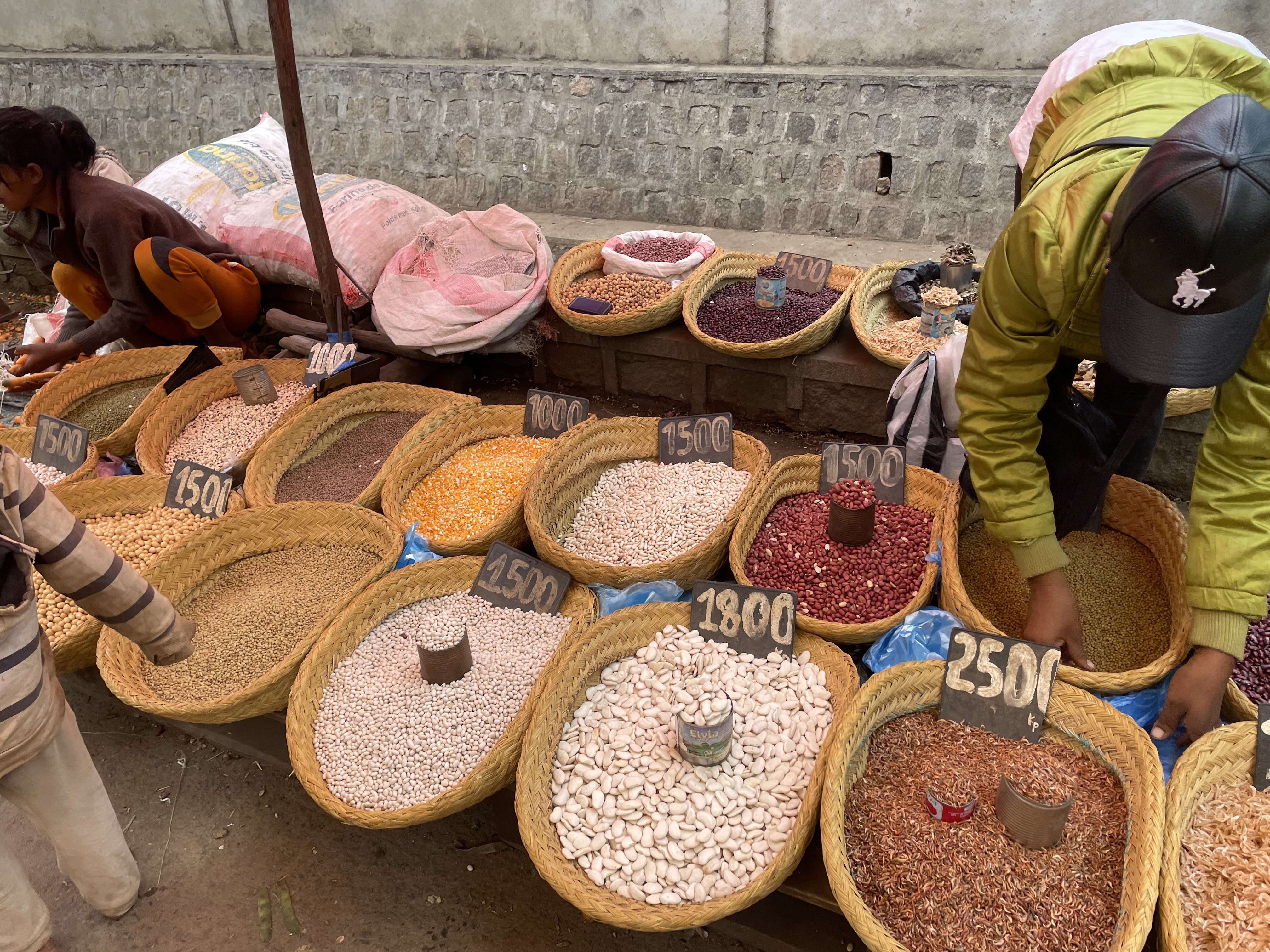
So how long should you stay in the capital? There are a couple of attractions, so I’d recommend spending at least one night. But definitely not more than two. It’s not a bad place to stay for a couple of days, and you’d eventually get used to the chaos… to me that’s part of the city’s charm. It’s just that the rest of the country has so much more to offer, it wouldn’t make sense to spend so much time in the capital when you could start exploring the rest of the country.
 no roads to follow
3 thoughts on “Touchdown, Madagascar!”