
Japan is one of those countries known for its rich culture. It’s also quite massive, and each area offers enough attractions that would interest most travelers. A couple of days spent in the country isn’t really enough. Most seasoned travelers would recommend spending two to three weeks in the country. For those people who can’t afford to travel that long, would it be worth it to travel all the way to Japan for only a week or even less? Would you be able to see and experience enough to justify going to Japan?
I did a quick trip to Japan recently, and I’d say yes, a short trip is feasible. If it’s your first time in Japan, I’d say it would depend on which area you’d choose to visit to get the most out of your first trip to the country.
For one’s first trip to Japan, many people would recommend going to Tokyo. That makes sense, because Tokyo is the capital. But if you have about a week to spare, I’d recommend basing yourself somewhere else— the Kansai region specifically. In this region, I’d recommend basing yourself in either Osaka or Kyoto.
The Kansai International Airport is the gateway to this region. From the airport, it’s easy to head to either Osaka or Kyoto via public transport. There are direct trains from the airport to either city. The main train station is just outside the terminal. The express trains are more expensive. But if you’re not on a very tight budget, I’d recommend paying extra for comfort. Seats are also assigned, and there’s space for your luggage. These express trains aren’t that expensive anyway compared to the local train lines. If you’re taking an express train from the airport, you also don’t need to worry about cash, they’d accept credit cards. Sure you can withdraw money from those ATMs at the airport, but the ones in Kyoto and Osaka offer better rates. In my experience, those ATMs inside 7-Eleven stores offer the best rates in Japan. A lot of travelers would also tend to agree. 7-Eleven stores are also quite an attraction– they sell lots of quirky Japanese snacks.
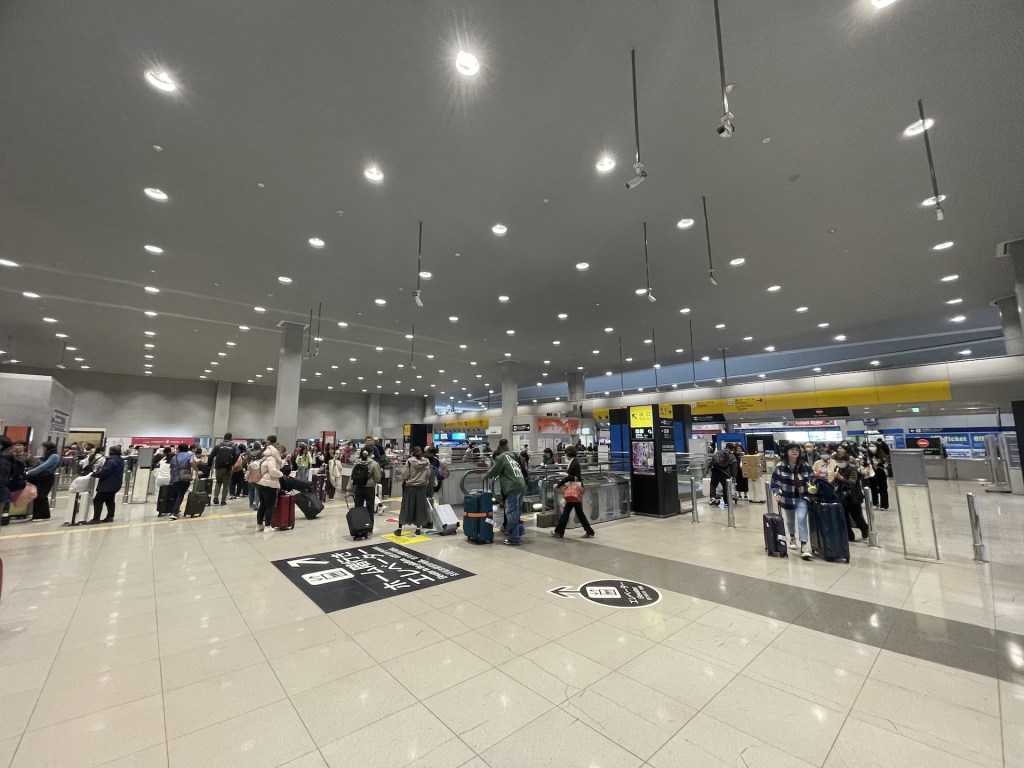
If you decide to base yourself in Osaka or if you decide to head there first, there are several options. Taking the Haruka Limited Express train to Osaka Station takes about 45 minutes and would set you back 2400 Yen (about USD 15) for an unreserved seat, and 3000 Yen ( about USD 19) for a reserved seat. Don’t worry if you have lots of luggage, there’s lots of space for luggage on this train. If you choose to base yourself in Kyoto, you’ll be taking this same train. The ride takes about 75 minutes and it will set you back 3,640 Yen (about USD 23). If you have a Japan Rail Pass, the Haruka line is included so you can ride this train for as many times as you like as long as your Japan Rail Pass remains valid. You could purchase this prior to your trip, but before purchasing one, think real hard if you would be able to maximize it because it’s not cheap. The cheapest option is a 7 day pass, and it costs 50,000 Yen (about USD 320) for an ordinary pass, and 70,000 Yen for a green (first class) pass. Regional passes are cheaper though. If you’re just staying in the Kansai Area, a 5 day pass costs about USD 84. That’s still a lot of money. If you won’t be exploring a lot of areas daily, it’s more efficient to just pay per ride. Also, it should be noted that not all train lines and local buses are included in this pass. Plan your trip and check out the routes before buying one of these unlimited train passes.
If you miss the Haruka line, you could also take the JR Kansai Airport Rapid Line which is cheaper. It takes a little longer to get to Osaka though. It would set you back 1210 Yen to Osaka and it takes about 70 minutes. If you’re heading to Kyoto, you have to get off at the Osaka station and make a transfer to the Kyoto line. The total cost of the trip to Kyoto would be about 1910 Yen and it would take 90-120 minutes. You can also use your Japan Rail Pass if you take this line.
The last option, which I would not recommend, is to take the Nankai line to Namba, then transfer to local trains until you get to wherever your accommodation is in Osaka or Kyoto. I would not recommend this because local trains stop at all stations, and there’s no space allotted for luggage. I’ve ridden local trains and these trains get packed. It would be rude carrying huge backpacks and lugging around huge luggages. In case you haven’t heard, rudeness is frowned upon in Japan. A trip to Kyoto using the local line would set you back 1,700-1,800 Yen— it won’t be much cheaper compared to the JR Kansai Airport Rapid Line. If you’re traveling on a budget, take that train instead.
If for some reason you don’t want to take the train, there are other options. You could take those airport limousine buses. You’d have to pay 1500 Yen if you’re heading to central Osaka. The trip takes an hour depending on how bad the traffic is. If you’re going to Kyoto, it costs 2,600 Yen and this trip takes about 2 hours— again, depending on how bad the traffic is. I see no advantage of taking the bus, except maybe if your accommodation would be closer to the drop off points. Many drop off points are directly in front of hotels.
Lastly, you could also take a cab but this would set you back 20,000 – 25,000 Yen to Osaka. To Kyoto, it’s at least 30,000 Yen. The only reason to take a cab is if you arrive past midnight and there are no other options. Trains and buses only run until around 11 PM, and won’t start running again until around 5 AM.
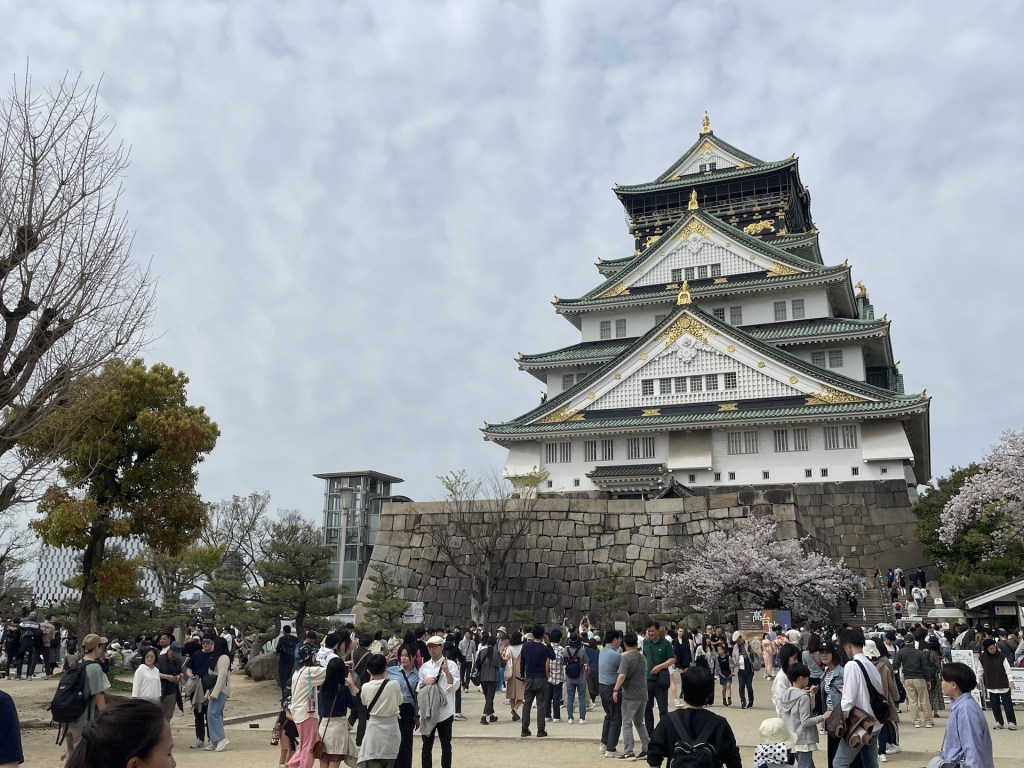
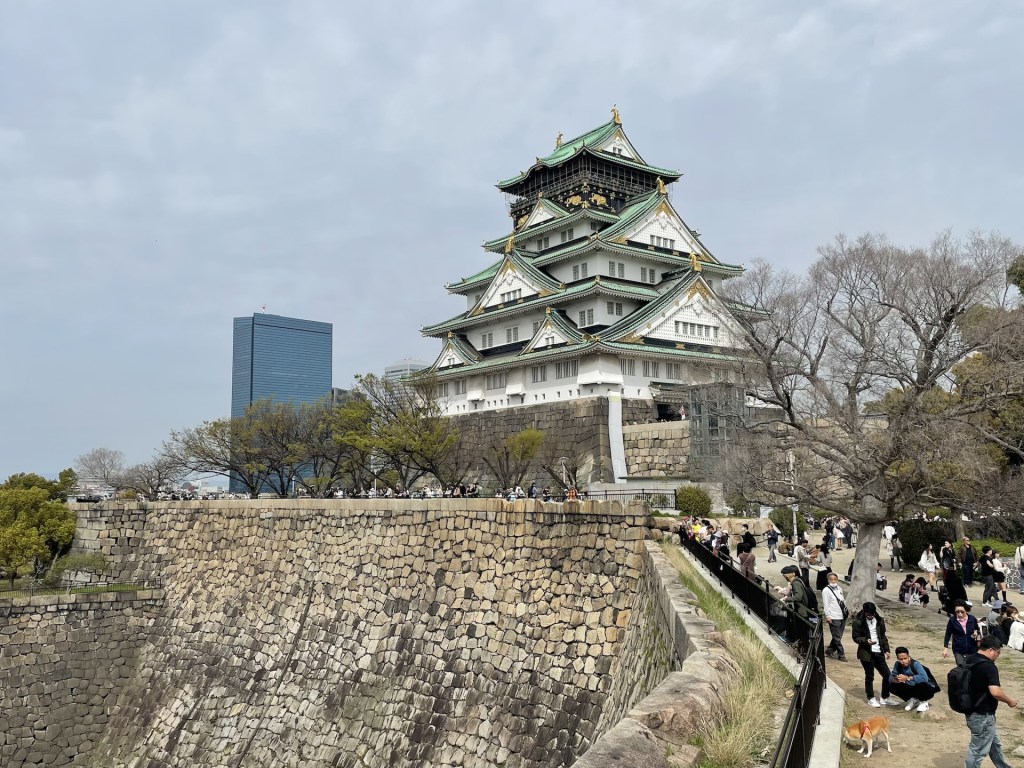
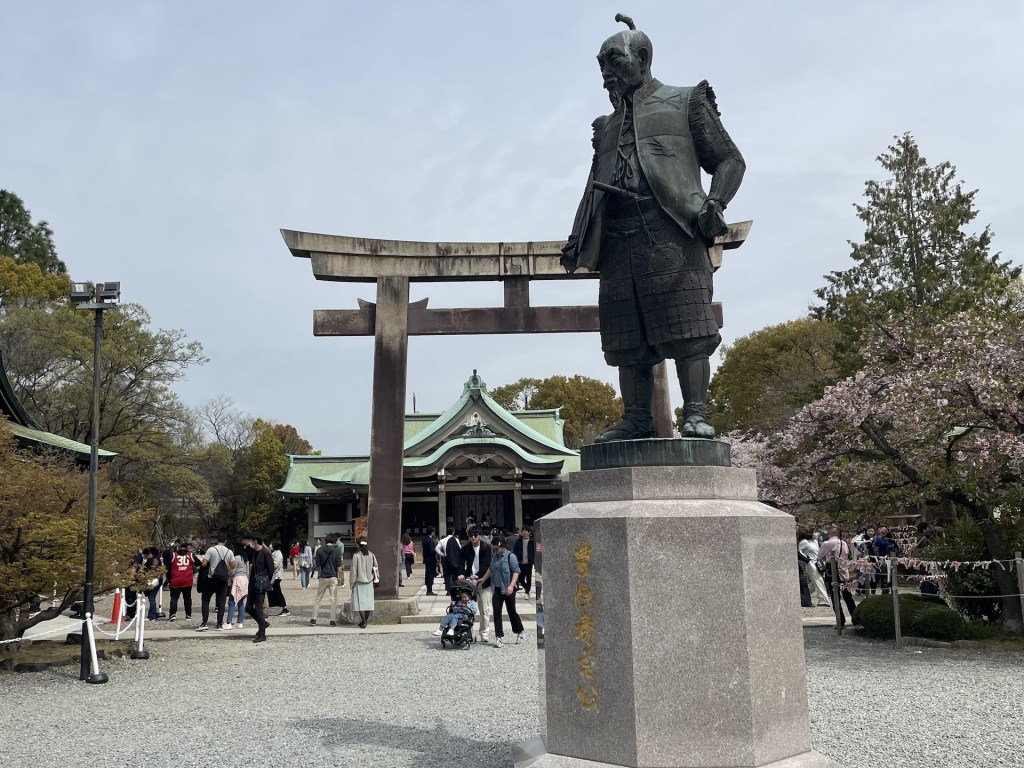
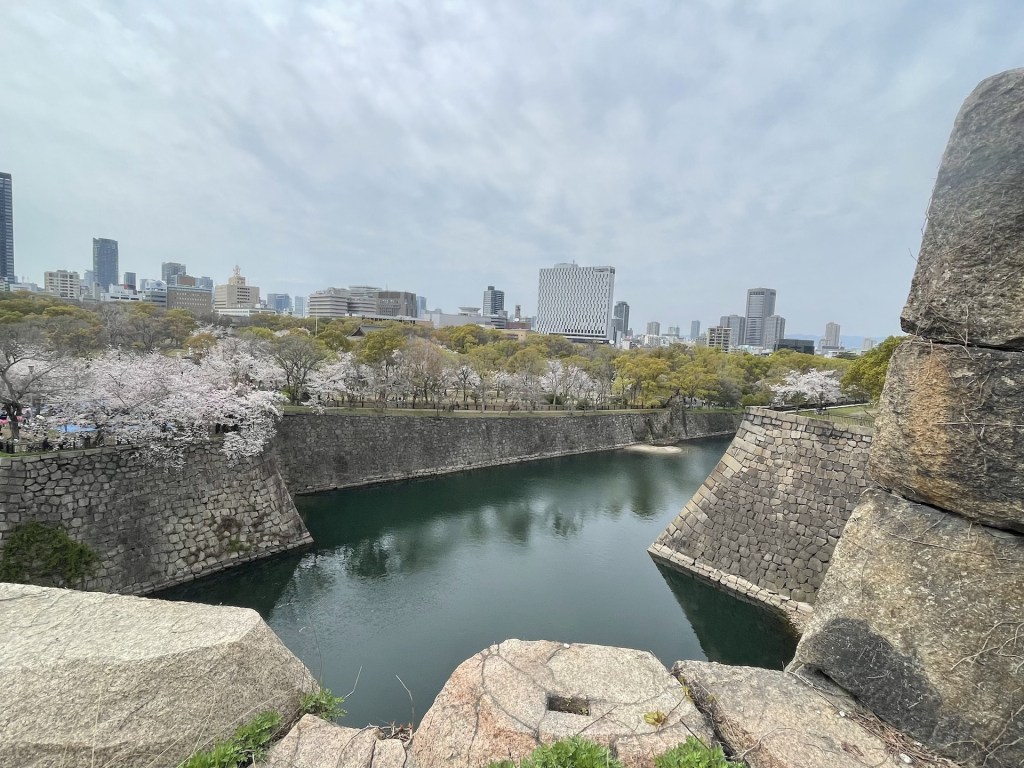
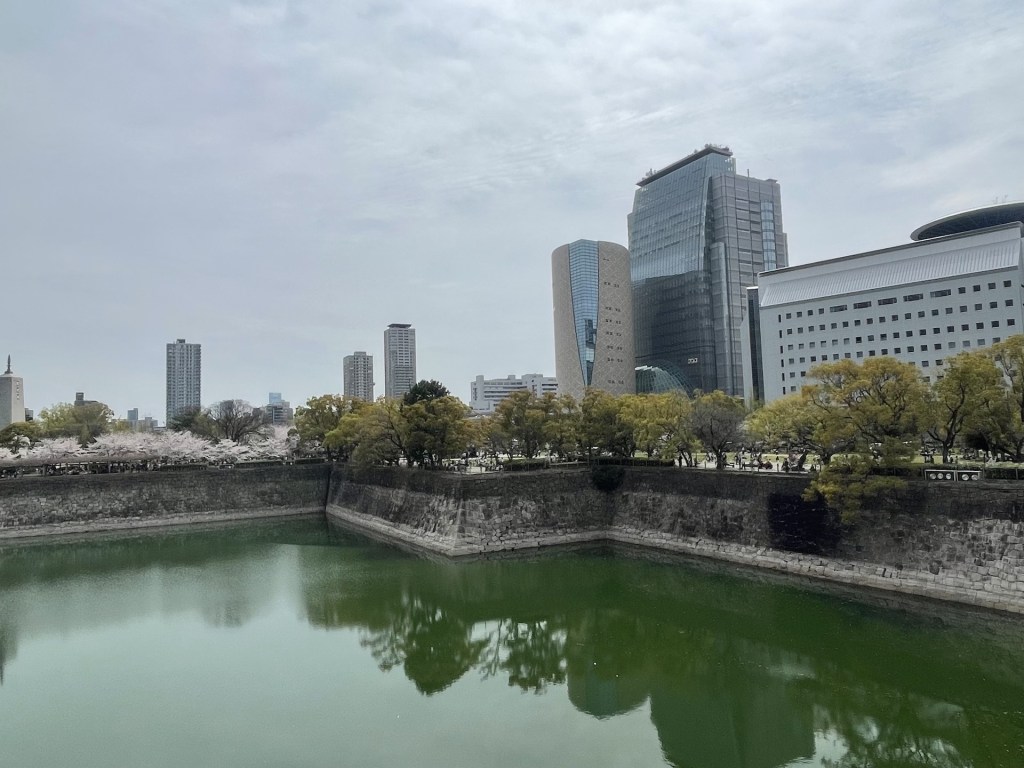
So where should you base yourself? Osaka or Kyoto? I’d recommend spending at least two nights in both places, but I do understand that basing yourself in one place may be more convenient for some people— especially if you’re carrying lots of luggage, or if you’re traveling with a big group. It’s easy to just do day trips between these two cities anyway. It’s also easy to do a day trip to Nara from either one. Personally, I’d recommend basing yourself in Kyoto simply because there’s more to see there— if you’re into historical attractions. In Osaka, there’s the Osaka Castle and— well that’s pretty much it. Universal Studios Japan is in Osaka, but I’m not into theme parks so this wasn’t a factor for me. I’d say shopping and nightlife is better in Osaka. So it depends on what you are more into. If you’re more into historical stuff, base yourself in Kyoto. If you’re after shopping or nightlife, or if you’d prioritize visiting Universal Studios, then base yourself in Osaka.
I started my trip in Kyoto. At the main station, I had to take a bus or transfer to another train line to my hostel. A local bus would drop me off real close to my hostel so I opted to take that. It’s a capsule hostel, which i admit isn’t for everyone. Some say it feels claustrophobic, but I found it cozy. I’d say try staying in one at least once and see how you like it. Bus stops are just outside the main train station in Kyoto, you won’t miss em. Signs are in Japanese and English. It’s the same in train stations, so you won’t get lost even if you don’t understand Japanese. There are huge maps by the ticketing machines with text in both Japanese and English, so you’d know how much you have to pay exactly. Google Maps by the way, is very accurate when it comes to public transport in Japanese cities. The timing may be off by a minute or two, nothing major. There are lots of taxis waiting outside the main station if you choose to take one. Most of the buses get very crowded, there’s no room for huge luggage. I made one huge mistake when I purchased a bus ticket. I saw an option for an unlimited day pass for 1,100 Yen (rate for adults). I thought it would be good for 24 hours, but turns out it was only good until 12 midnight. A single journey bus ticket costs 230 Yen for adults (120 Yen for children). I only got to use it thrice that day since I arrived at past 3 PM and I wasn’t planning on exploring yet. So yeah, I basically wasted money on that day pass. Buy this unlimited pass early in the morning on the day you plan on exploring to get your money’s worth. You can’t use this on some train lines though, but you can use it for all buses within Kyoto. Not a big deal. You’ll be taking more buses than trains within the city anyway. Don’t worry if you don’t have the exact amount. There’s a machine by the driver wherein you could break down bills and coins, then just drop the exact amount on another machine beside it. You pay before getting off the bus, so everyone gets out from the front. When you’re close to your stop, better slowly make your way up front. You could also pay with a prepaid ICOCA card, which you could also use in Osaka. it’s easy to top up these cards in convenience stores and train stations. Just don’t add too much money, add just enough for your trip.
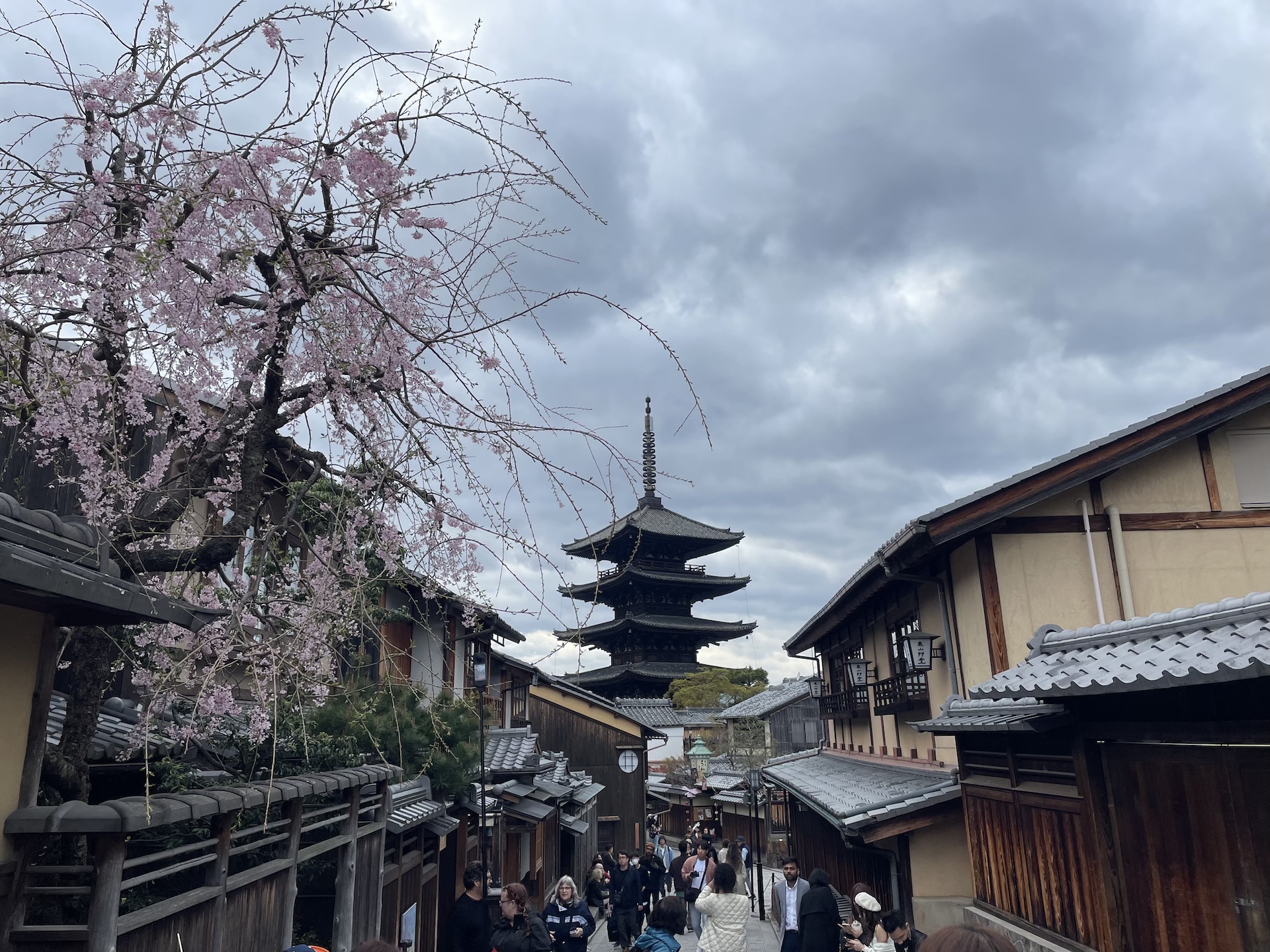
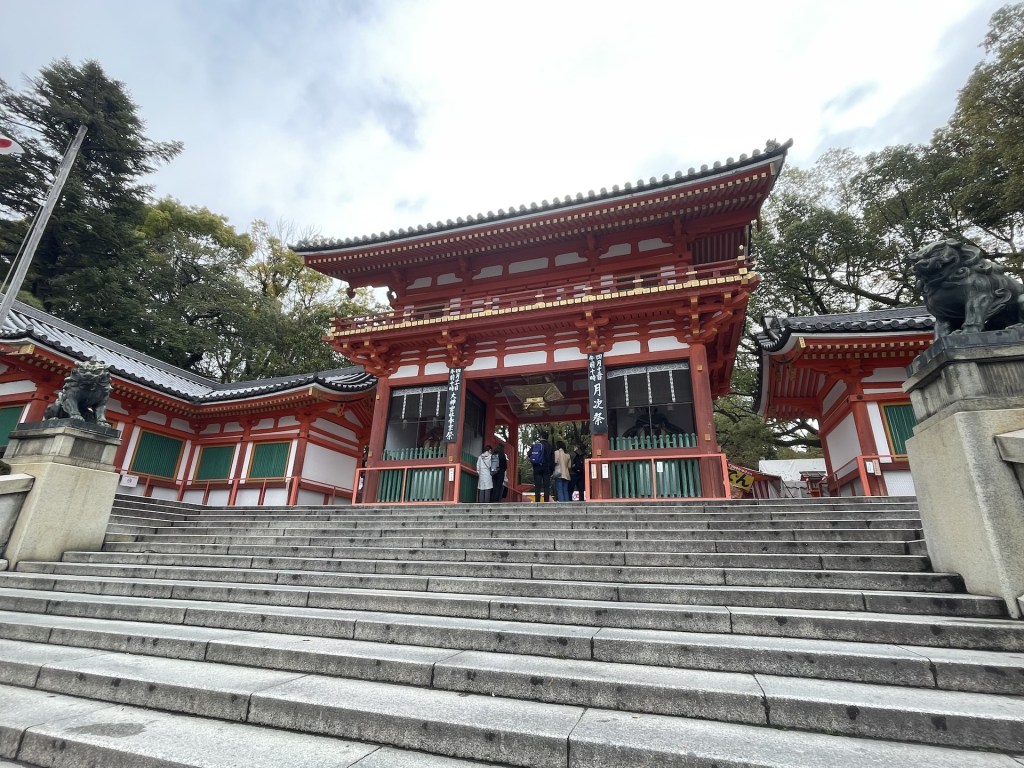
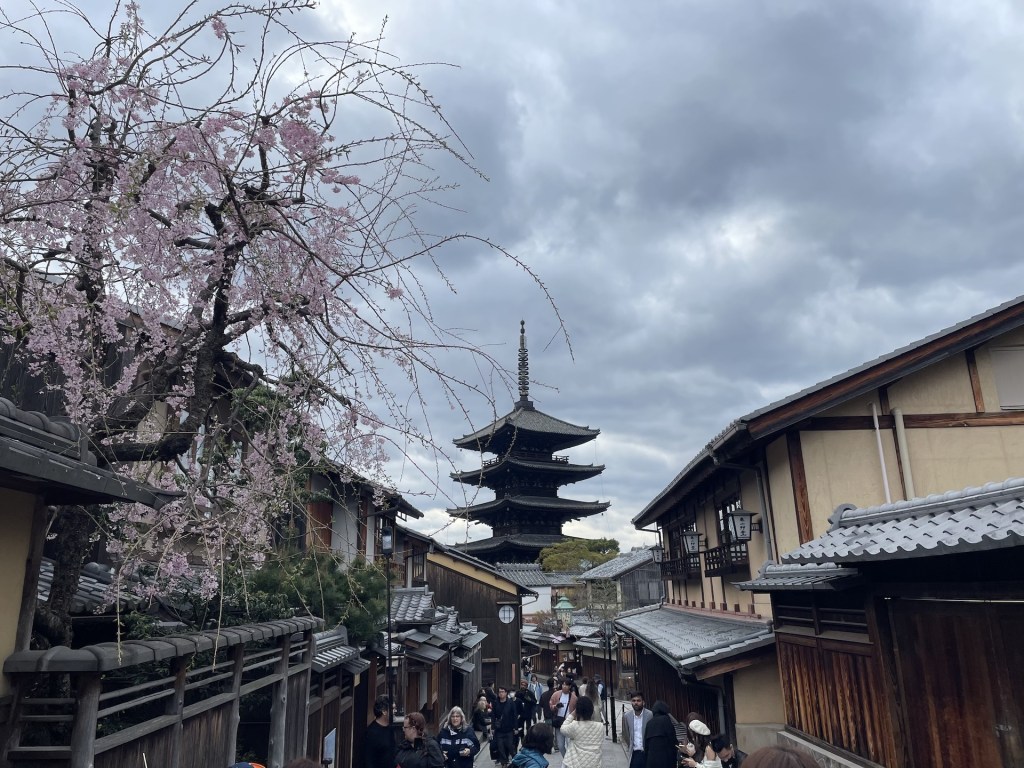
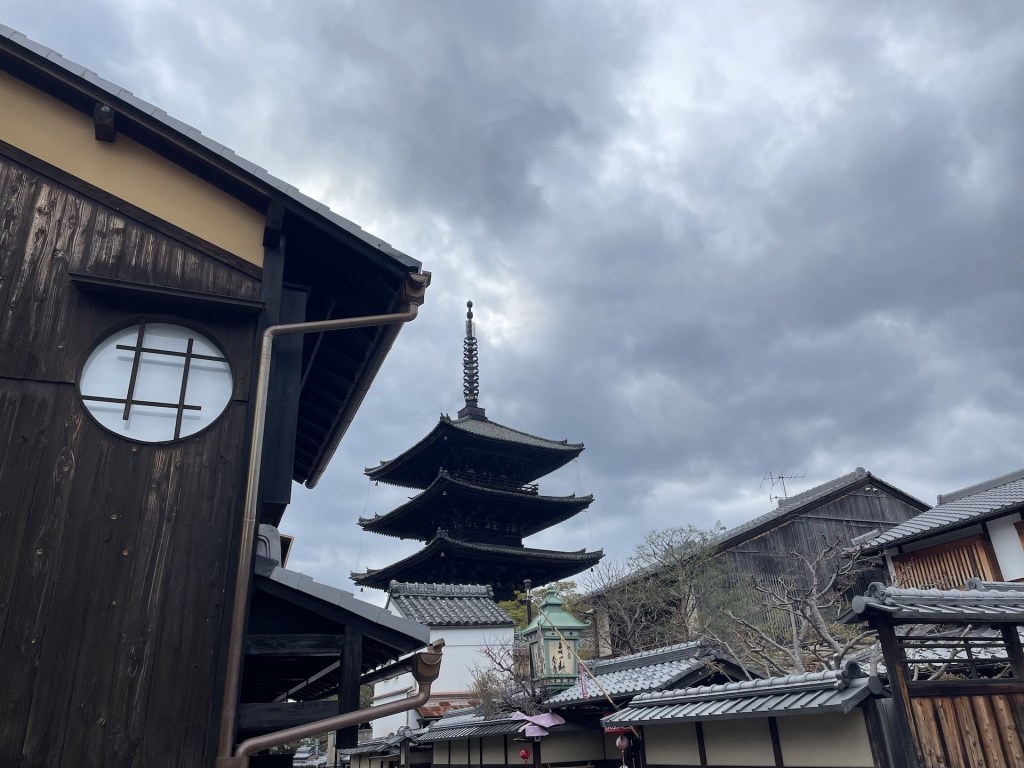
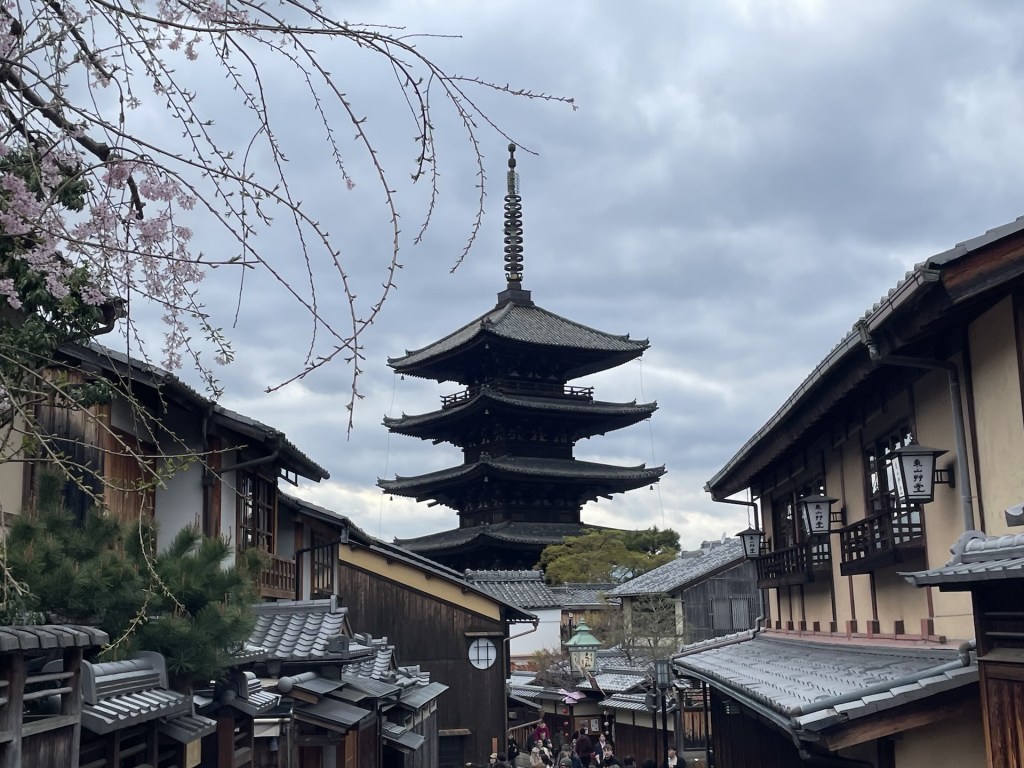
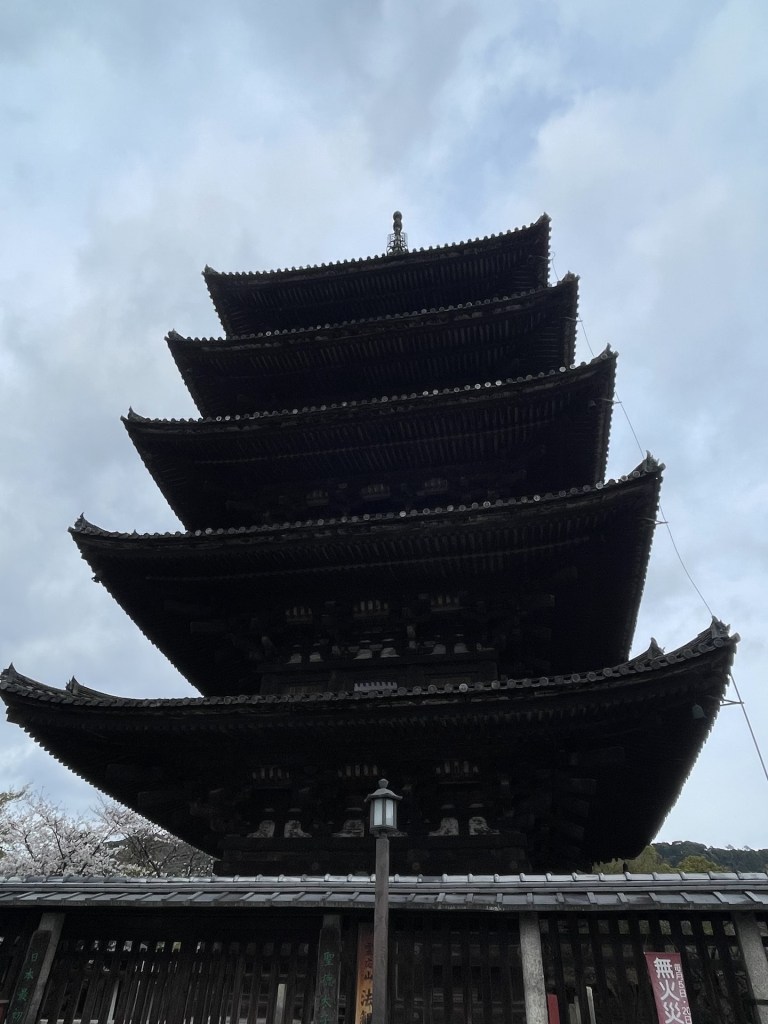
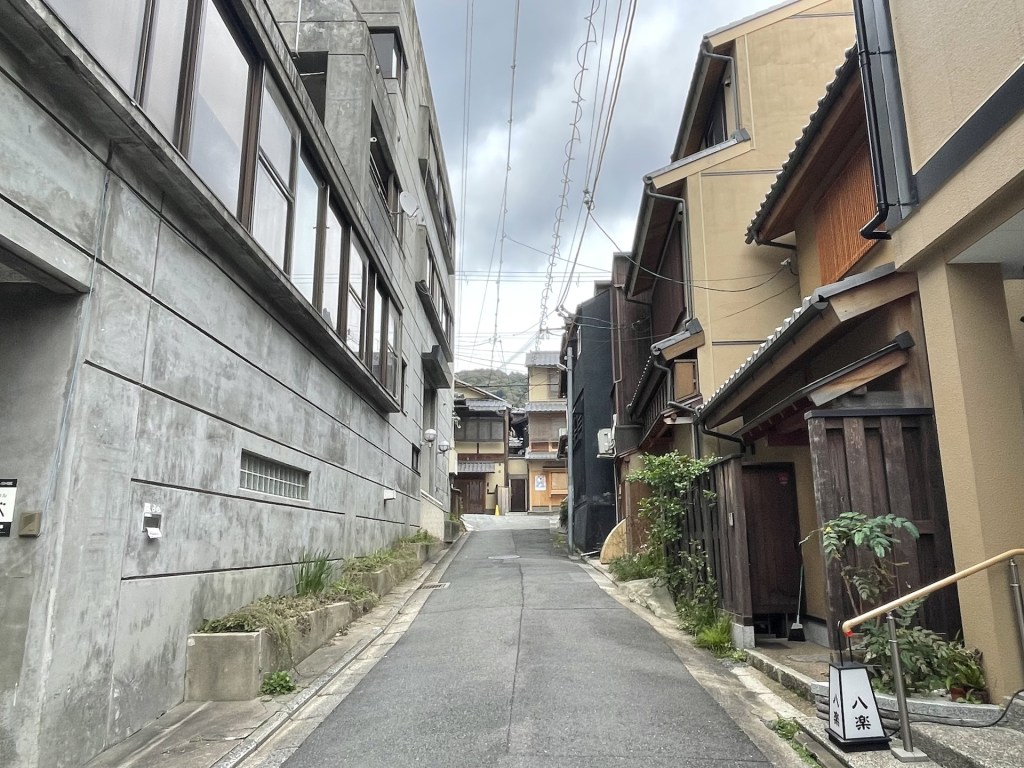
Kyoto is massive, and the attractions aren’t close to each other. You’re going to spend a lot of time in transit, so check the locations of the attractions that you want to check out so you can map out your trip properly. I stayed at Gion District because there are lots of attractions here. You could explore several attractions on foot before checking out those that are farther. There are lots of shrines here, and the Yasaka Shrine was only 5 minutes from my hostel. Along the Sannen-Zaka Path, there’s a good spot to take a photograph of the Yasaka Pagoda. Hanamikoji Street is also within walking distance, and here you’ll see lots of traditional architecture. You may even get a glimpse of a Geisha. From here you could head to Shirakawa Lane, by the canals. Gion is such a great area to stay because it feels as if you’re transported to the past as you walk through most streets. There are lots of teahouses, and these are perfect places to relax and catch your breath if you need to take a short break from exploring.
There are lots of temples worth visiting. You have to pay to enter most of these, most charge 500 Yen per person. One of the most popular ones is the Kinkakuji. The top two stories are covered with thin sheets of gold, hence it’s popularly known as the Golden Pavilion. It was the retirement villa of Ashikaga Yoshimitsu, one of the military rulers back in the 1300s. Though the original structure was burnt down numerous times (it was last rebuilt in the 1950s), the present structure is still impressive.
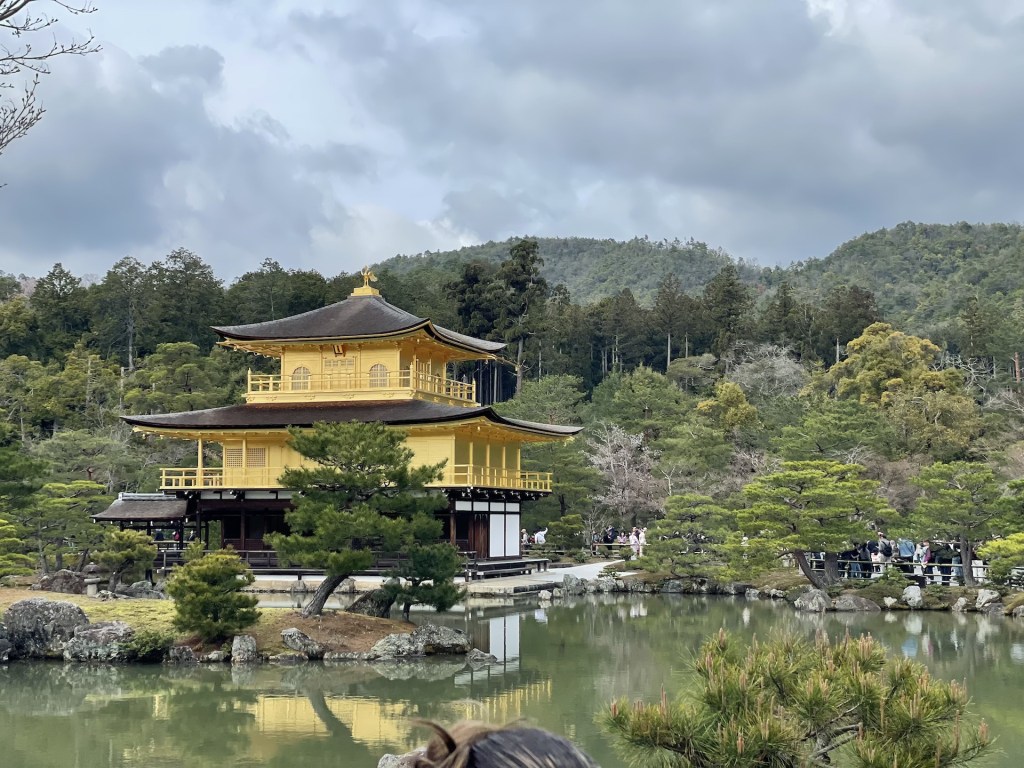
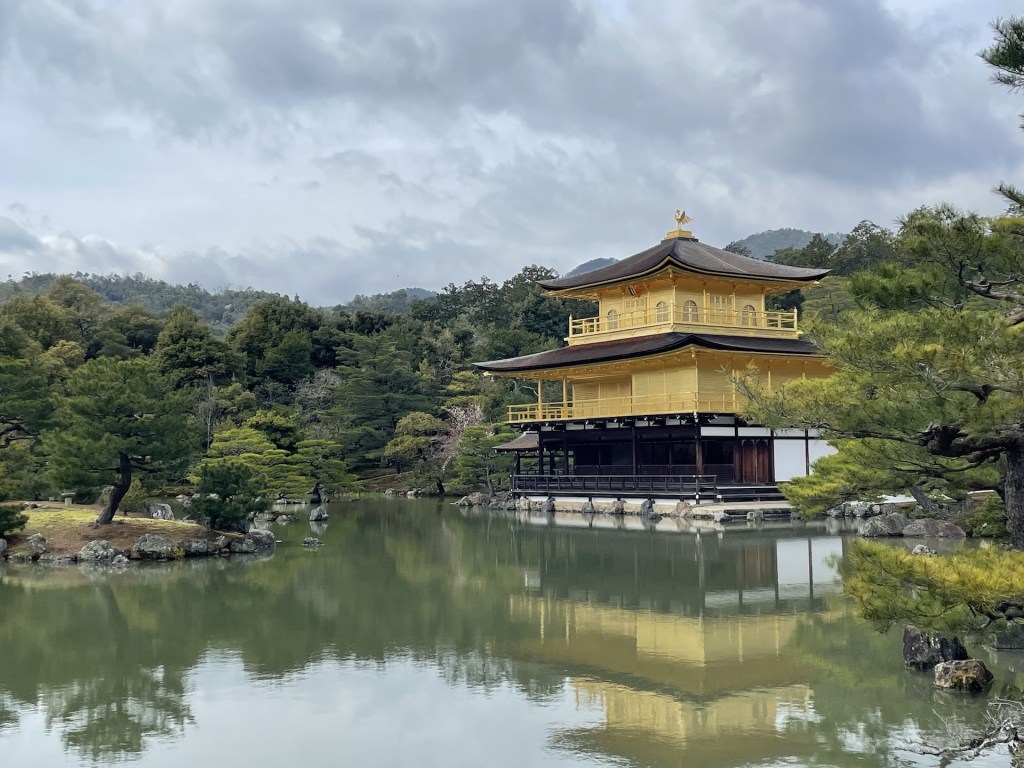

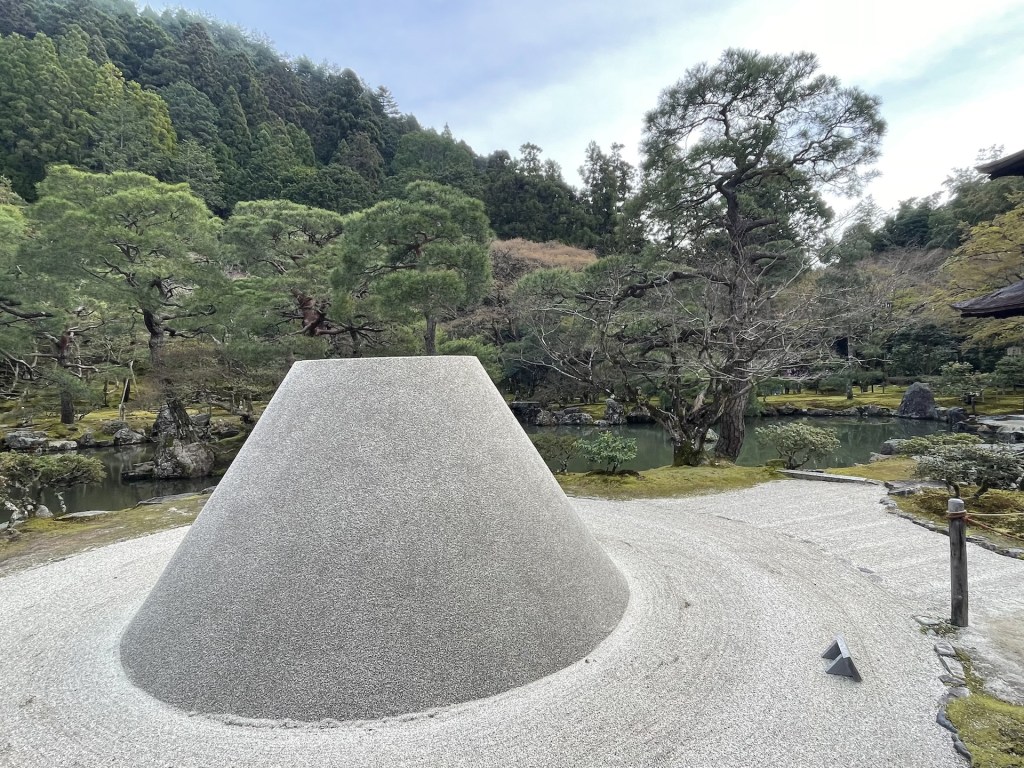
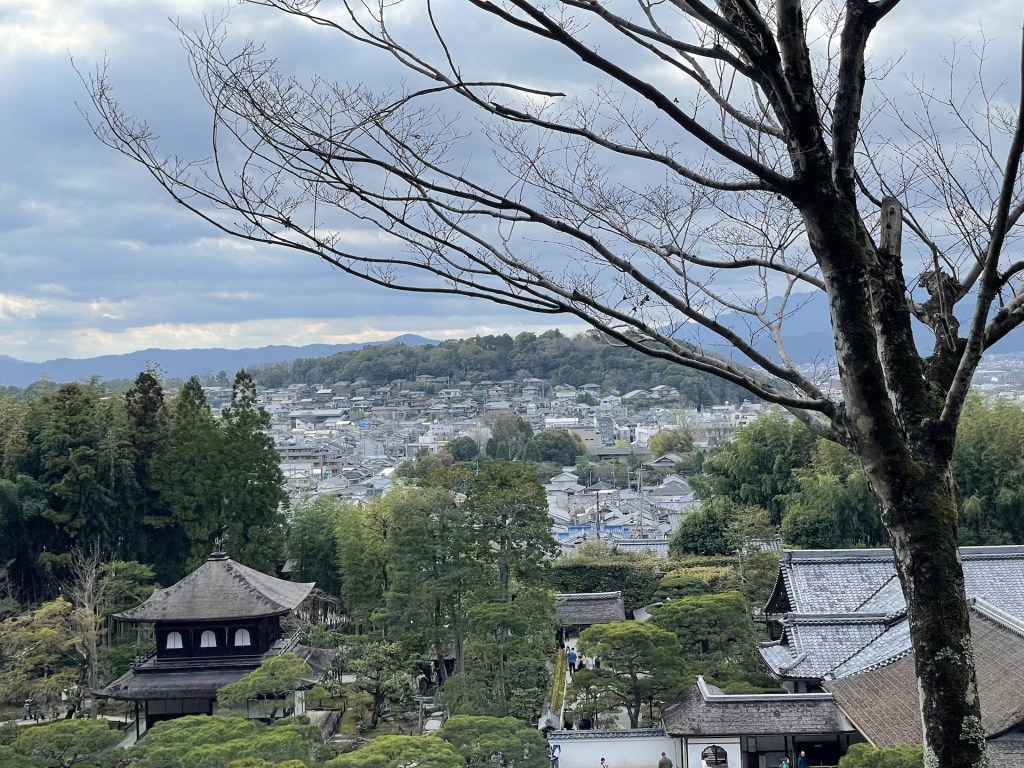
Another temple worth visiting is the Ginkakuji, which was modeled after the Kinkakuji. This was the retirement villa of Ashikaga Yoshimasa, another military ruler. It’s also known as the Silver Pavilion— -even though it’s not plated with silver. Some say it’s because it looks like silver when the moonlight reflects on its dark exterior, but I dunno, that seemed completely made up haha. On this same complex, there’s a dry sand garden, a couple of smaller temples, and you can climb up a small hill for a good view. I actually liked this one better than the Golden Pavilion.

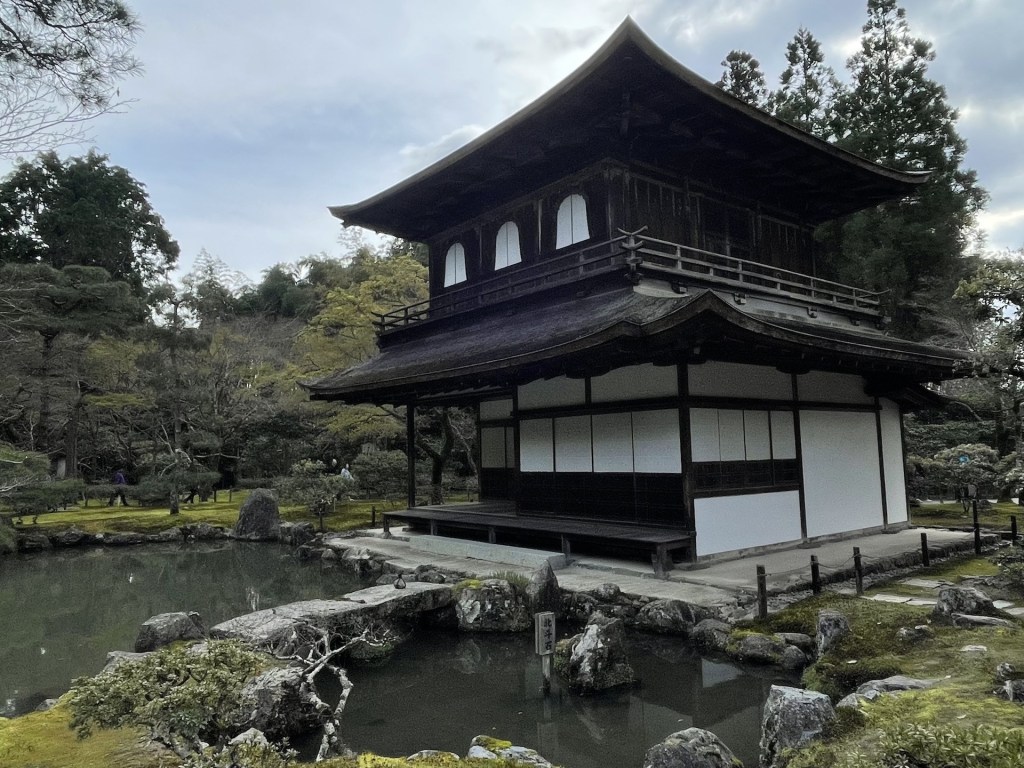
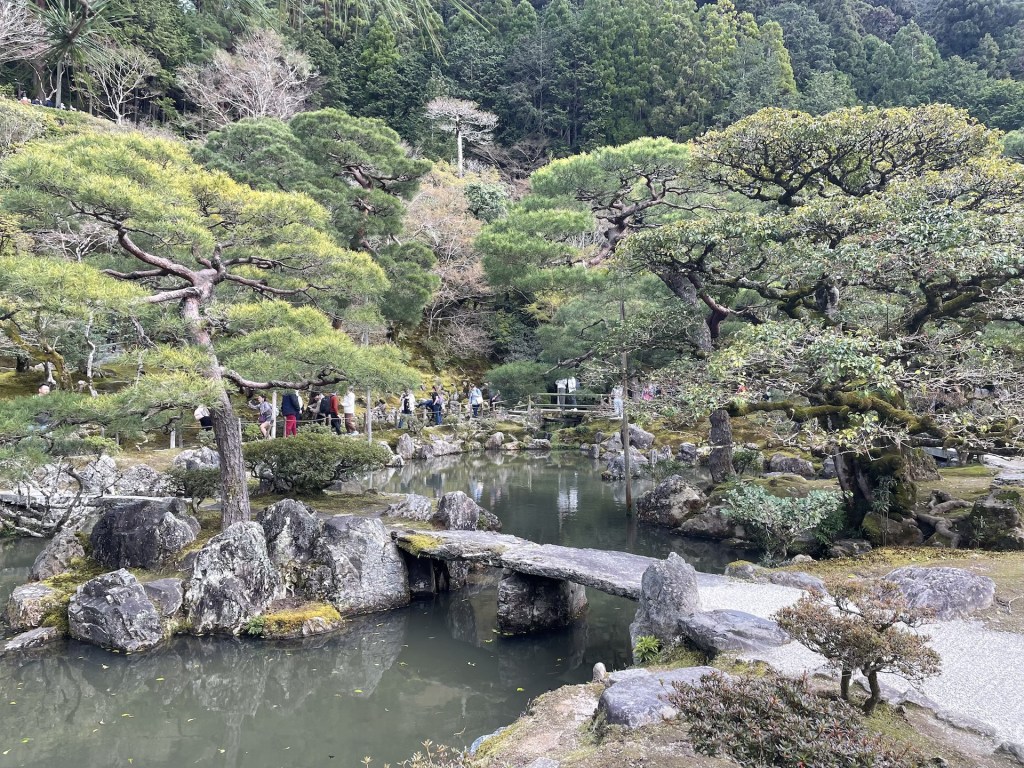

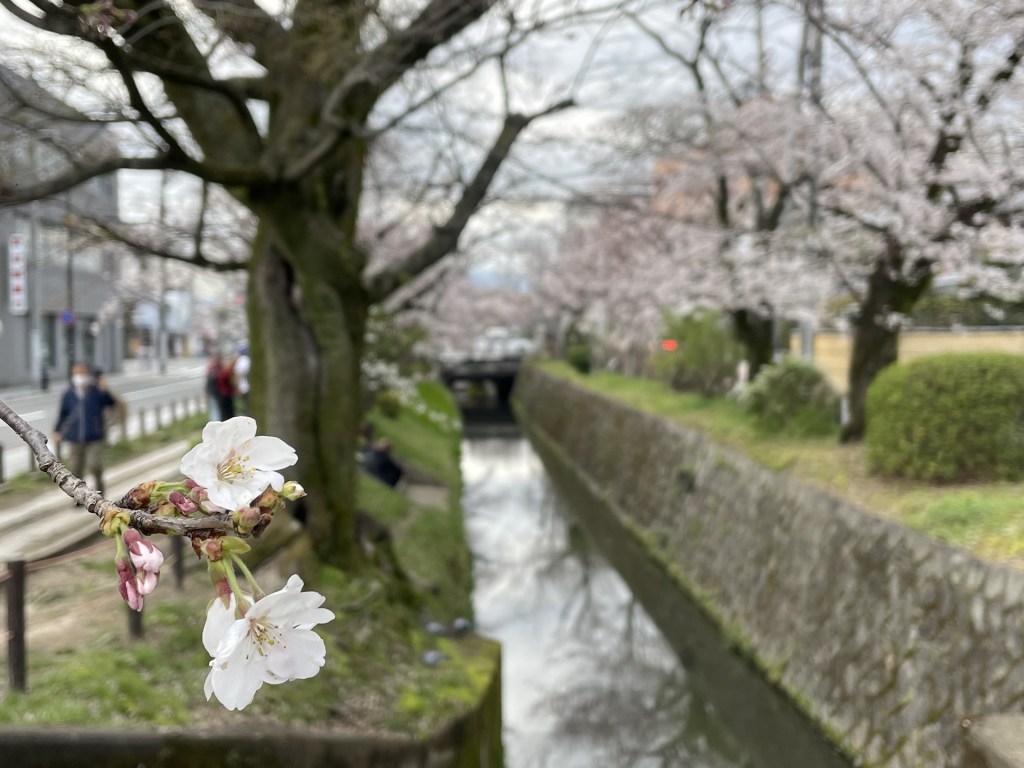
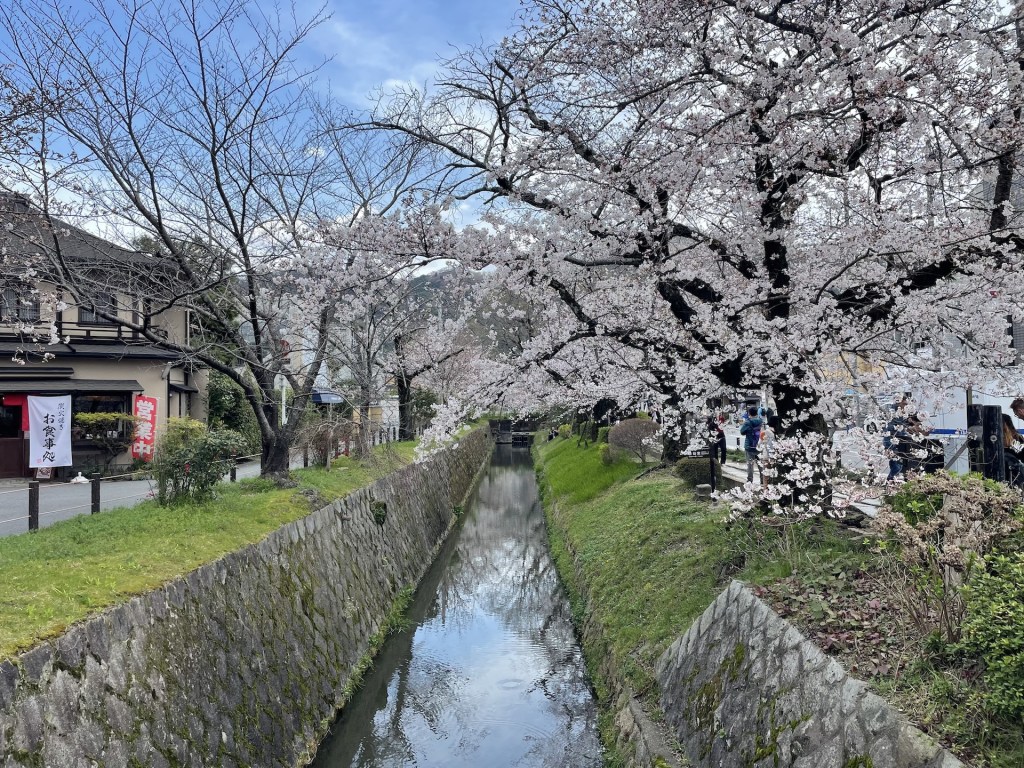
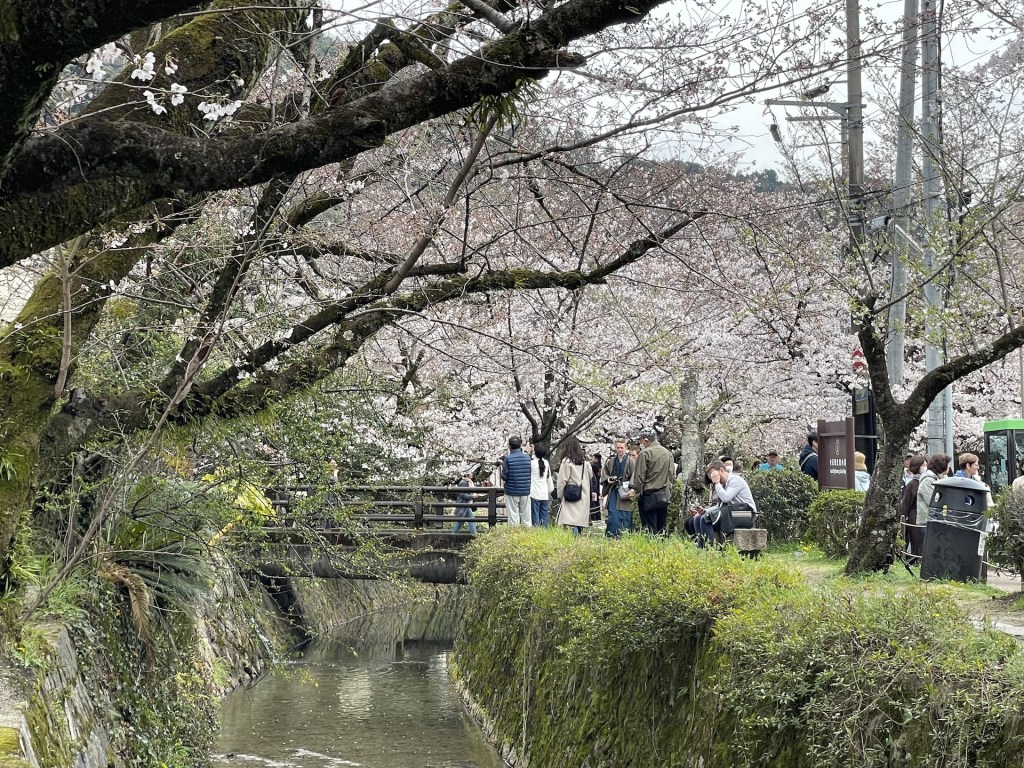
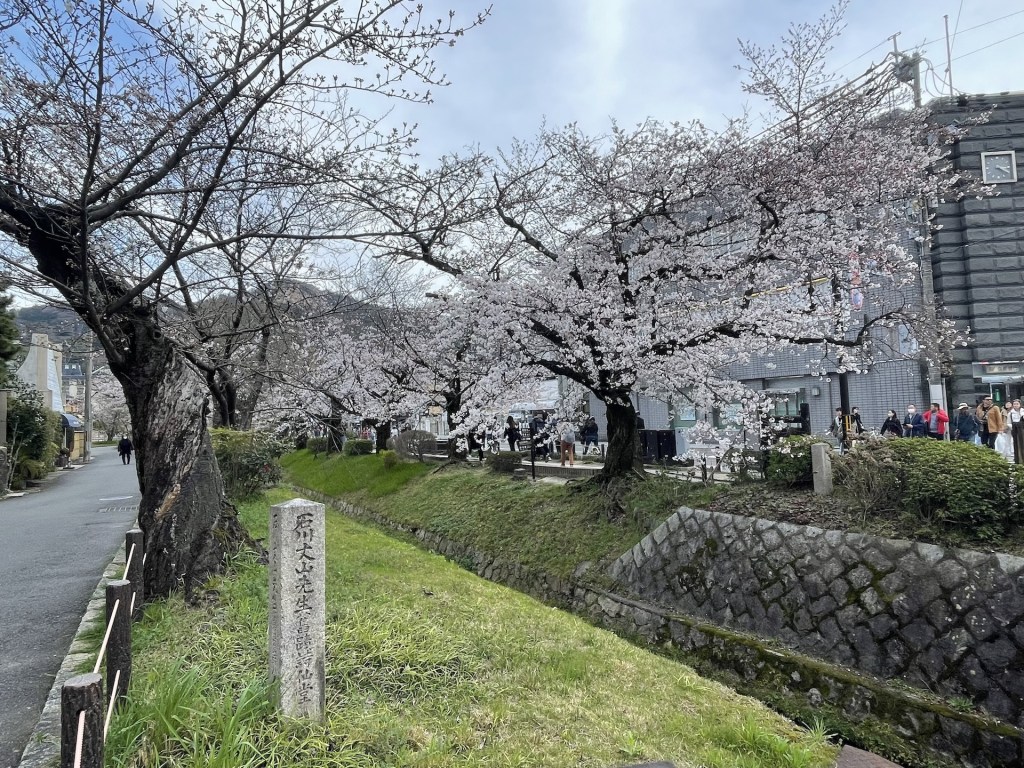
On the way here, you’ll most likely pass through the Philosopher’s Path. If you’re heading to Japan during the Sakura season, this is one place to check out. Those cherry blossoms make this place incredibly beautiful. Keep in mind that Sakura season is peak tourist season… it’s madness lol. Revenge travel in Japan is definitely back with a vengeance.

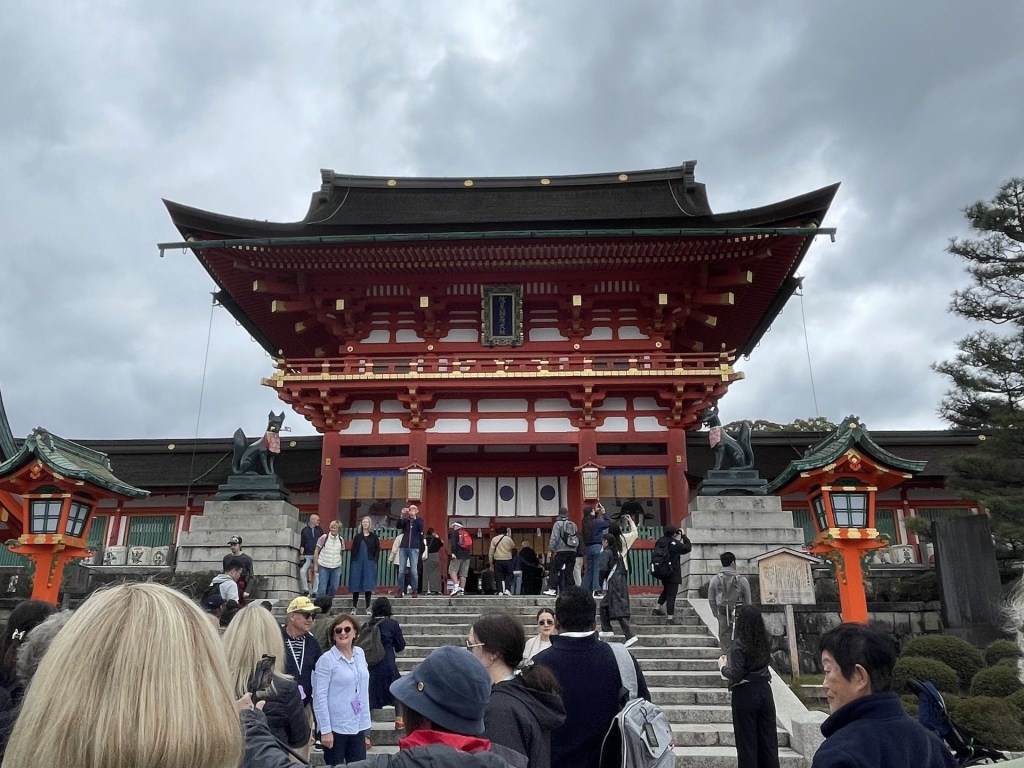
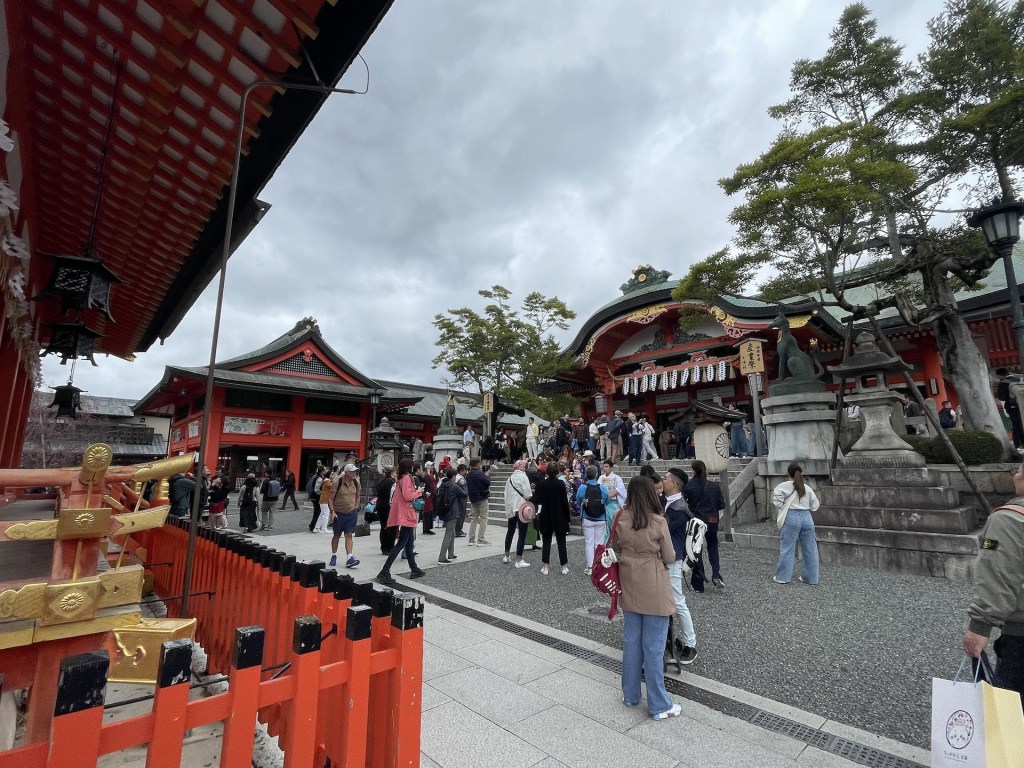
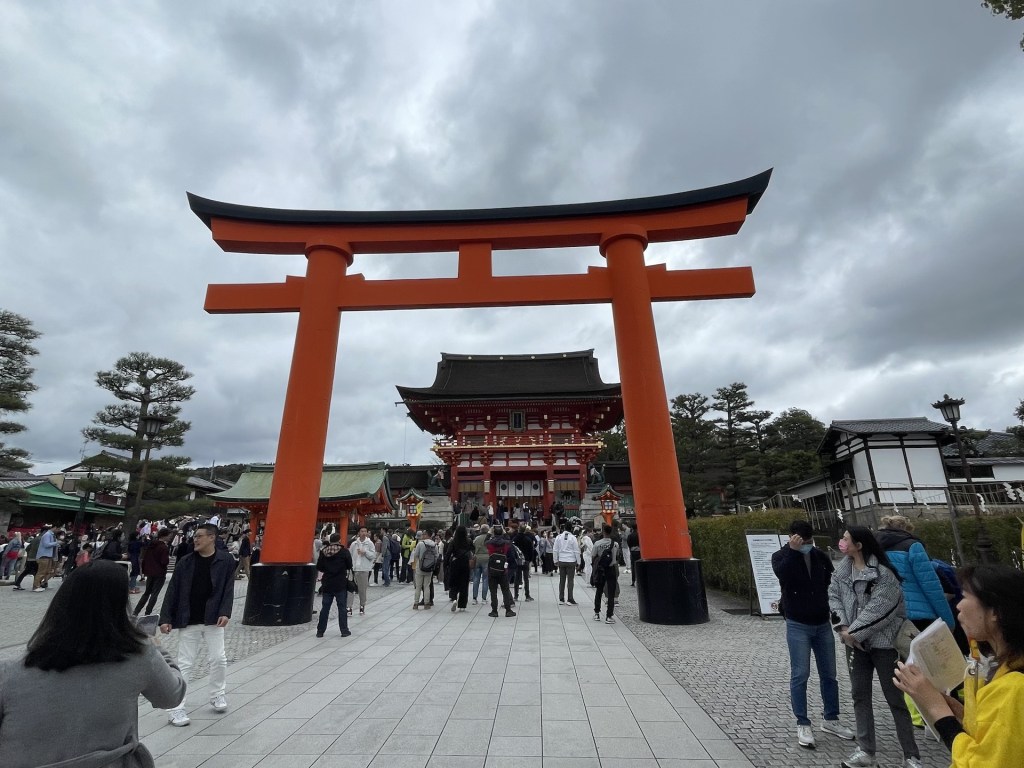
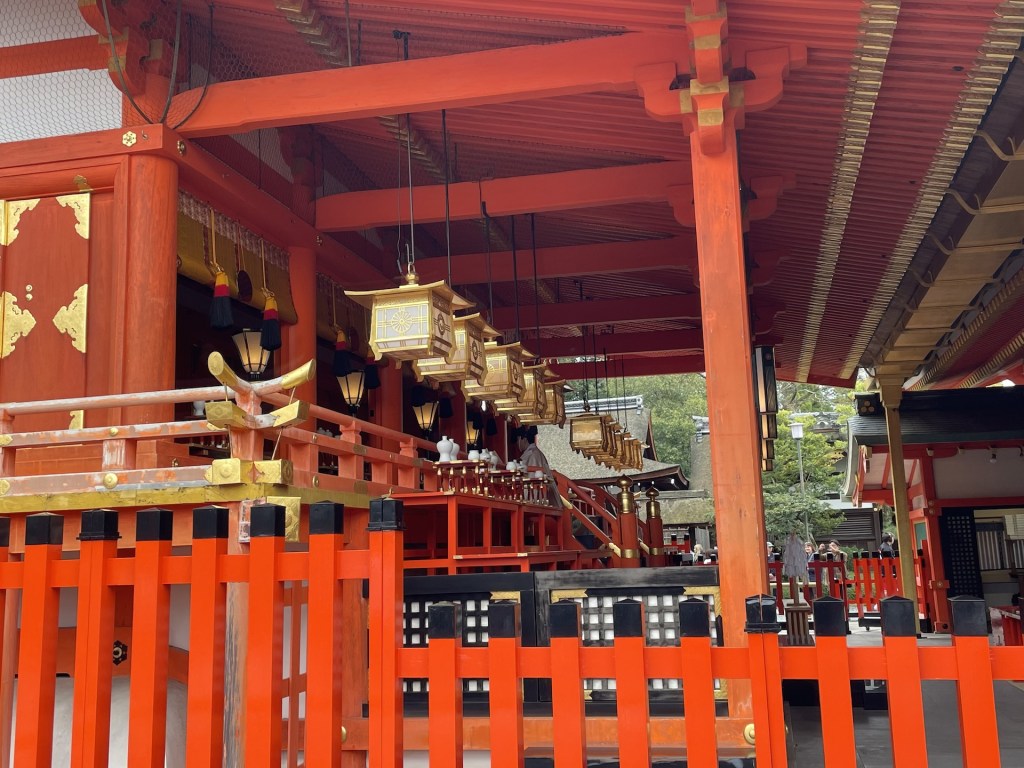
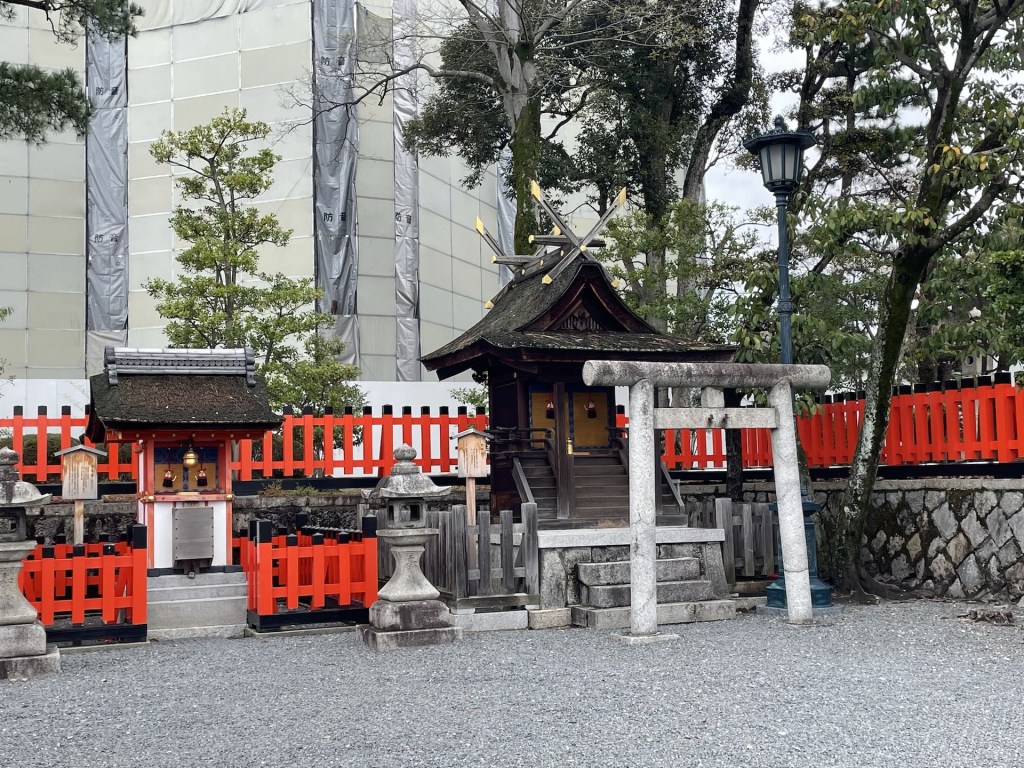
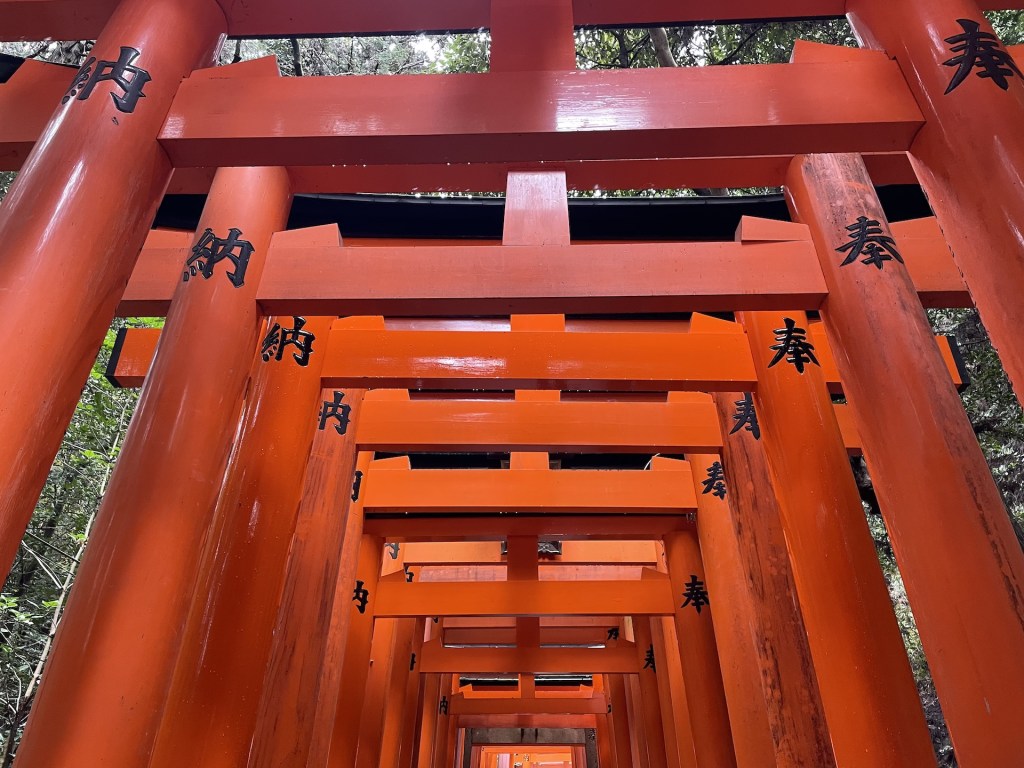
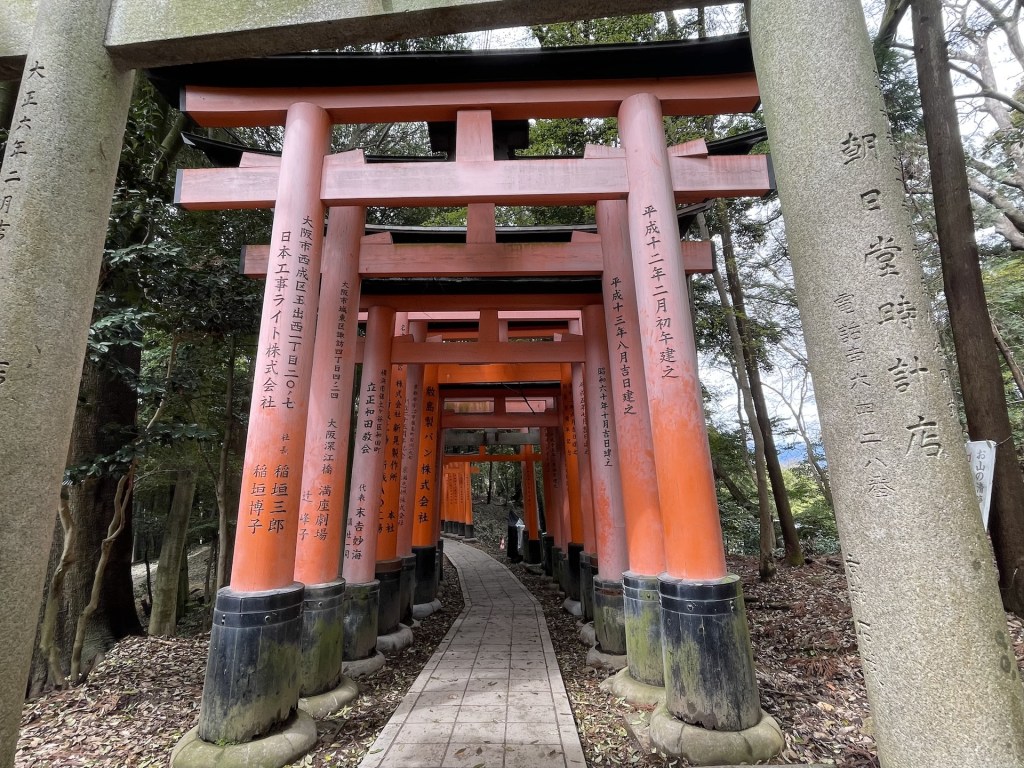
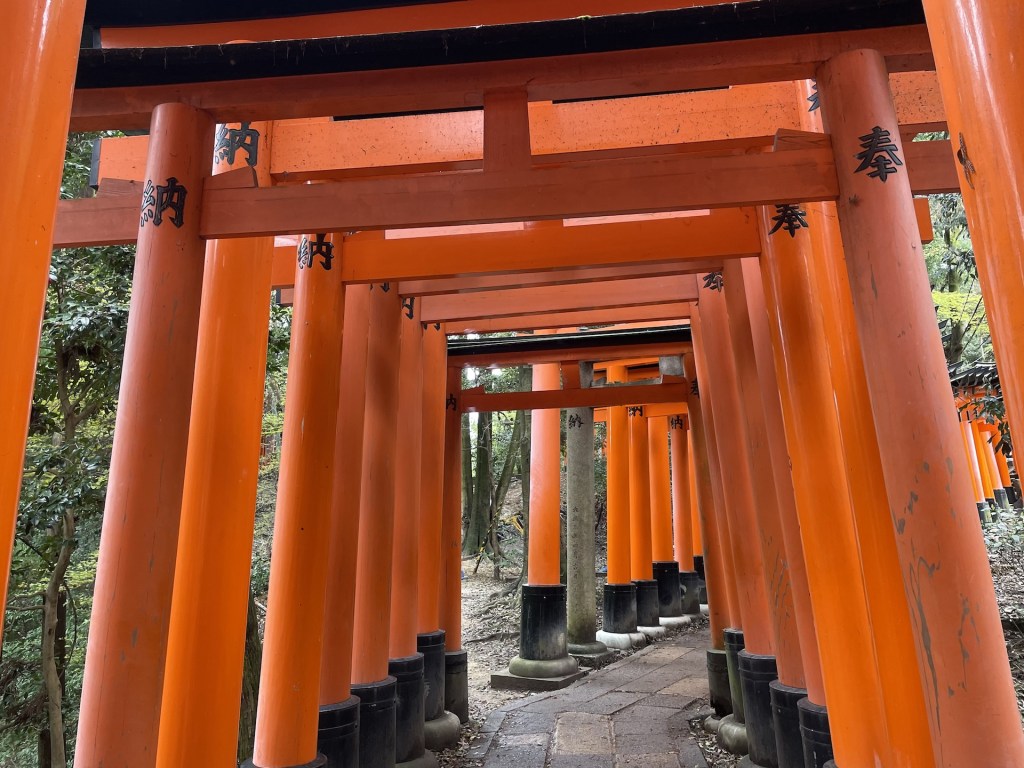
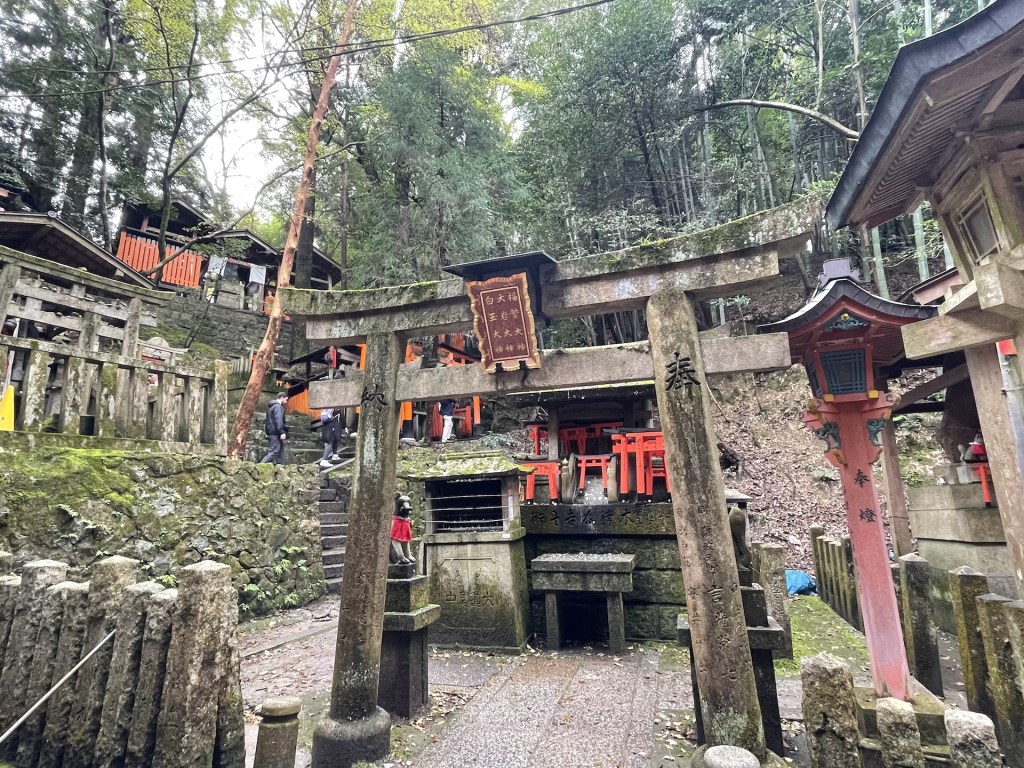
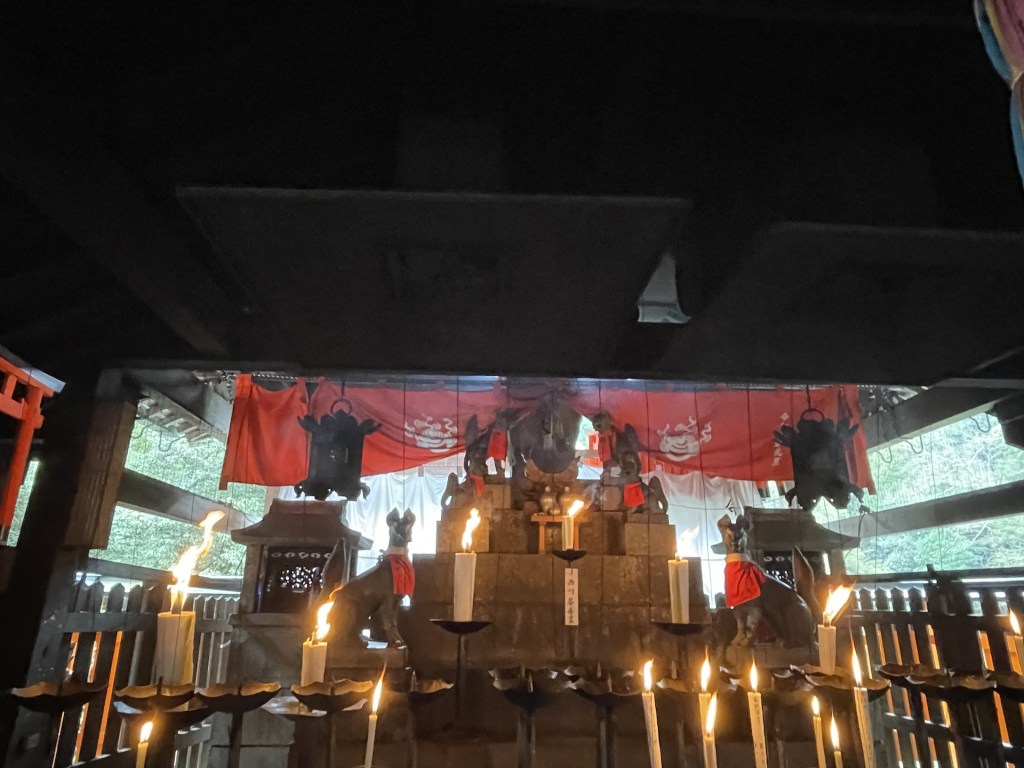
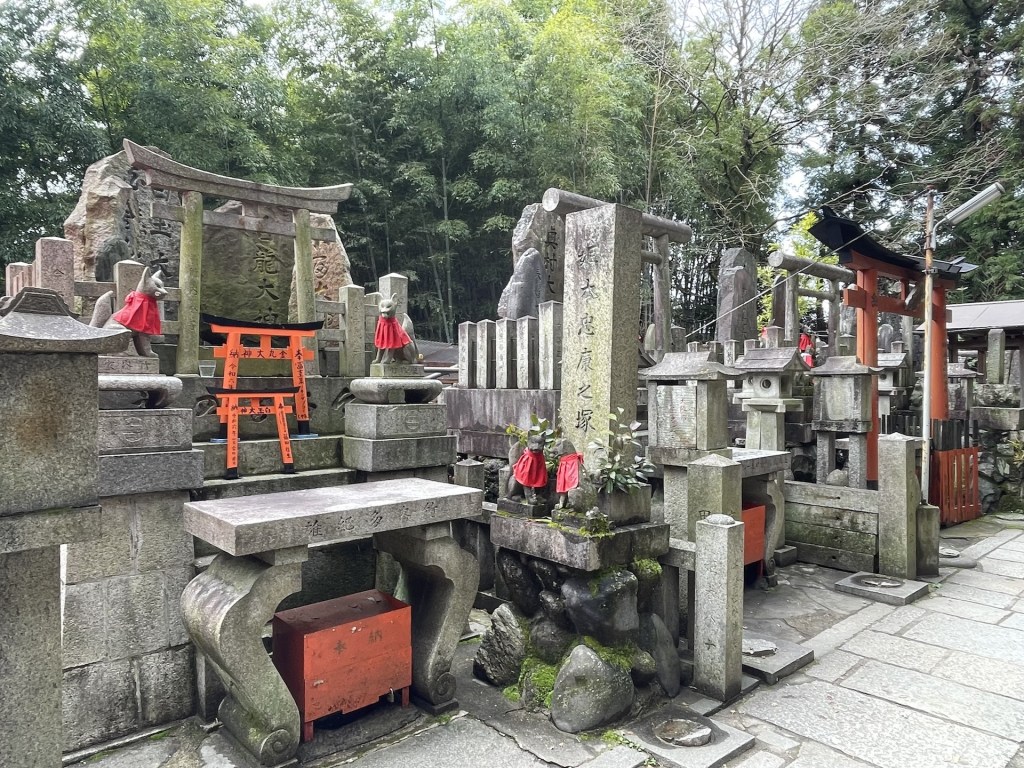
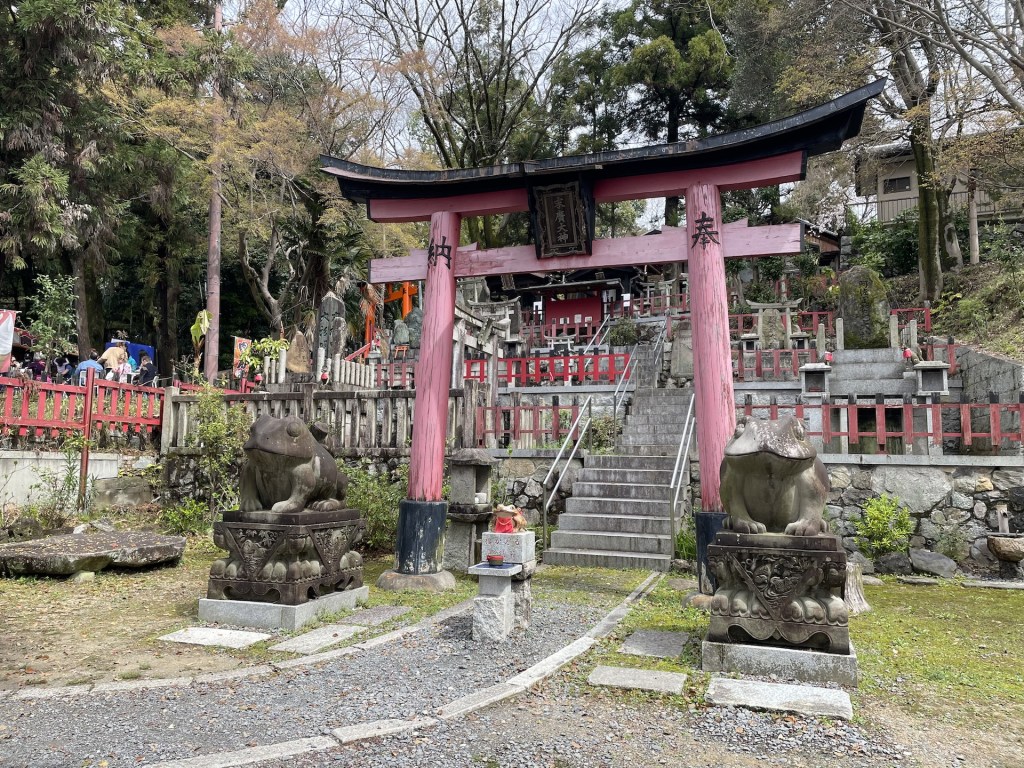
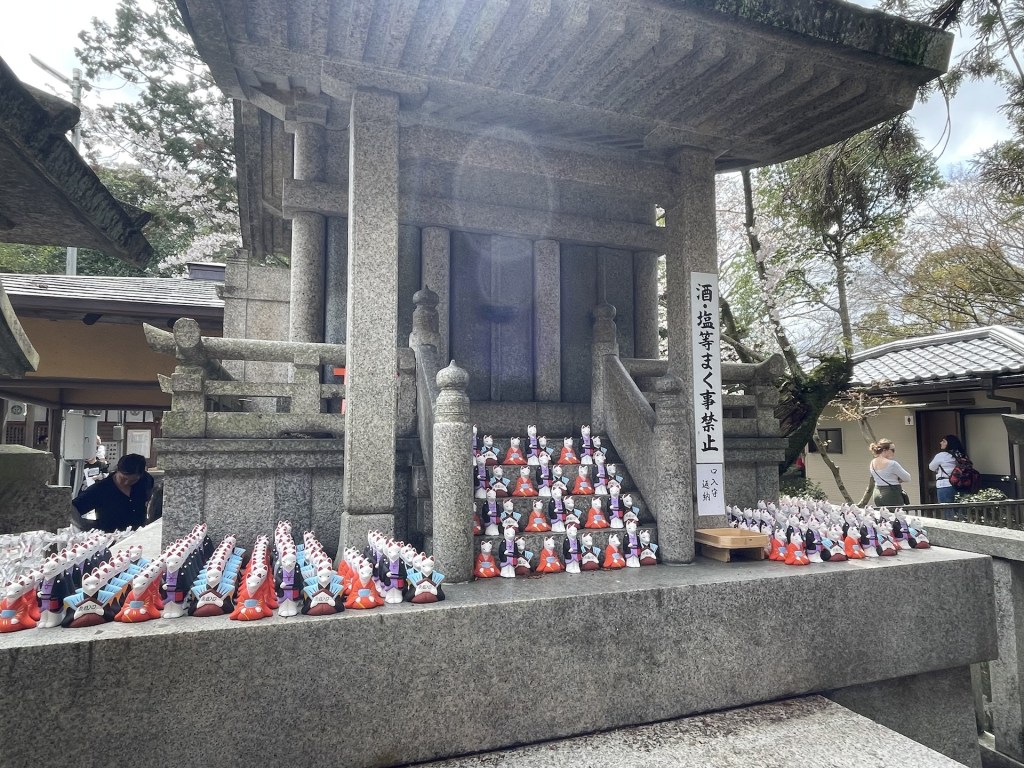
Perhaps the most famous attraction in Kyoto is the Fushimi Inari Taisha Shrine. To those traveling on a budget, you’ll be glad to know that it’s free to enter this one. It’s a shrine dedicated to Inari, the deity of agriculture and prosperity. I’m sure you know this one. Those distinct orange Torii Gates are all over social media. It’s actually a huge complex, there’s lots to see, but everyone seems to crowd the Torri Gates just to take those obligatory shots for the gram. People were barely moving at the beginning of these gates, it was crazy. Good thing there’s a path right beside it so I was able to make my ascent quickly. This path was practically empty. If you really have to take one of those pictures, here’s a tip. Everyone crowds at the beginning of the gates, but very few people make it all the way up. So walk on the path adjacent to the gates, eventually the crowd is gonna thin out, you’ll be able to walk through the gates again. Keep climbing up, eventually there’ll be no other people. You’ll be free to take as many shots as you like lol. Alternatively, you could go at night. This place is open for 24 hours, and most people visit during the daytime.

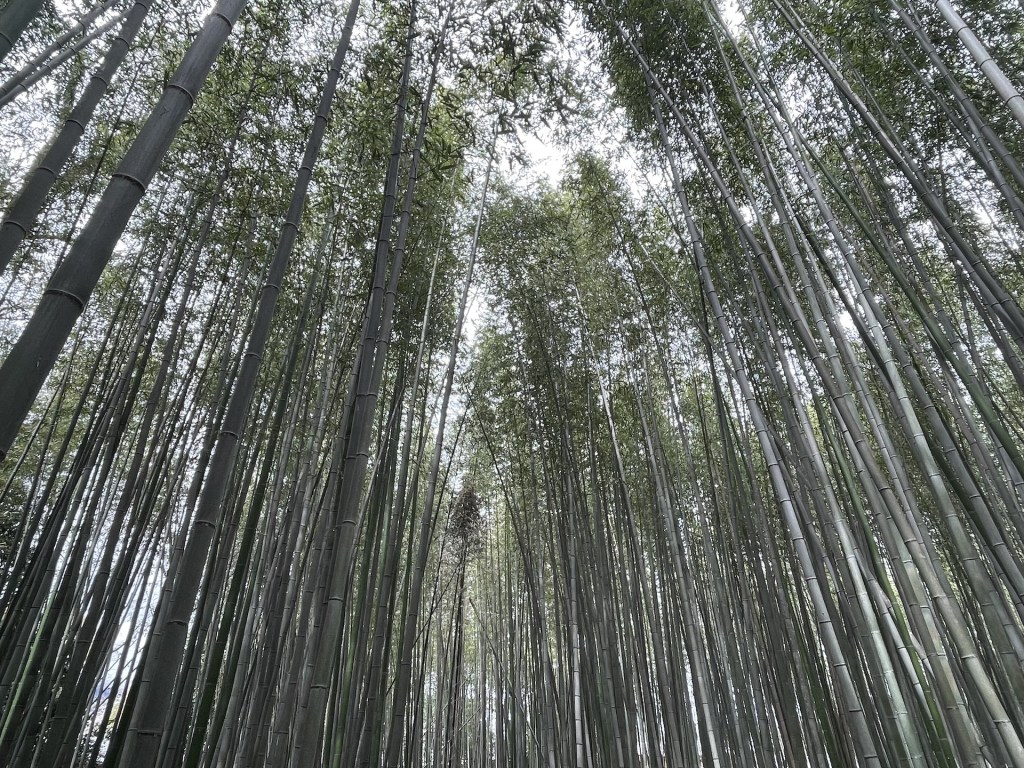
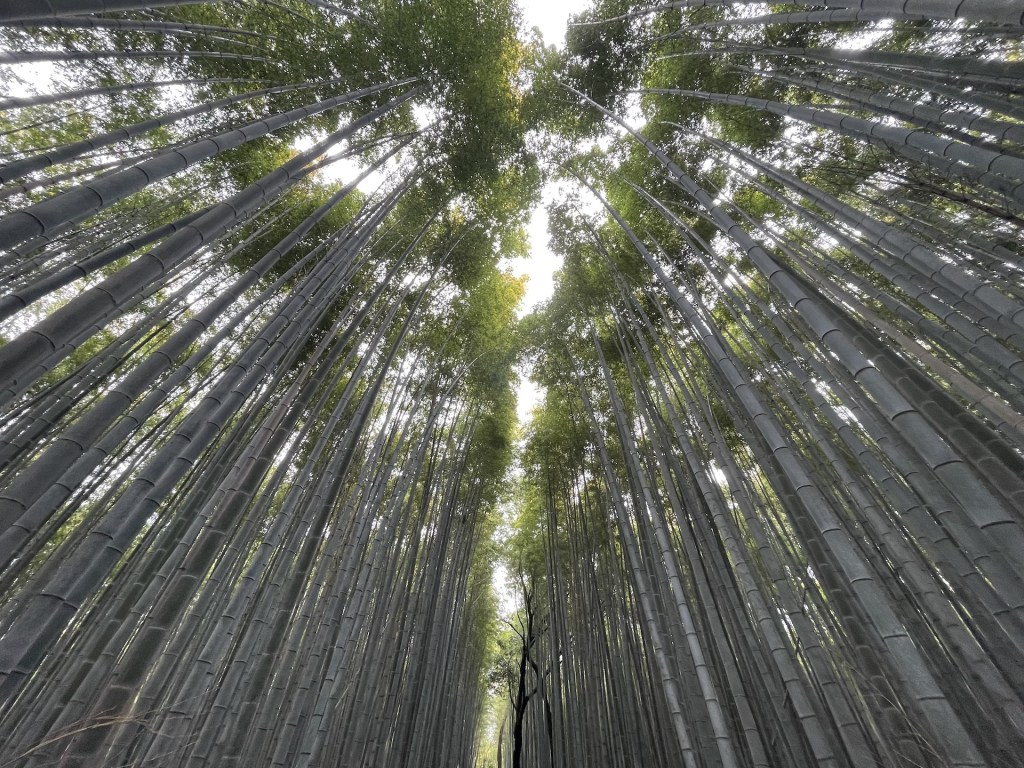
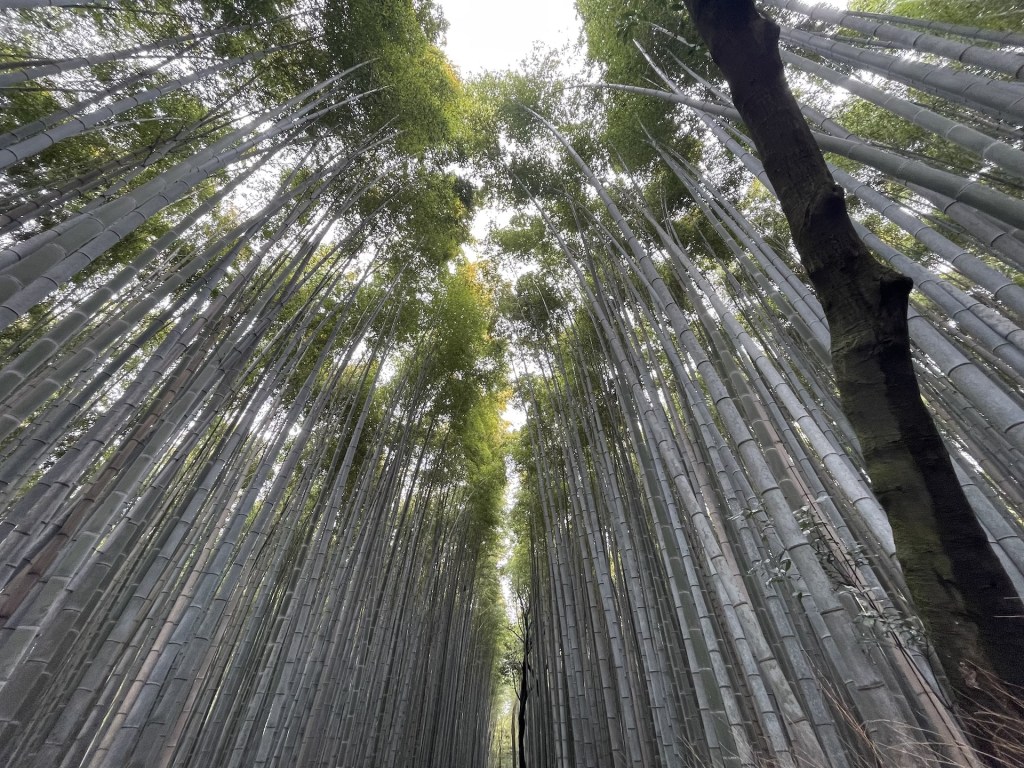
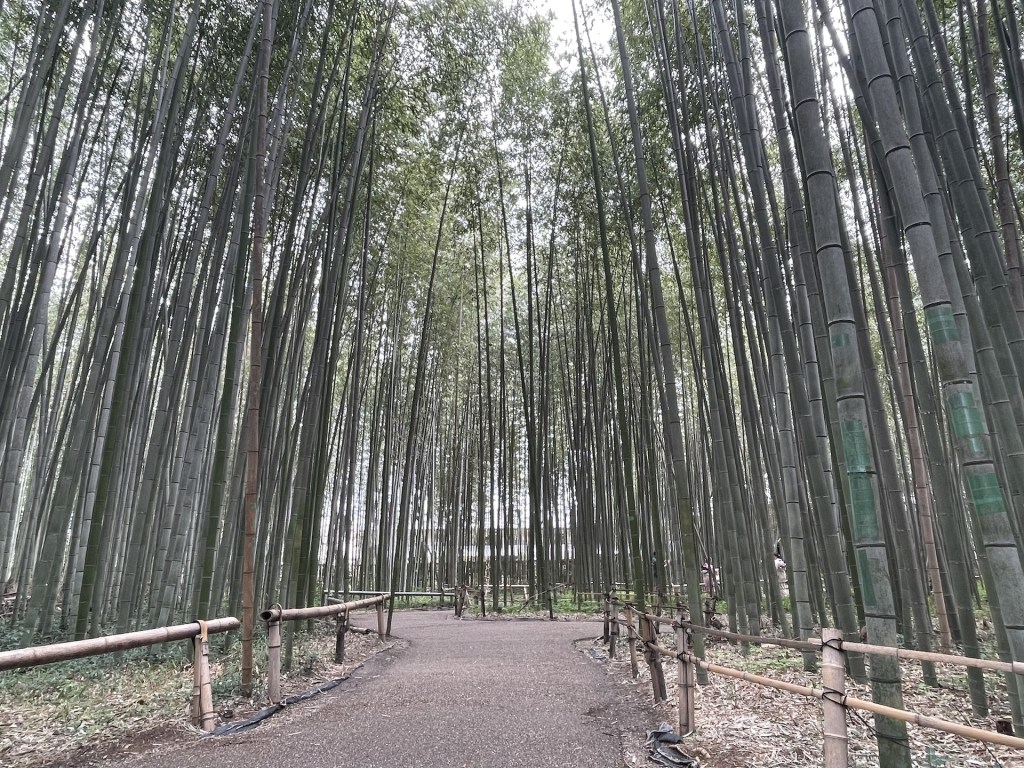
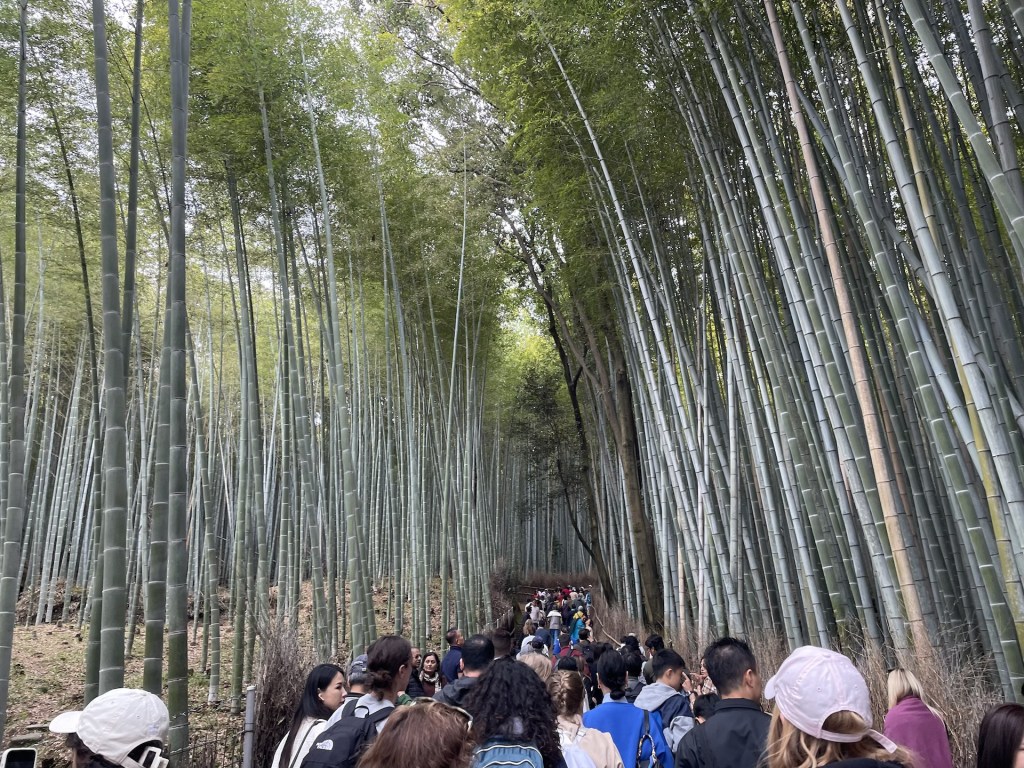
Another very popular attraction is the Arashiyama Bamboo Grove. This one is also all over social media, and as expected, it’s very crowded. Everyone needs to have that obligatory Arashiyama picture. Personally I don’t get the appeal. I guess it’s because I’ve seen many bamboo forests, and this one looks similar to all the rest lol. This place is also free to enter, and it’s also open 24 hours. If you want to avoid crowds, visit at the crack of dawn, you’ll surely be able to get a picture without hordes of people in the background. Wake up real early for the gram. It’s quite a long walk from the nearest train station/ bus stop, but it’s easy to find. As I’ve mentioned earlier, Google Maps is very reliable in Japan.

There’s so much more to see in Kyoto, 2 days isn’t really enough— this is one reason why I don’t really recommend just doing a day trip to Kyoto if you’re more into historical stuff. But I guess if you want to see a lot and one day isn’t enough, you could do another day trip the next day. Seems like a lot of effort though, you might as well spend a night or two there.
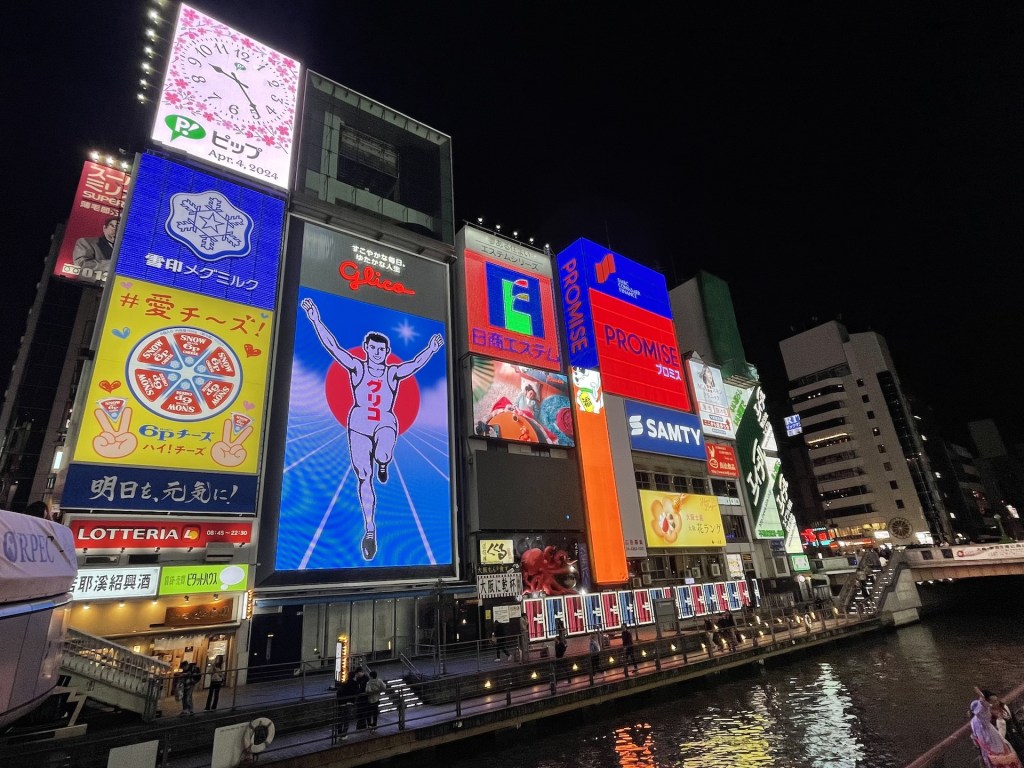
As i’ve mentioned earlier, if historical sites aren’t your priority, then Osaka would be the ideal city to base yourself. There are lots of shops here, including novelty shops, so it’s great if you plan to do a lot of shopping. The night life kicks ass too, especially on Fridays and Saturdays. There are dive bars, karaoke bars, nightclubs.. you name it. Osaka is famous for its food scene too. There’s so much variety, you could spend all day trying out different and unique street food. Don’t just head to Dotonbori to take a picture of the Glico Running Man. Check out the many restaurants in the area! Also, because of Universal Studios, Osaka seems to be the ideal choice if you’re traveling with family and young kids. Most young kids wouldn’t be able to appreciate those old temples…


Unless you bring them to Nara. It’s easy to do a day trip to Nara from either Osaka or Kyoto, and I’d highly recommend doing this. The trip takes about an hour by train, depending on which part of Osaka or Kyoto you’ll be coming from. Just check out Google Maps for the fastest train route from your location. It may take a transfer or two to get to the Nara Line. At the very last stop, it’s only a short walk away from Nara Park where most of the attractions are. Nara was the capital of Japan from the year 710 to 784, so it boasts a number of attractions from ancient Japan. I’ve mentioned that kids would love a day trip here because of the deer that roam freely in Nara Park. Seriously, there’s so many of them, and kids love feeding and petting these deer. At the back of my head though, I questioned how ethical all this was. There’s so many deer… are they being properly taken cared of? A lot of them were just grouped together. Some with skin disease. It’s like an overcrowded petting zoo. A lot of deer have their antlers cut off… obviously for the safety of all the tourists roaming in the park… but is that really ethical? We’re cutting off a deer’s antlers to keep people safe? I know this is a painless procedure (though looking at those reddish antler stumps, I wondered if this were 100% true), but maybe it would be better to keep tourists separated from these deer so that they may roam freely in their habitat? Tourists are the visitors here. I just feel that we should be the ones to adapt for our safety, and not the deer.
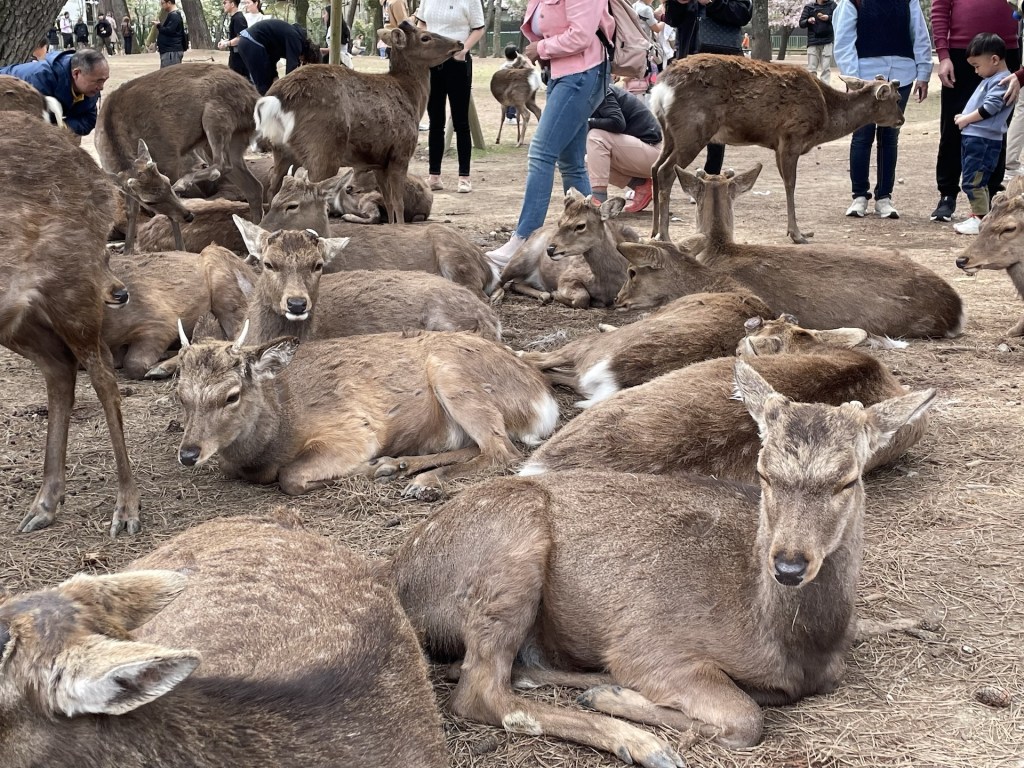
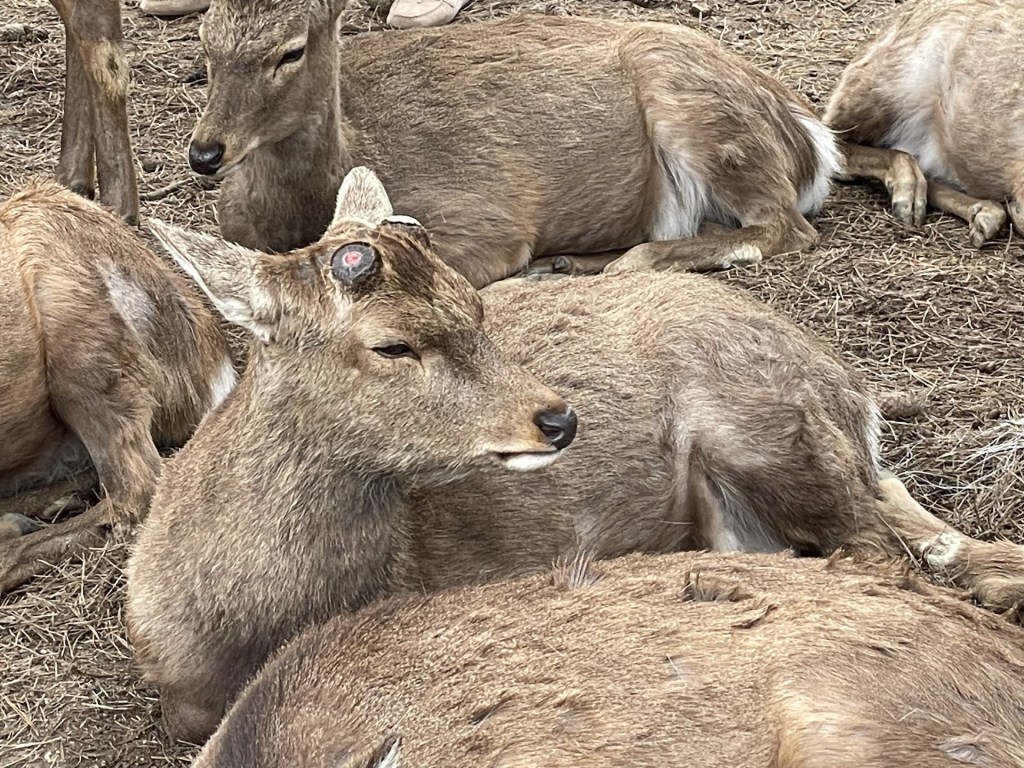
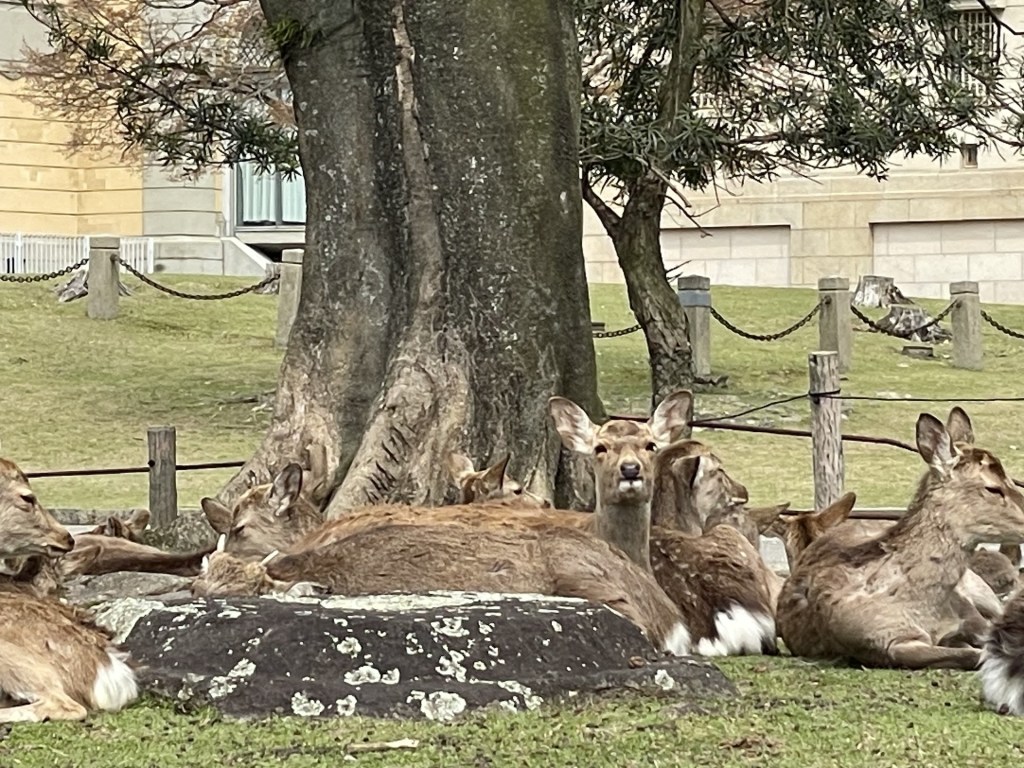
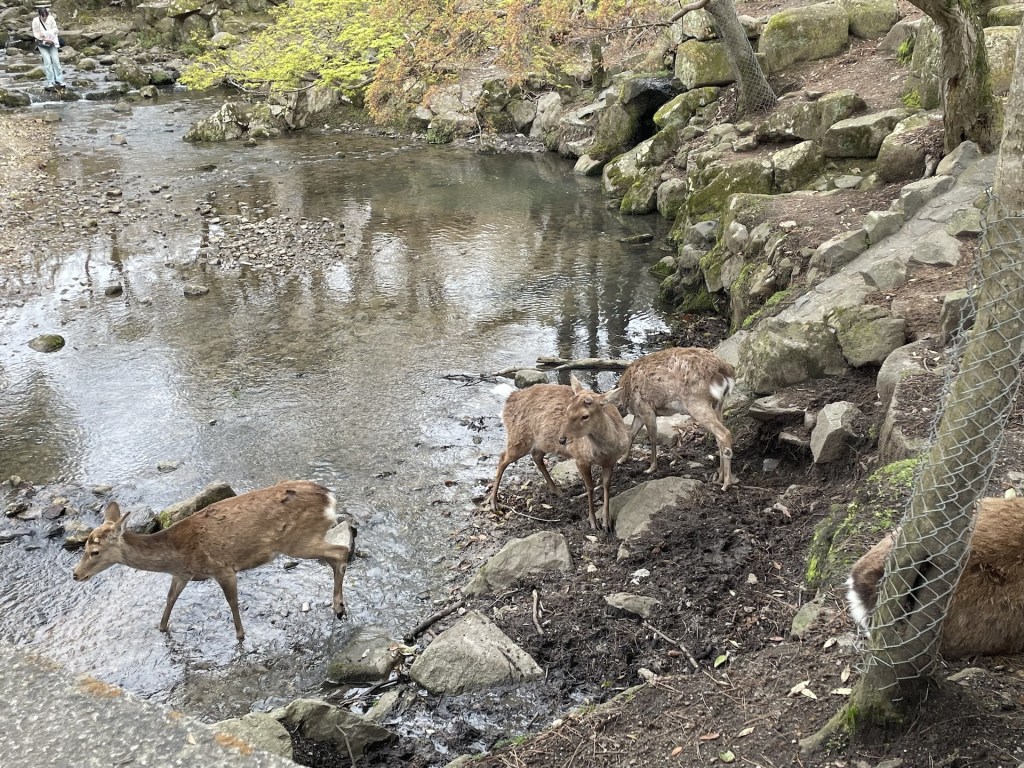
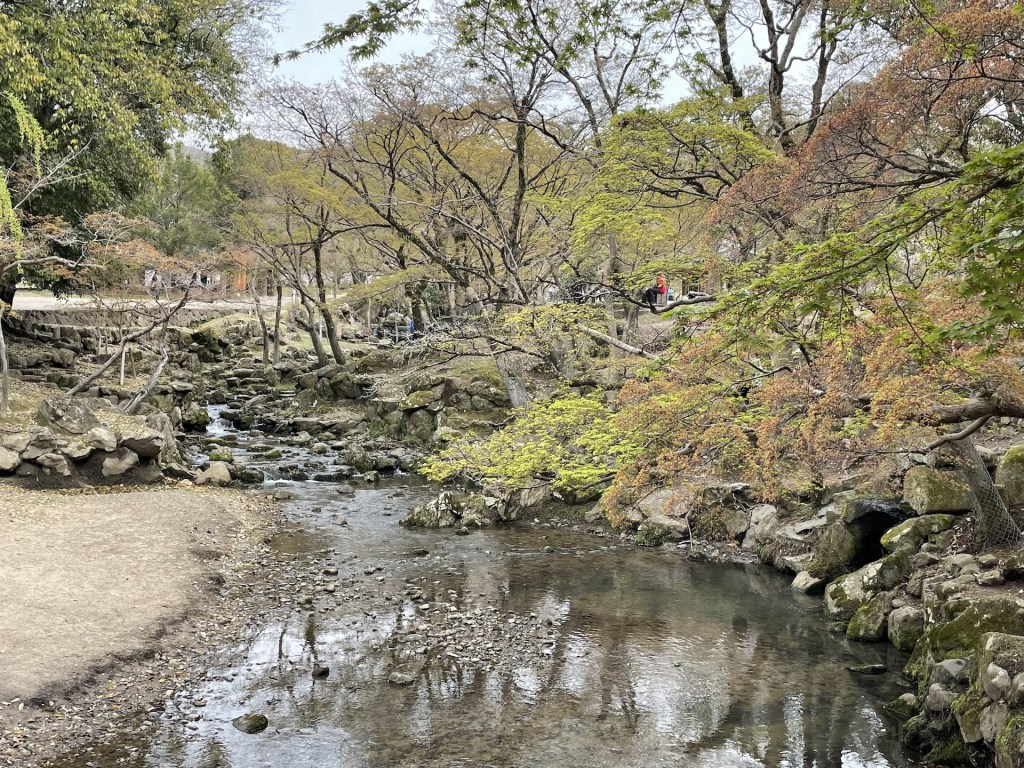
Anyway, maybe I’m overthinking this. it’s just that the conditions of a lot of these deer made me feel sad for these animals. I have to admit though, having all these deer around the temples made it a memorable experience. Once you reach the less crowded areas, the deer are in better condition.
Right by the park entrance, you’d see people selling crackers for 200 Yen a pop. These crackers are made of rice bran and wheat flour without sugar. You’re not allowed to feed these deer anything else! Now probably because these crackers have no flavoring, and probably because the numerous visitors keep feeding them the same stuff, a lot of these deer are sick and tired of these crackers. Seriously, I saw so many people trying to feed the deer, and the deer just ignored them lol. Since most of these deer aren’t interested in eating those crackers, I’d say hold off buying those. There are more vendors inside anyway. Head towards Todai-ji Temple. When you’re facing the pond in front of the temple, head to the right and you’ll find a path by the Ashoka Pillar. From here, the deer look healthier, and they’re all hungry for your crackers lol. I guess it’s because most tourists don’t head to this part of the park, so the deer aren’t sick of those generic crackers yet.
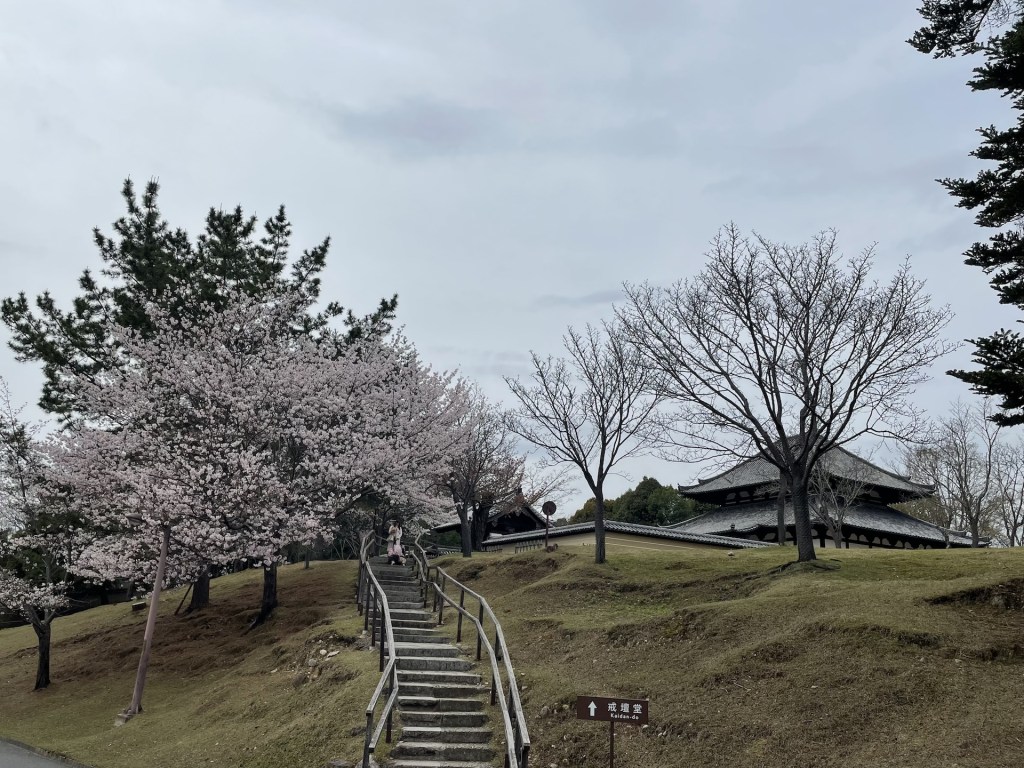
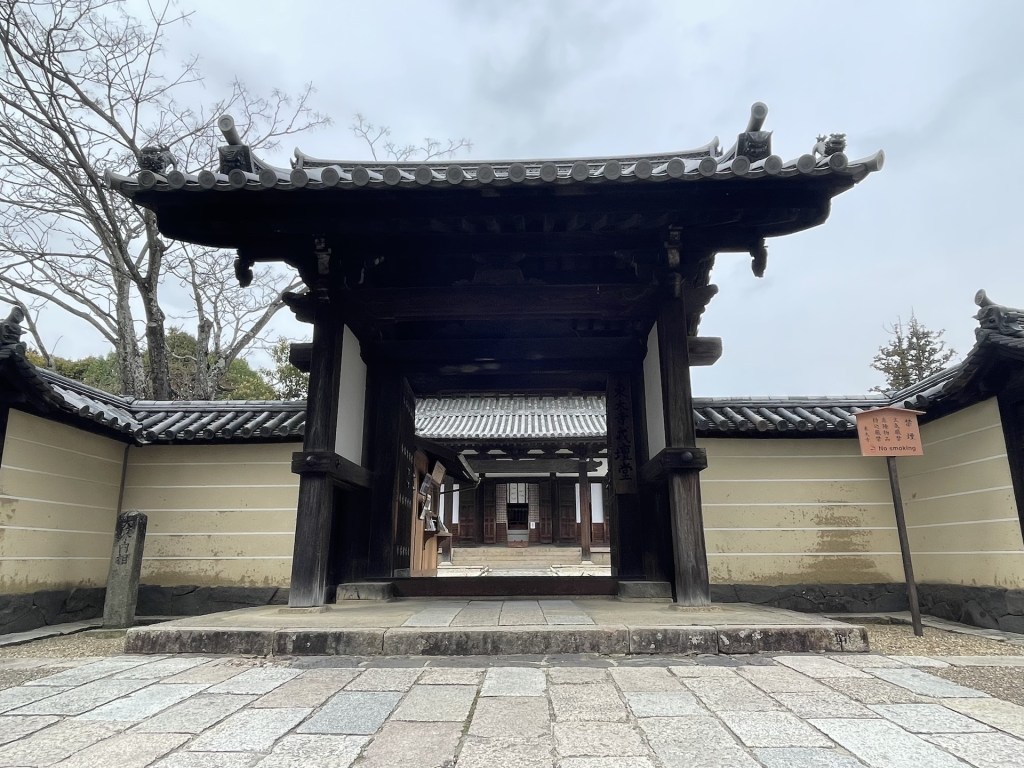
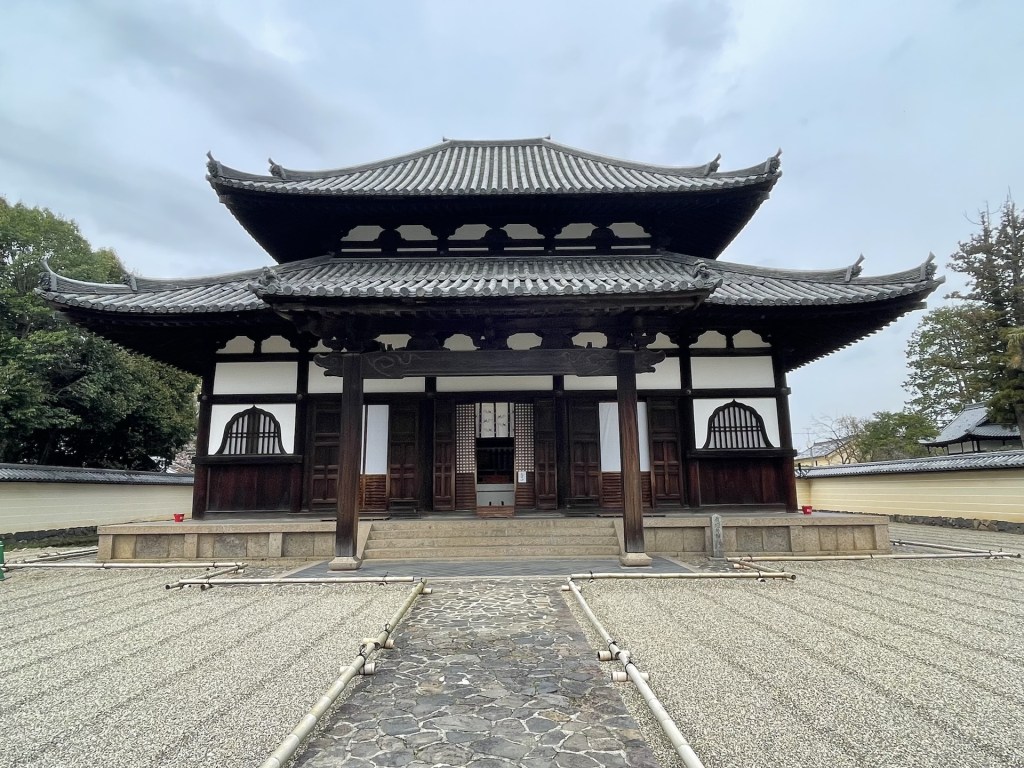

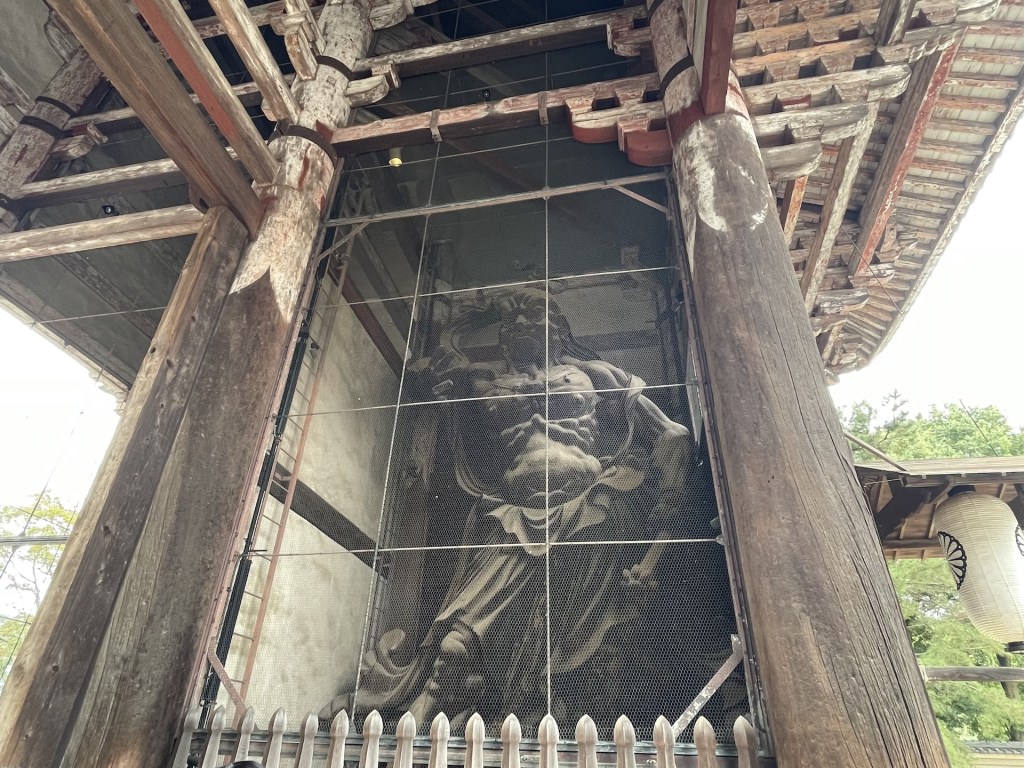
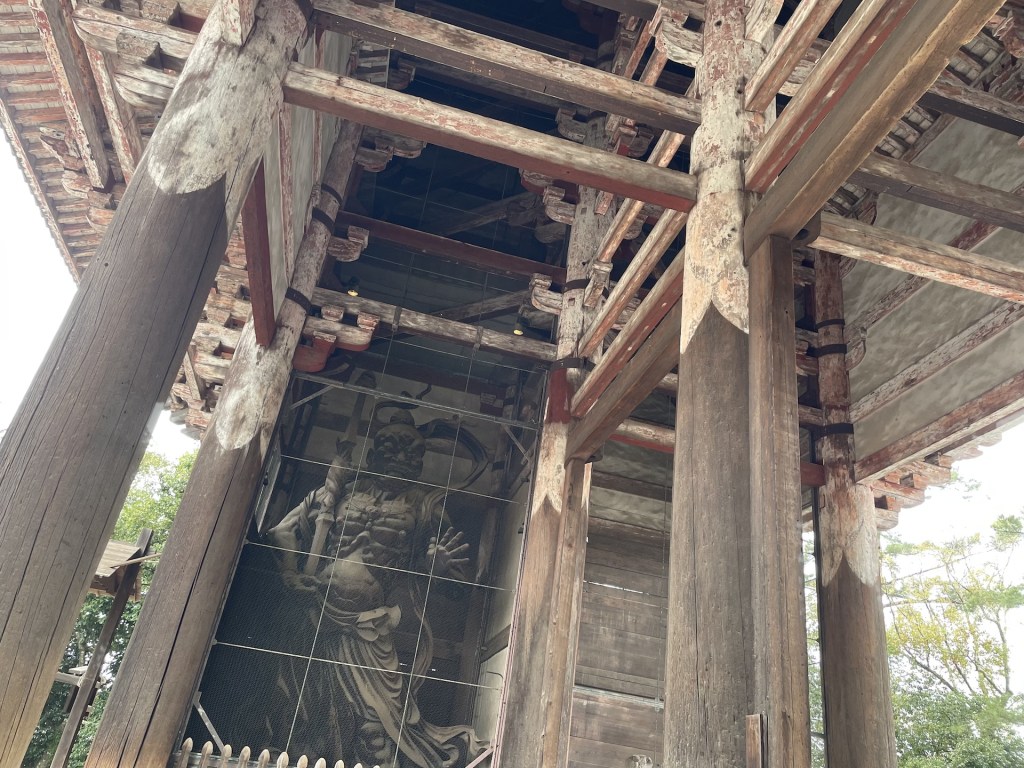
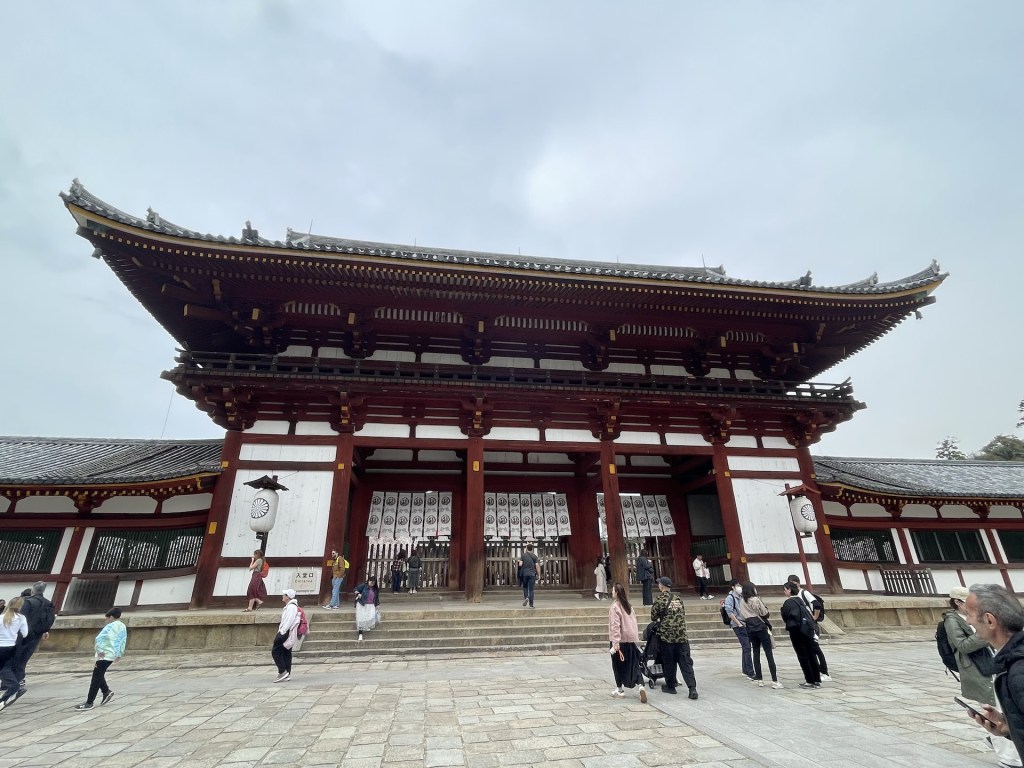

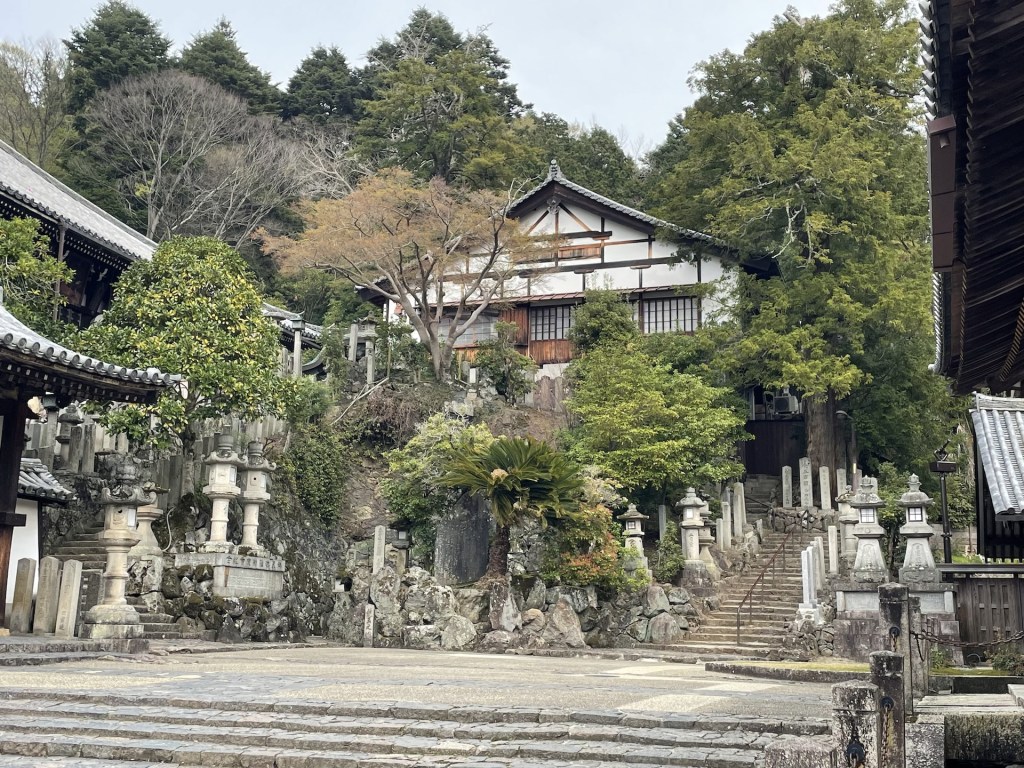
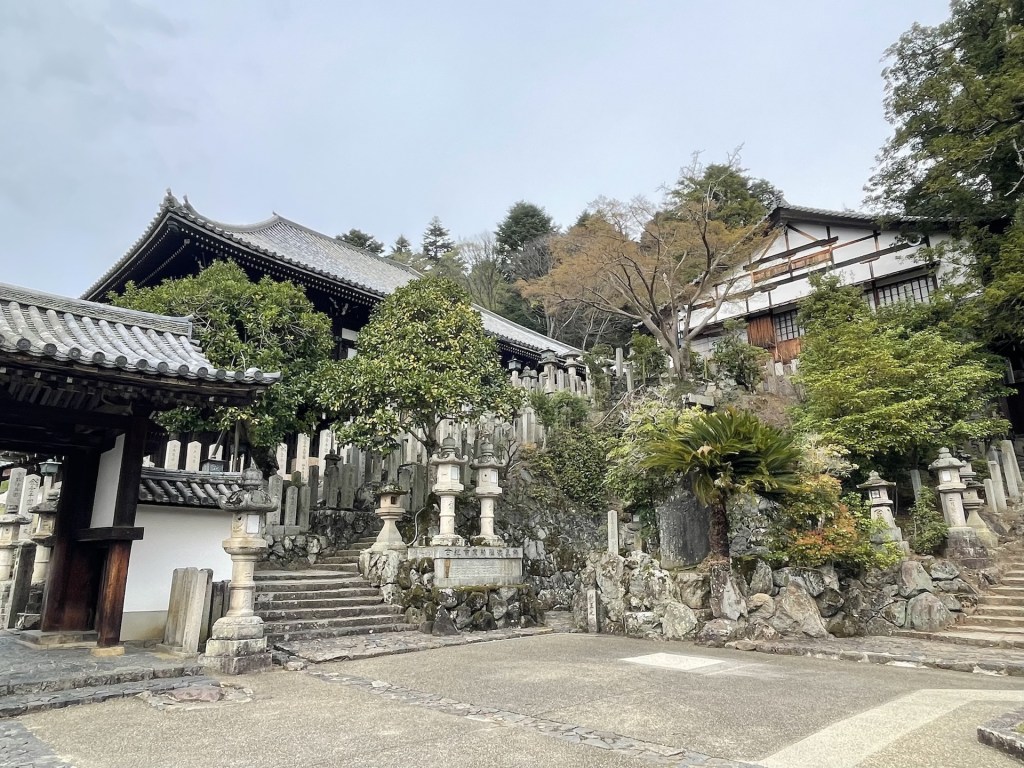

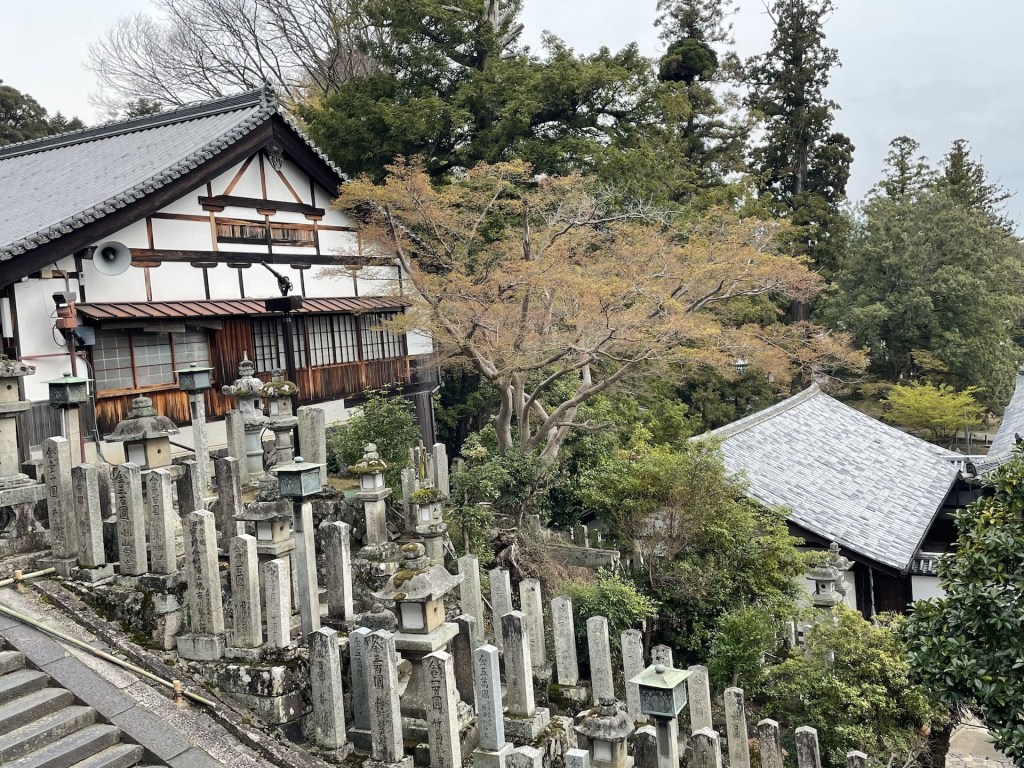
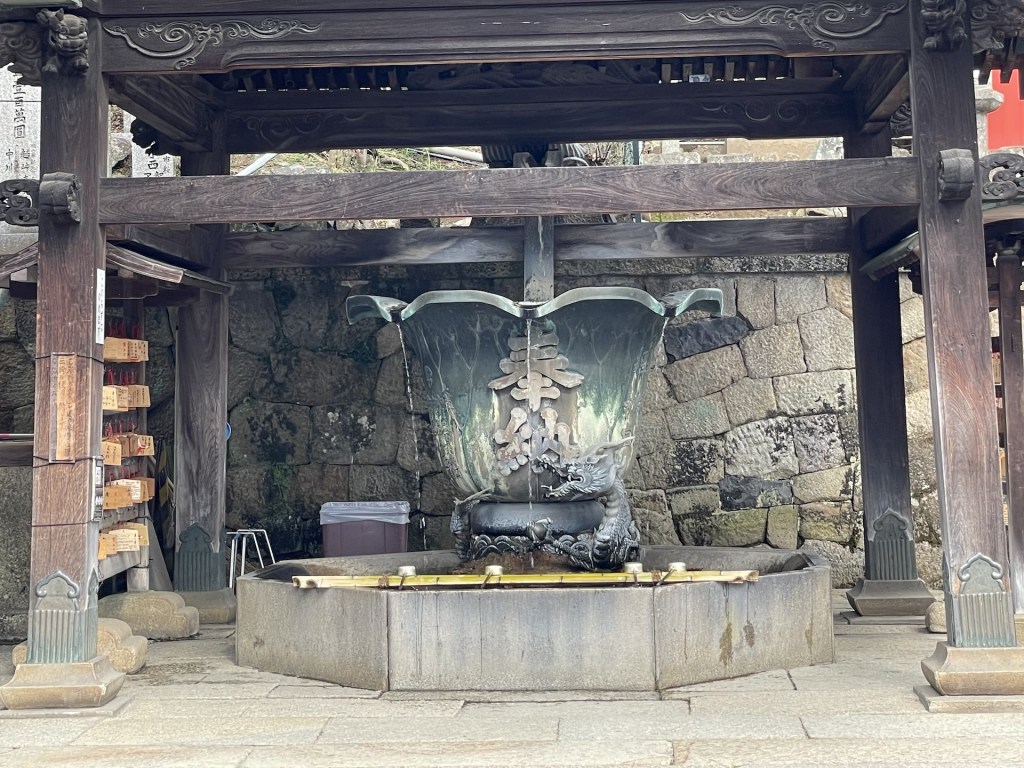
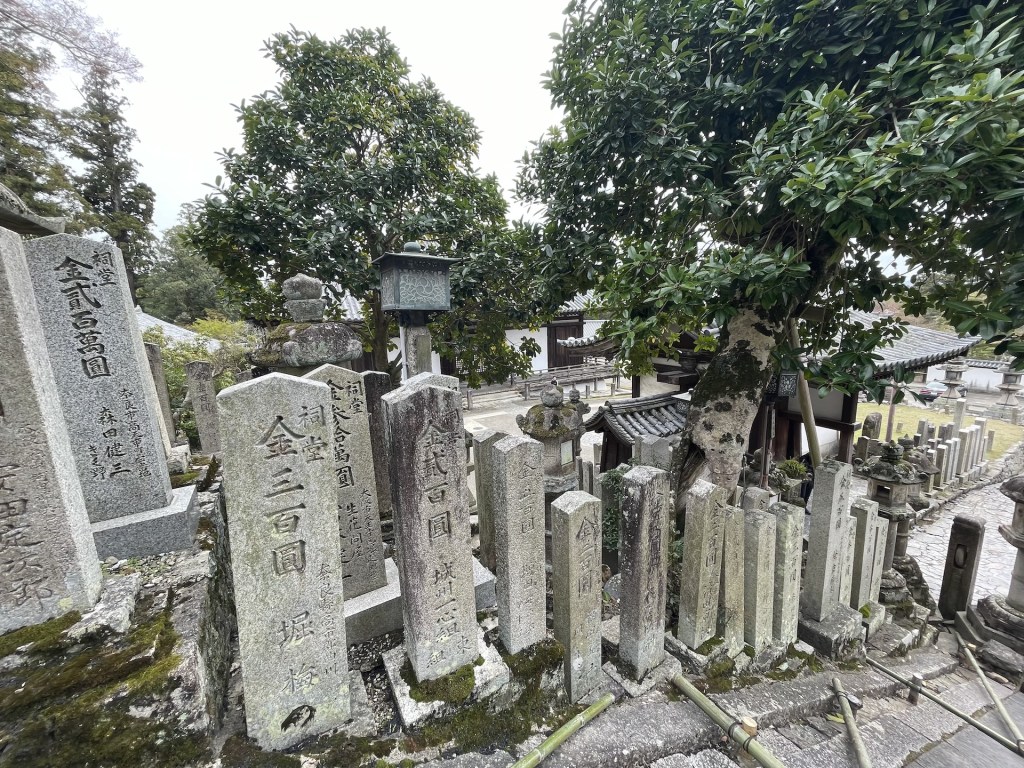
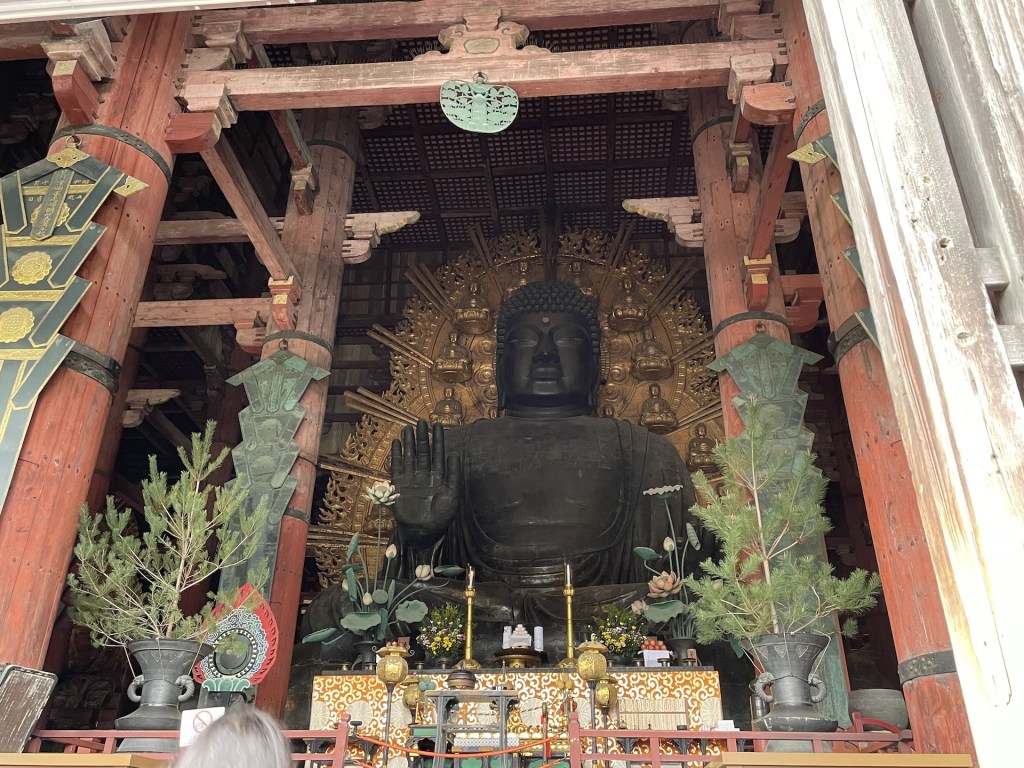
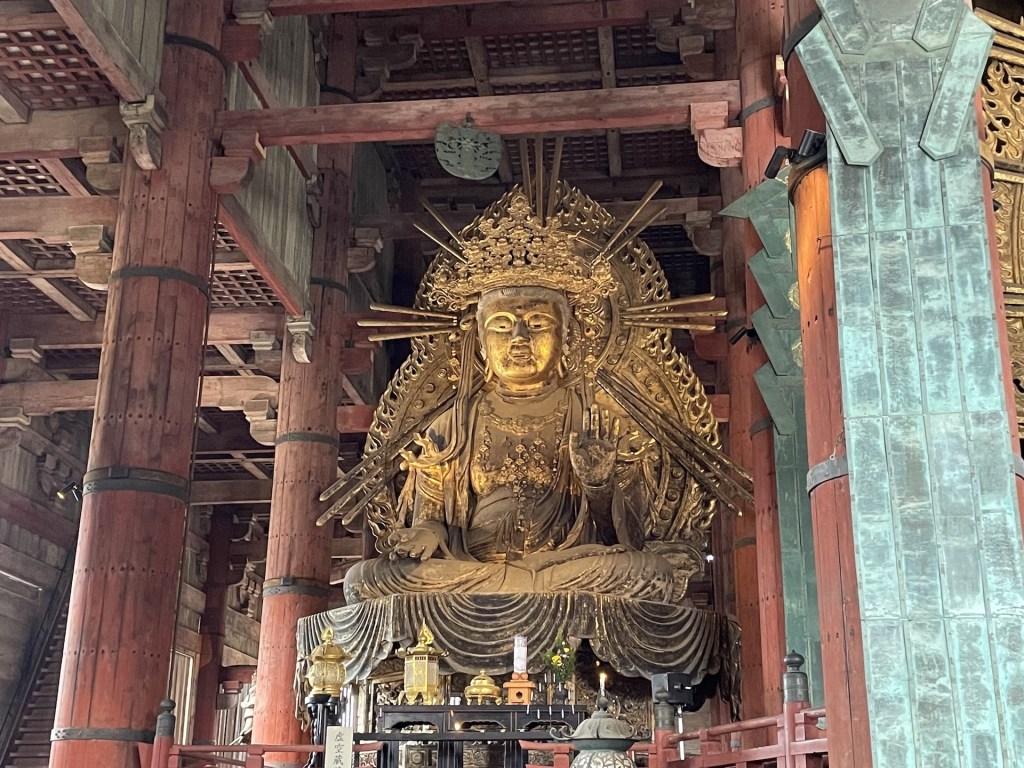
Speaking of the Todai-ji Temple, you shouldn’t miss this. It costs 800 Yen to enter the Great Buddha Hall, and 1200 if you wish to visit the museum too. If you’re short on cash, at least visit the Great Buddha Hall, it’s totally worth it. The entire hall is massive, and those intricate bronze statues were awe inspiring.


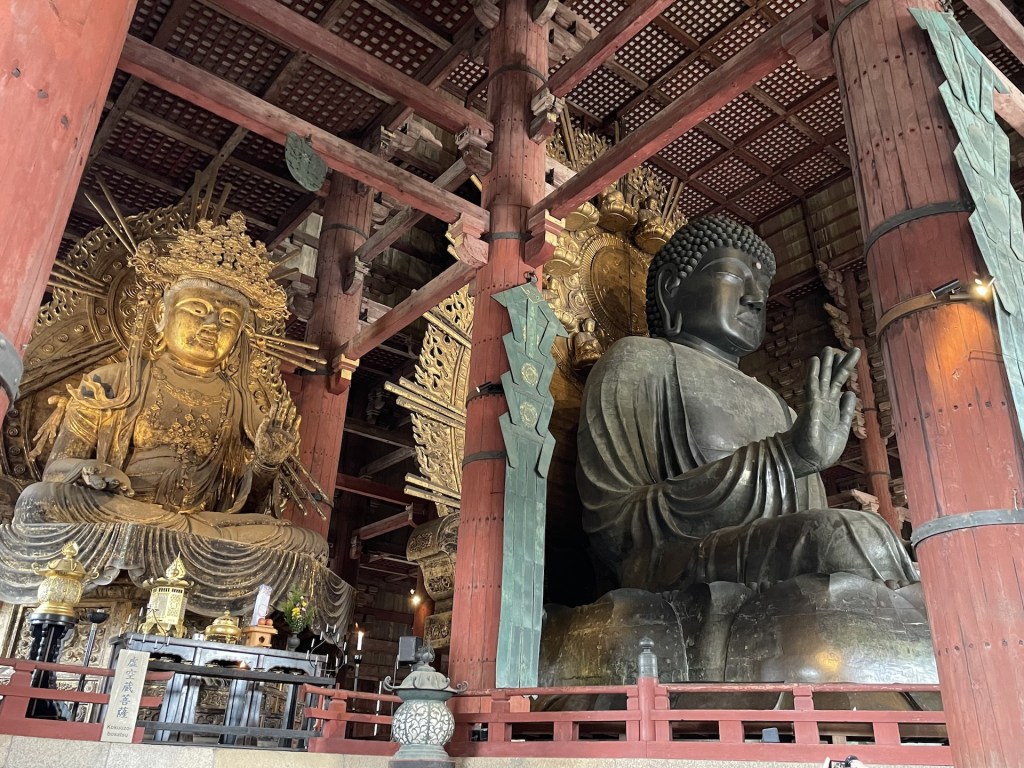

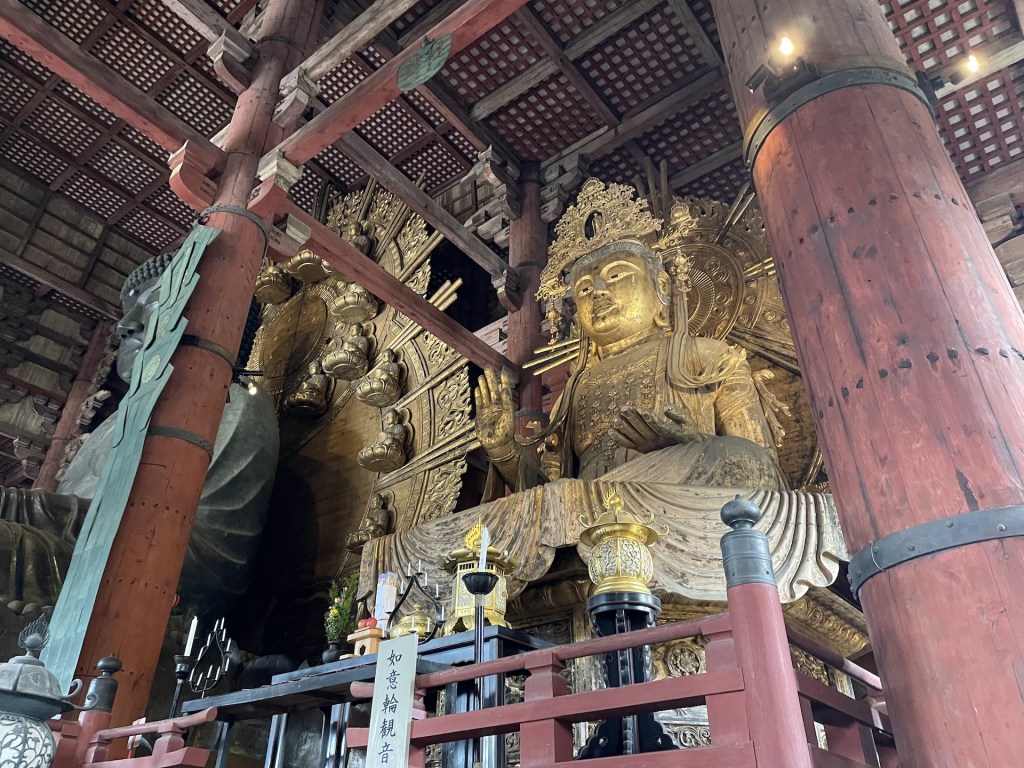
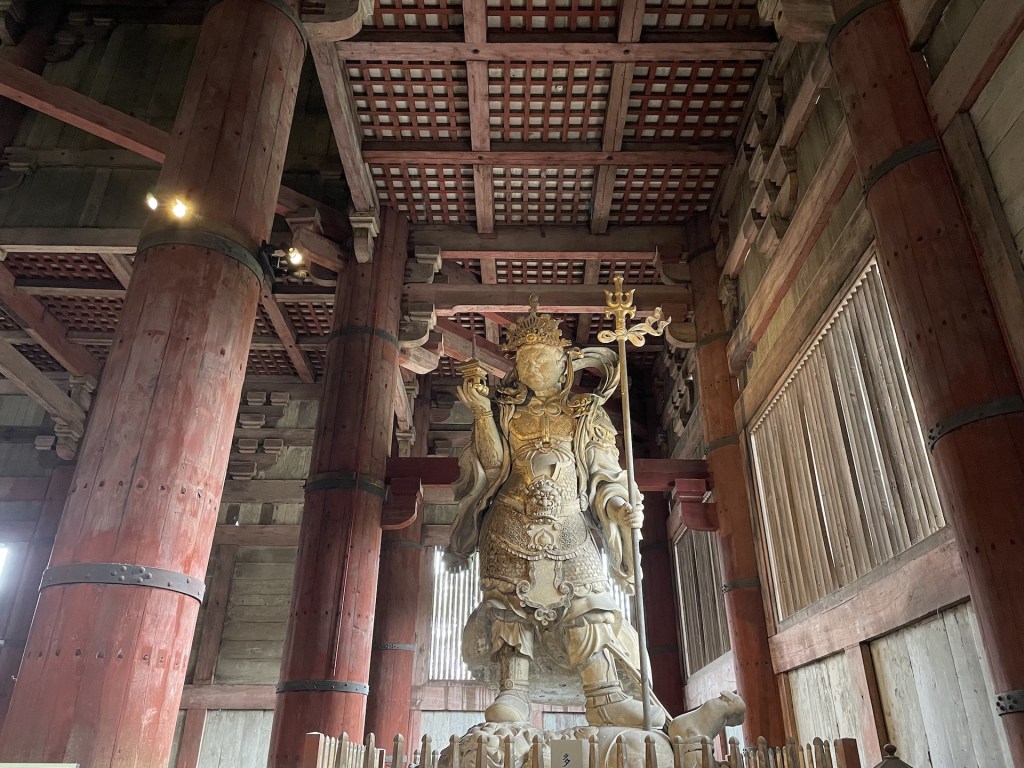
You can easily check out Osaka, Kyoto, and Nara in 5 days. What if you have more time to spare? If you can spare at least two more days, you could easily head to Tokyo from Osaka! Since you’re already in Japan, why not check out the capital as well? The fastest way is to take the Shinkansen Nazomi Train, and the trip only lasts about 2 1/2 hours. It costs 13, 620 Yen for an unreserved seat, and 14,650 Yen for a reserved seat. That’s just about a USD 6 difference, so you might as well get a reserved seat. Don’t even think of taking the local train. It takes about 7 hours and you’d have to make at least 4 transfers. Sure 7 hours isn’t much for those traveling on a budget, but the dealbreaker is the cost: you’d be spending at least 17,000 Yen, which is more expensive than taking the bullet train! If you’re on a tight budget, take a bus instead. This would take 8 hours but it would only cost around 3000- 4000 Yen.
To be honest, one week in Japan would be barely scratching the surface. So stay longer if you have time to spare! I rarely say this about any country, but Japan is one country that I’d want to visit again soon. There’s something about the vibe that makes me want to come back even though I just left. I went there during the spring. Now I wonder how it is in the fall. 🤔

 no roads to follow