

Uzbekistan is home to several cities that were part of the silk road. The more prominent ones are Samarkand, Bukhara, and Khiva because in these cities, lots of the architecture from this era is well preserved. Thus, a trip to Uzbekistan won’t be complete without visiting at least one of these places.
It’s real easy to get to any of these cities from the capital. The government is aware that majority of tourists head to these places, so all three cities are very accessible via public transport. The easiest way to get to any of these cities is by train. The closest one to Tashkent is Samarkand— it’s only 2-4 hours away by train. Next is Bukhara, which is 4-9 hours away. The farthest one is Khiva— it’s a whopping 16 hour train ride from Tashkent. Those who have enough time to spend in the country would visit all three cities. All three cities are along the main train route, so most travelers would head to Samarkand first, then Bukhara, and then Khiva before taking the long train ride back to Tashkent— or take a flight out from Urgench Airport which is less than an hour away from Khiva. Some travelers skip Tashkent altogether because there are various international airlines that fly in and out of Samarkand, and at times these are cheaper. So this could be an option if you’re not interested in spending time in the capital.
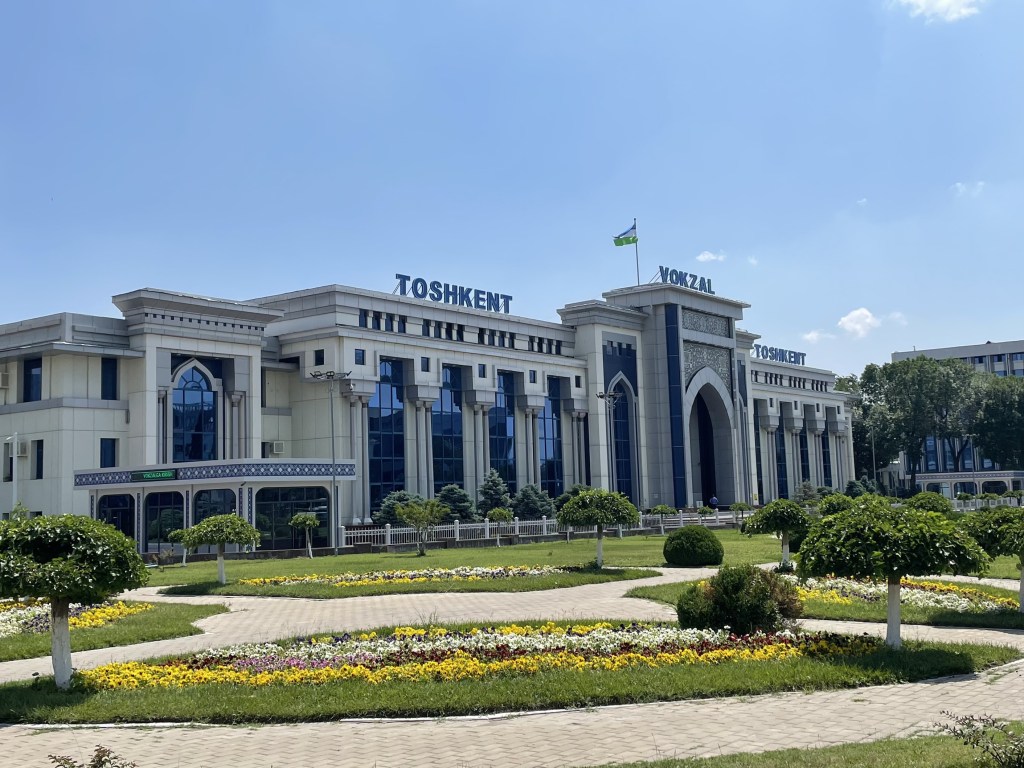
From Tashkent, there are several trains that you can take to get to Samarkand. You can purchase tickets online for convenience:
https://eticket.railway.uz/en/home
The fastest option is to take the Afrosiyob train. A single journey ticket costs 245,000 Som (about USD 19) and it only takes two hours. This is the most expensive option, so it’s surprising that it’s frequently sold out. I guess most travelers in Uzbekistan prioritize time over cost? The less expensive option is to either take the Sharq or Nasaf trains. A single journey tickets costs 147,100 Som (about USD 12) and the journey would take about 3 1/2 hours. At least to me, the 1 1/2 hour difference is negligible, so I wouldn’t fret if tickets to the Afrosiyob trains are sold out. The cheapest option is actually the sleeper train that goes all the way to Khiva… the cheapest ticket on this train costs 134,070 Som (ordinary sleeper seat). It takes more than 5 hours to get to Samarkand though. If this is the only train available, I’d suggest taking a bus instead. Buses rarely get sold out because there’s one leaving every hour from the Tashkent Avtovokzal bus station, and tickets are cheaper— a single journey ticket could be as cheap as 58,000 Som (less than 5 bucks), depending on the type of bus.
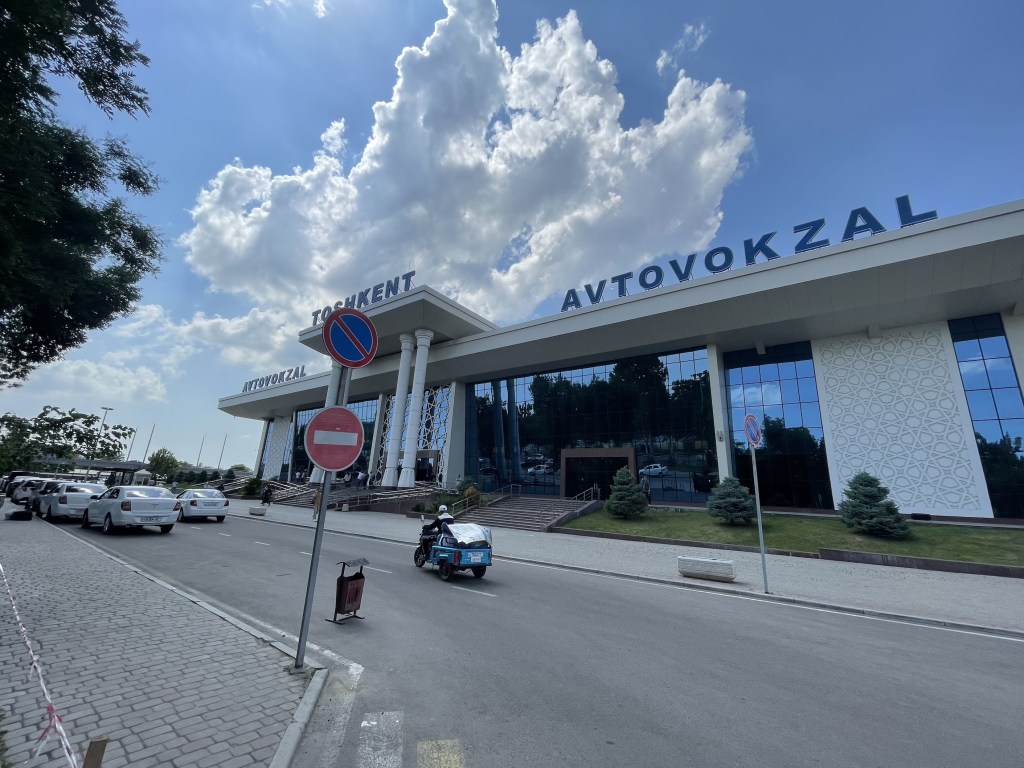
For budget travelers, taking a bus is actually more ideal. You can also check schedules and purchase tickets online:
It takes about 4-5 hours to reach Samarkand by bus, so it’s a little faster than taking the sleeper train. If you’re thinking you’re gonna miss great views if you take the bus, don’t worry. It’s mostly barren landscapes in between towns. Now in the highly unlikely event that even buses are sold out, there’s one last option. There are lots of Marshrutkas (mini vans) right by another exit of the Olmazor Metro Station (the same station close to the Avtovokzal Bus Station). These get really cramped though, and the trip takes longer. If you’re on a really really tight budget though, this is the way to go. There’s no set schedule, each marshrutka leaves once it’s full.

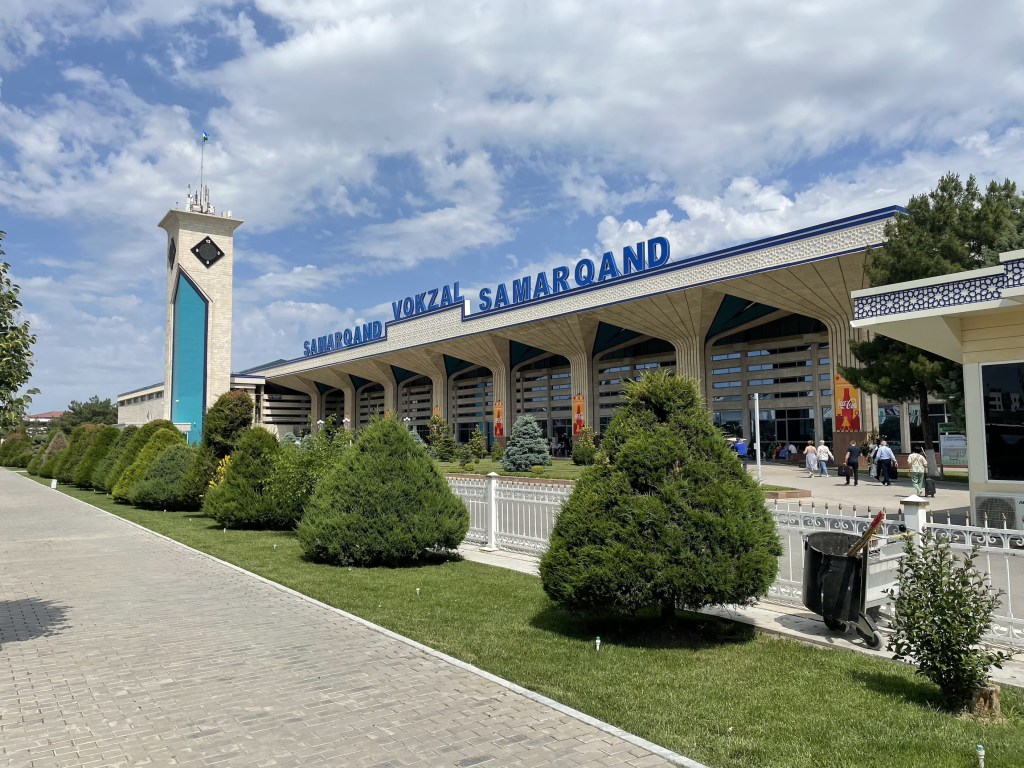
In Samarkand, it’s best to stay close to the historic center so you can explore all the attractions on foot. From the train station, just book a Yandex taxi via the Yandex Go App— it’s incredibly cheap. Just walk to the main street because Yandex drivers wouldn’t pick you up right outside the train station. I suspect it’s because the taxi drivers waiting outside the station aren’t too fond of them— pretty much the same as what’s going on between Uber drivers and taxi drivers in other countries. Most of the attractions and very close to each other. Use Yandex Maps to find your way around, Google Maps sucks here.
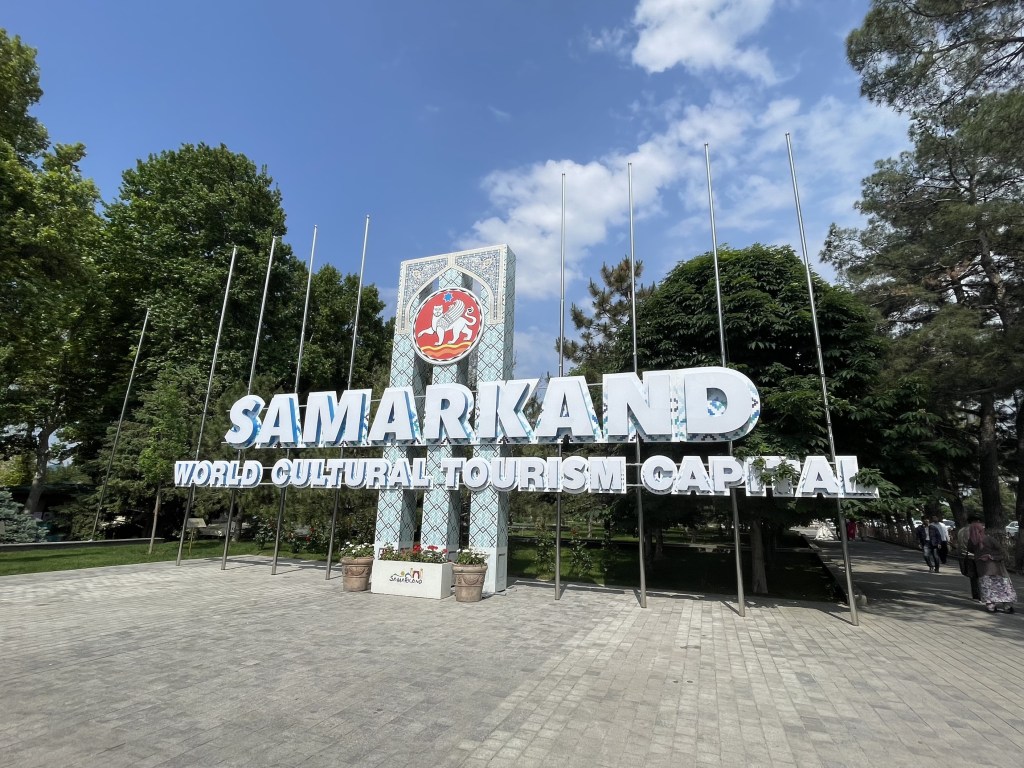
One place you shouldn’t miss is the Registan Square in Samarkand— Uzbekistan’s most famous attraction. It’s not hard to see why. Everything is remarkably well restored, one can’t help but gawk at the sight of its three main buildings– the Ulugbek Madrasah, the Sher-Dor Madrasah, and the Tilla-Kori Madrassah. You could easily spend a few hours just checking out all three. Like most attractions in Uzbekistan, this isn’t free to enter– they charge 50,000 Som (about 4 bucks) for an single entry ticket. If you’re on a tight budget you can just take pictures from the outside, but if there’s one attraction that you should pay for in Samarkand, this is the one. You’d be missing out if you don’t get to see what it’s like inside these Madrasahs.
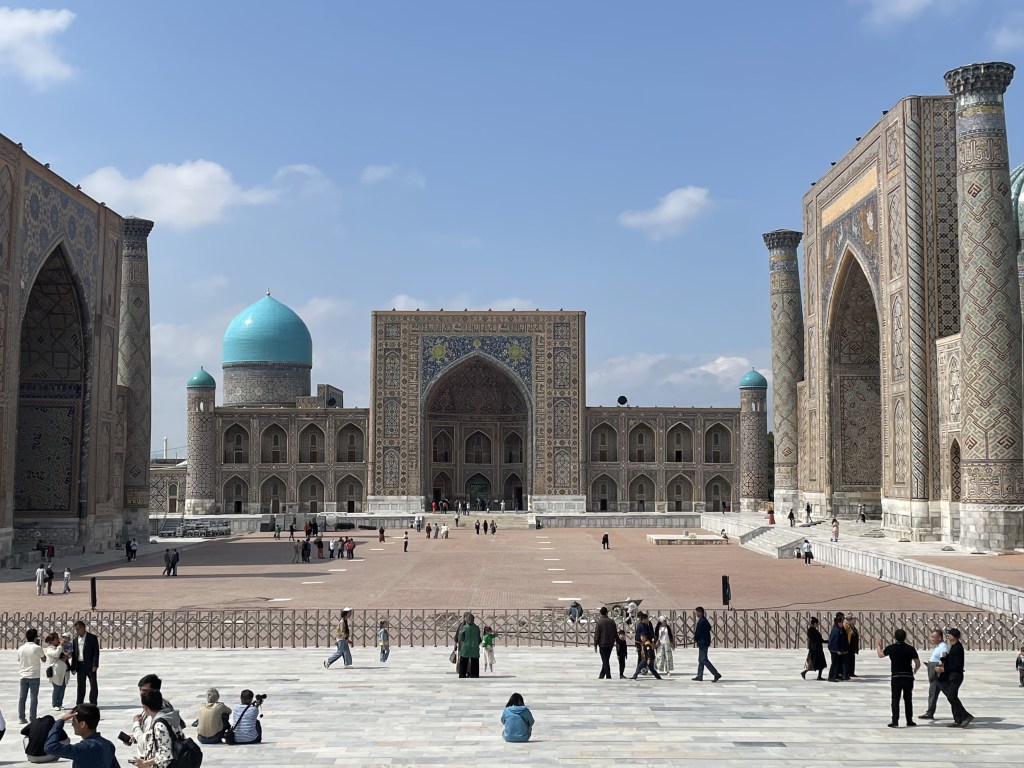
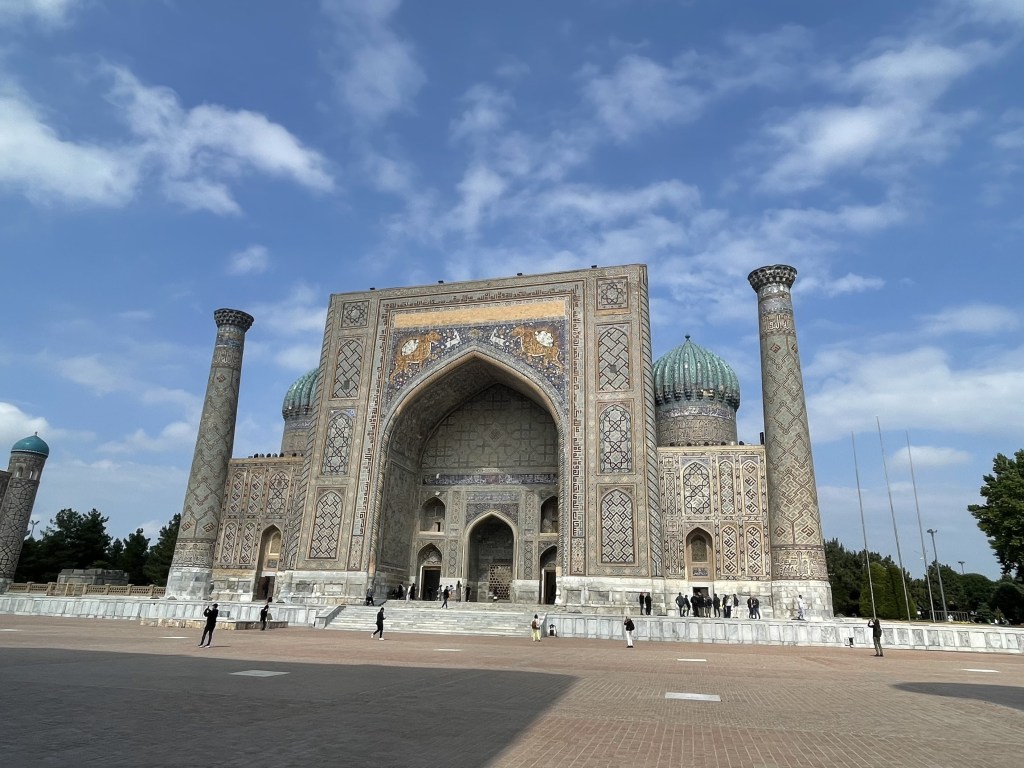
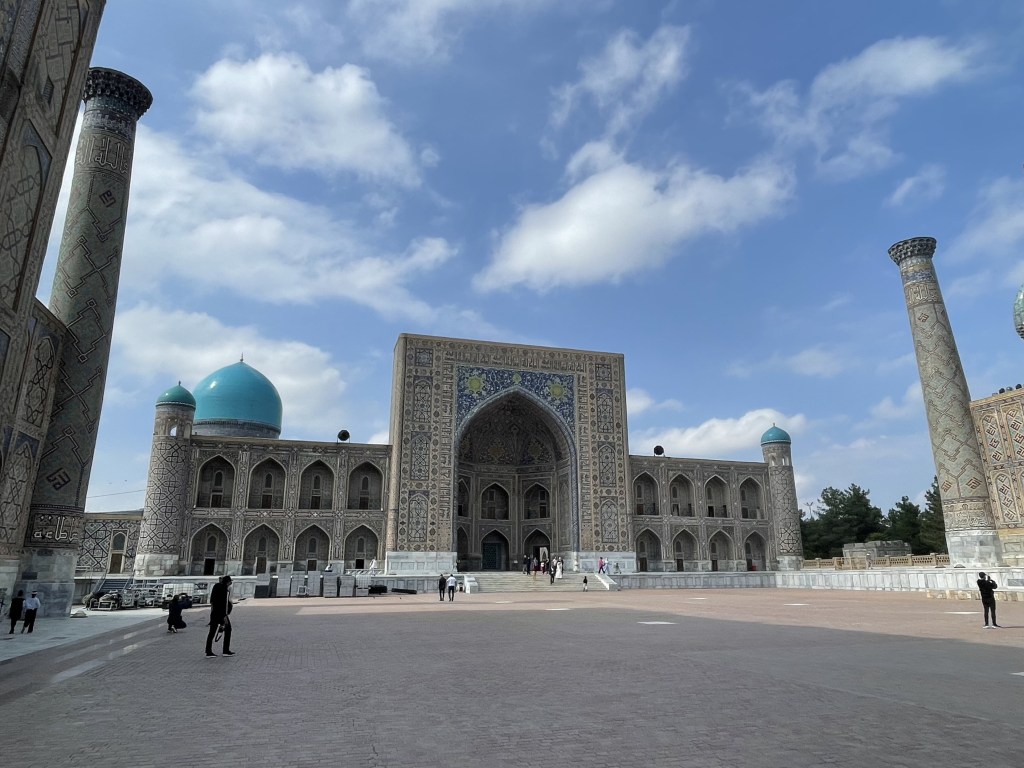
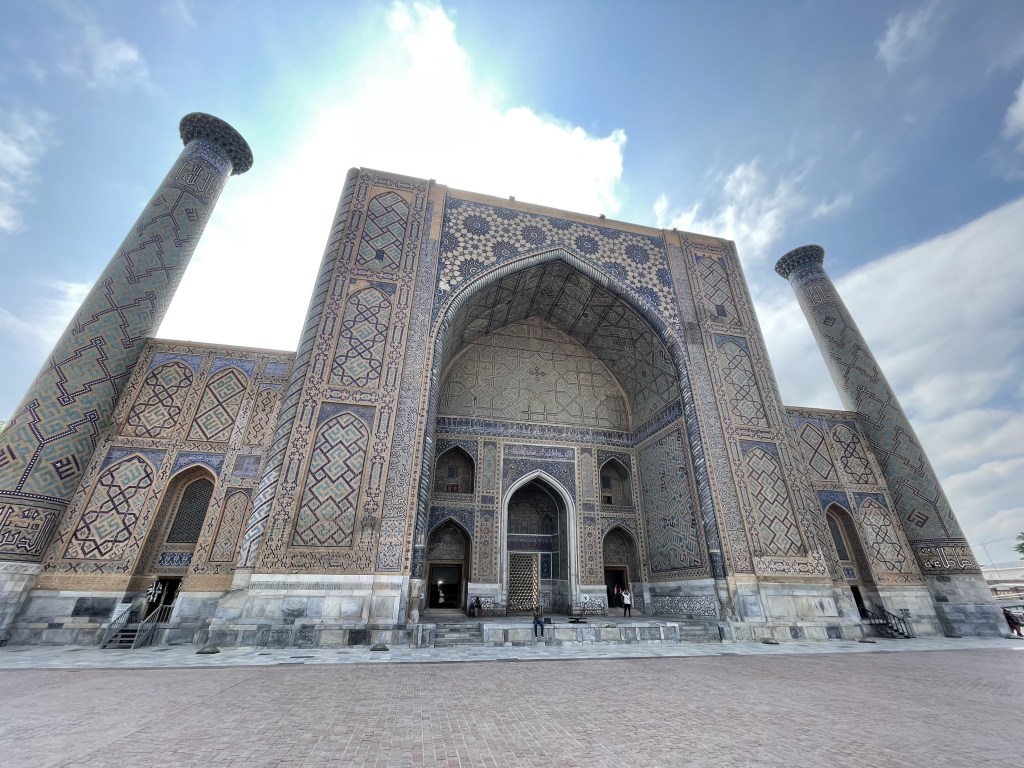

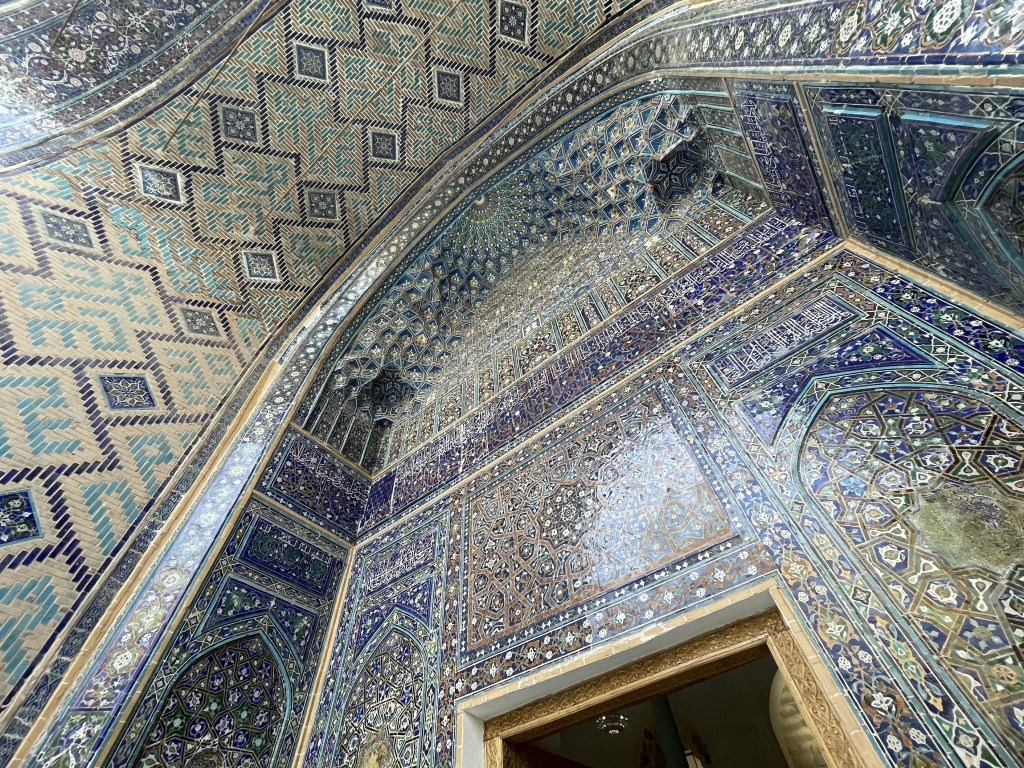

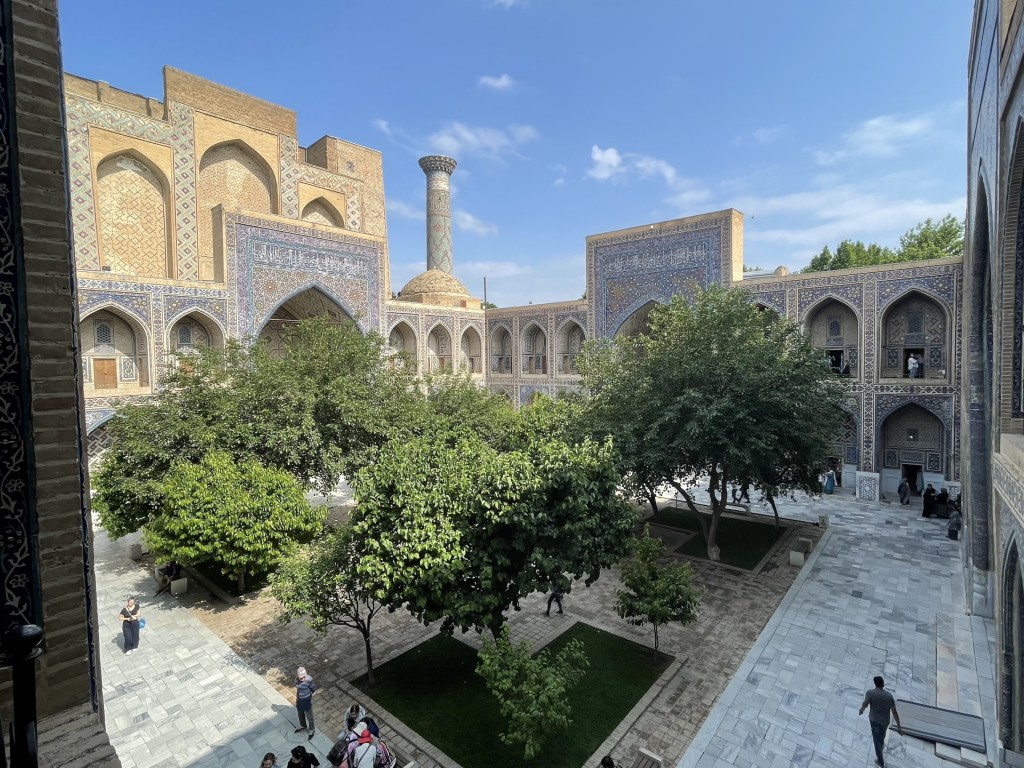
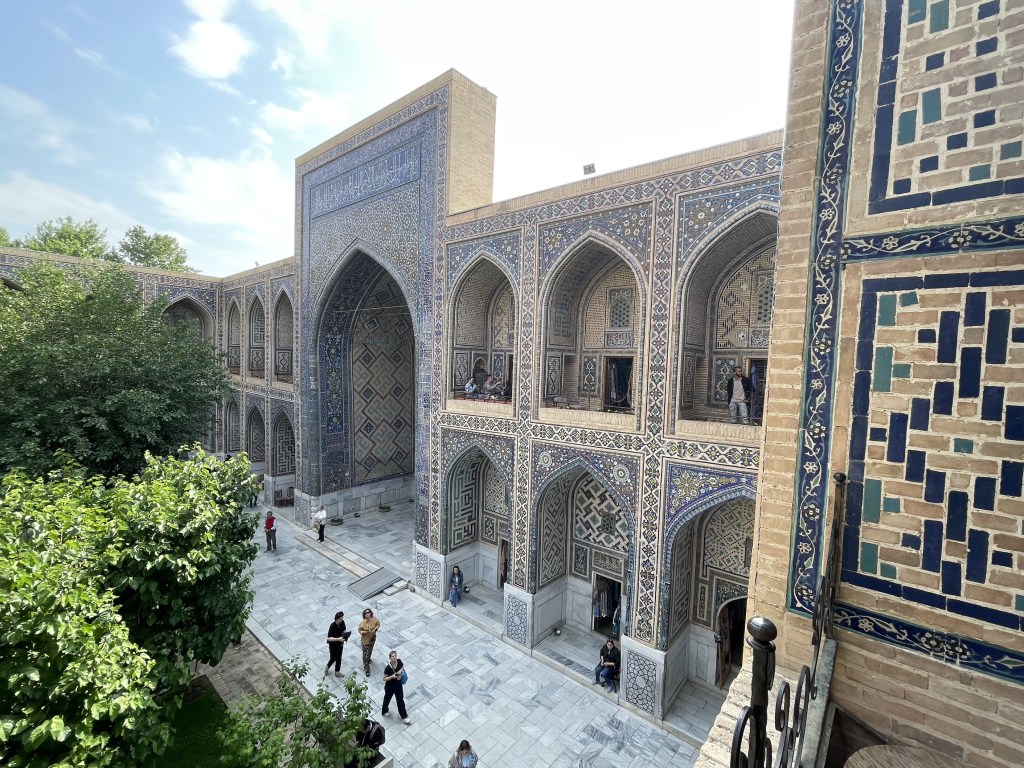
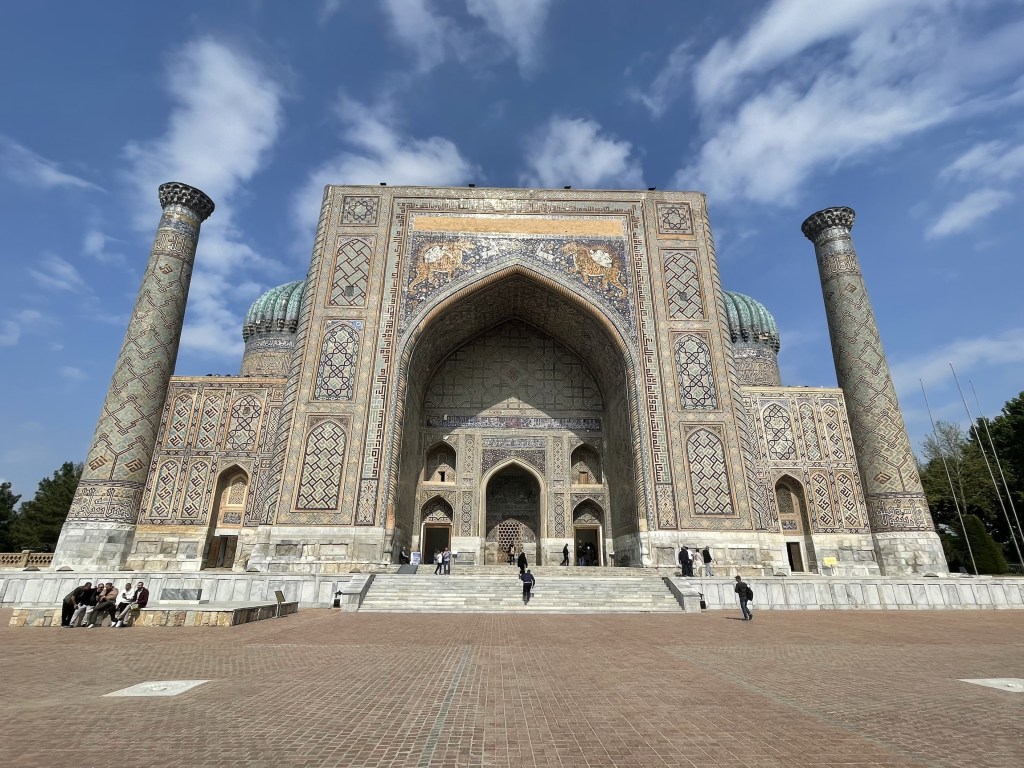
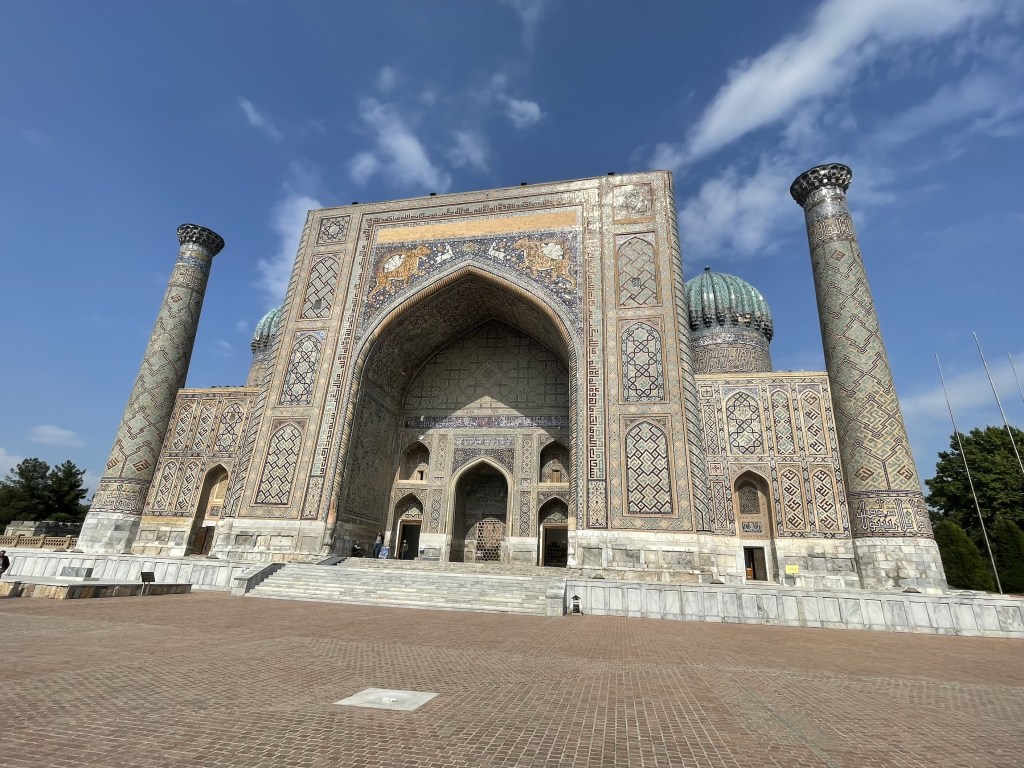
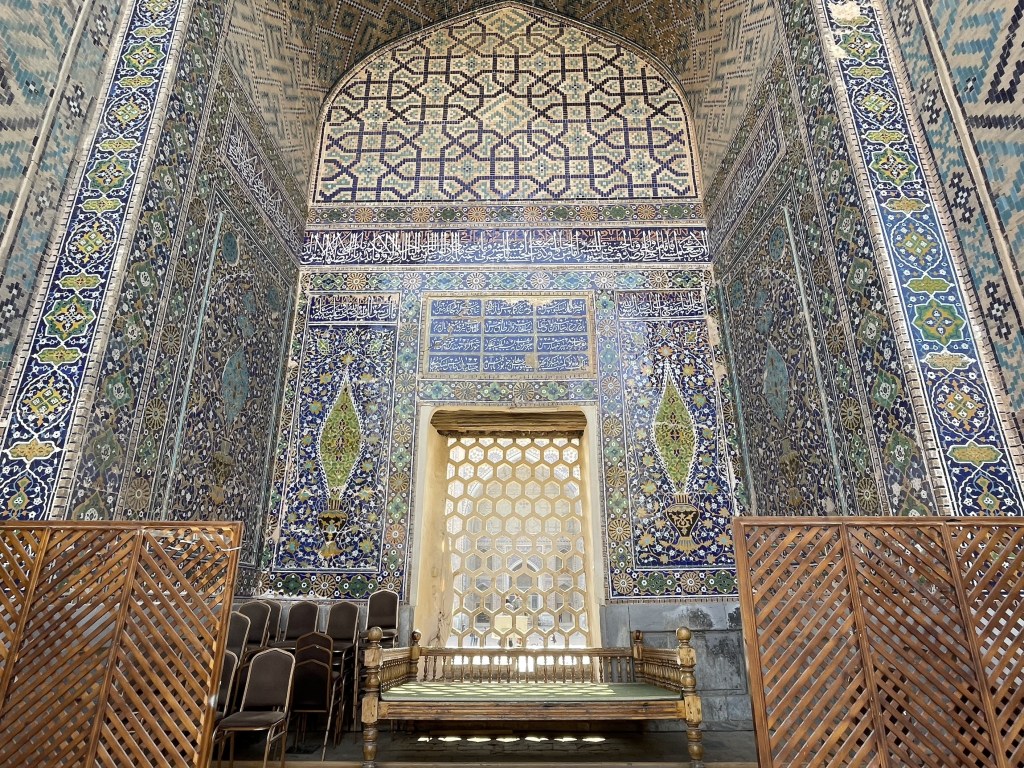
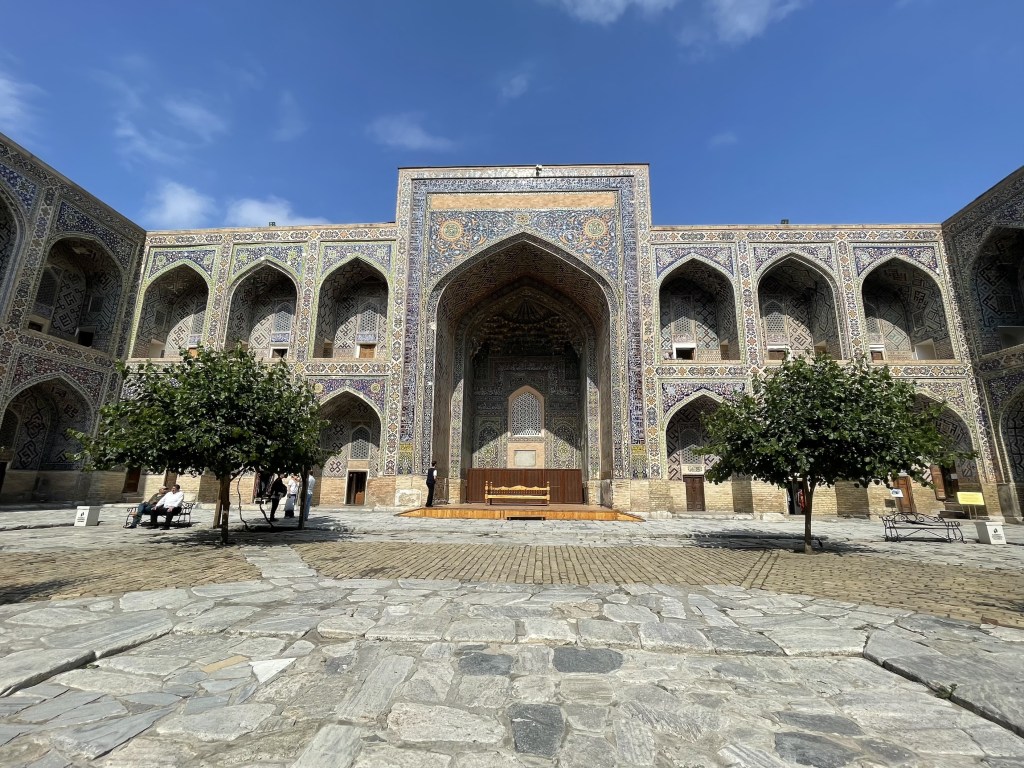
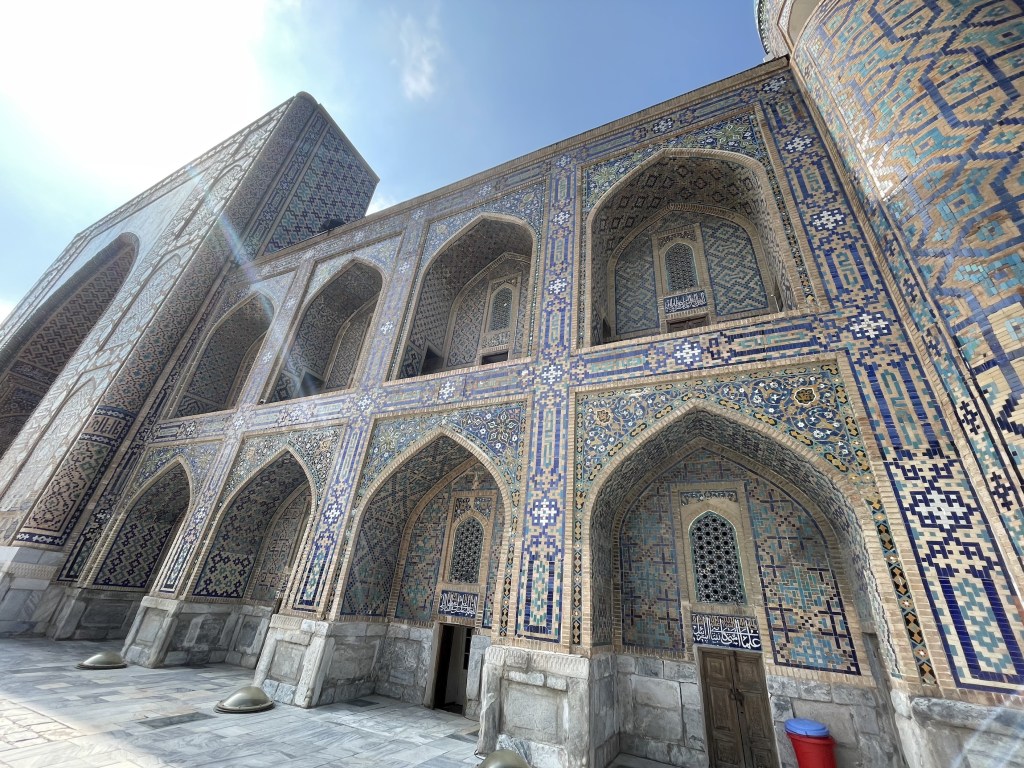
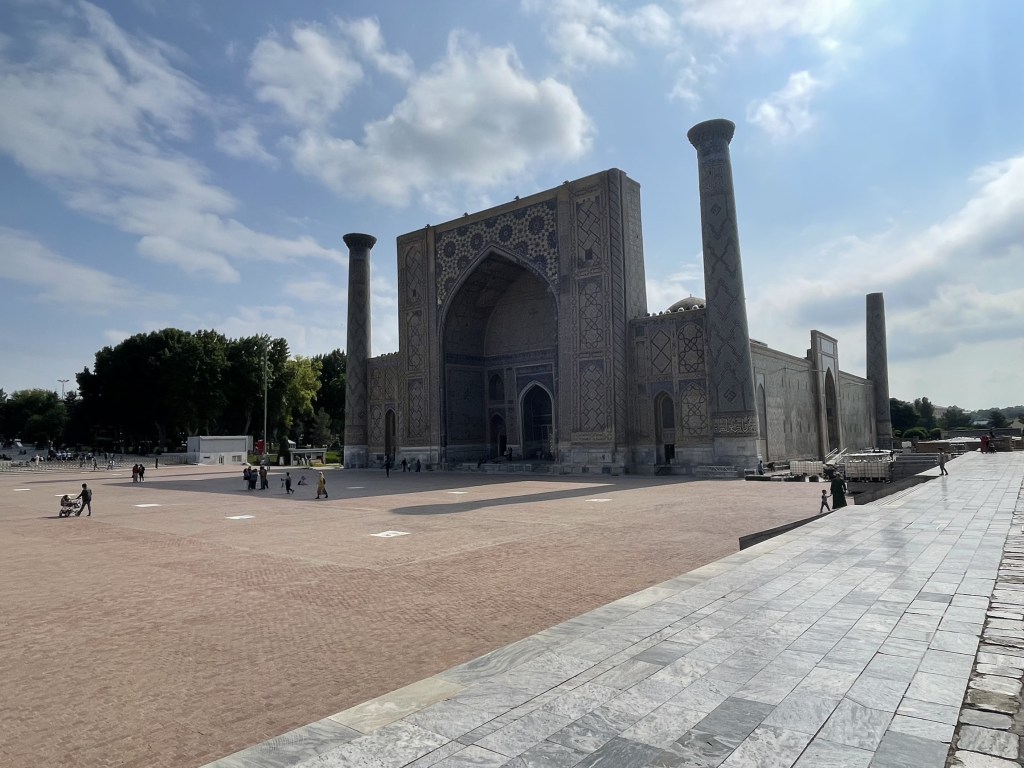
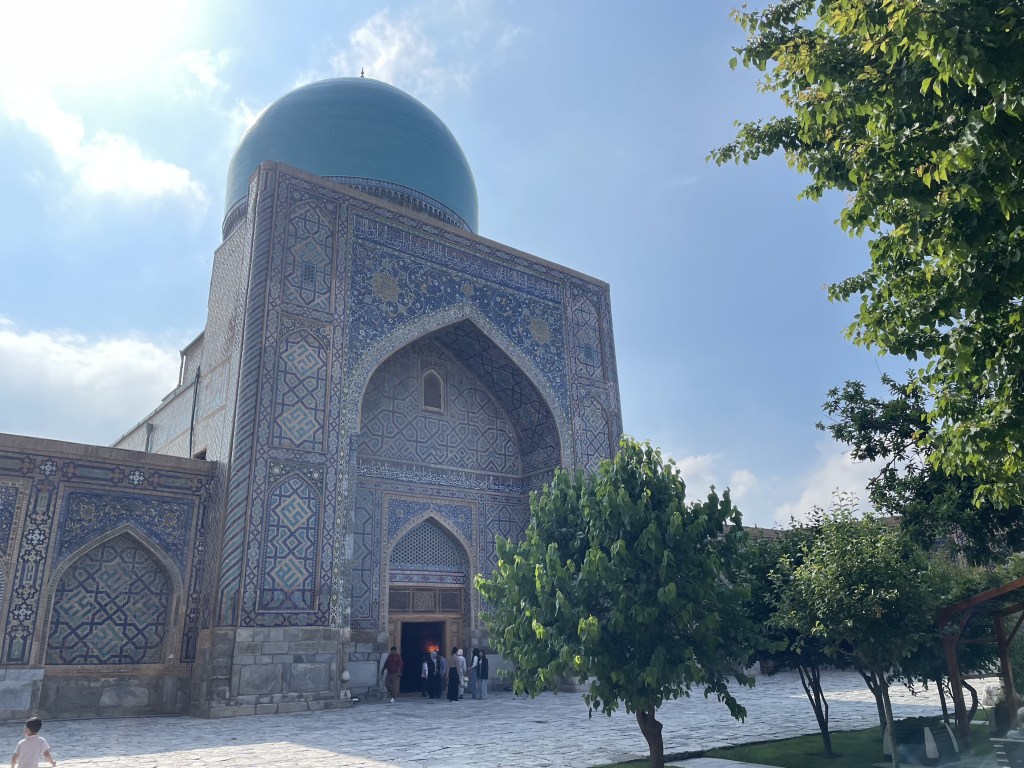
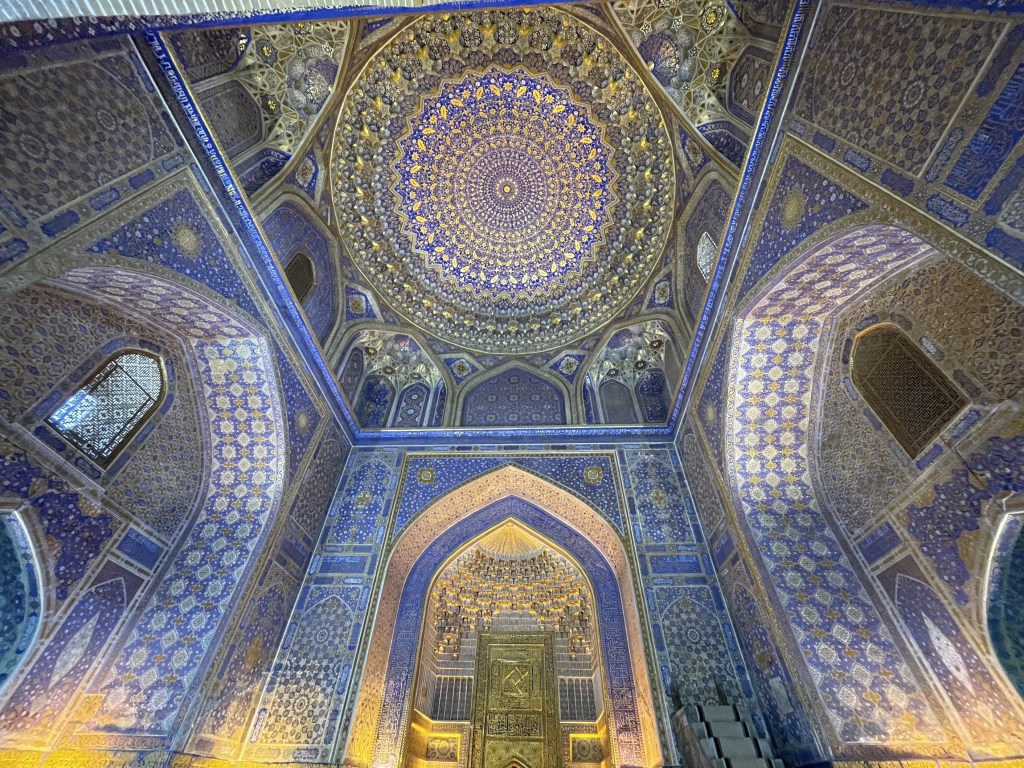
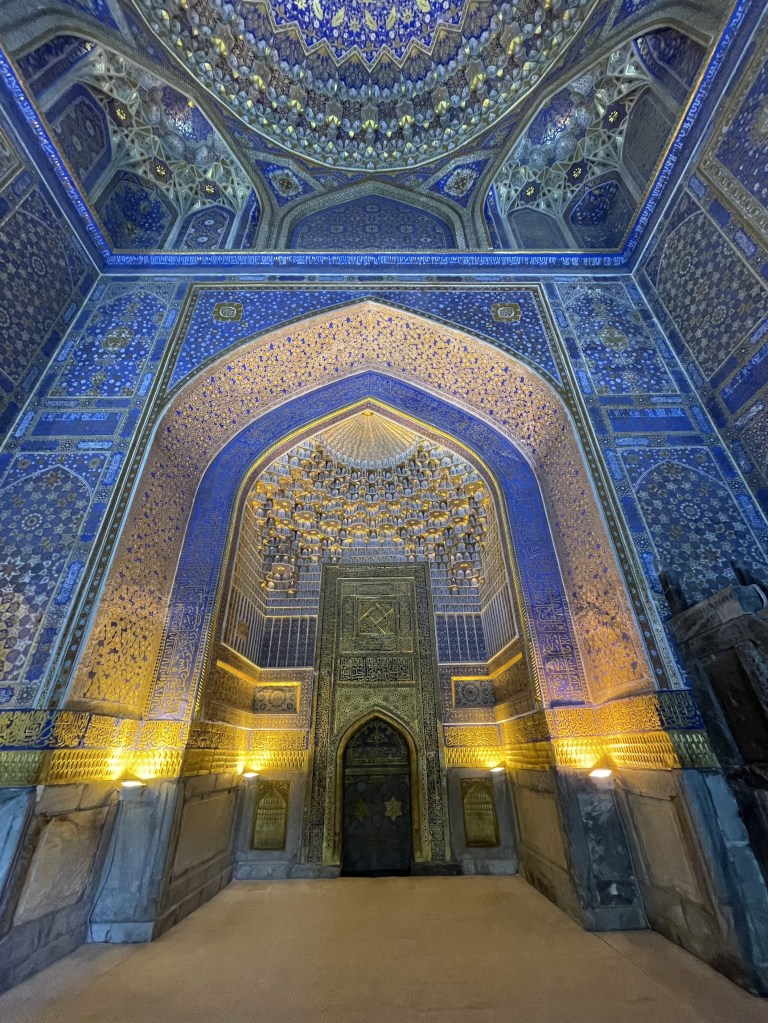
Other attractions worth checking out:
- The Gur- Emir Mausoleum where Tamerlane is buried, and is said to be the blueprint of the Taj Mahal in India. They charge 30,000 Som to enter (a little over 2 bucks).
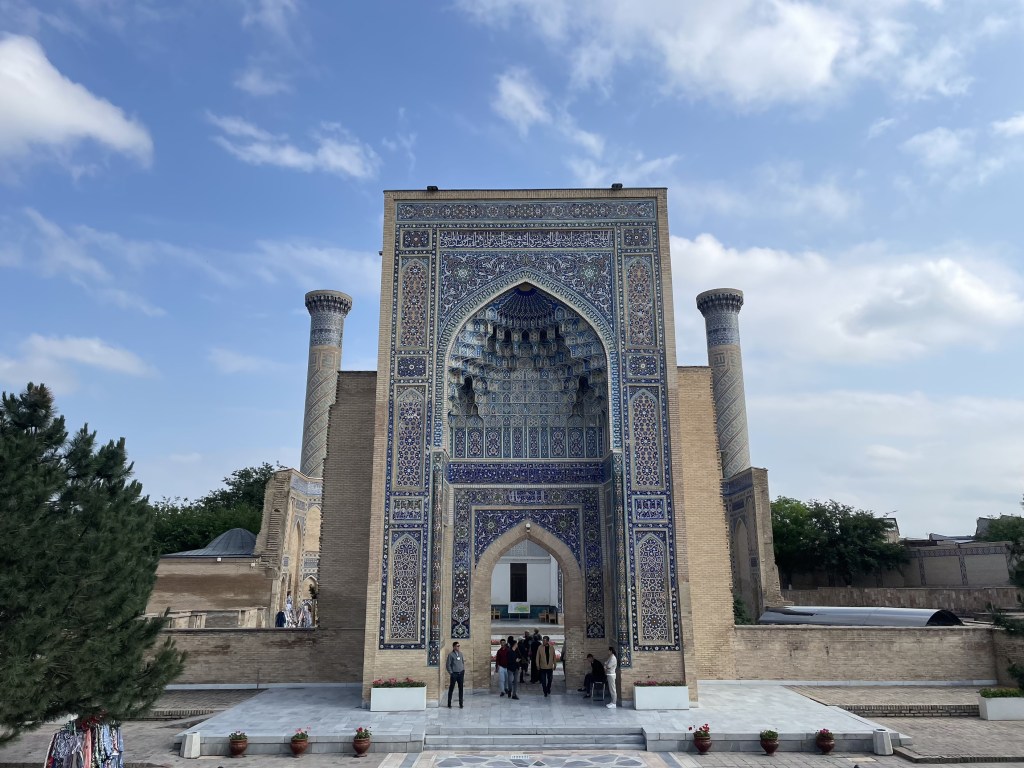

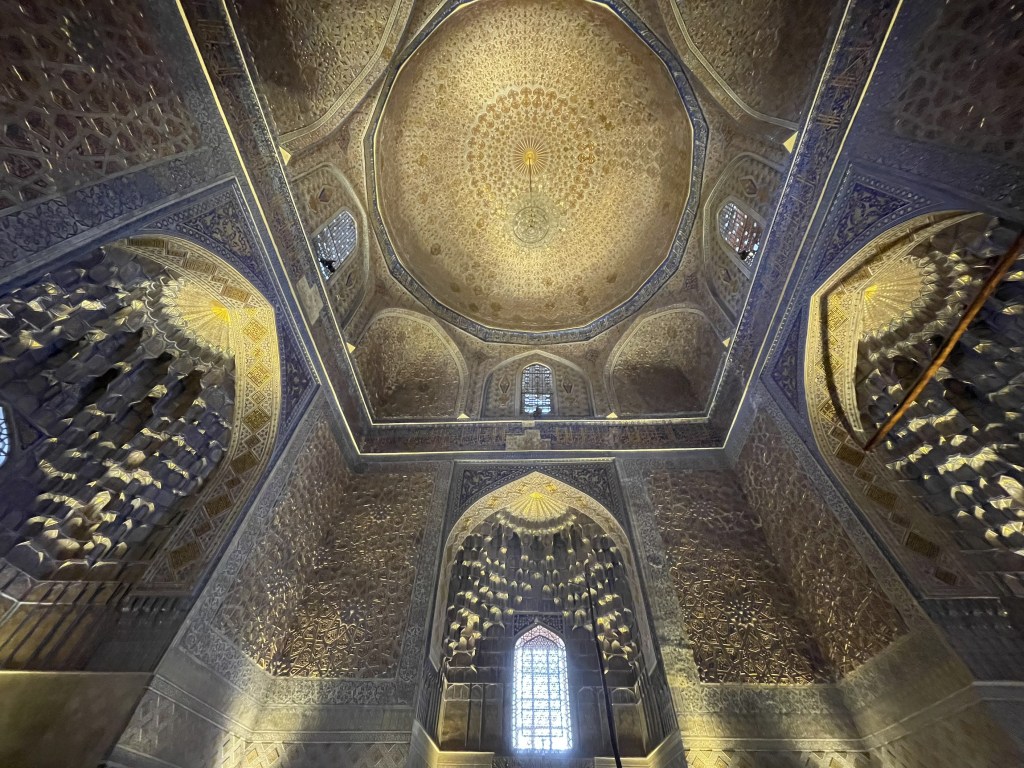
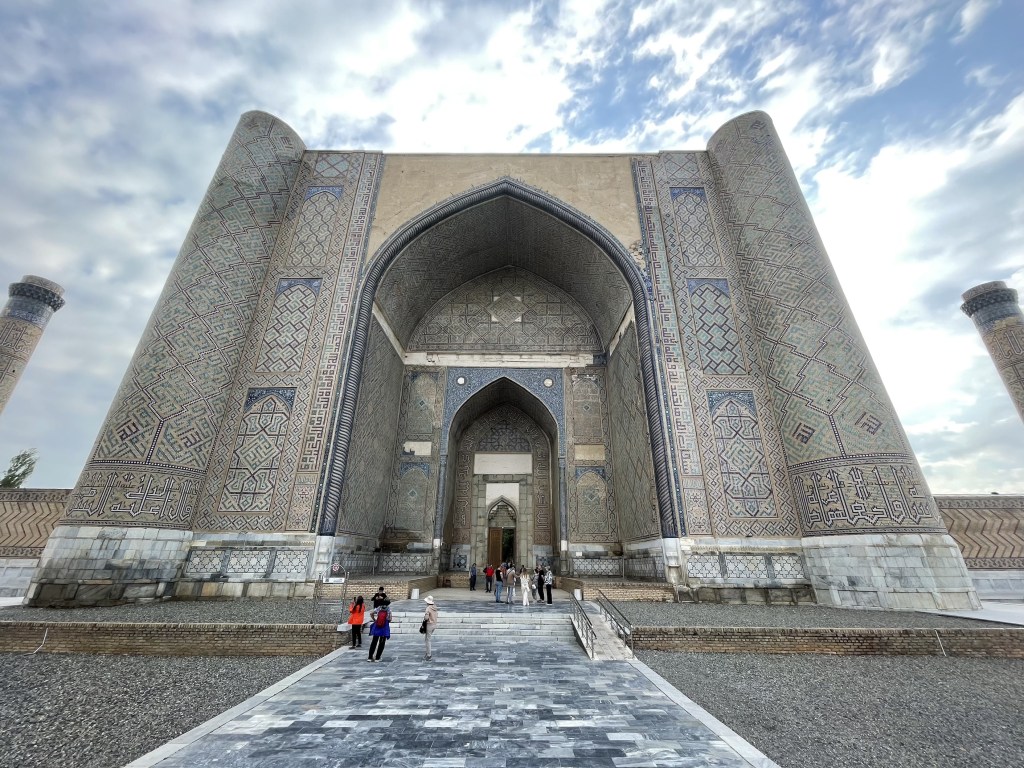
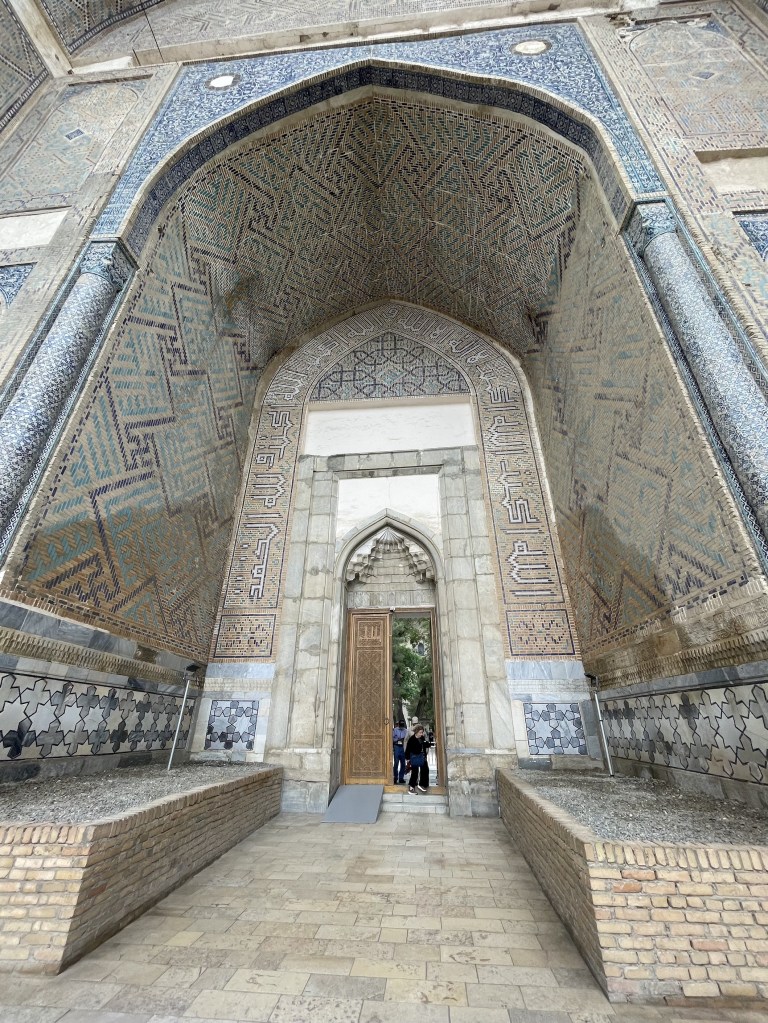
- The Bibi Khanym Mosque, one of the largest mosques in Central Asia. It also costs 30,000 Som to enter.



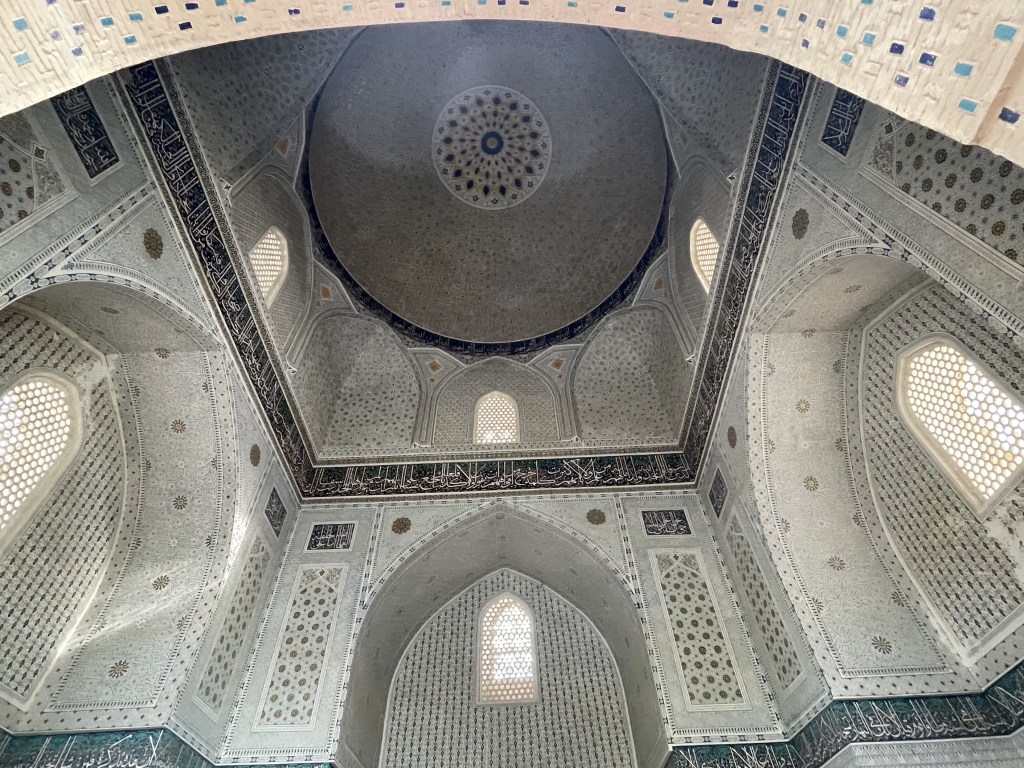
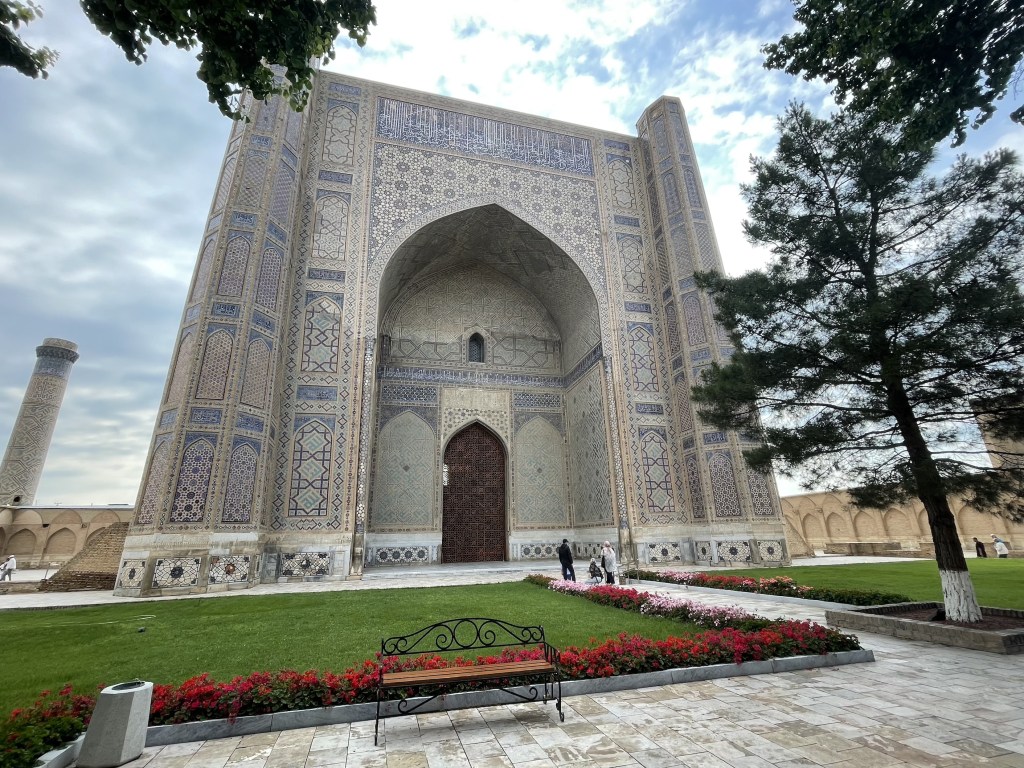
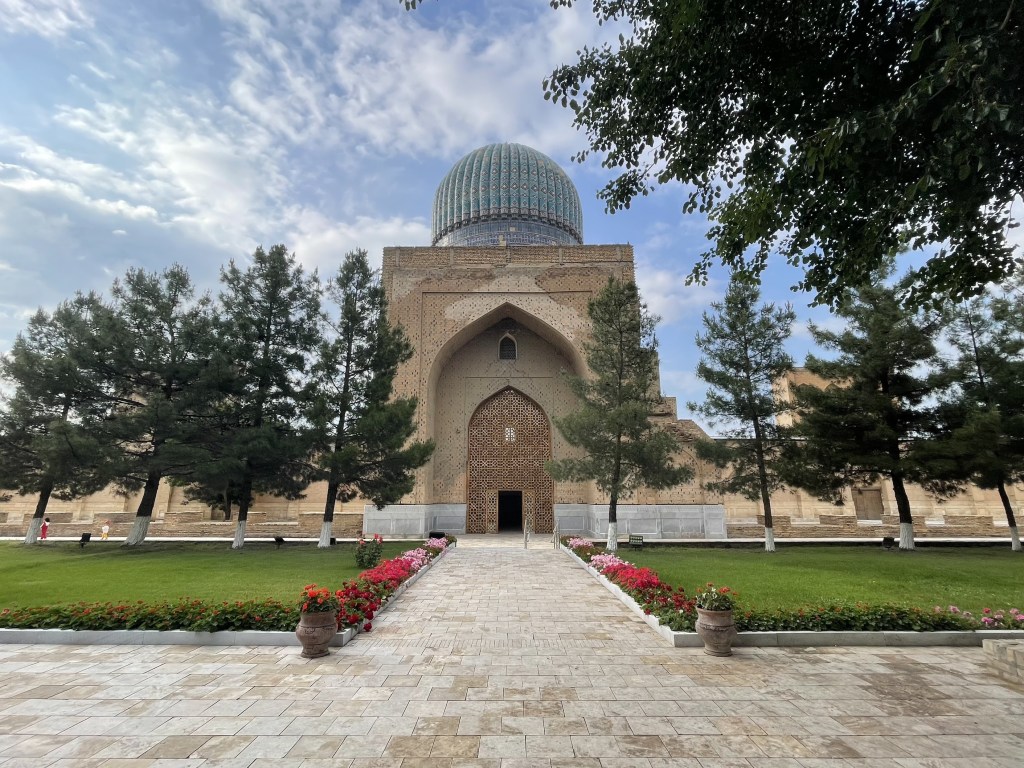
- The Shah-i- Zinda, a beautiful complex of Mausoleums. They charge 40,000 Som (about 3 bucks) to enter. The Afrasiyab Museum is a couple of minutes walk from here if you’re interested to learn about the pre-Mongol period in Samarkand. It costs 30,000 Som to enter this small museum, but you can check out the excavation site for free.
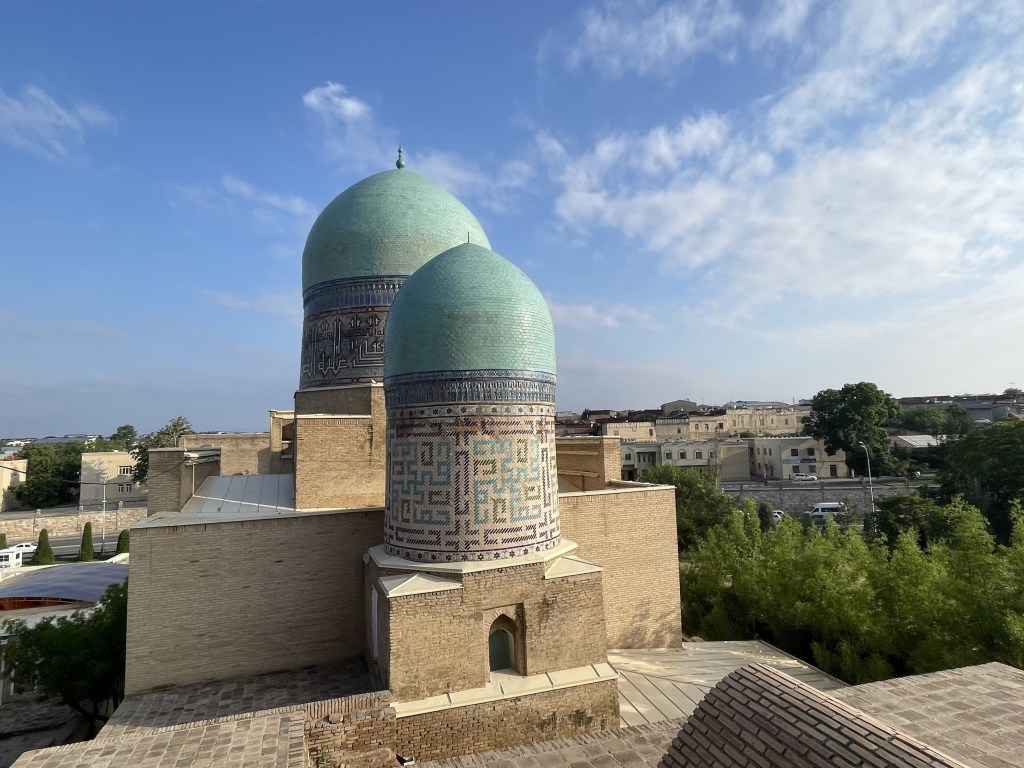
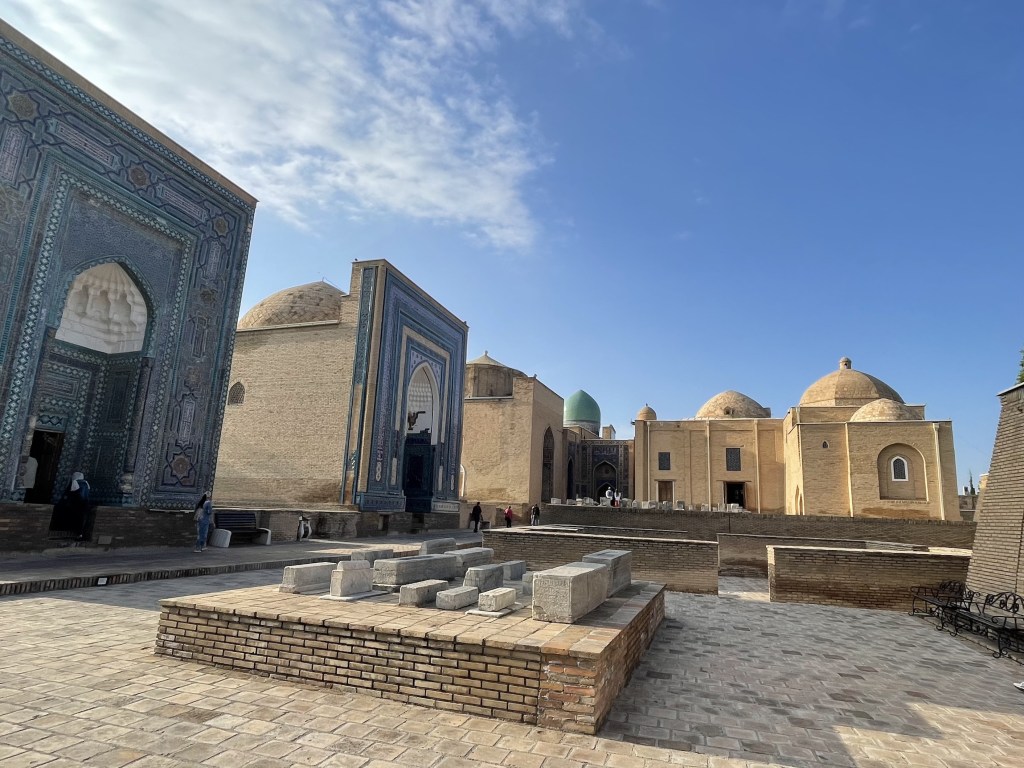

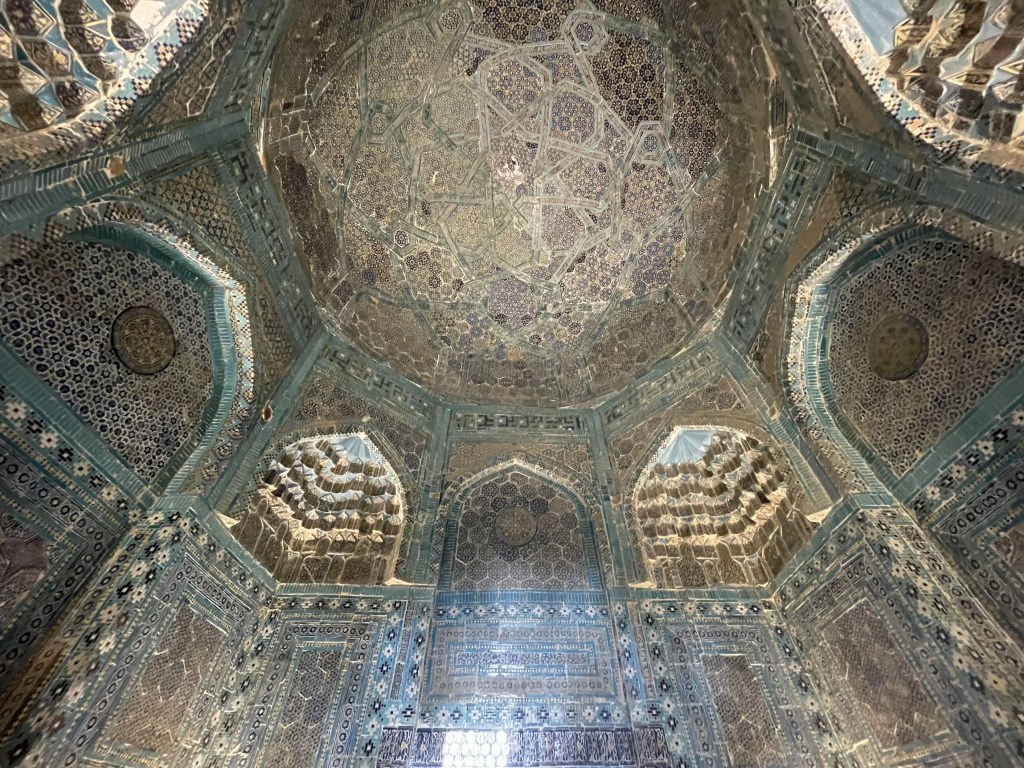
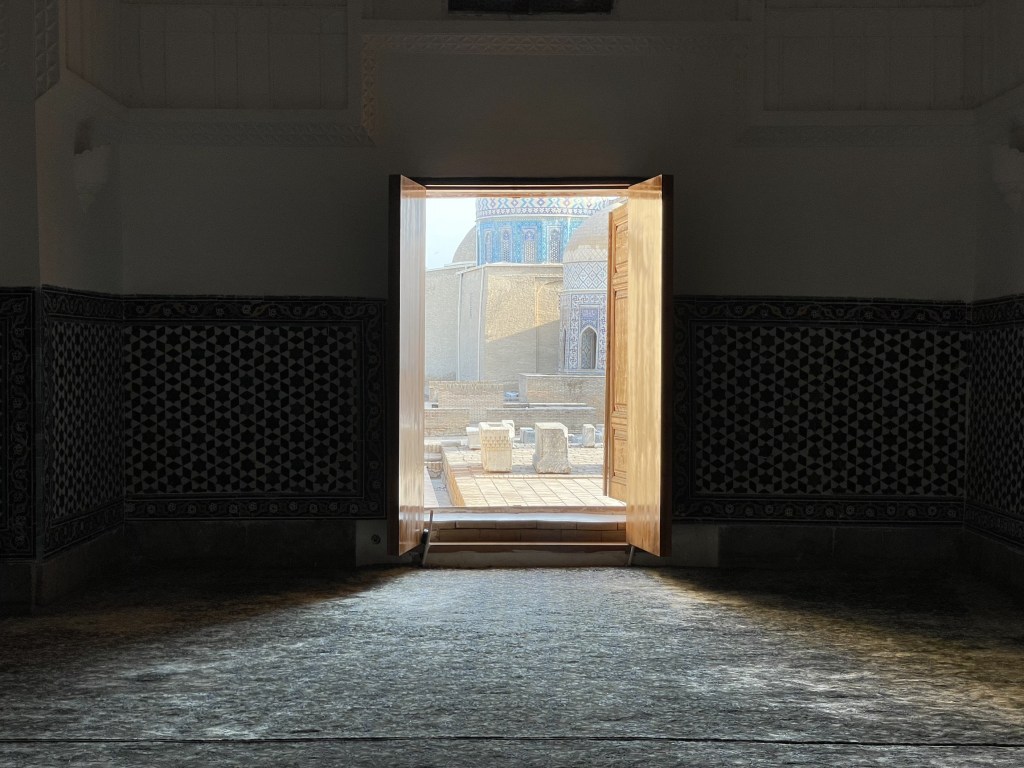
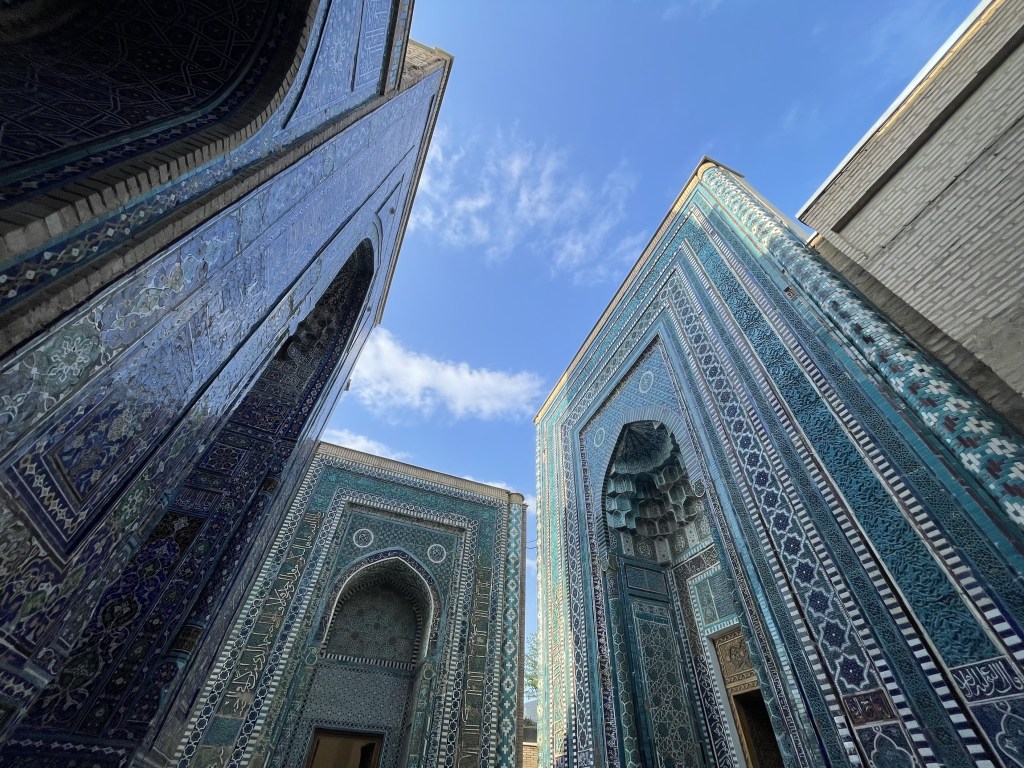
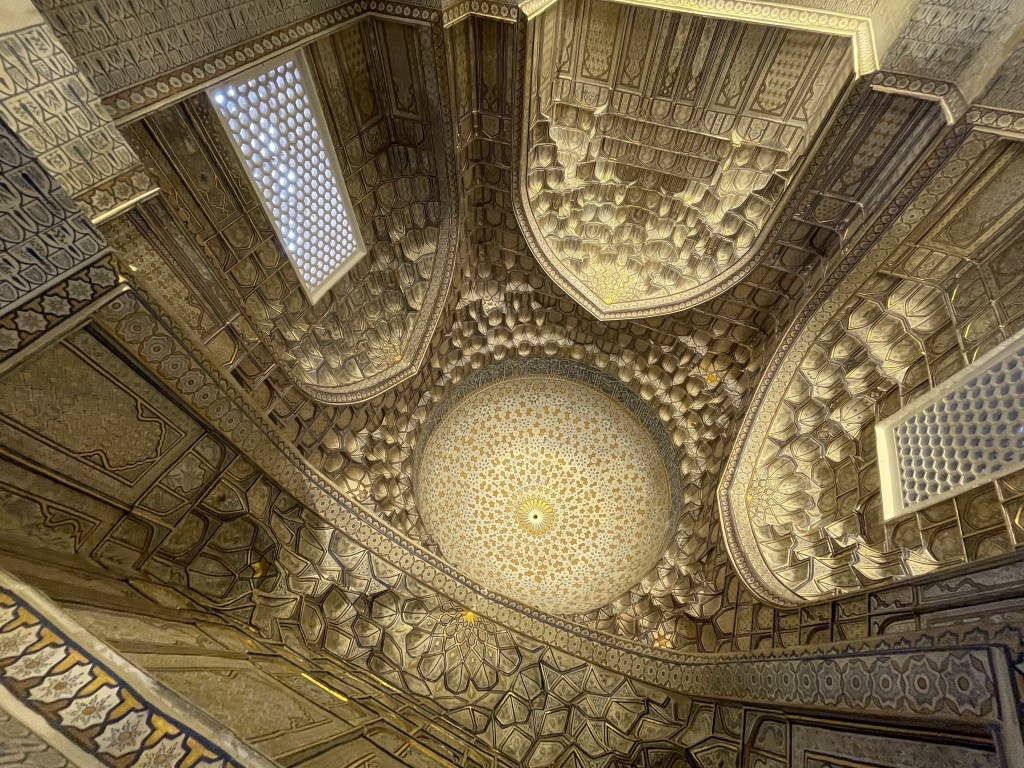
How many days should you spend in Samarkand? You can check out all attractions in one full day, so I’d recommended spending at least two nights here… just extend your stay if you like the vibe.

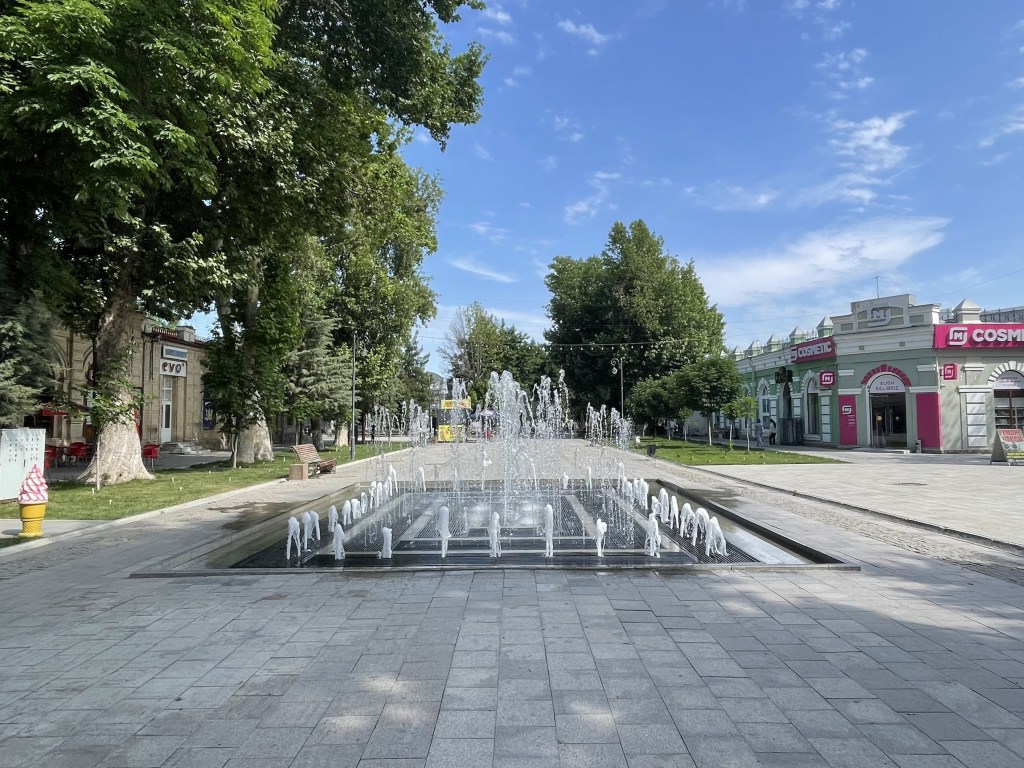
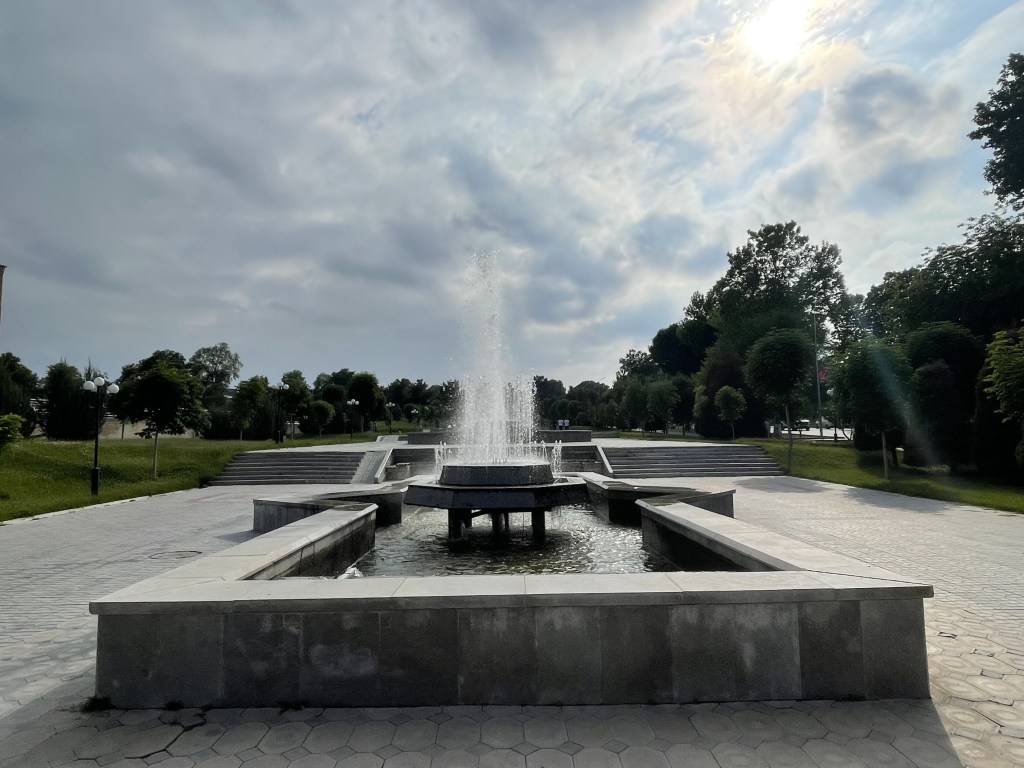
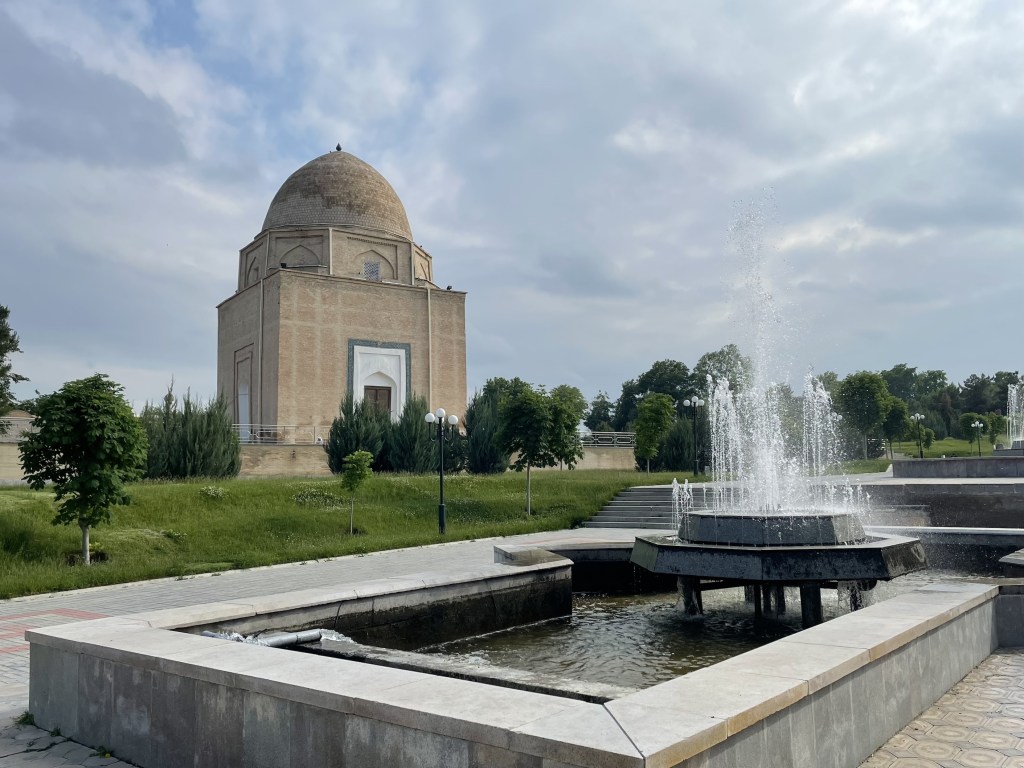
Next stop: Bukhara. There are lots of trains heading to Bukhara from Samarkand. You don’t need to buy tickets in advance, unless you’re really pressed for time and you have to take the Afrosiyob Train. The cheapest ticket on this train costs 178,000 Som (about USD 14) and the trip lasts for about an hour and 40 minutes. The other trains aren’t that much slower— trips last for about 2 1/2 to 3 hours, even on the sleeper trains. Tickets on these slower trains cost 121,000-128,000 Som each way (about USD 9.50 -10). To me, an hour difference is negligible, and these slower trains are comfy enough. I wouldn’t take the Afrosiyob train unless you have to catch a flight or something. If for some reason you want to skip Samarkand, it’s easy to take a train or bus from Tashkent. It takes about 4 hours on the Afrosiyob train and this would set you back 403,000 Som (about 32 bucks). It takes 6 1/2 hours on the Sharq train and a single journey ticket costs about 198,000 Som (about 16 bucks). If there are no seats left on the Afrosiyob and Sharq trains, then there’s no choice but to either take a sleeper train or a bus— this could take as long as 9 hours.
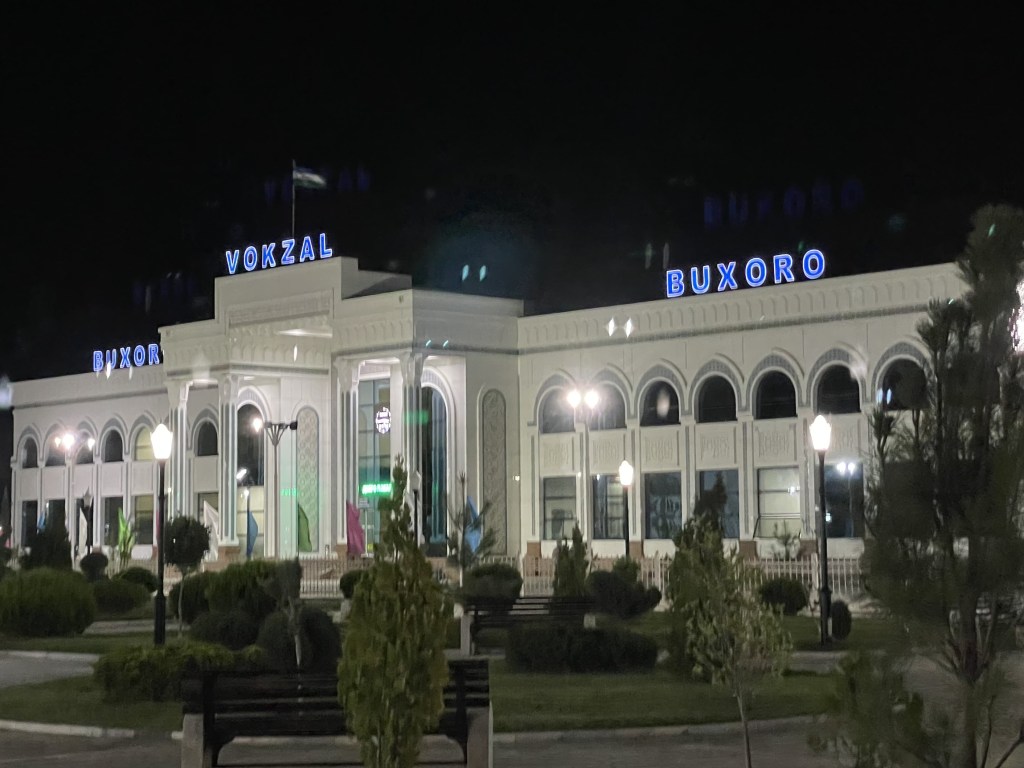
The train station in Bukhara is quite far from the historic center, but thankfully it’s also easy to get a Yandex in Bukhara no matter how early or late it is. As always, walk a bit before booking a ride because Yandex drivers won’t pick you up at the train station. I’d recommend staying near the historic center so most attractions are within walking distance. From the train station, it took me 30 minutes to reach the hostel just outside the historic center. For budget travelers, I’d highly recommend Dervish Hostel. It’s right outside the historic center, the free breakfast is a feast, it’s fairly new, and the staff were incredibly helpful.
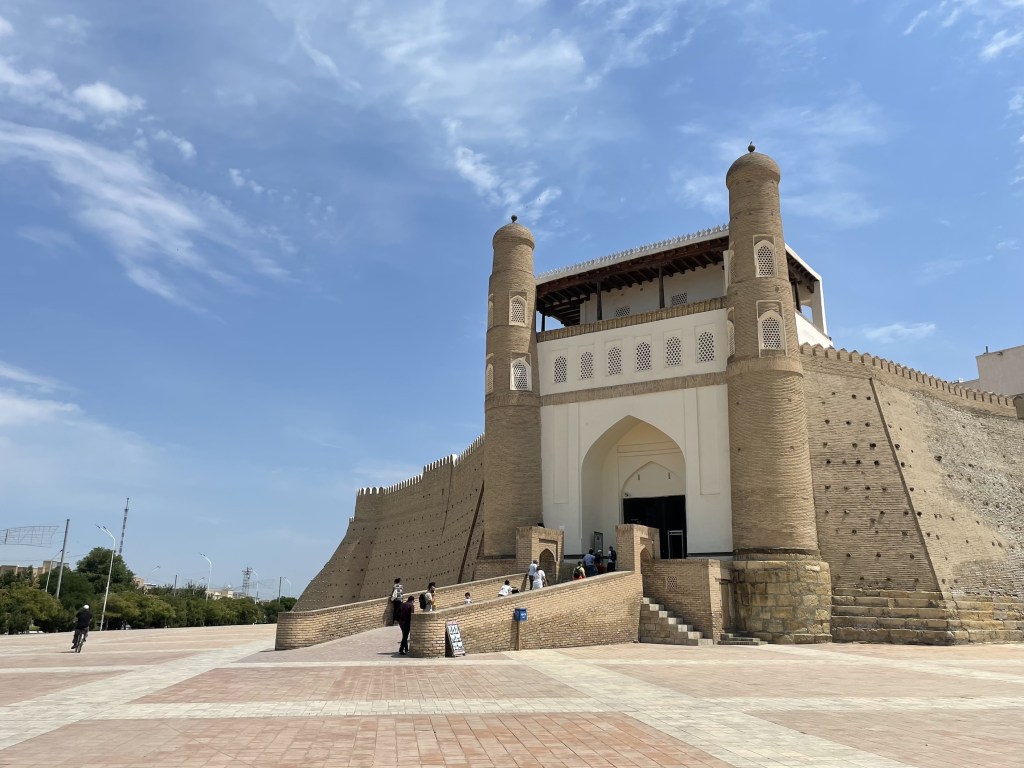
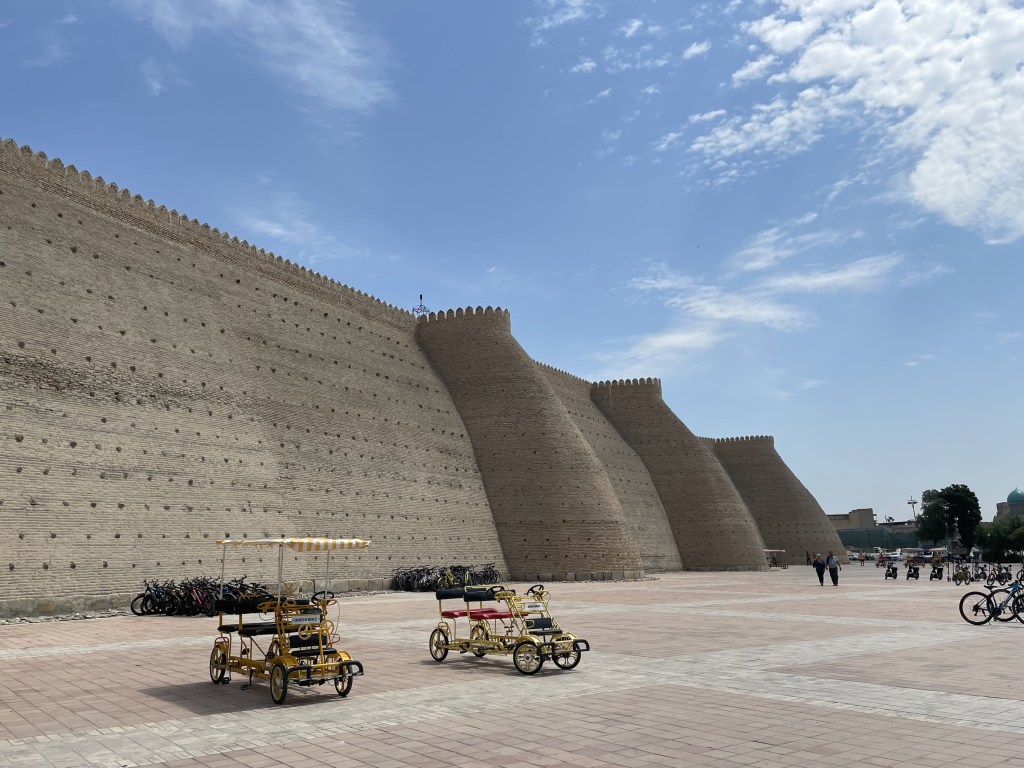
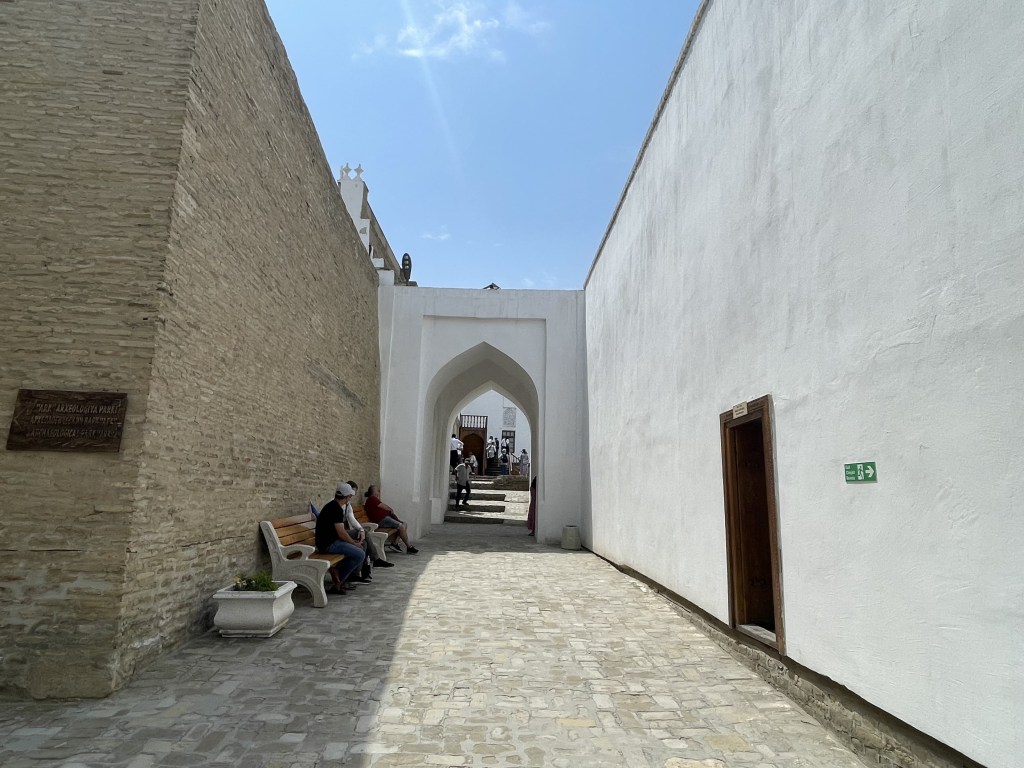
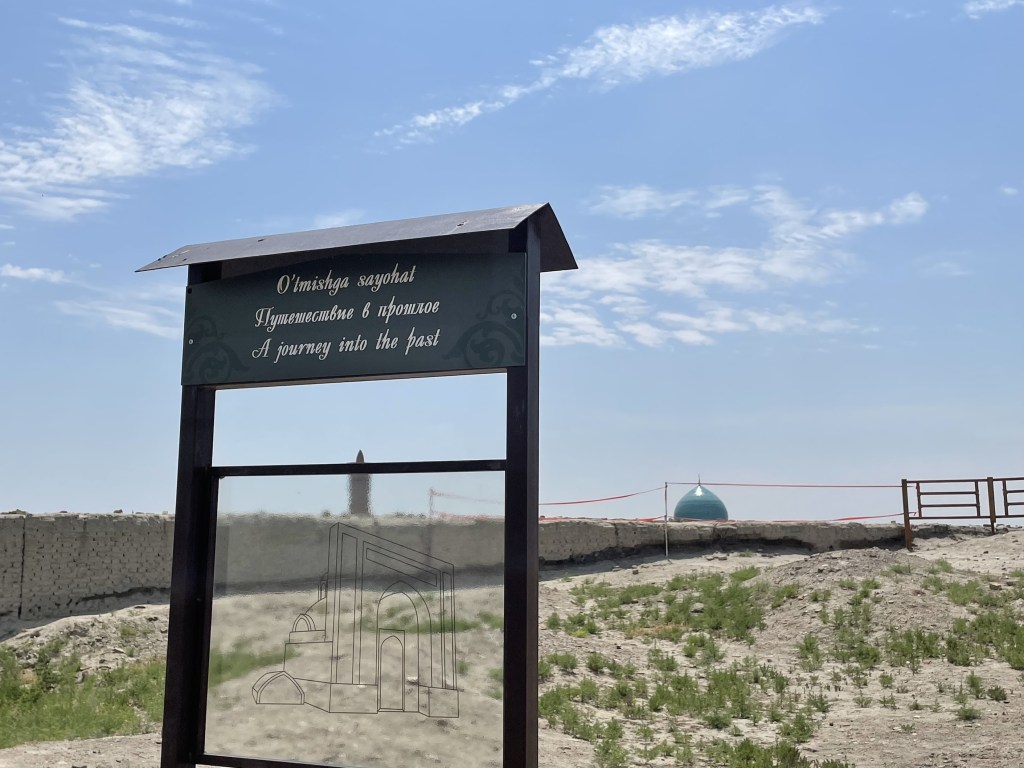
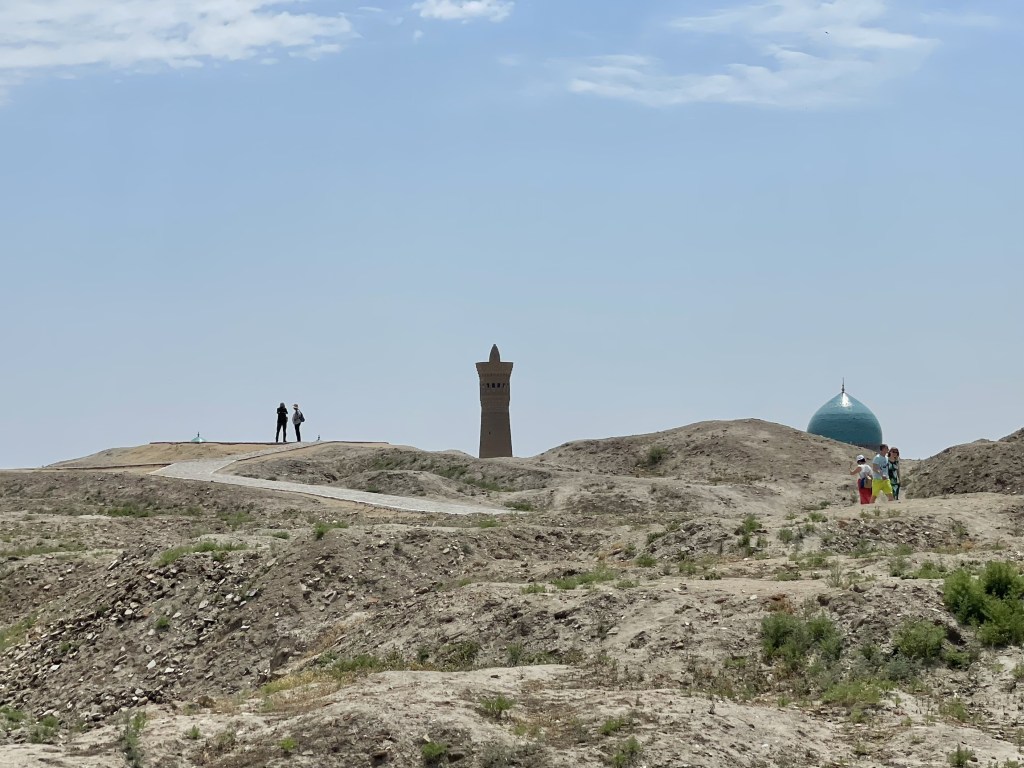
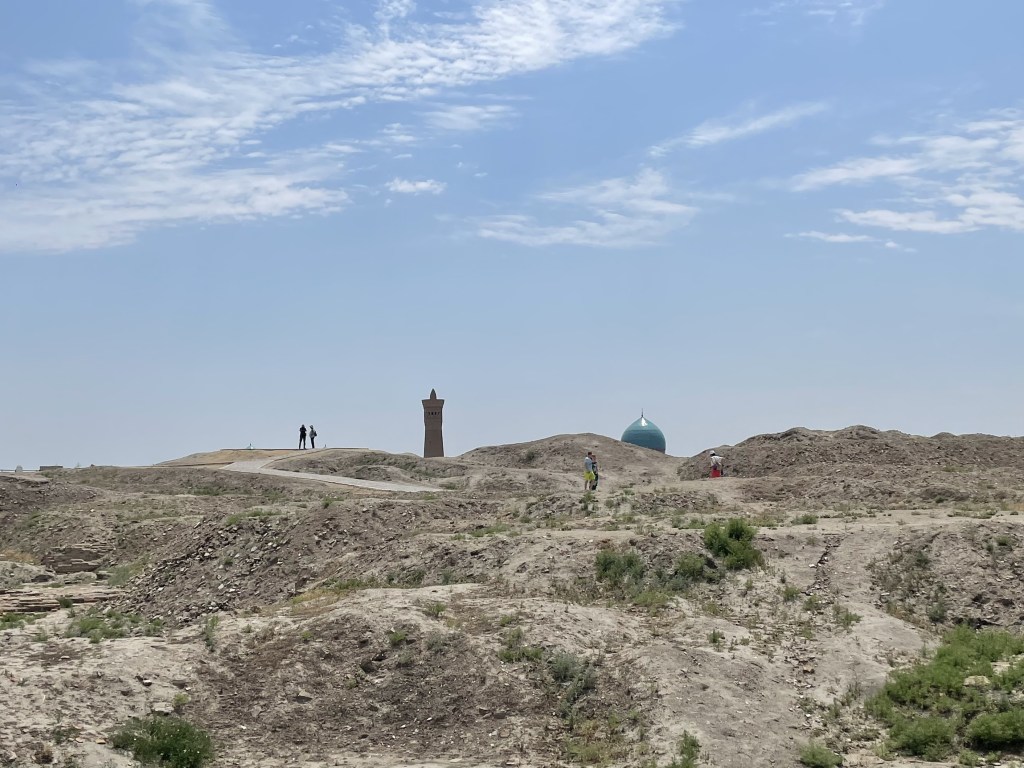
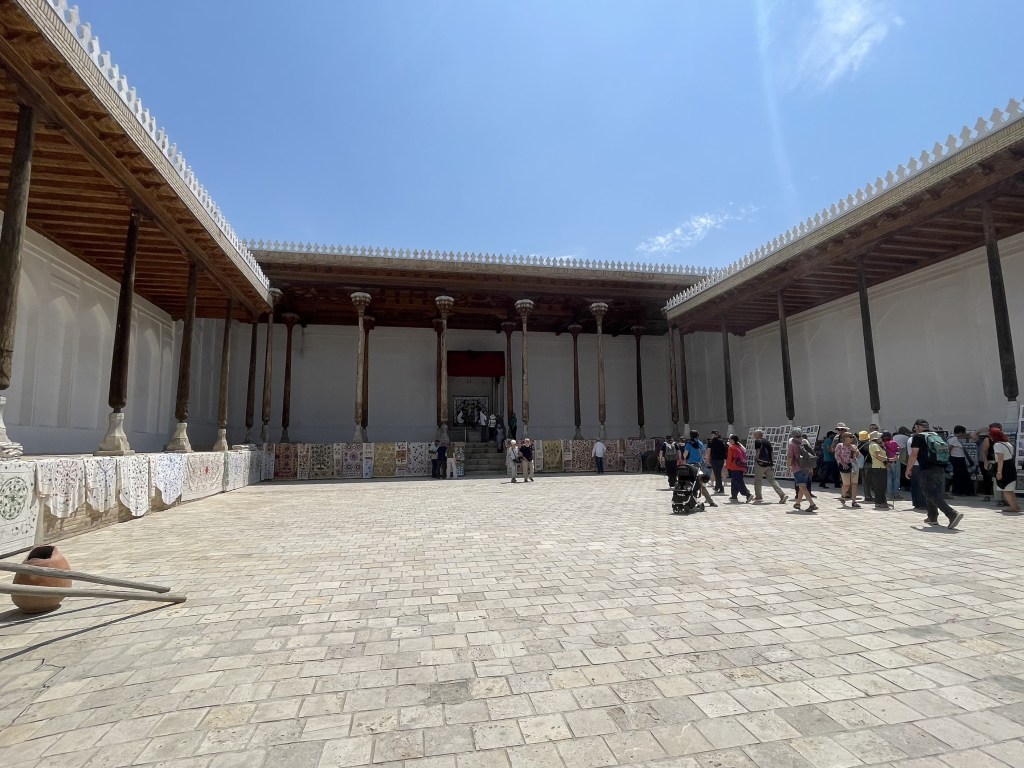
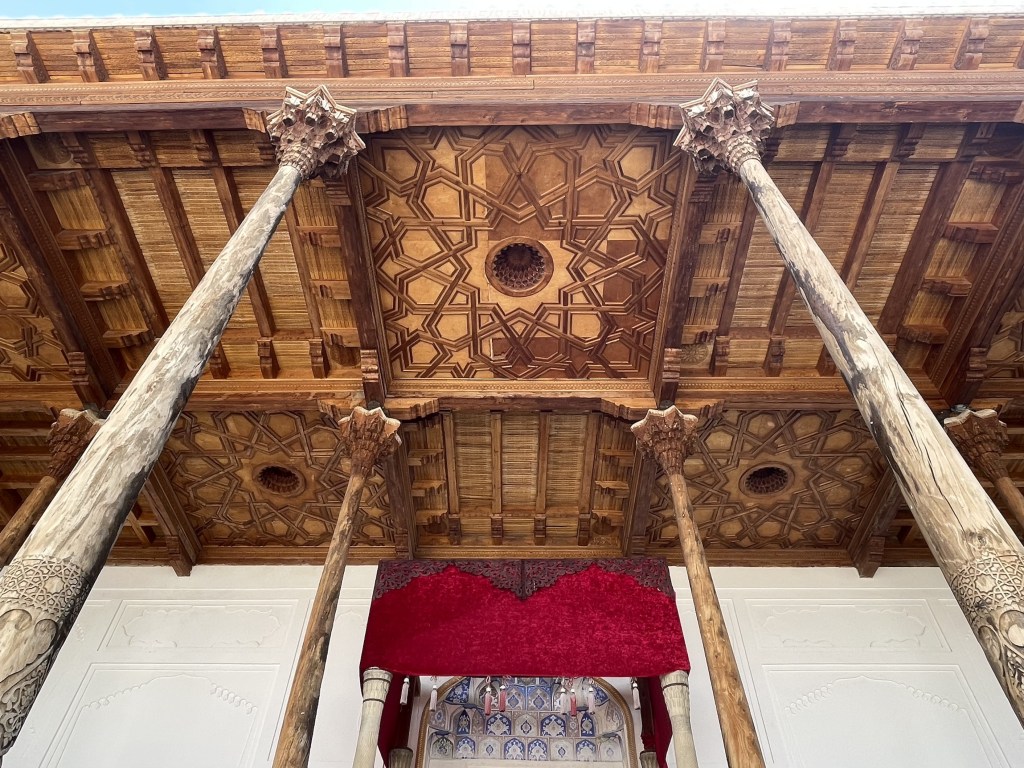
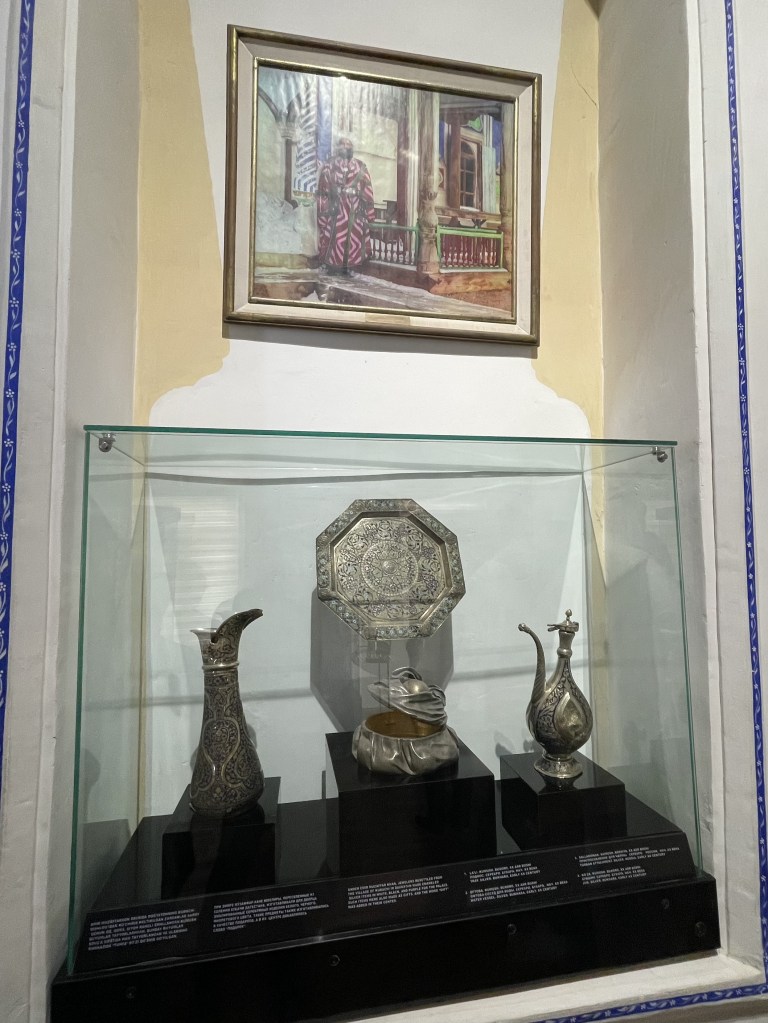
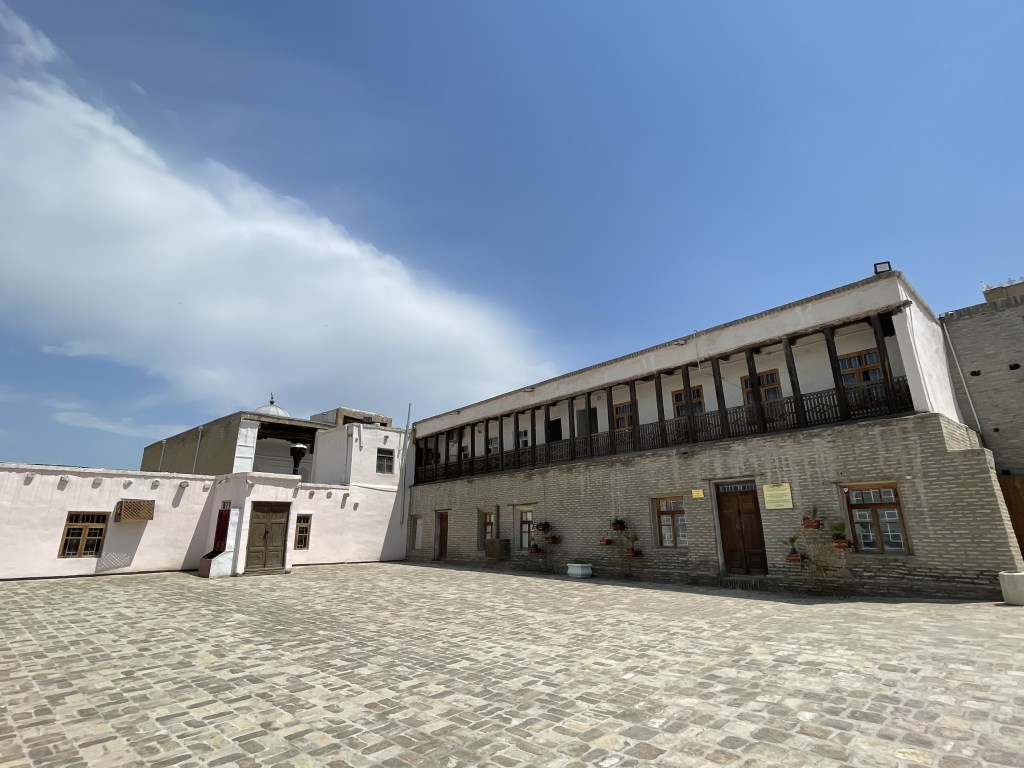
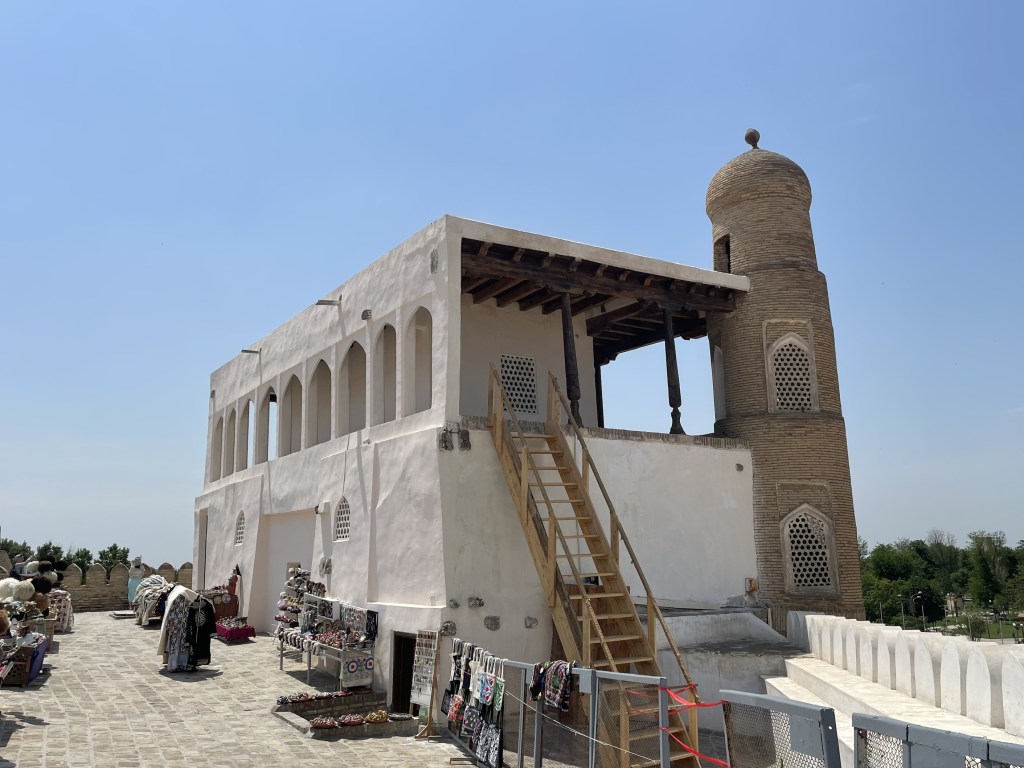
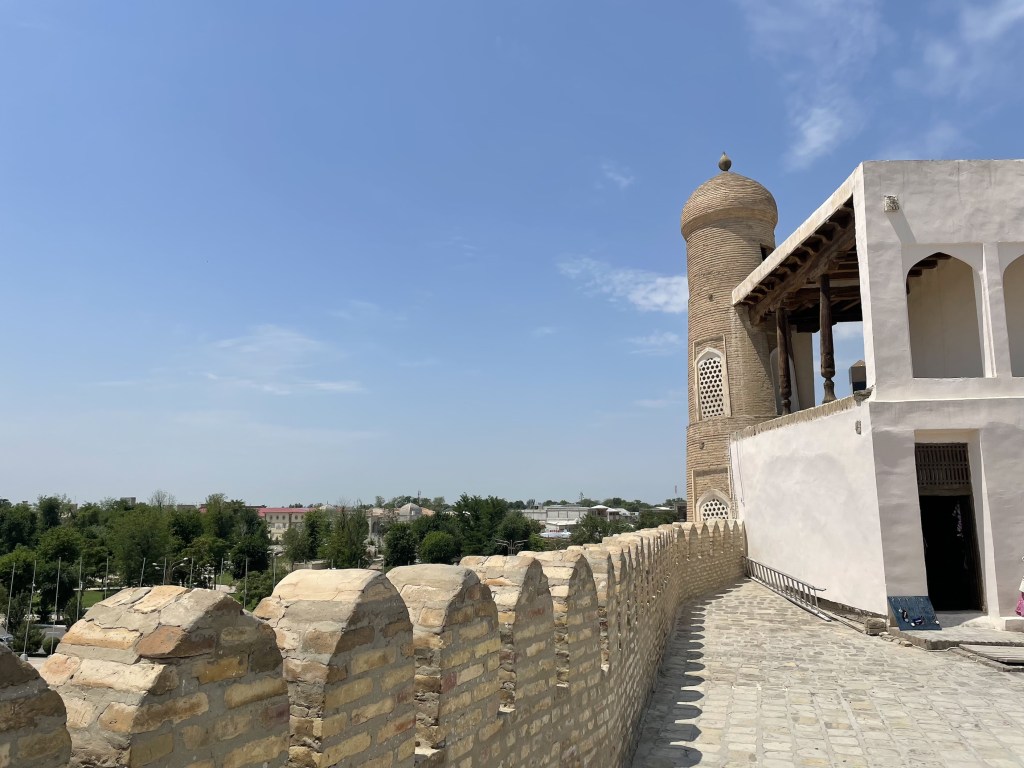
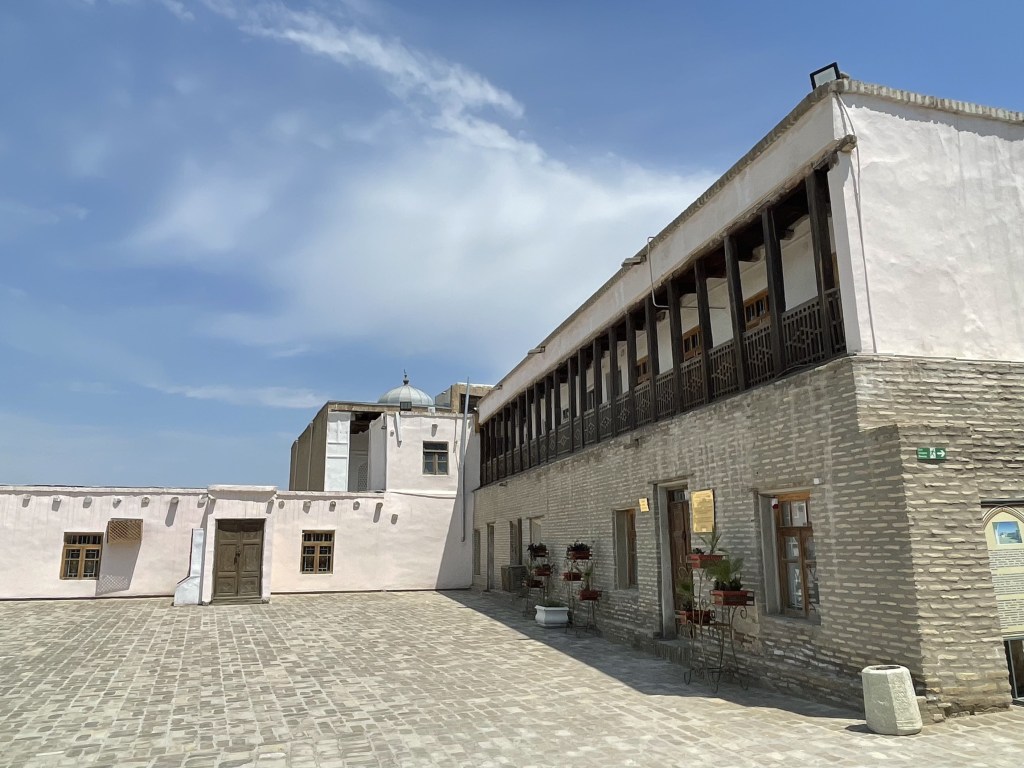
Of all the attractions in Bukhara, one thing that you shouldn’t miss is the Ark of Bukhara. It’s a massive fortress, dating all the way back to the 5th century. It is the oldest structure in Bukhara. It was basically a city within a city, and there’s even an archeological site inside. There are lots to see inside, you could easily spend half a day here. It’s worth paying the 60,000 Som (about 5 bucks) entrance fee IMO.




Other attractions worth checking out:
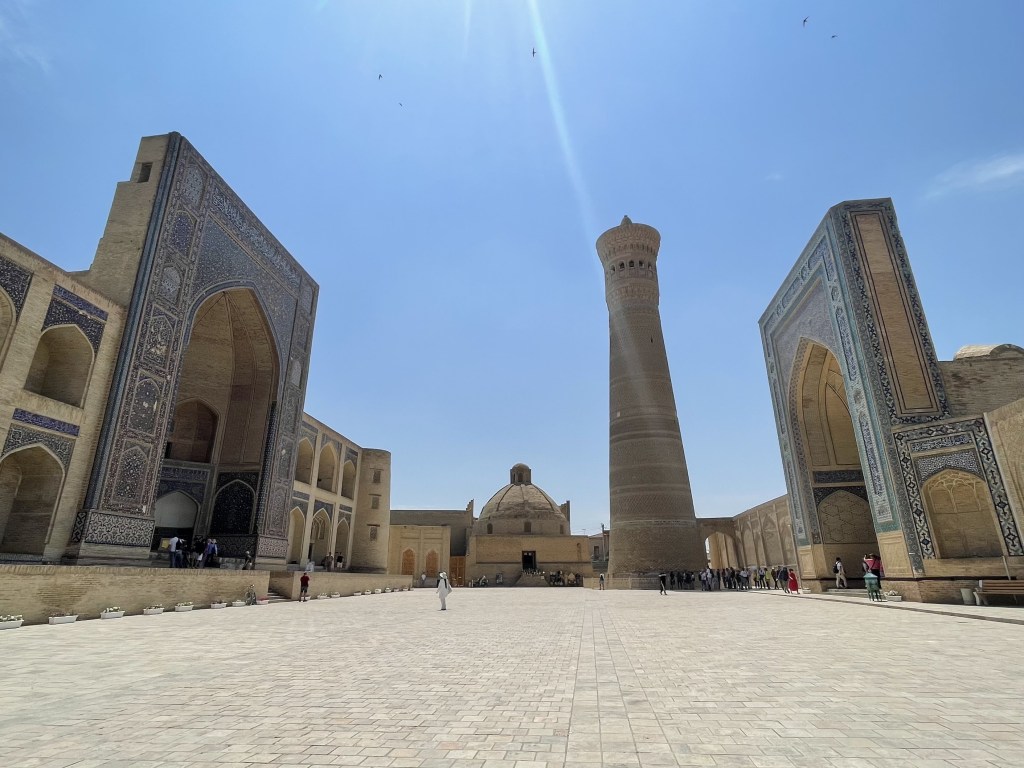
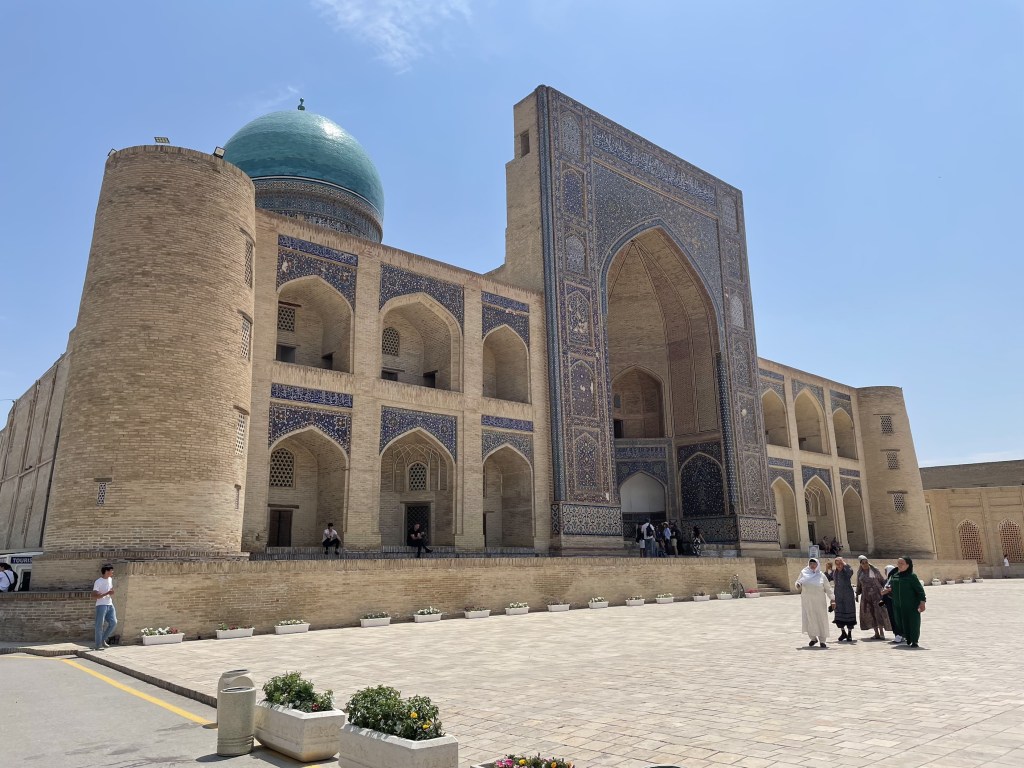
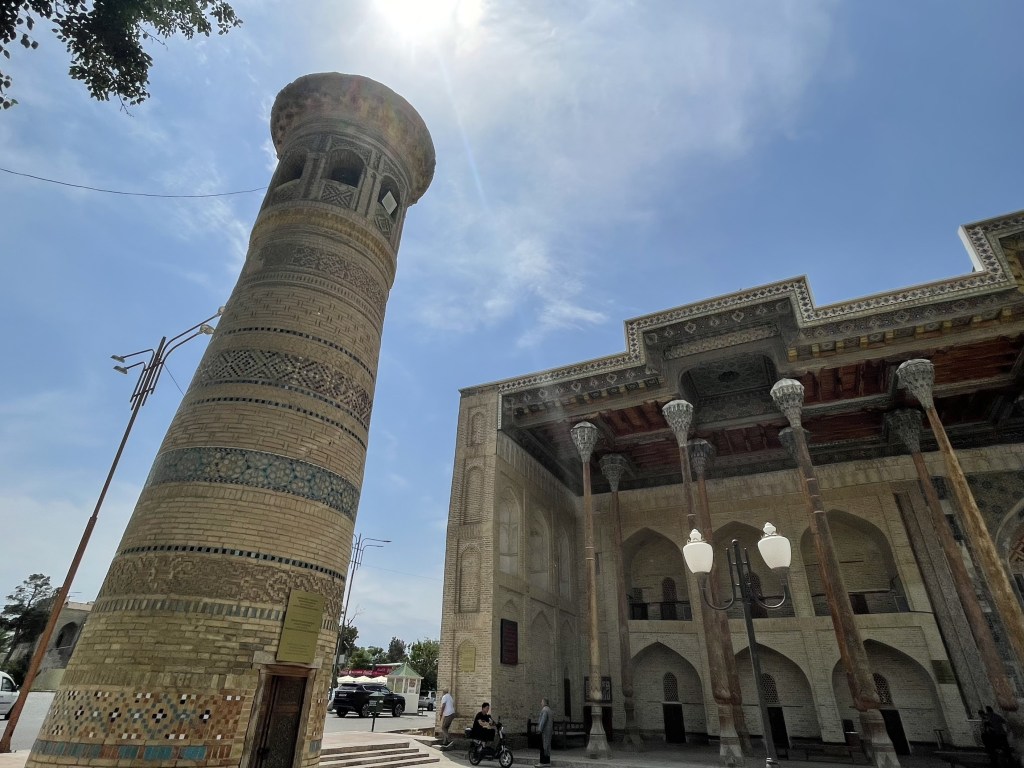
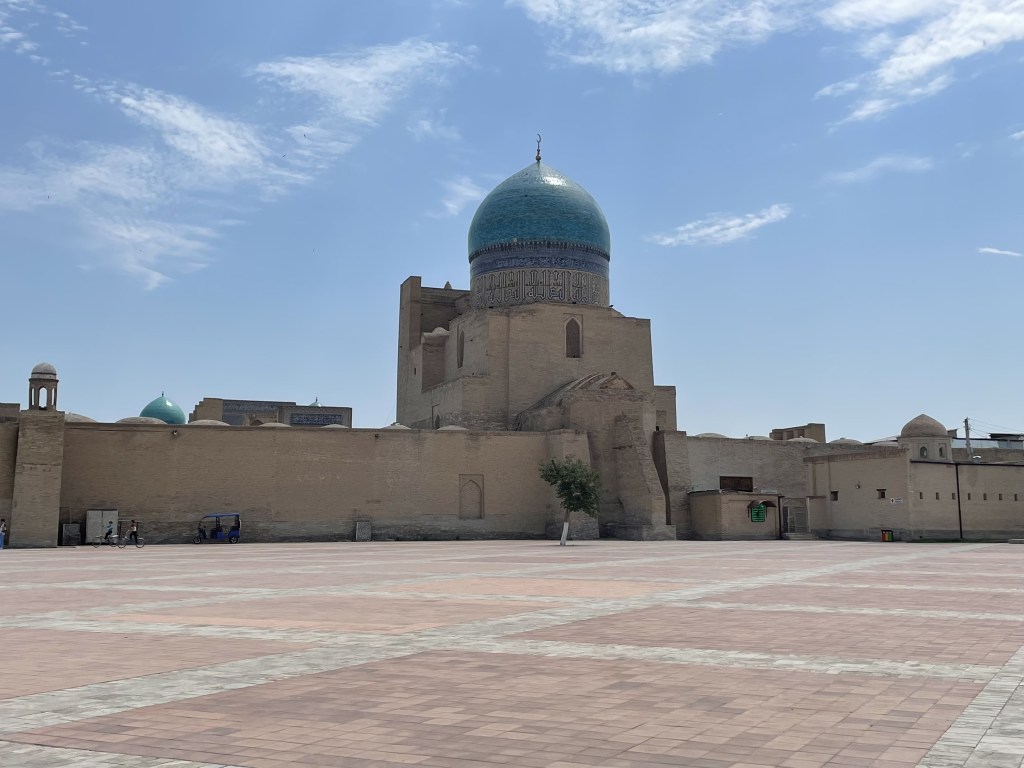
- The Po- I – Kalyan ensemble, which is Bukhara‘s answer to the Registan in Samarkand. Here you’ll find the Kalyan Mosque (the largest Mosque in Bukhara, and costs 20,000 Som to enter), the Mir-I-Arab Madrasah, and the jaw dropping Kalyan Minaret.
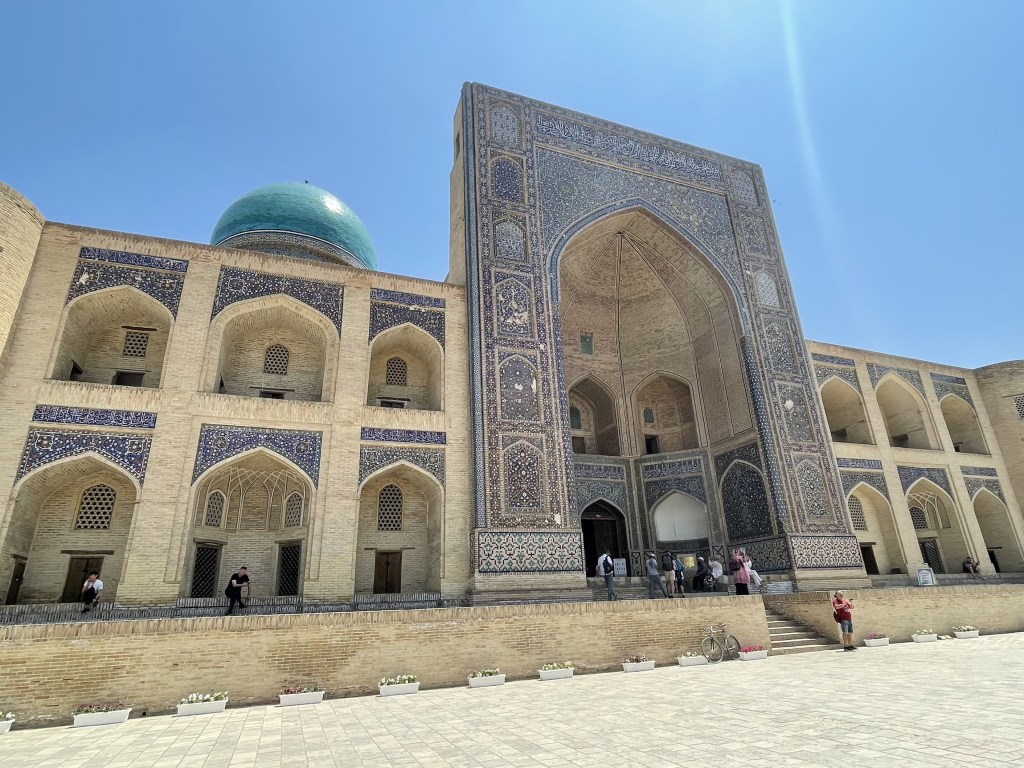
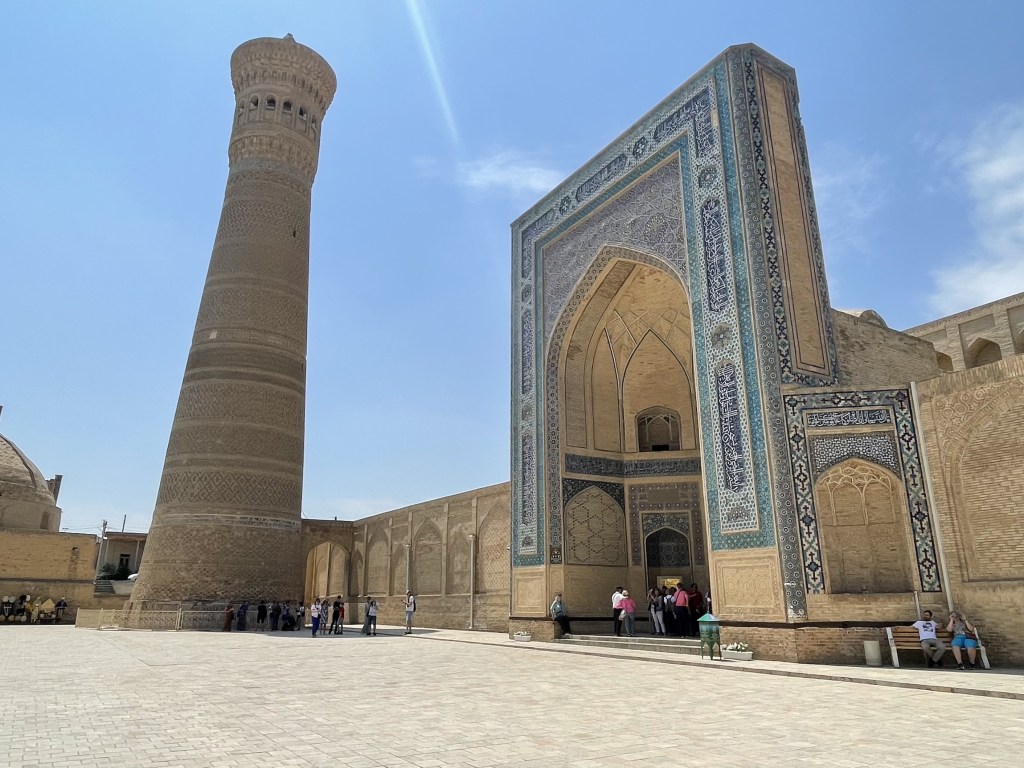
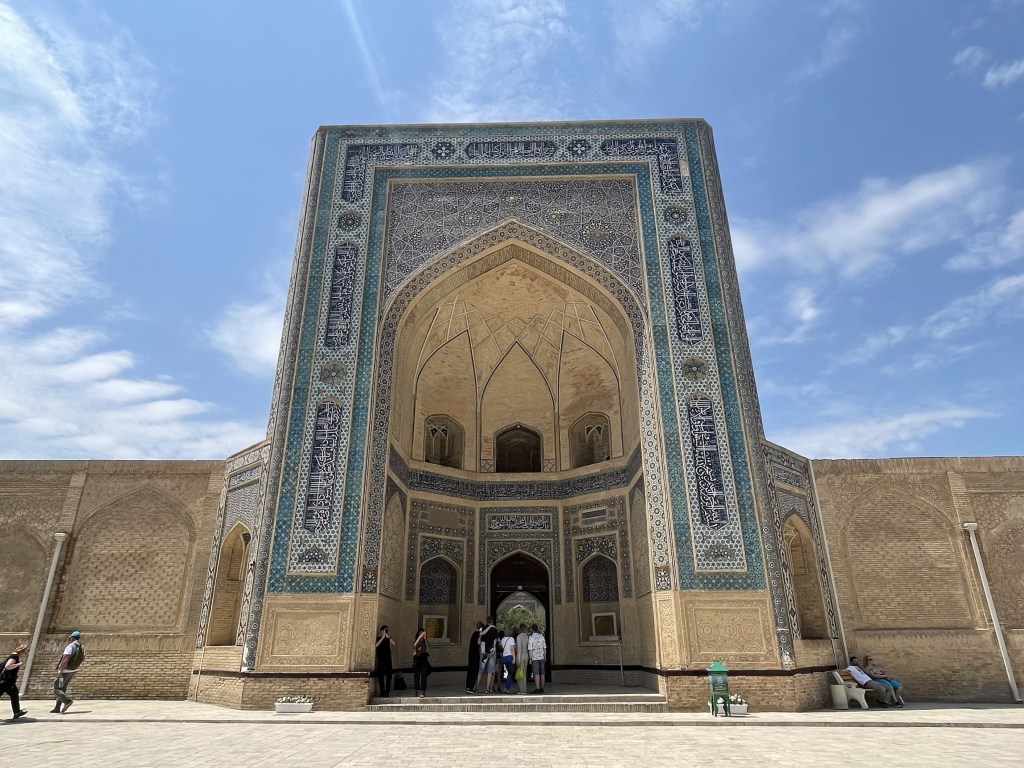
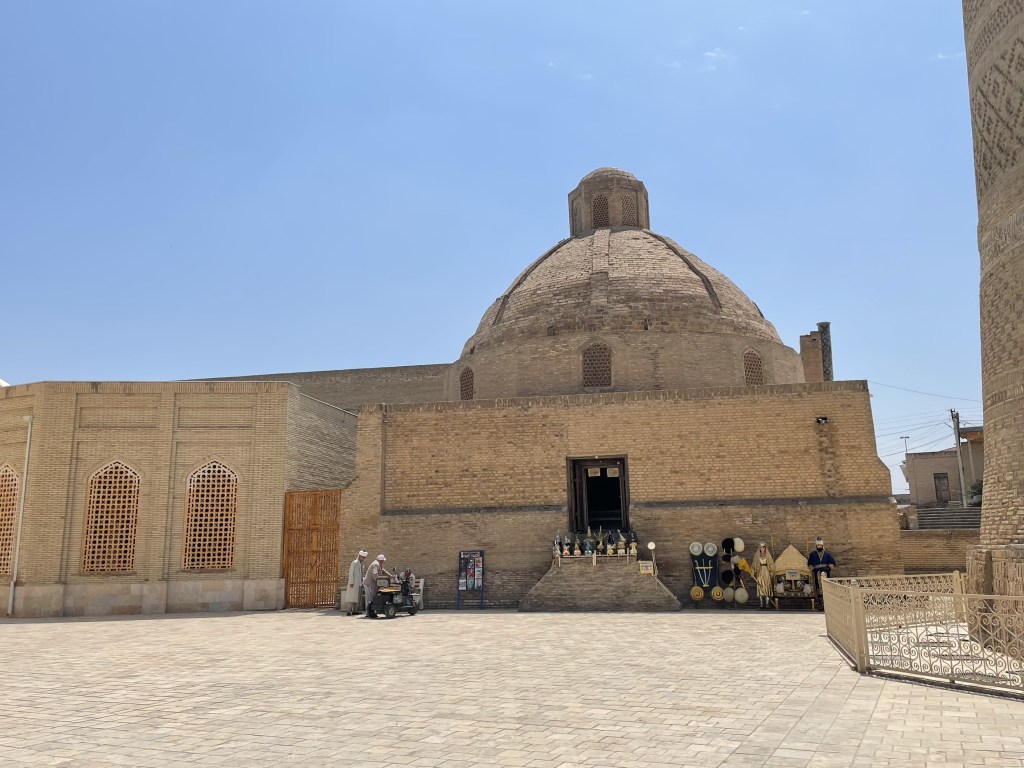
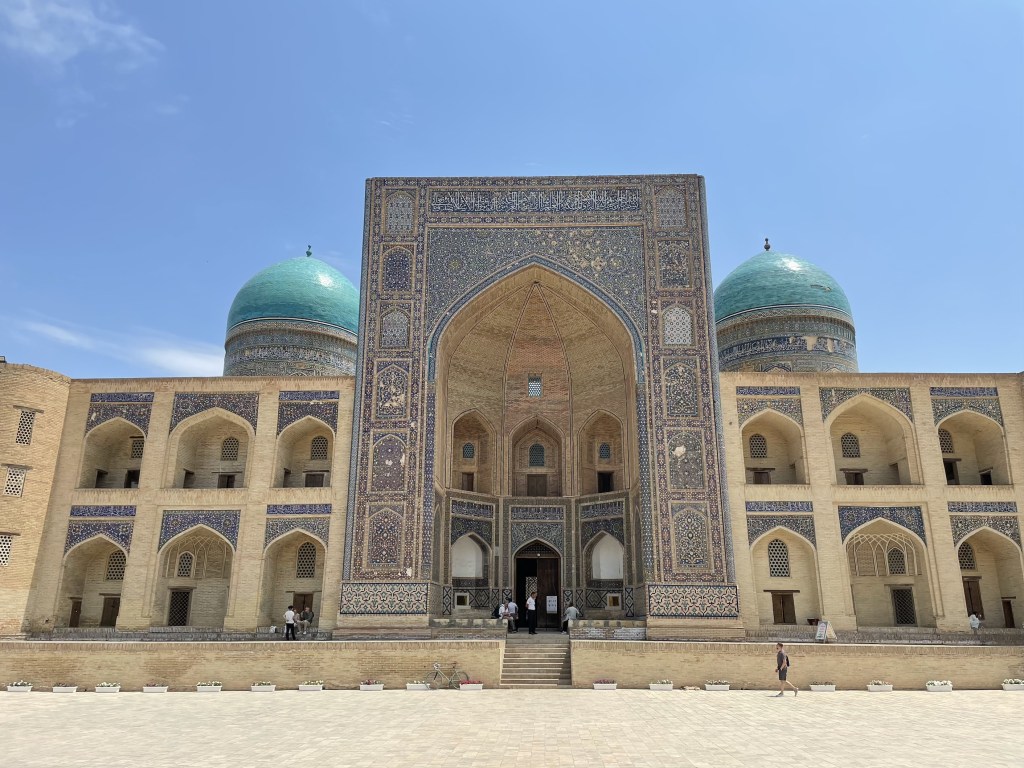
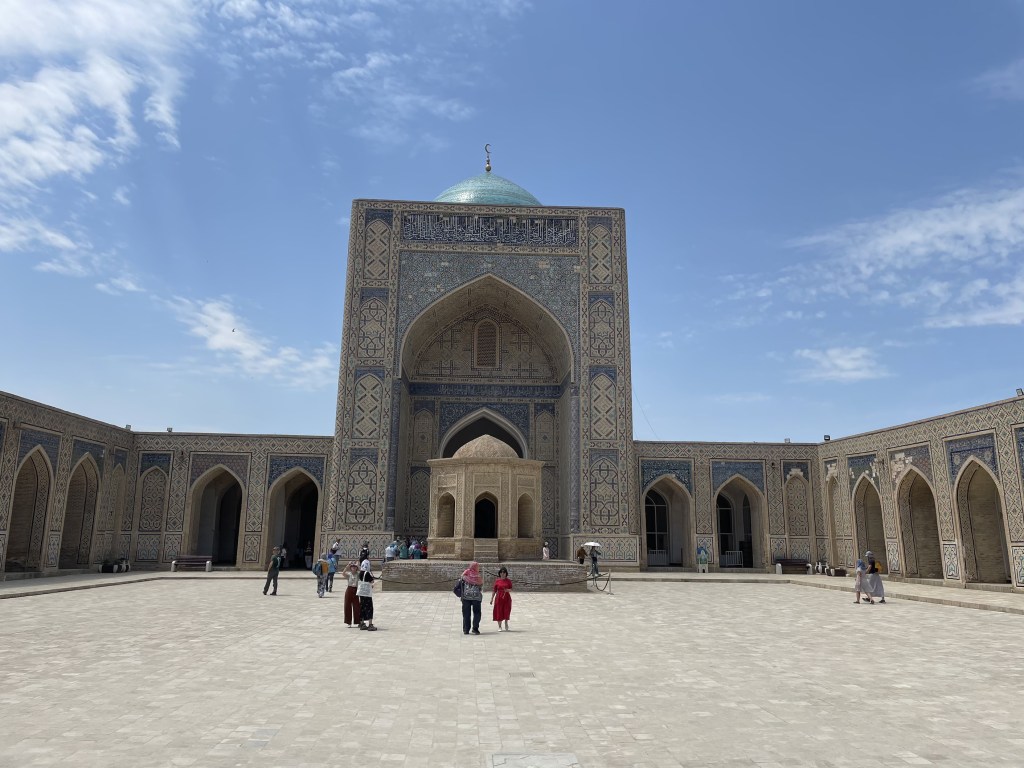
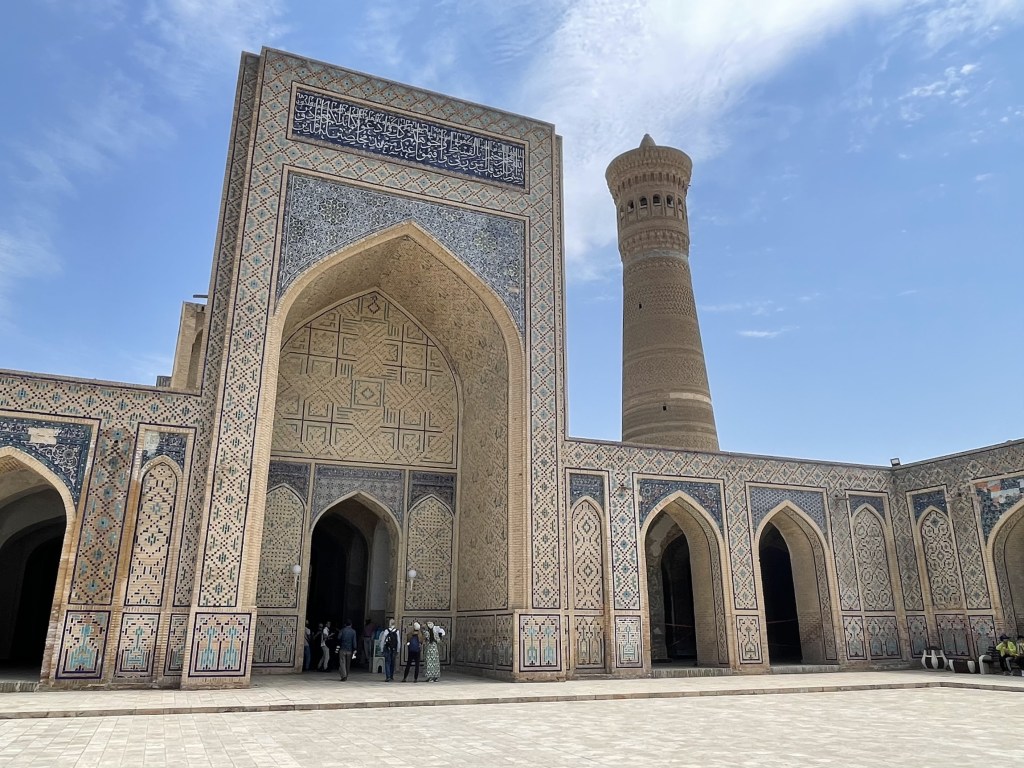

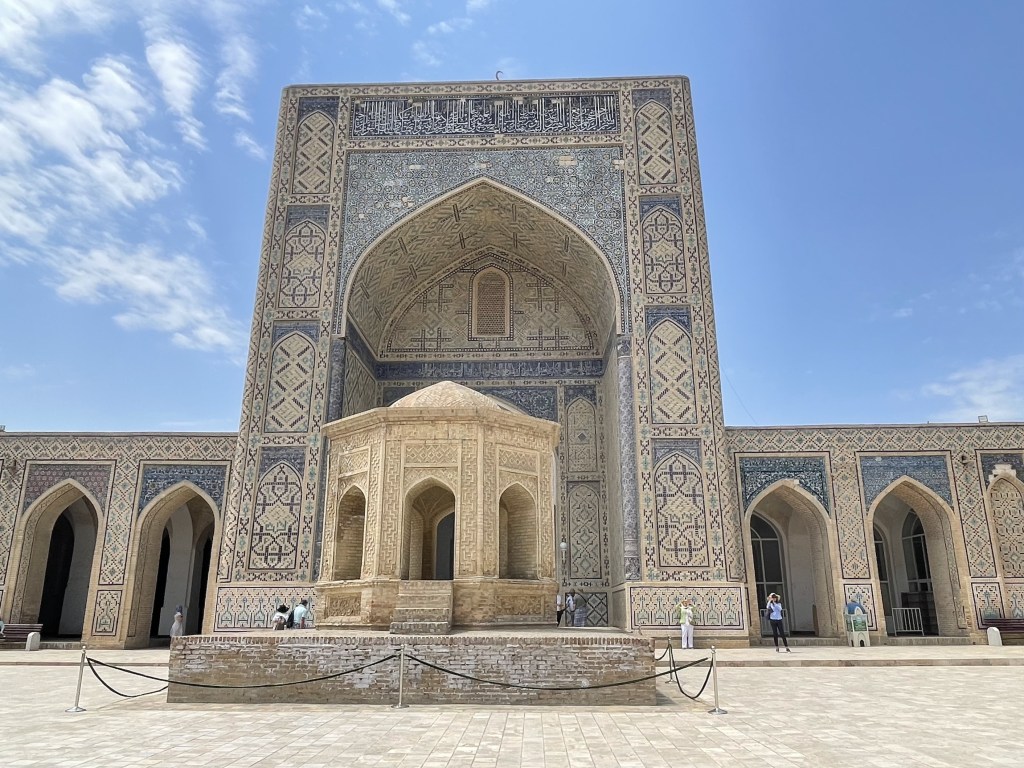
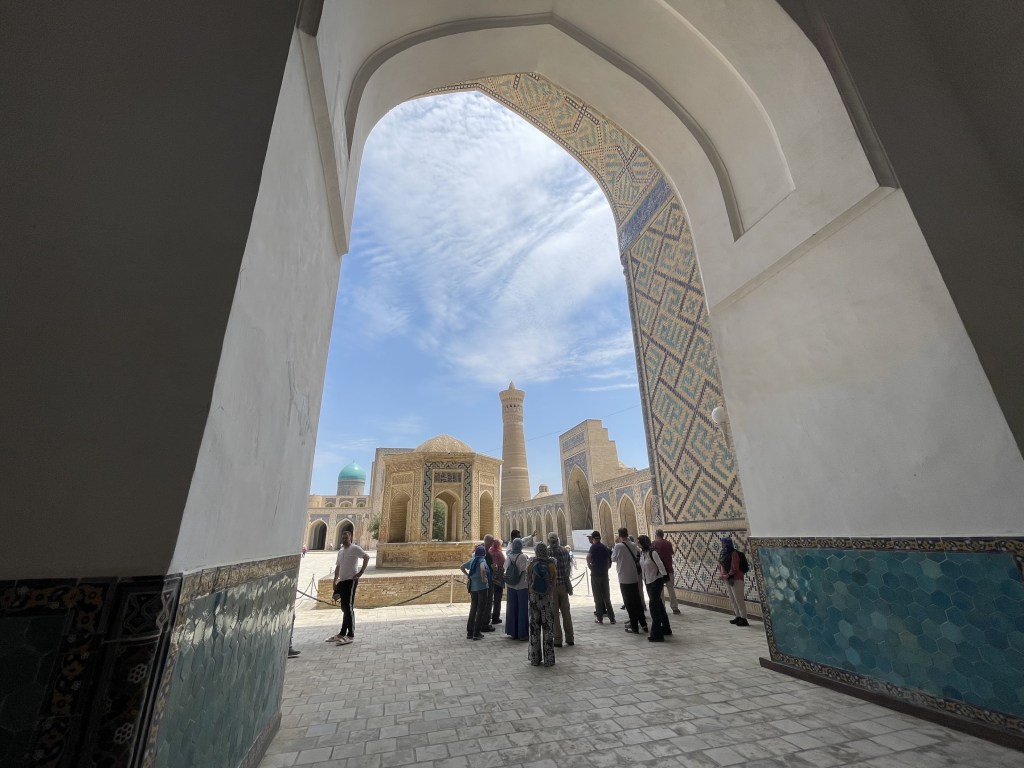
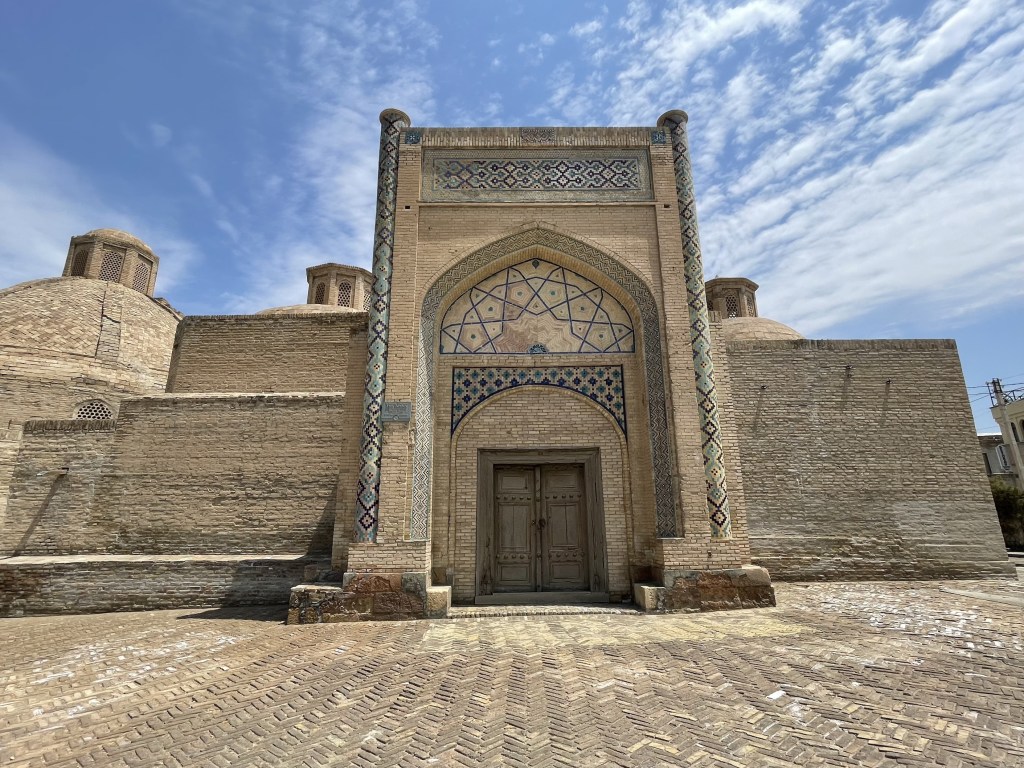
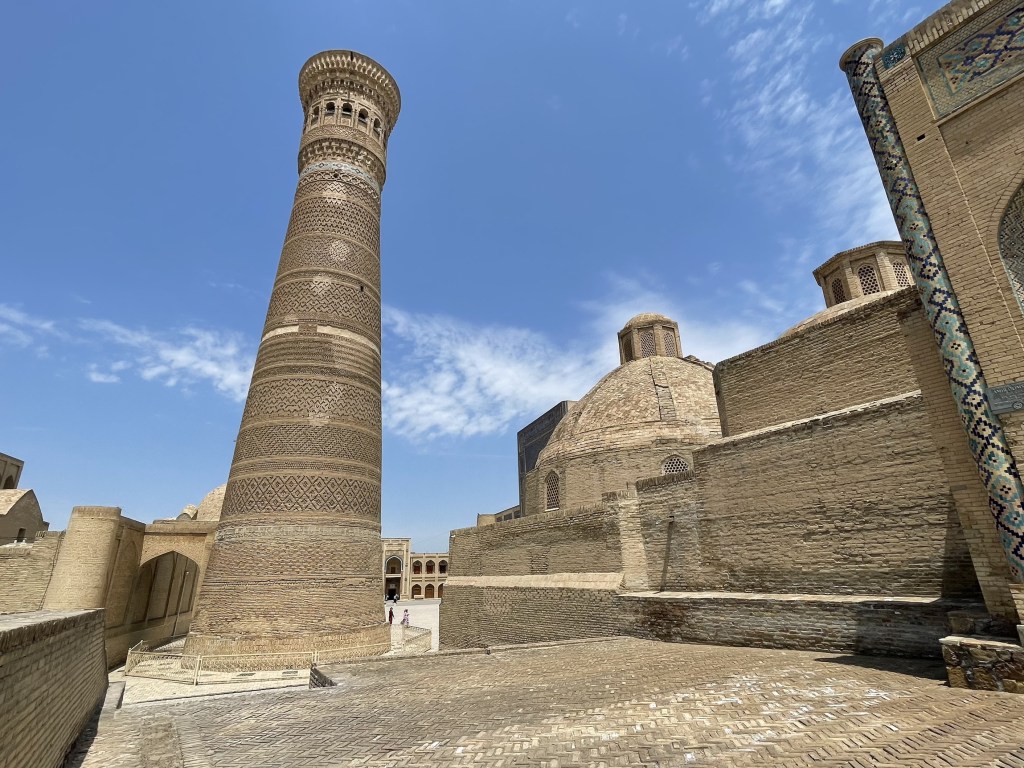
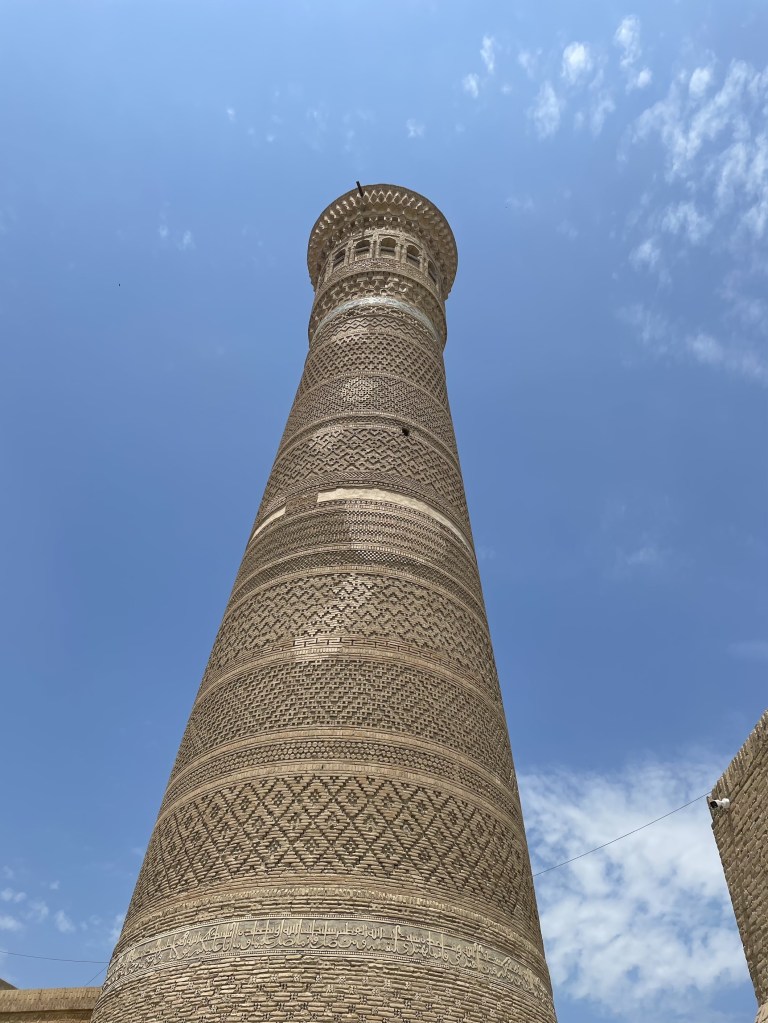
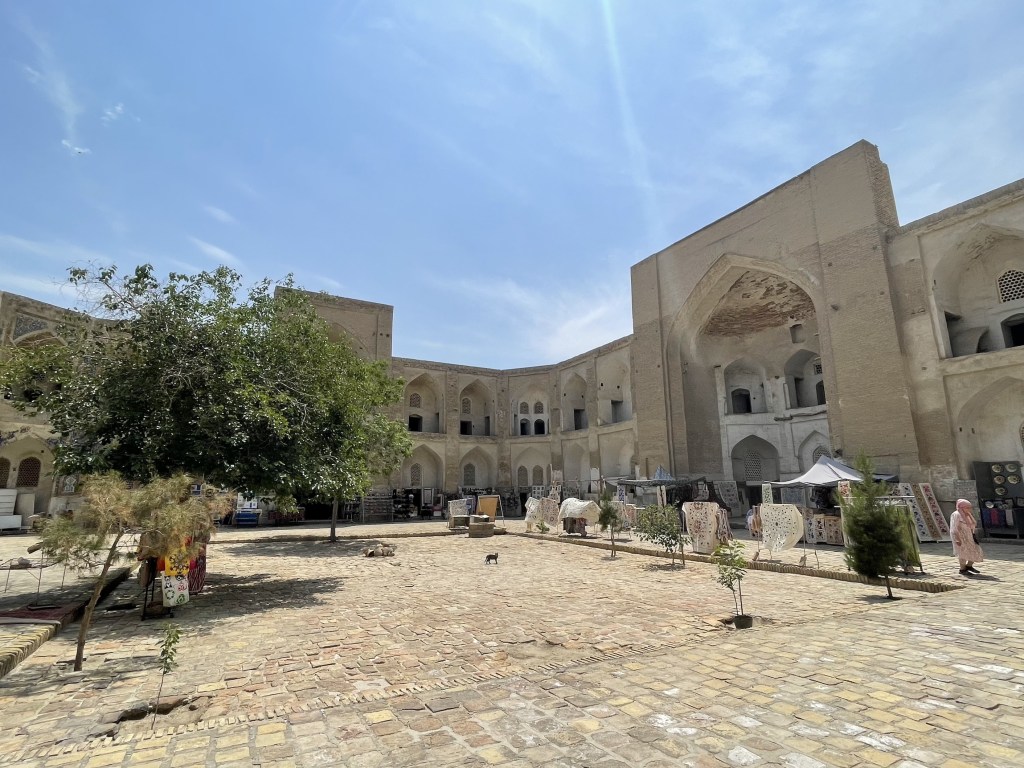
- The Ulugbek Madrasah and the Abdulaziz Khan Madrasah, which are across from each other. These Madrasahs are close to the Po- I – Kalyan ensemble. Inside, there are stalls selling local handicrafts.

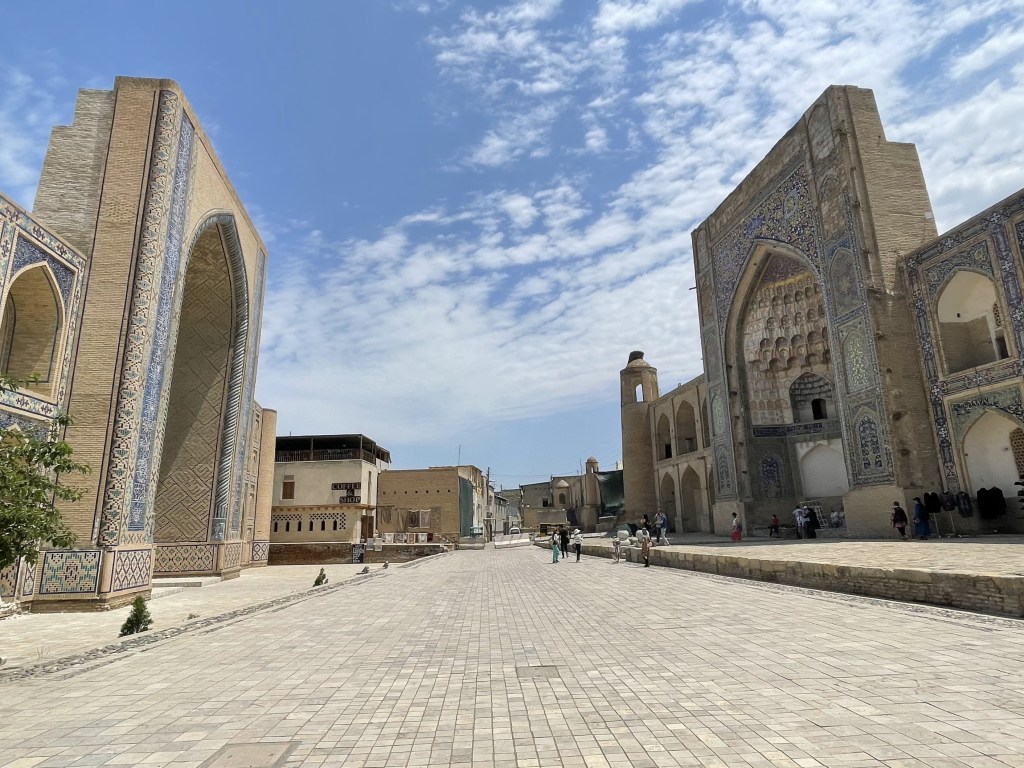
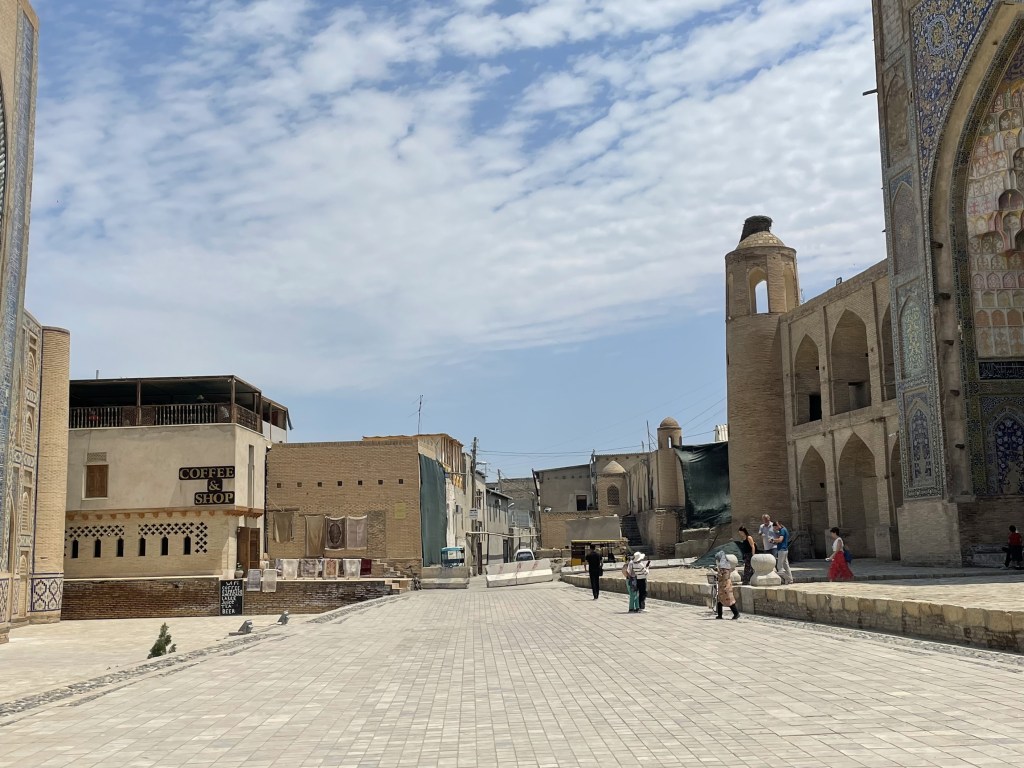
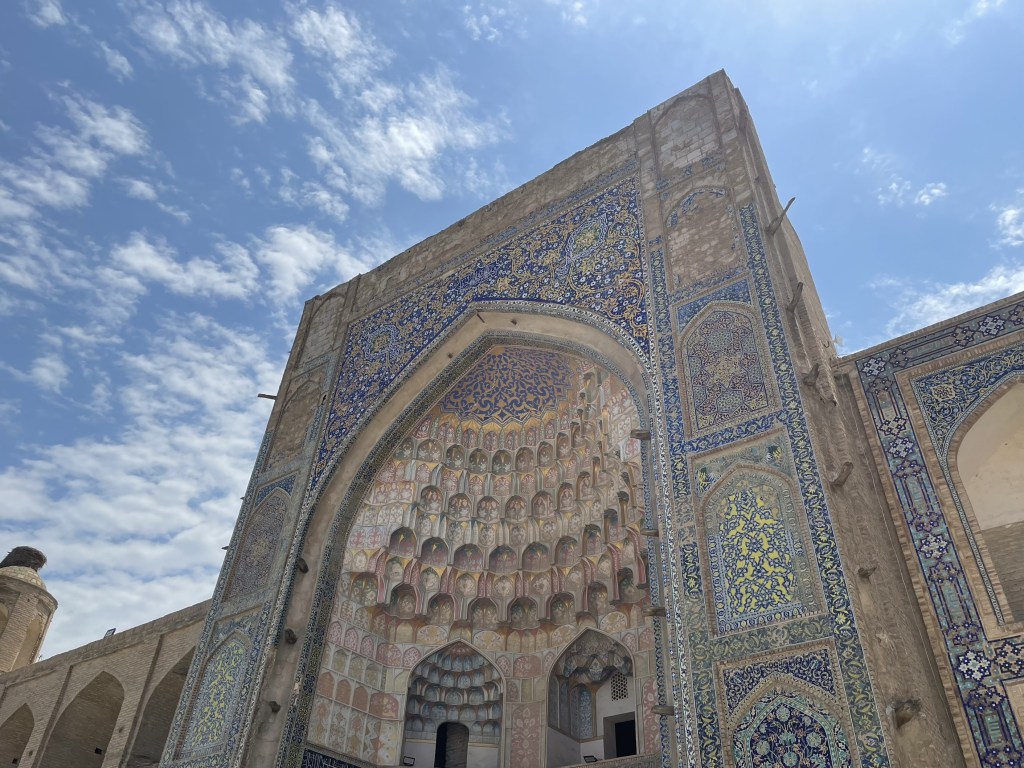

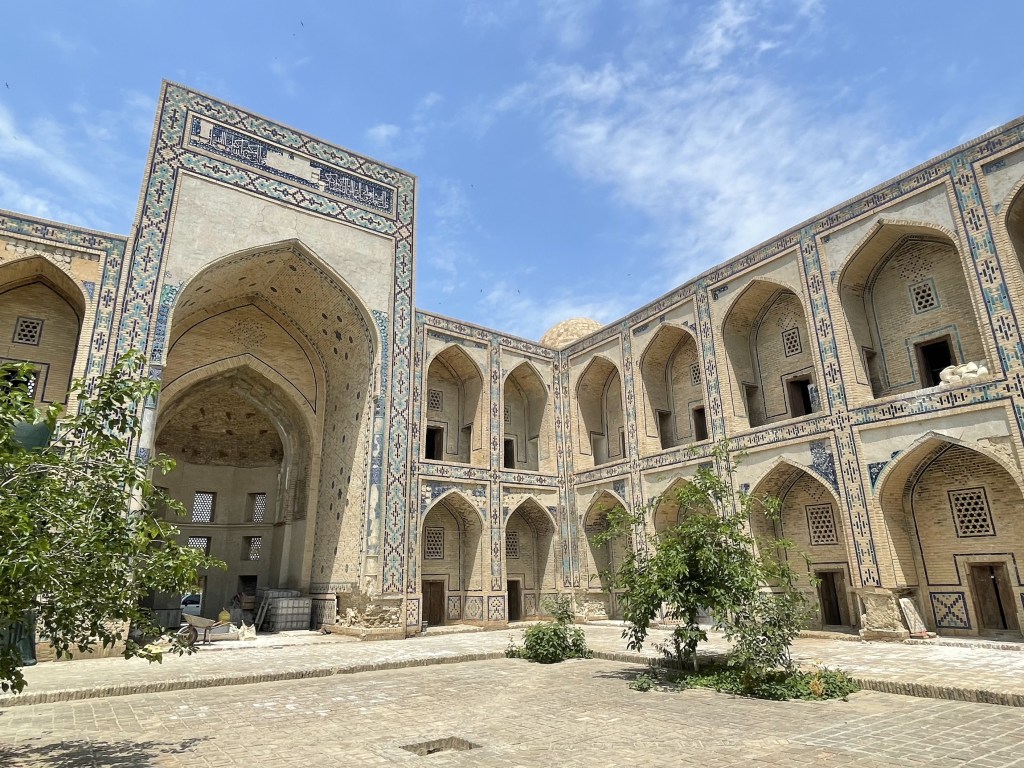
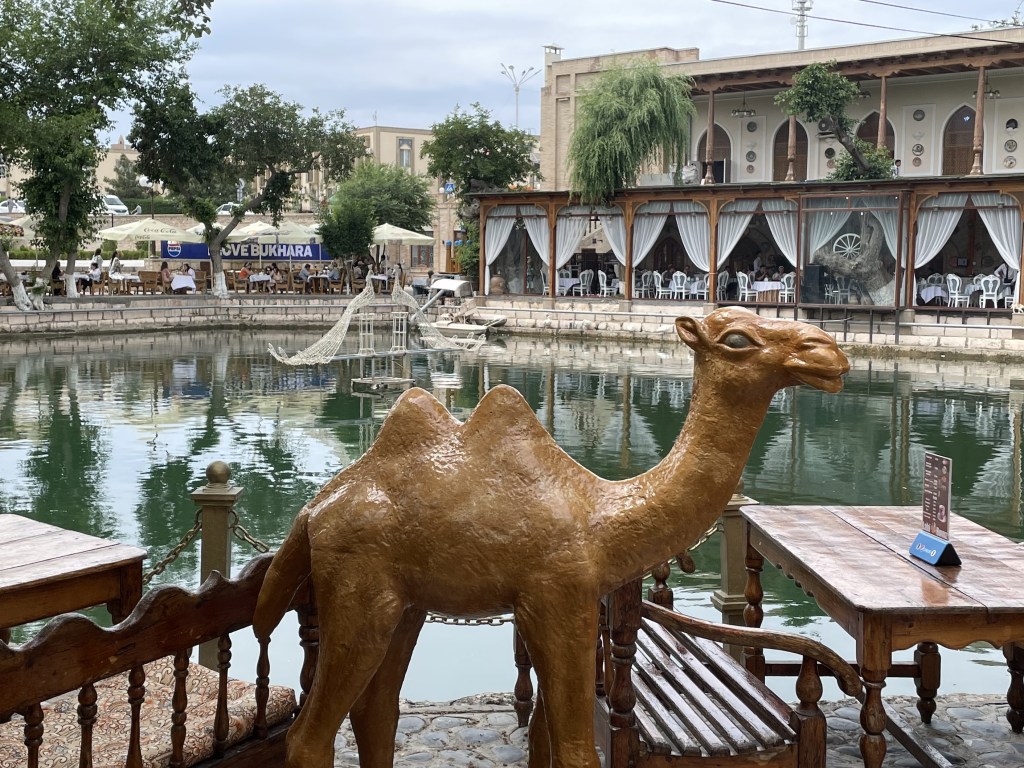
- The Lyab- I – Haus ensemble, where several structures surround a huge pond. In this area, you’ll find the Kukaldosh Madrasah and the Nodir Devonbegi Madrasah. The most popular attraction here seems to be the statue of Nasreddin Hodja, a character in numerous short stories in the Muslim world. You’d see a crowd of people taking pictures with this statue all day. There are lots of restaurants and shops in this area, and it’s a great place to chill and unwind.

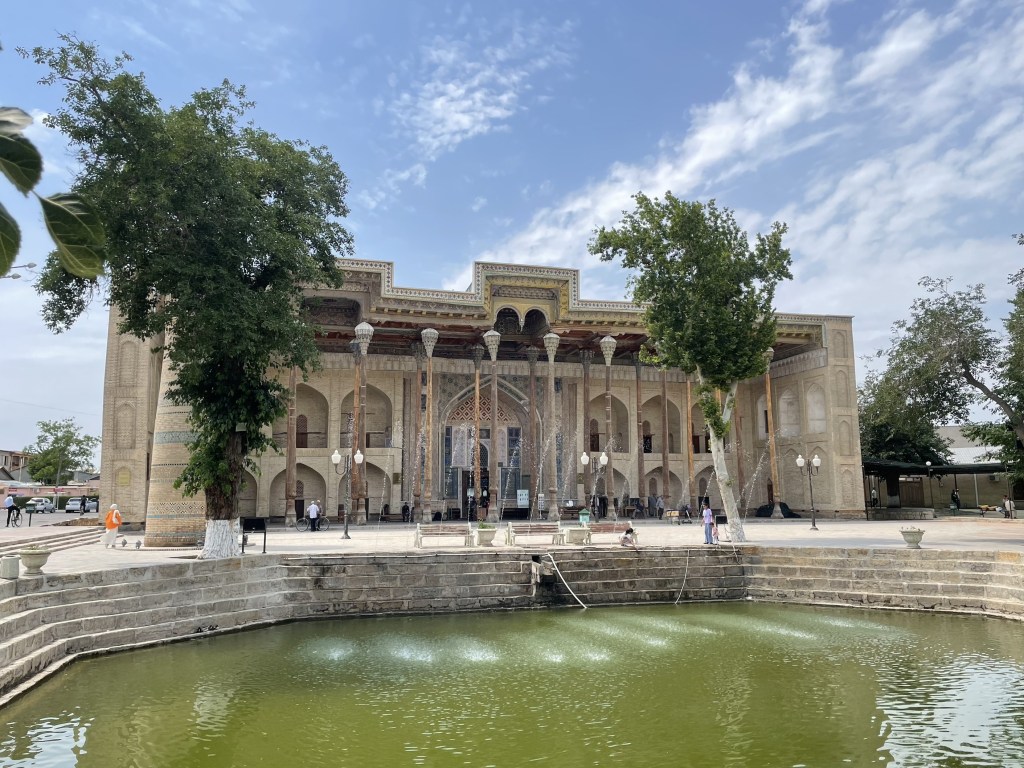
- The Bolo Khauz Mosque, which is across the street from the Ark of Bukhara. The complex design and architecture is truly impressive.

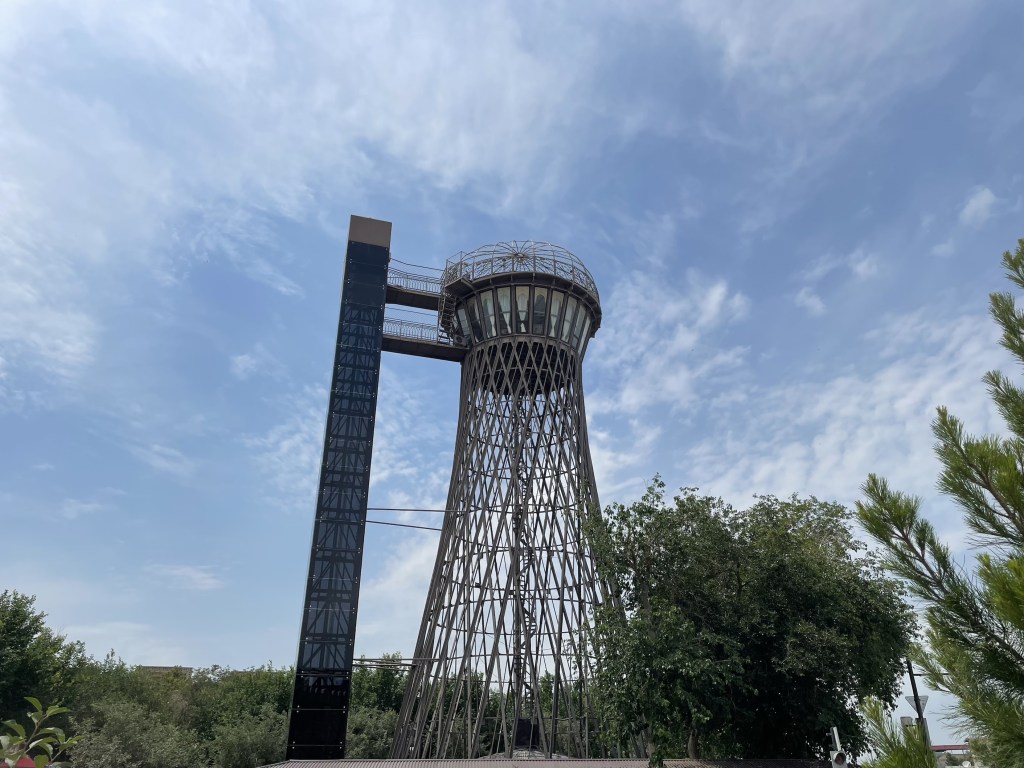
- The Sukhov Water Tower, which is also across the Ark. I wasn’t really impressed by this one, but it’s just outside the Ark so might as well check it out, at least from the outside. If you have money to spare, there’s a pricey restaurant on the second floor, and a viewing deck on the third. It costs 40,000 Som (about 3 bucks) to access the viewing deck.
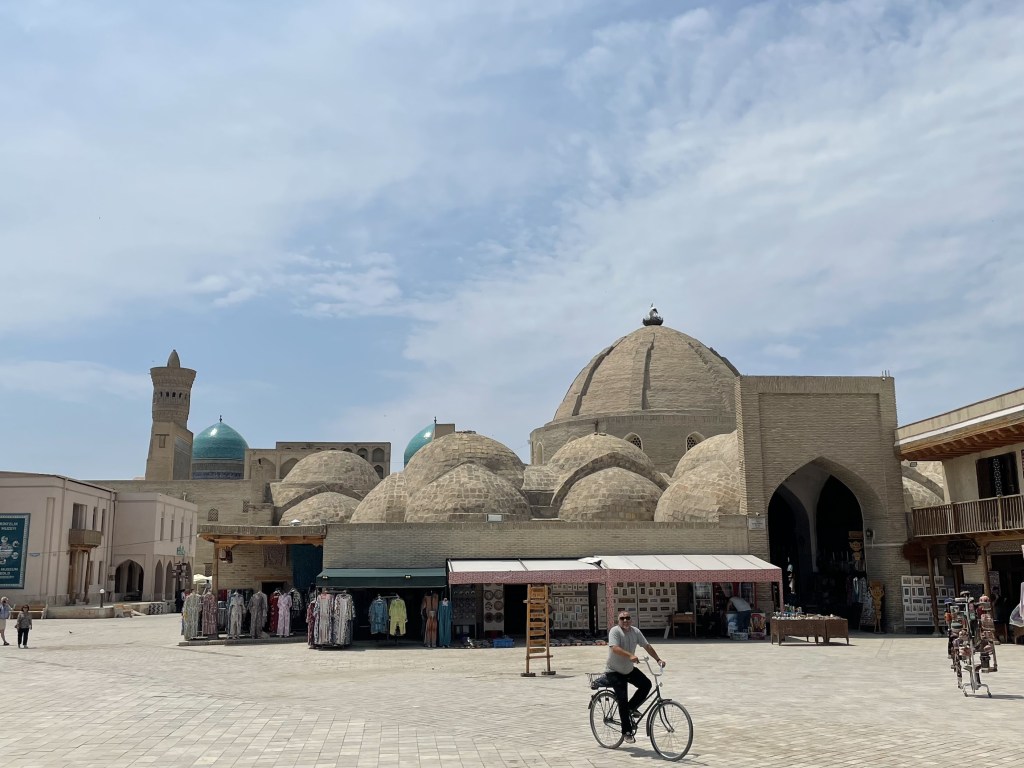
- Various Bazaars at the Historic Center. You can’t miss these. These are inside those dome like structures.
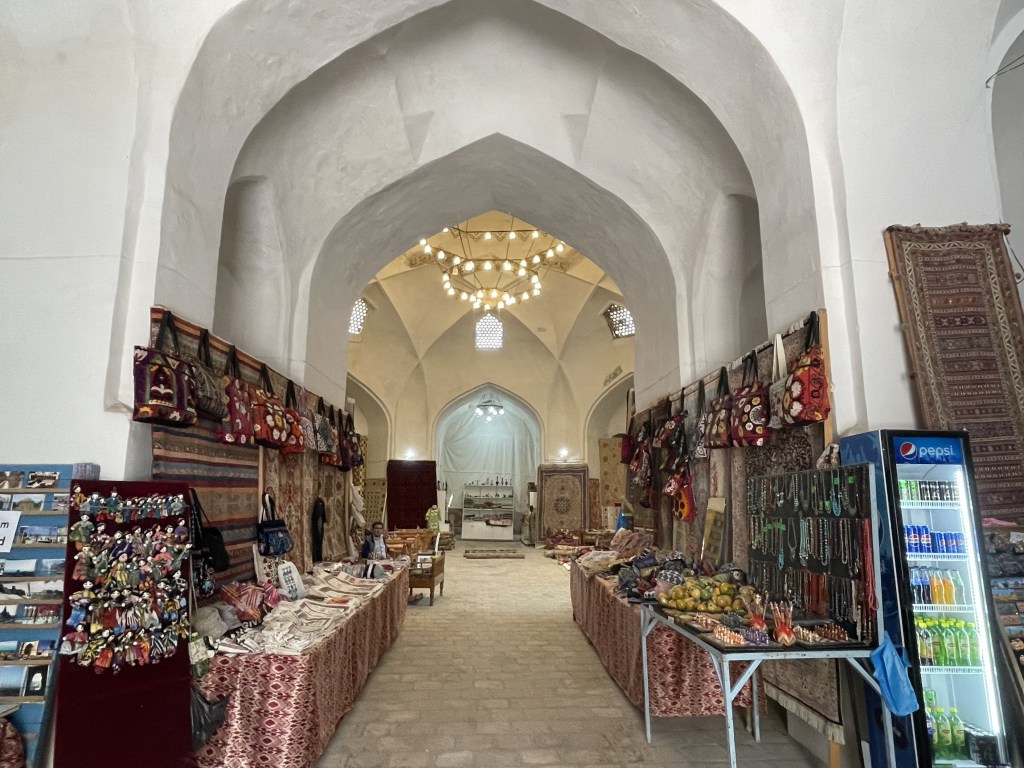
- The Chor Minor. It’s quite a walk from the other attractions, but it’s still worth checking out. Presently, it’s a place wherein some locals sell goods so it’s free to enter. But if you want to head upstairs, you need to pay 5,000 Som (about 40 US cents).


How many days should you spend in Bukhara? Like Samarkand, you’d be able to see everything in one full day, so at least 2 nights in Bukhara should be enough.
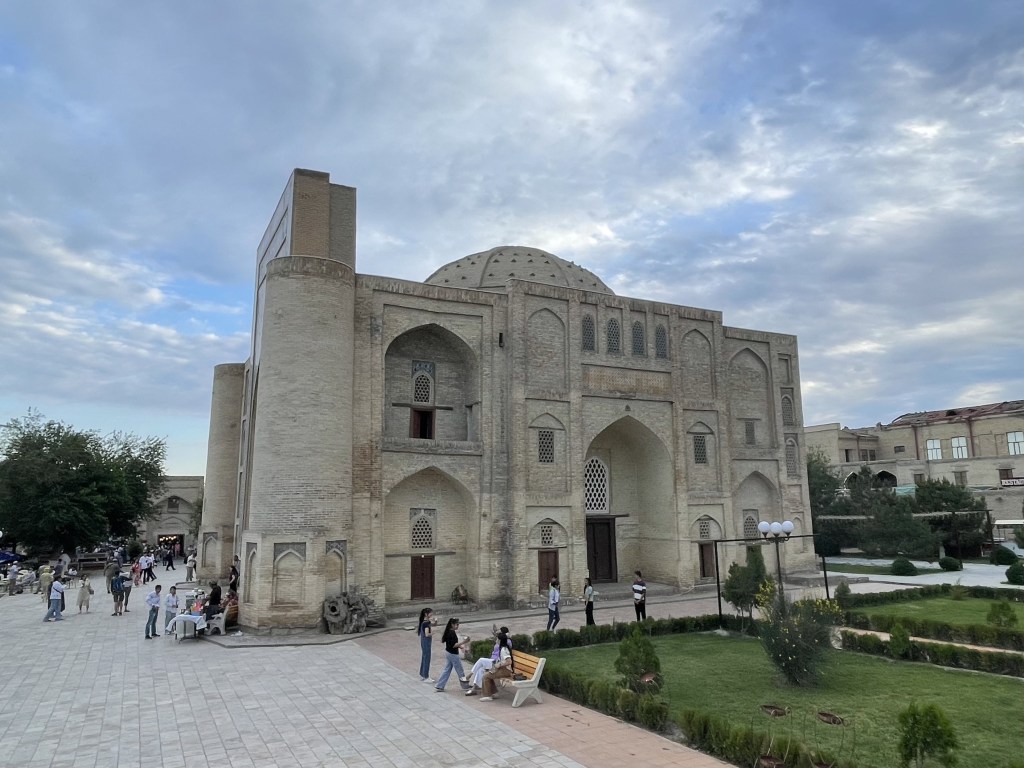
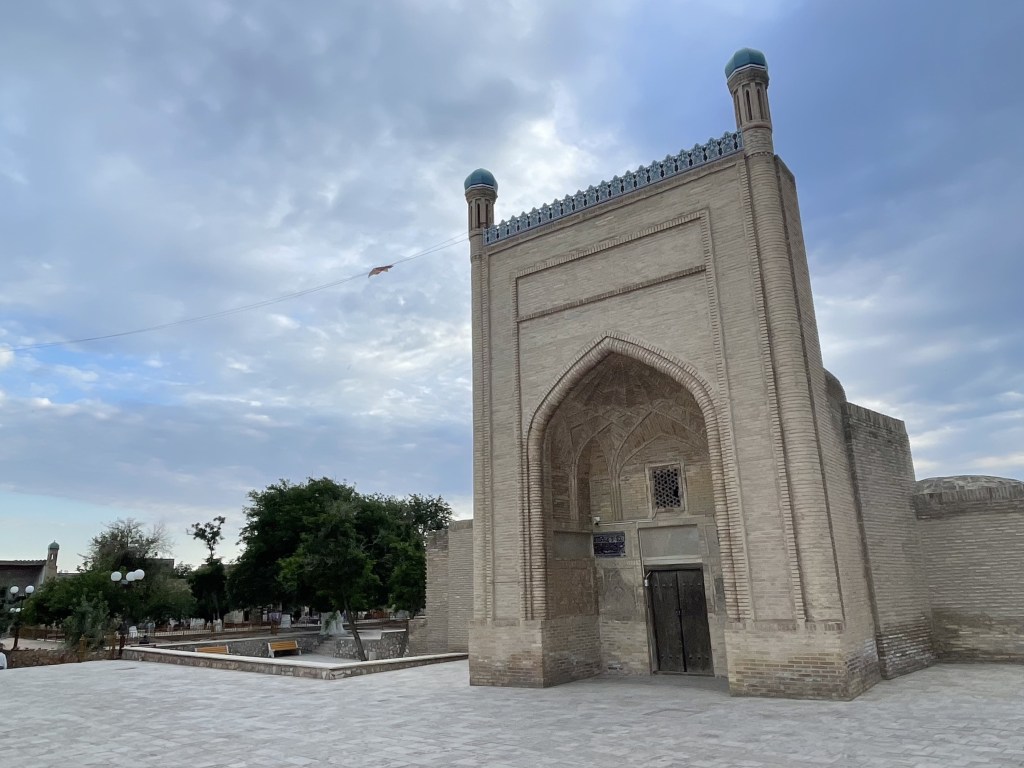
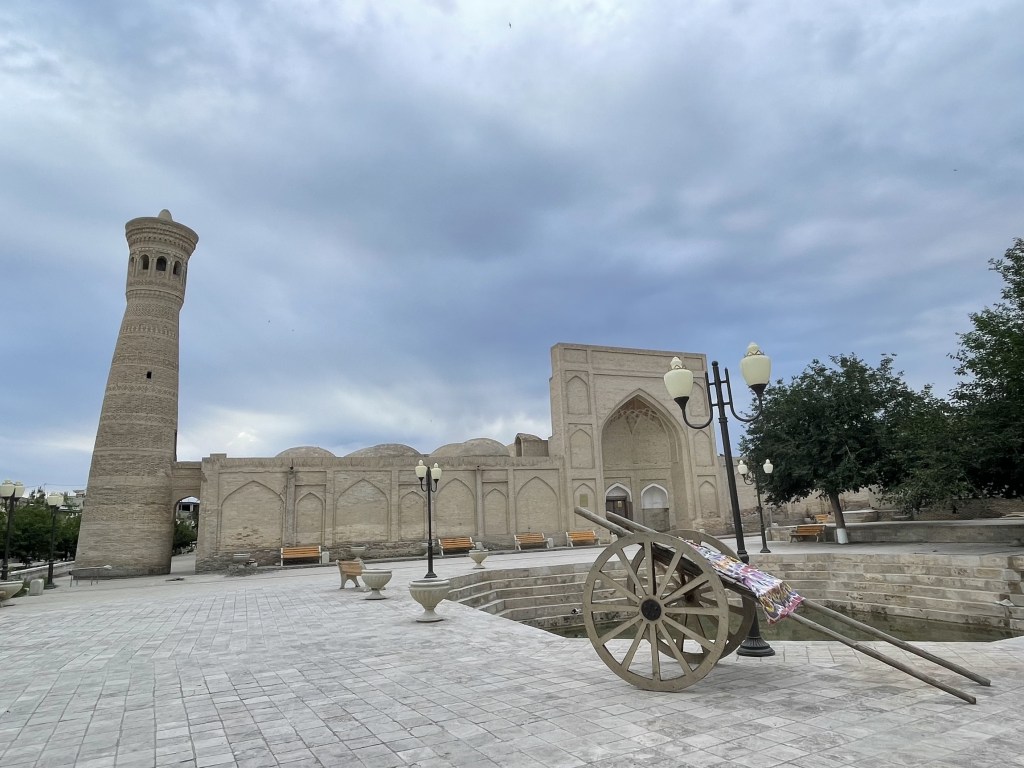
From Bukhara, you’d need to take a sleeper train to reach Khiva. There are no Afrosiyob trains, these only run up to Bukhara. After Bukhara, you’d have to take the slow trains if you’re heading further west. There are two sleeper trains passing through Bukhara daily. One leaves at 3:52 AM, and the other at 4:25 AM. A single journey ticket costs 146,850 Som (about 11-12 bucks) and this trip lasts for about 6 1/2 hours. Don’t worry about getting to the train station at such an ungodly hour— it’s easy to get a Yandex even at 3 in the morning.
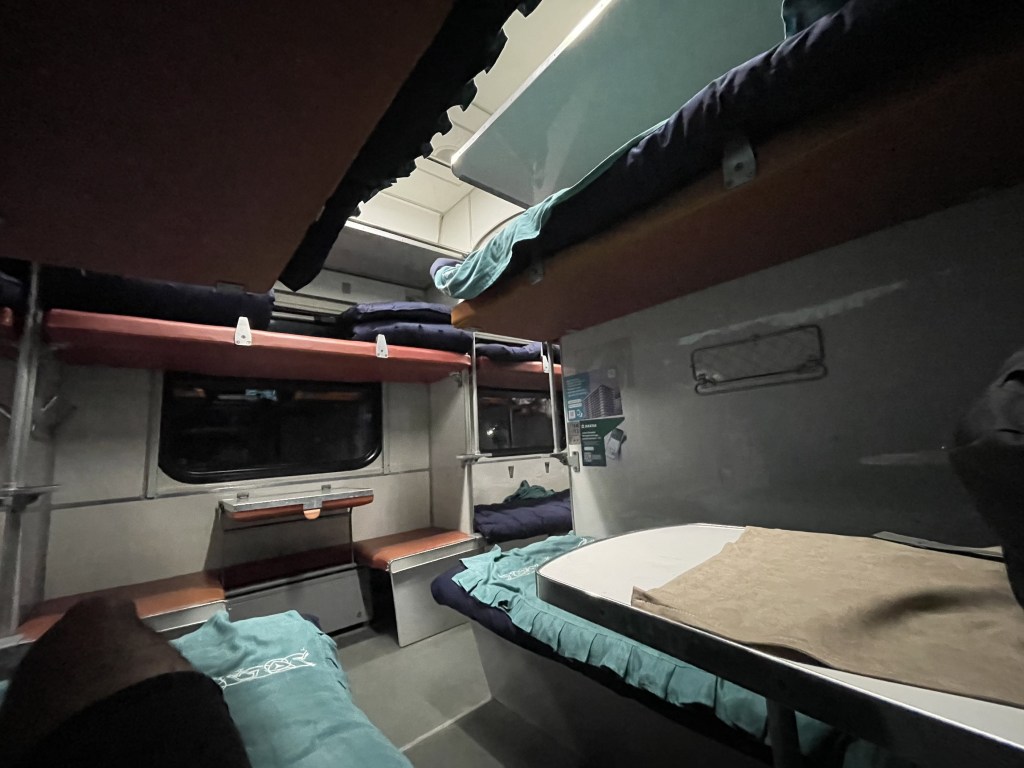
Now since there are only two trains that you can take, these tickets do get sold out so I’d suggest buying tickets early. In case tickets are sold out, try checking trains to Urgench, which is 40 minutes away from Khiva. You can easily take a taxi or minibus to Khiva from there. In case even train tickets to Urgench are sold out, keep checking. Based on my experience, seats open up the day before or even on the day itself. Either some people cancel their trips, or they sell tickets by batches, idk. Now, in case no tickets become available even on the day you’re planning to leave, don’t lose hope. Head to the bus station (Buxoro Avtoshov Bekati) early in the morning and look for shared taxis to Khiva. There are a couple leaving daily, and they leave once they have 4 passengers.
Now you may decide to head to Khiva from Tashkent, before going to Bukhara and Samarkand. If you’re one of those travelers who’d prefer to start their trip in Khiva, you can either take a sleeper train or bus from Tashkent. 1-2 sleeper trains leave daily, and the cheapest seat/bed costs 226560 Som (about USD 18). If these are sold out, you can take a bus from Avtovokzal station. One leaves daily at 6:30 PM. I would not recommend this though. These aren’t sleeper buses, and the trip takes 17 hours. It may not be a pleasant experience. If you’re not traveling on a budget, you could just fly to Urgench then take a taxi to Khiva.
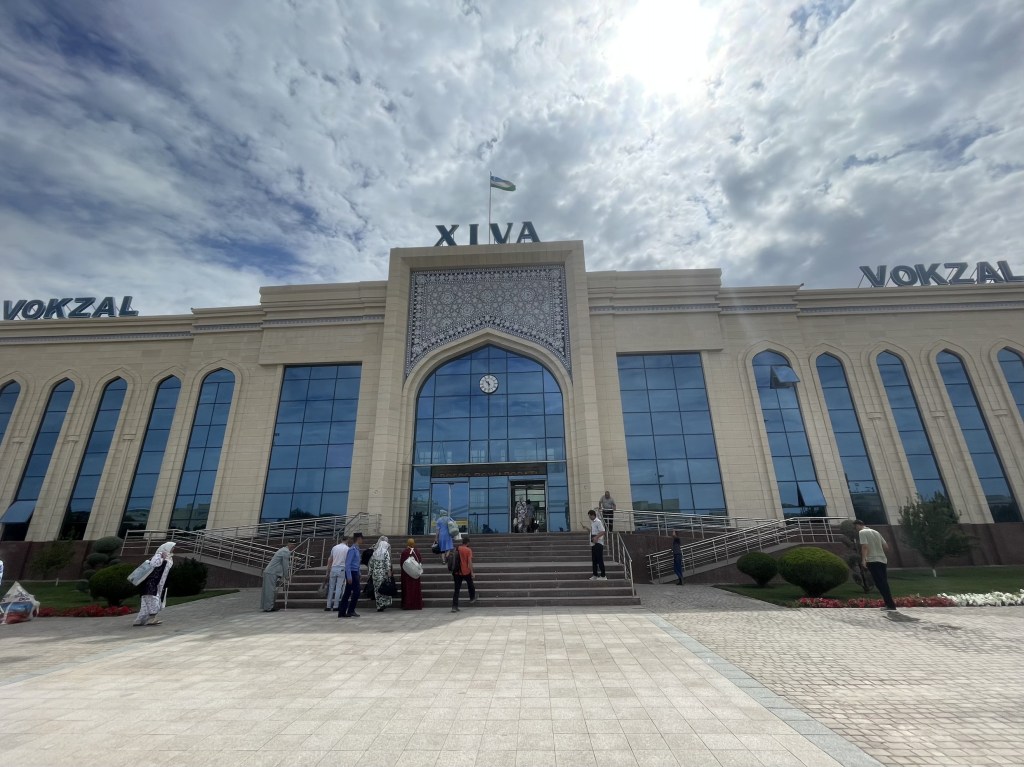
I arrived in Khiva at around 11 in the morning. My first order of business was to buy a ticket back to Tashkent, but everything was sold out. The earliest ticket back would be 3 days later— that wasn’t gonna work for me. I tried looking for tickets to Bukhara or Samarkand— no luck either. But then miraculously, as I kept refreshing the webpage, one ticket to Samarkand became available. It wasn’t ideal spending another night in Samarkand, but I figured that would be better than taking a bus. It turned out to be a better plan. One thing about the sleeper trains, eventually the toilets become clogged and these become unusable. It would be a nightmare if I had to do a number 2.
As soon as I got my return trip sorted out, another problem popped up. Apparently, Yandex does not work in Khiva! Damn, now I’d have to deal with these taxi drivers. Everyone was asking for USD 10— which was obviously too much. Yeah I should have done some research beforehand so I’d know how much I had to pay. I managed to bring it down to USD 5, and I was happy paying that much… until the owner of the hostel told me it only costs 15,000 Som (a little over 1 US dollar!) to head to city center from the train station.
Speaking of hostels, if you’re a budget traveler, I’d recommend Central Park Hostel. It’s real cheap, the location is unbeatable (right outside the historic center!), and the family that runs it is amazing. And like most hostels in Uzbekistan, there’s free breakfast!
So I’ve heard a lot of travelers saying that Khiva is the best one among the three most popular historic destinations in Uzbekistan mainly because it feels like you’re going back in time… I can’t say that’s entirely accurate.

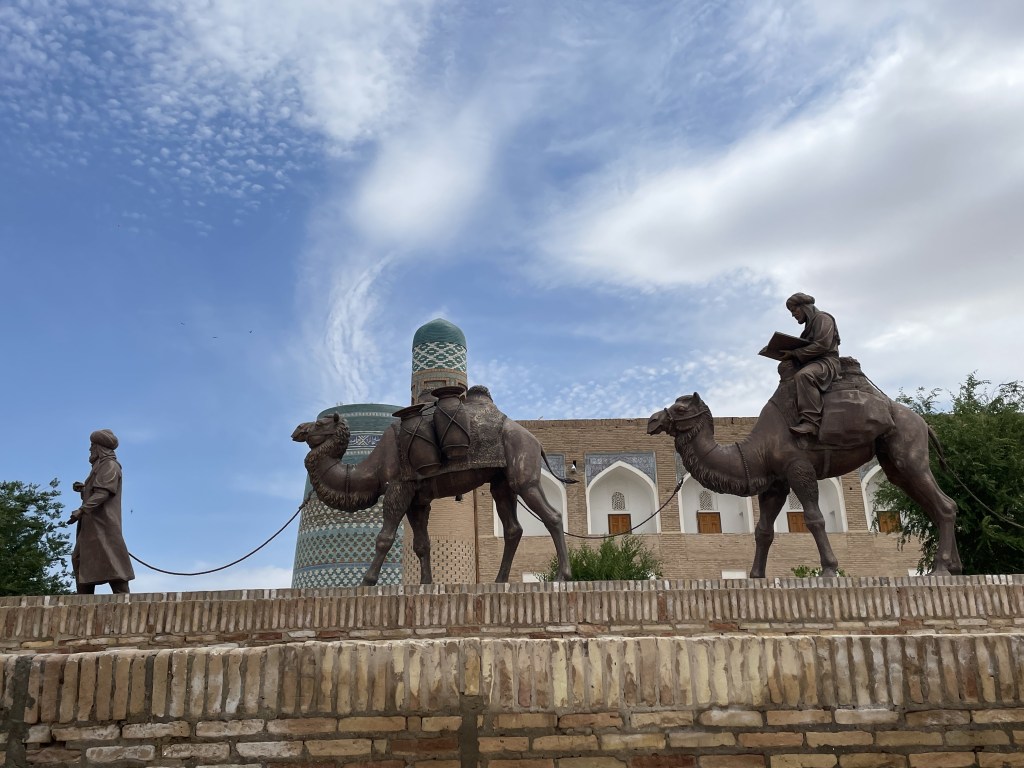
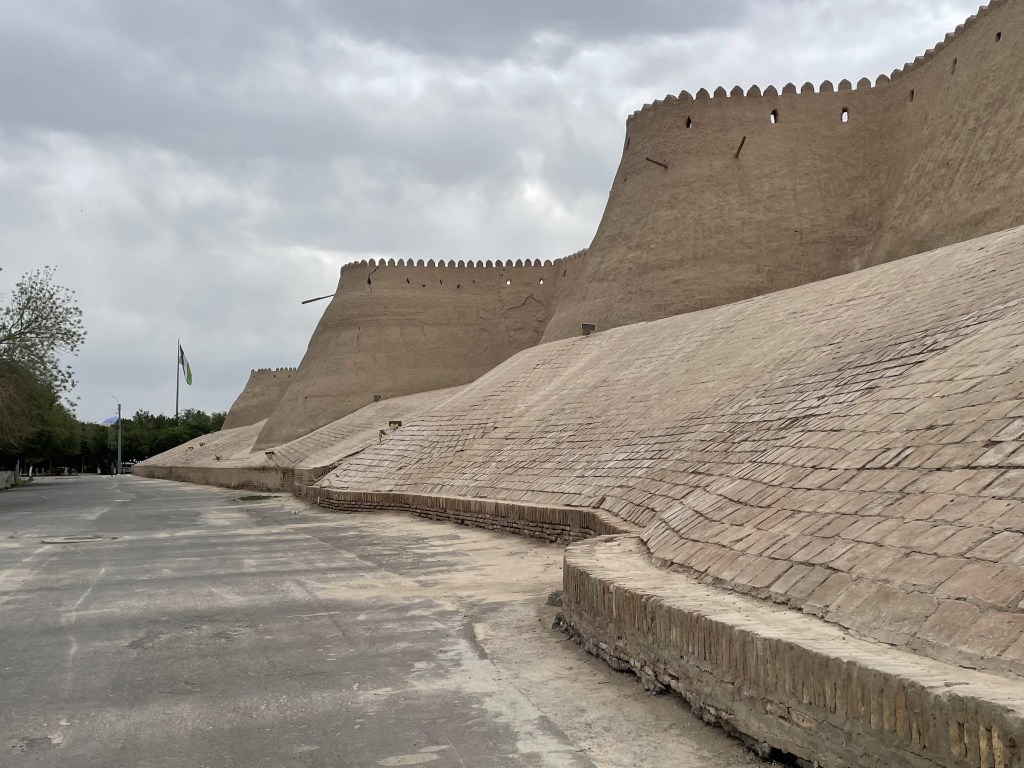
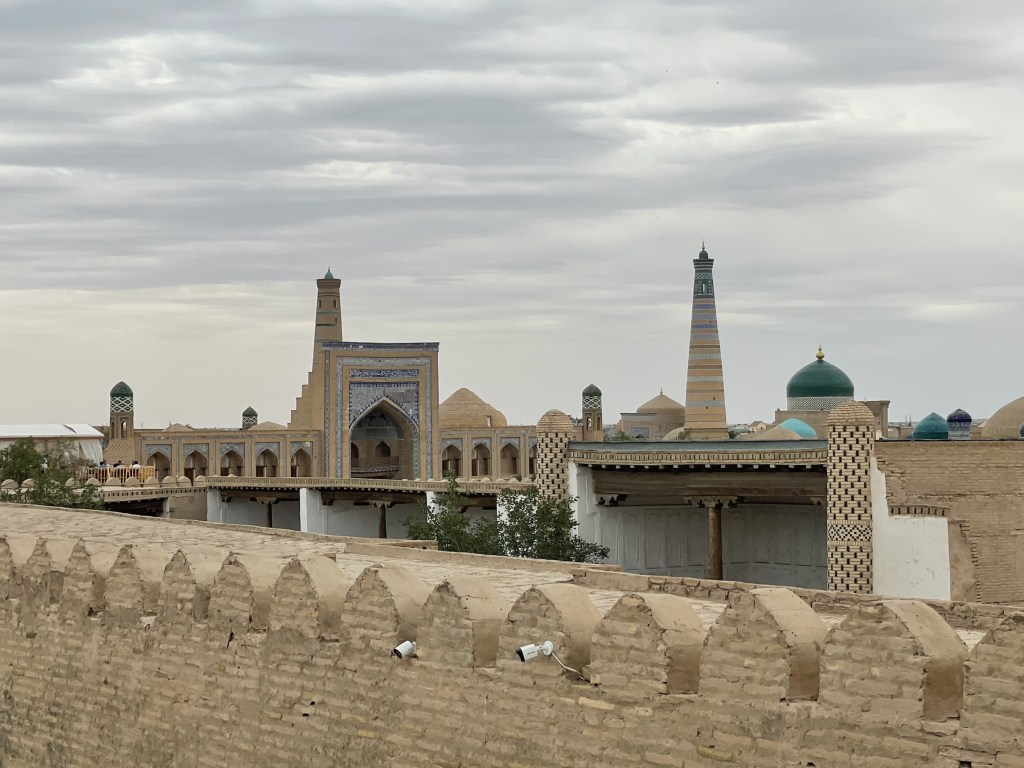
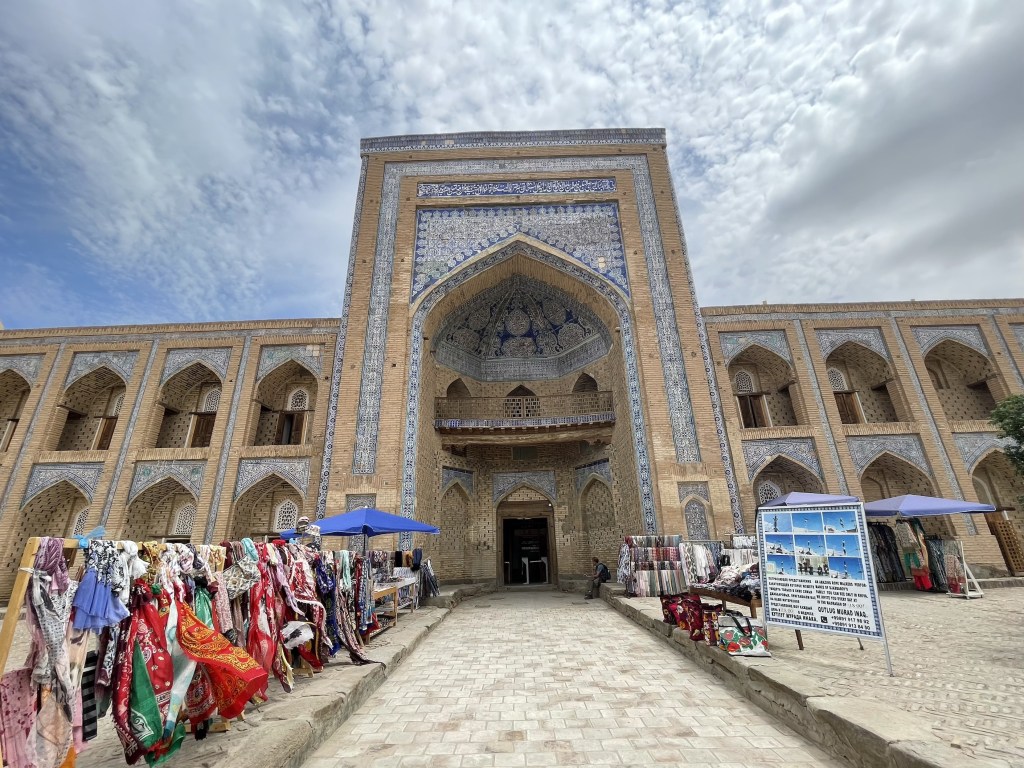
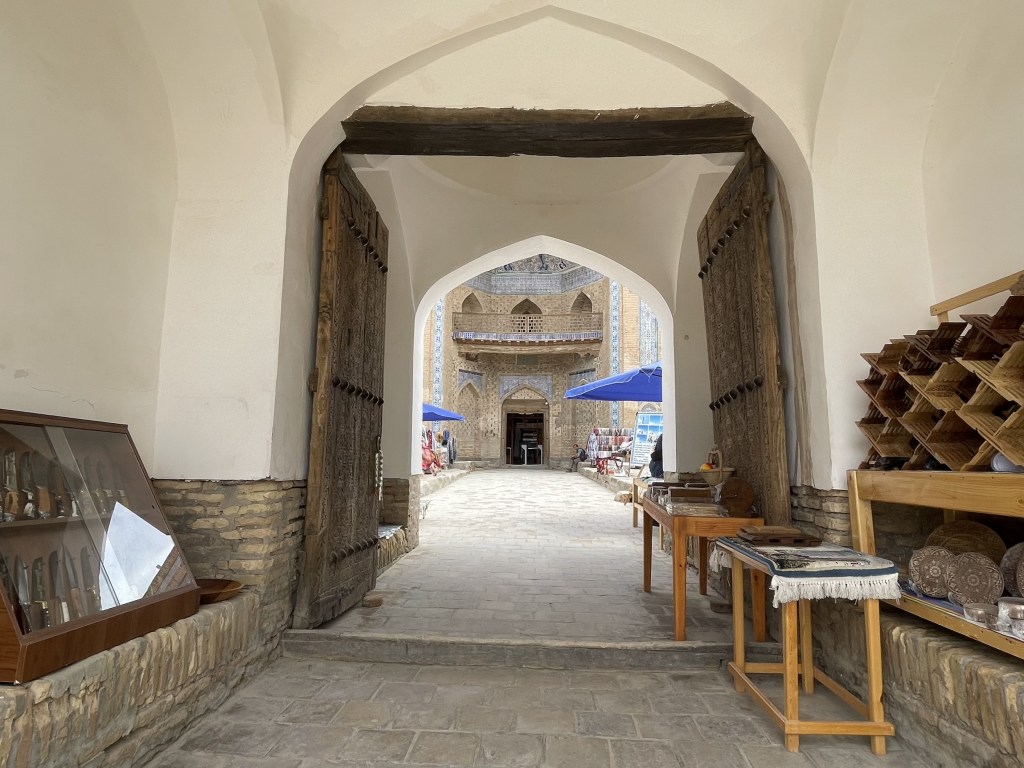
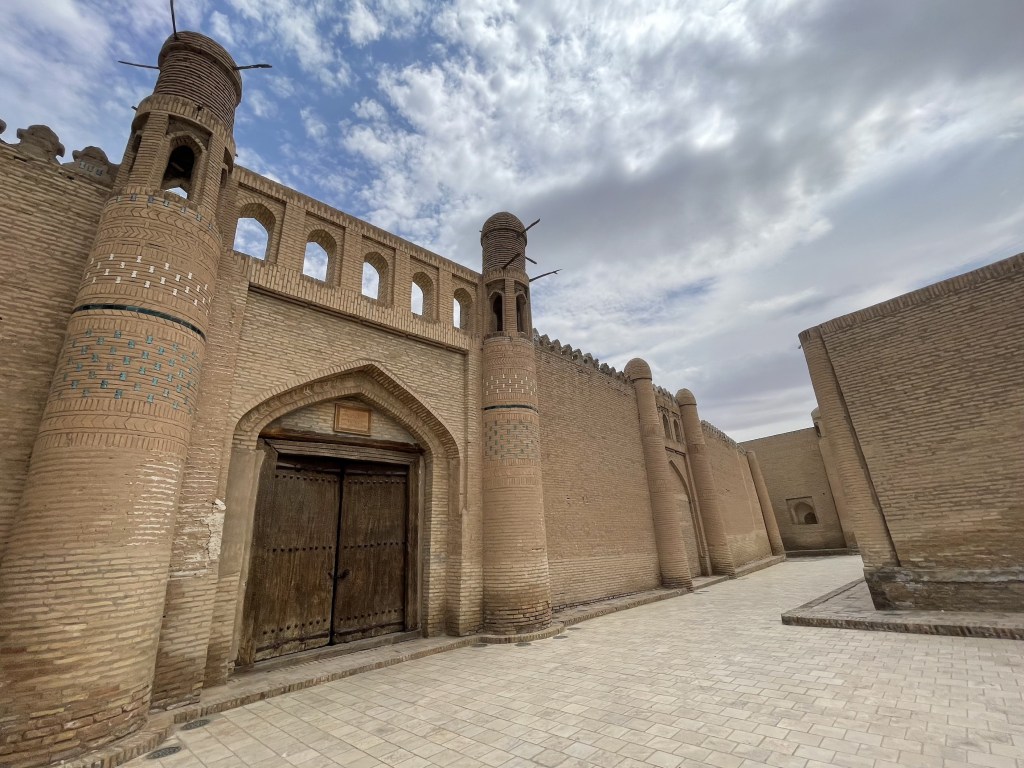
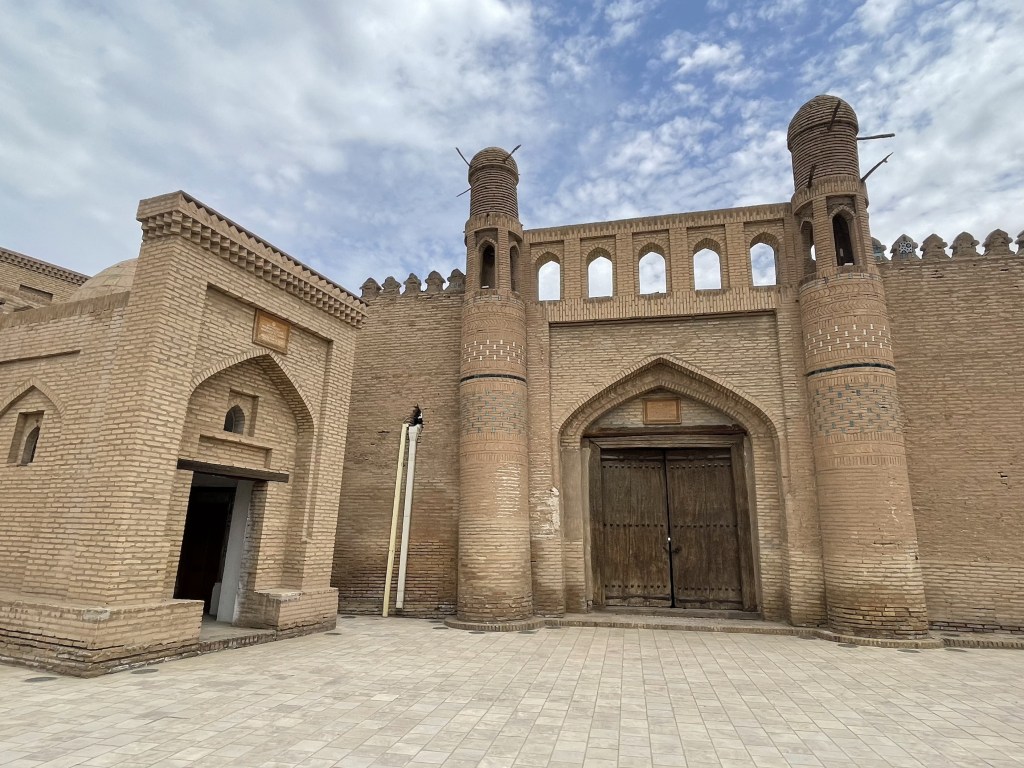
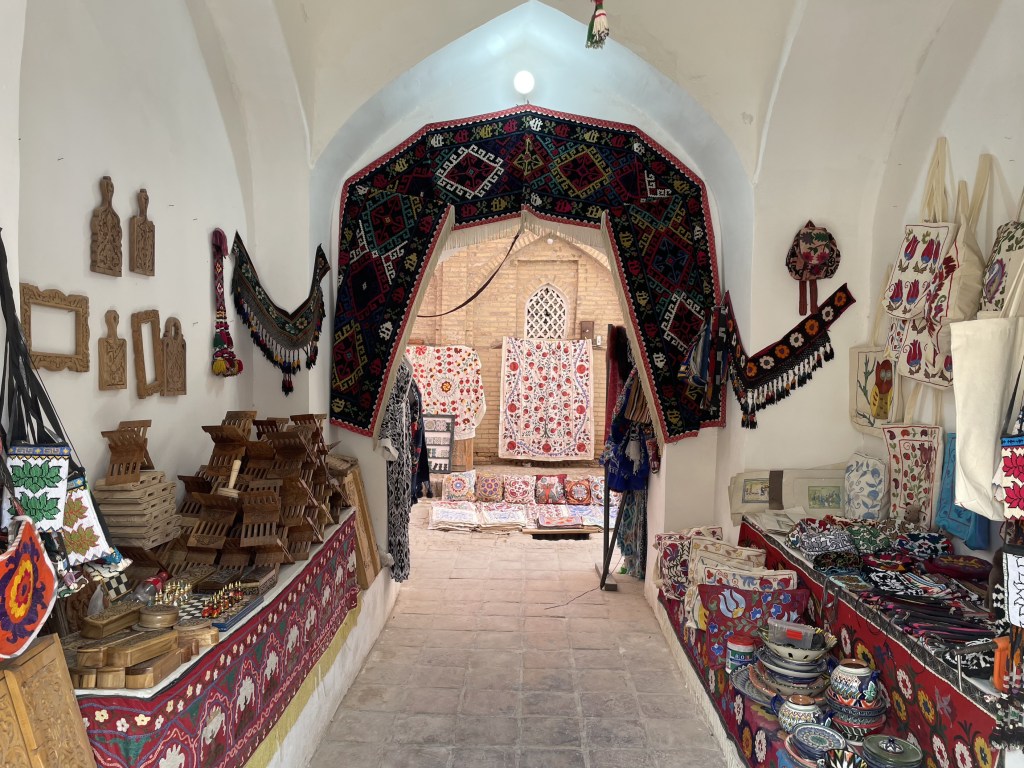
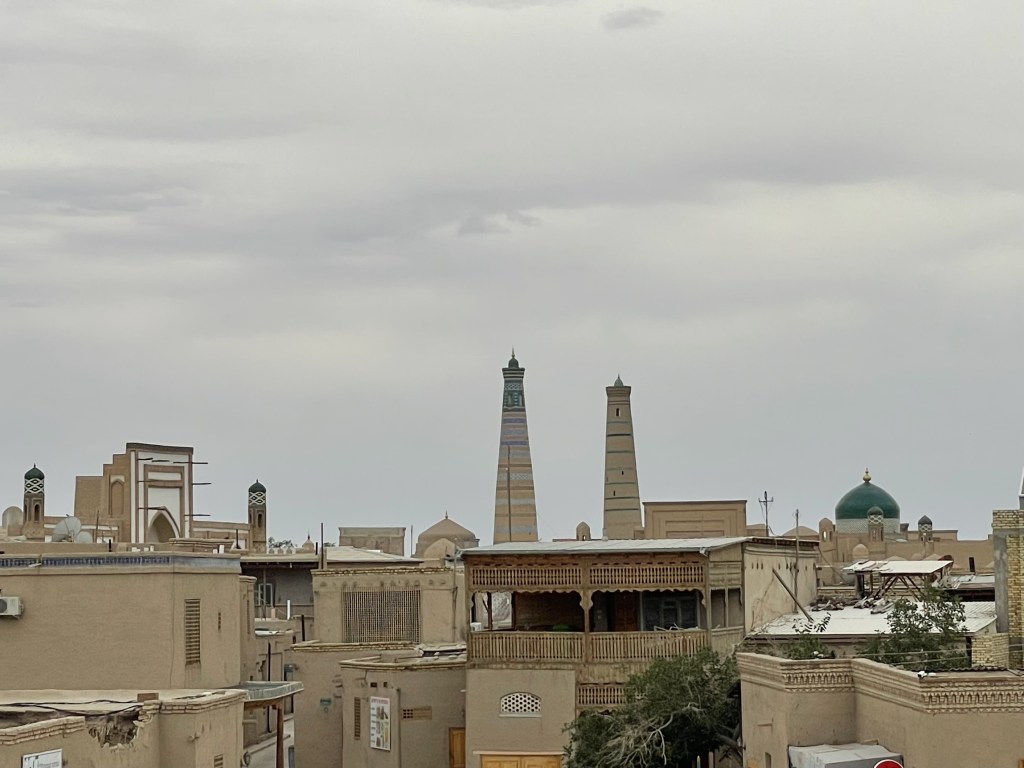
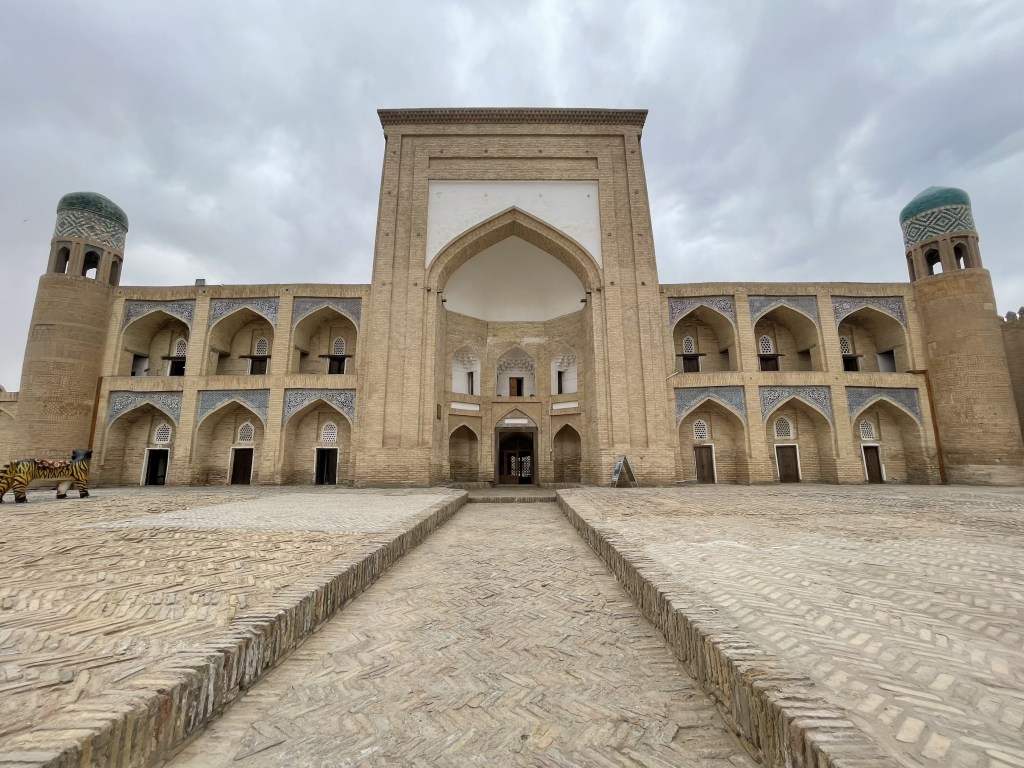
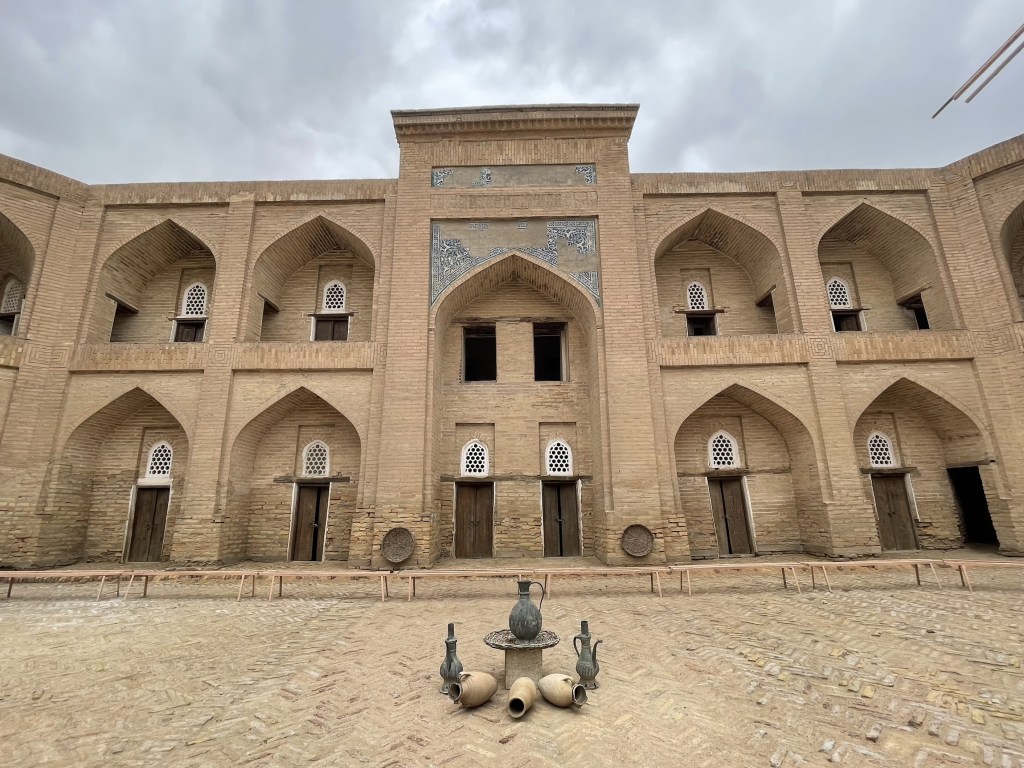
All the main attractions are within the walls of Itchan Kala, this is why Itchan Kala is commonly referred to as an “open air museum”. An entrance ticket costs 200,000 Som (about USD 16) as of May 2024 which seems kinda pricey, until you realize that this ticket gives you access to most attractions inside, and it’s valid for 24 hours. Do not lose this ticket. You need it to enter each attraction. What threw me a little off was the theme park vibe. As soon as I entered, there was loud music playing, people dancing, there was a parade with locals wearing traditional attire, lots of overpriced restaurants and shops, there are even hotels and guest houses inside– there was such a festive atmosphere, it was exactly like being inside a theme park. This isn’t necessarily a bad thing, but to me it just didn’t seem authentic. To be fair, it’s quieter and less crowded the farther you are from the main areas. And farther out you’d see traditional houses and you may get to interact with locals who are living inside the city walls. Itchan Kala does have some non touristy areas.
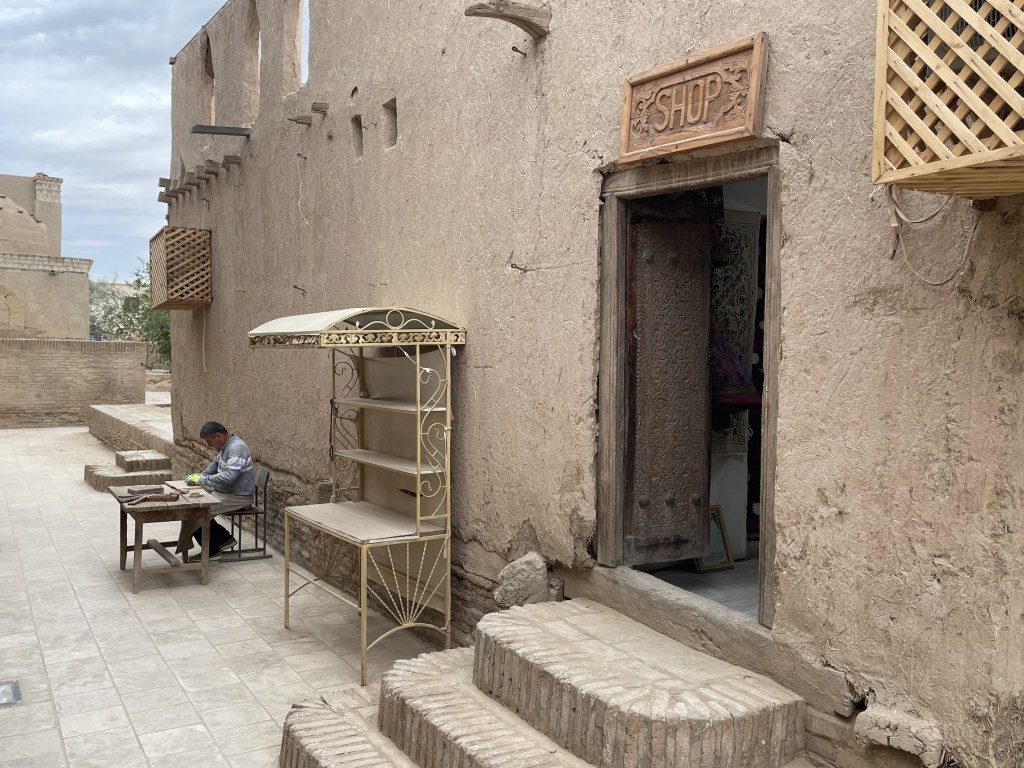

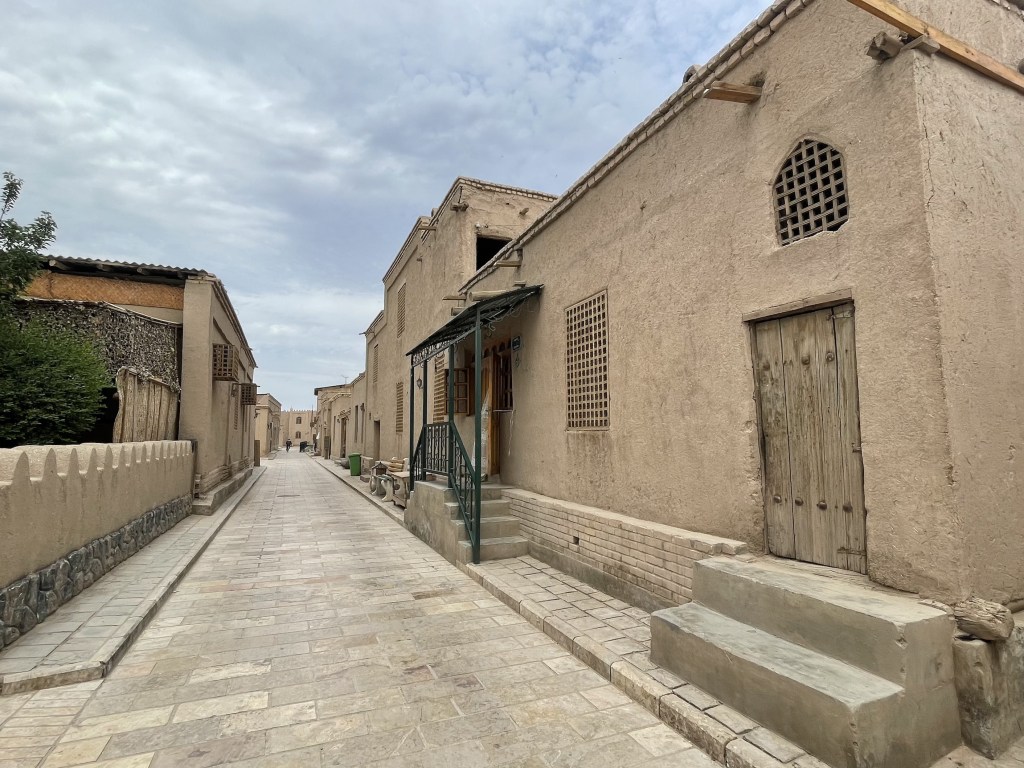

If you’re staying in one of the hotels inside Itchan Kala by the way, you don’t need to pay 200,000 Som to enter, but you do need to pay for each attraction separately.
There are over 50 historical sites inside Itchan Kala. Here are some that i’d recommend checking out:
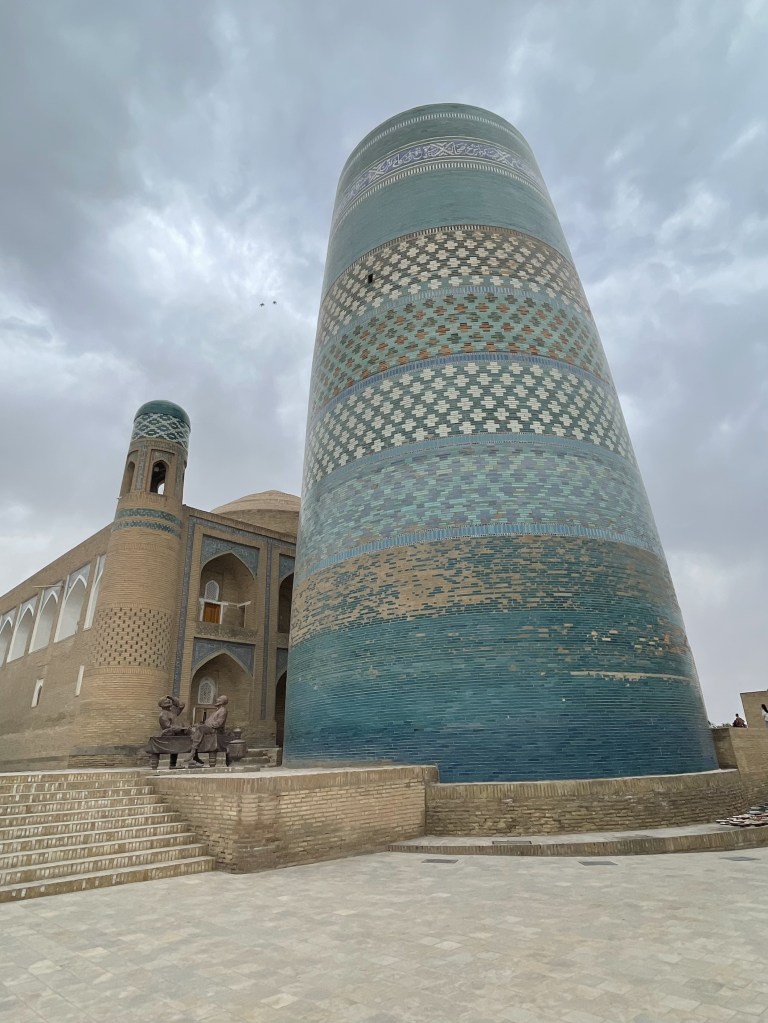
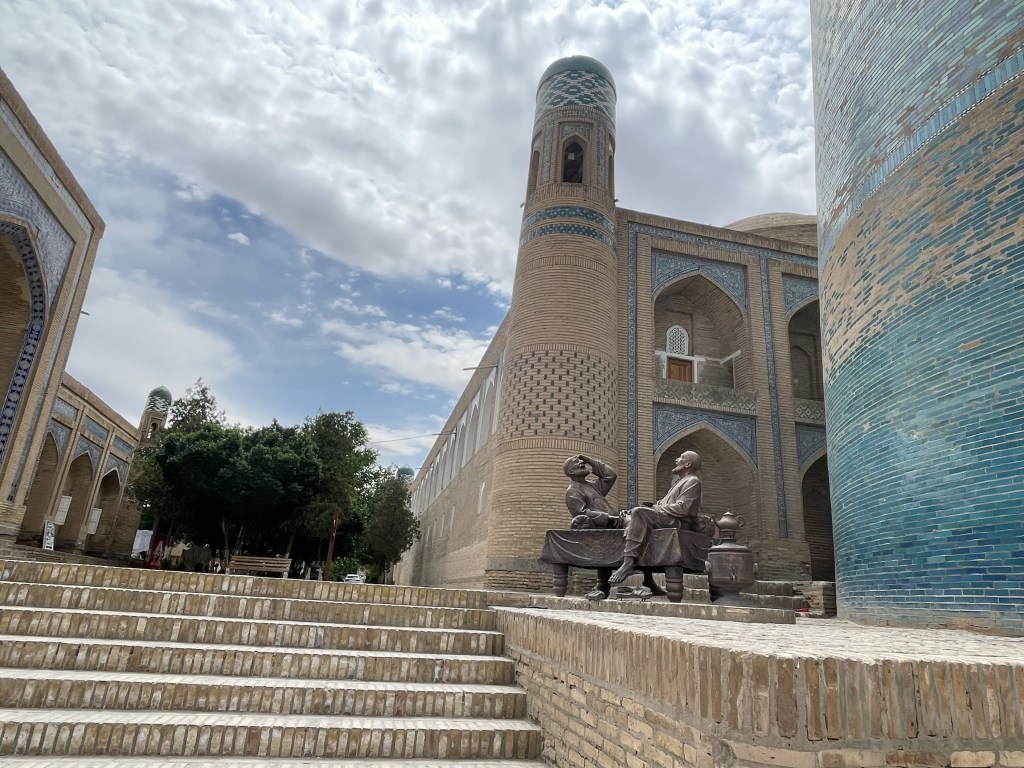
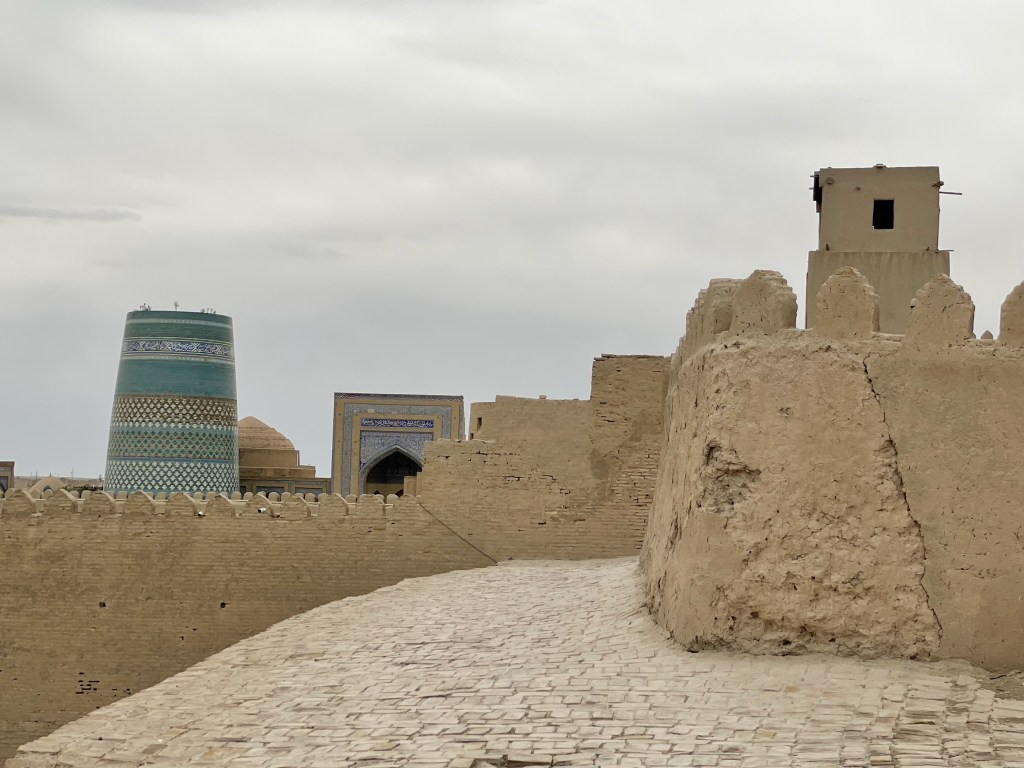
- The Kalta Minor Minaret. It is basically unfinished, it was planned to be much higher. Still, this a such an eye catching structure due to its intricate design and the fact that it’s still massive in spite of being in an unfinished state. The Mohammad Amin Khan Madrasah is right beside it, which now houses a hotel.


- The Kuhna Ark and Watchtower, which is right by the western gate. Entrance to the Ark is included in the ticket price, but it’s an additional 25,000 Som (USD 2) to head up the watchtower. This is a great spot to watch the sunset, so you can head here at the end of the day once you’ve explored everything else.
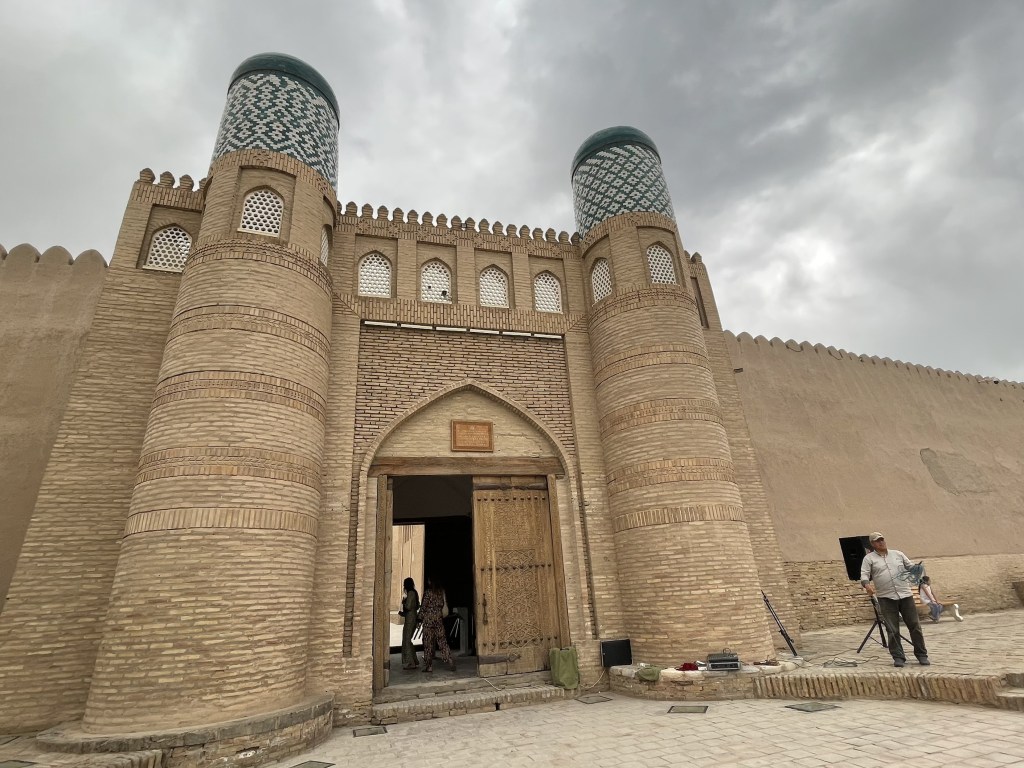
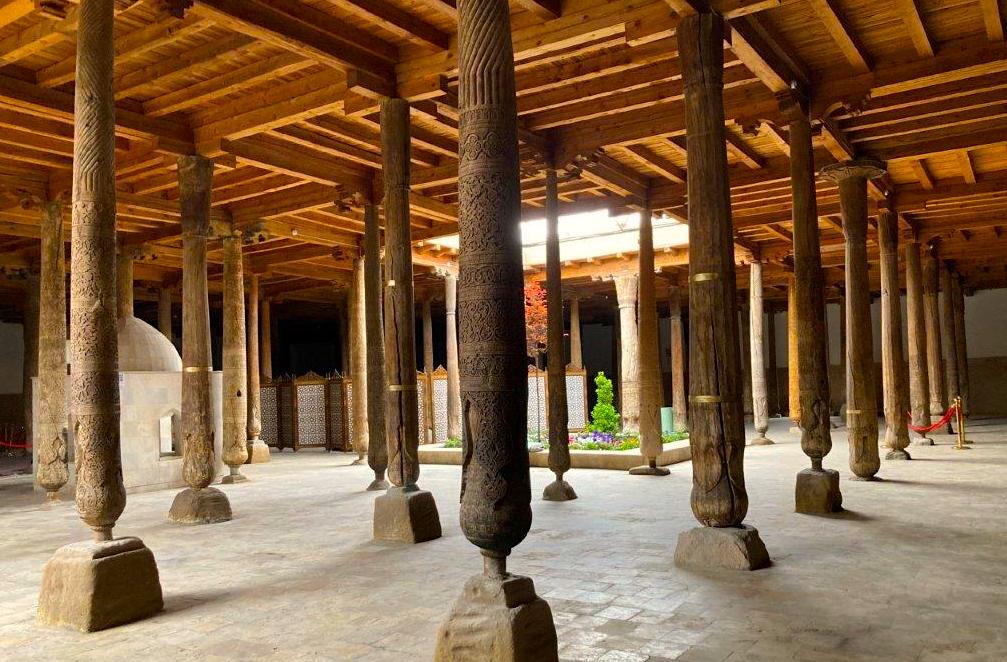
- The Juma Mosque, where you can see 212 beautifully carved pillars.
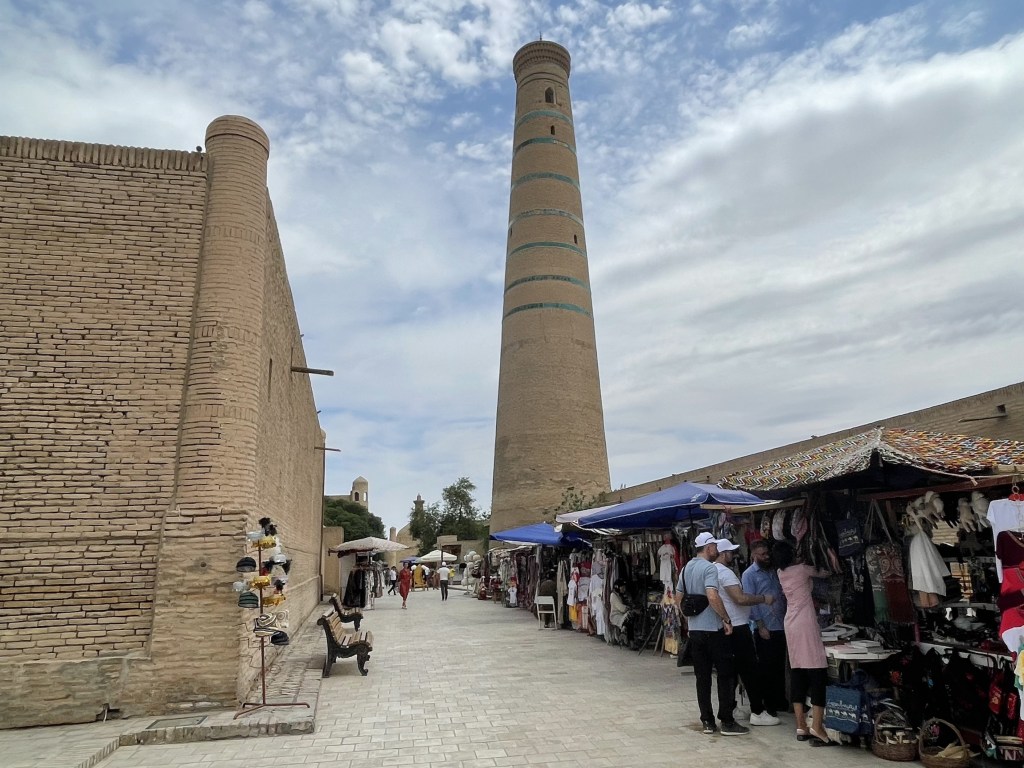
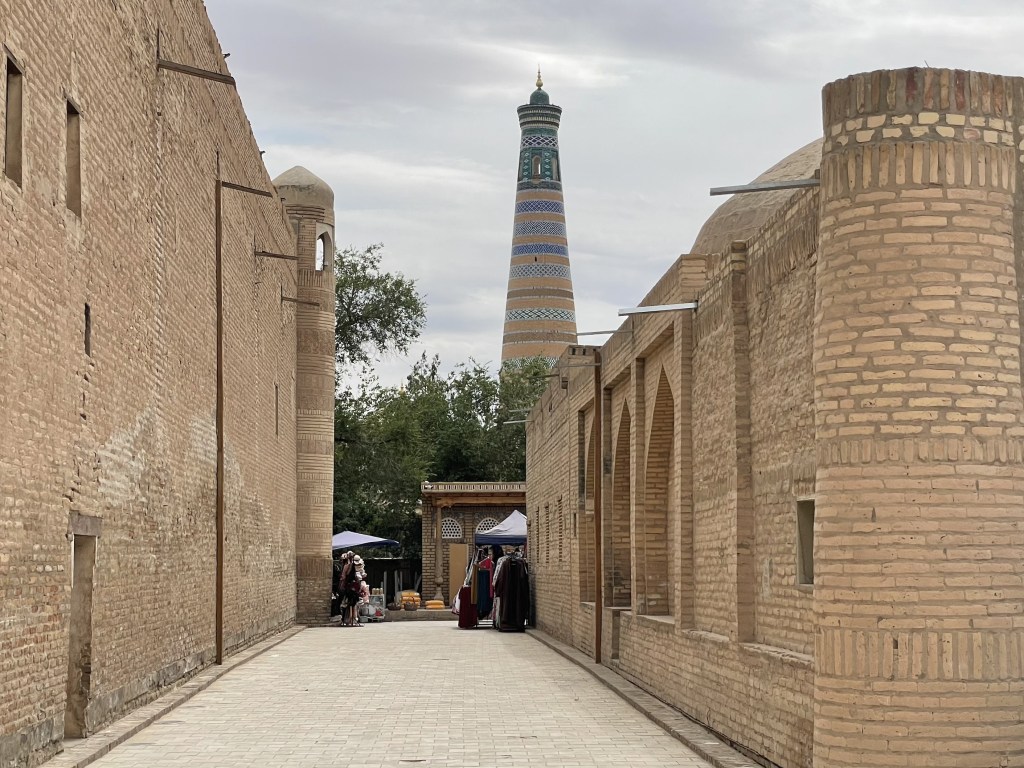
- The Islam Khodja Minaret, the highest minaret in town. If you want to climb up, that’s an additional 100,000 Som (ouch). The Islam Khodja Madrasah is right beside it. There’s a museum inside that’s worth checking out.

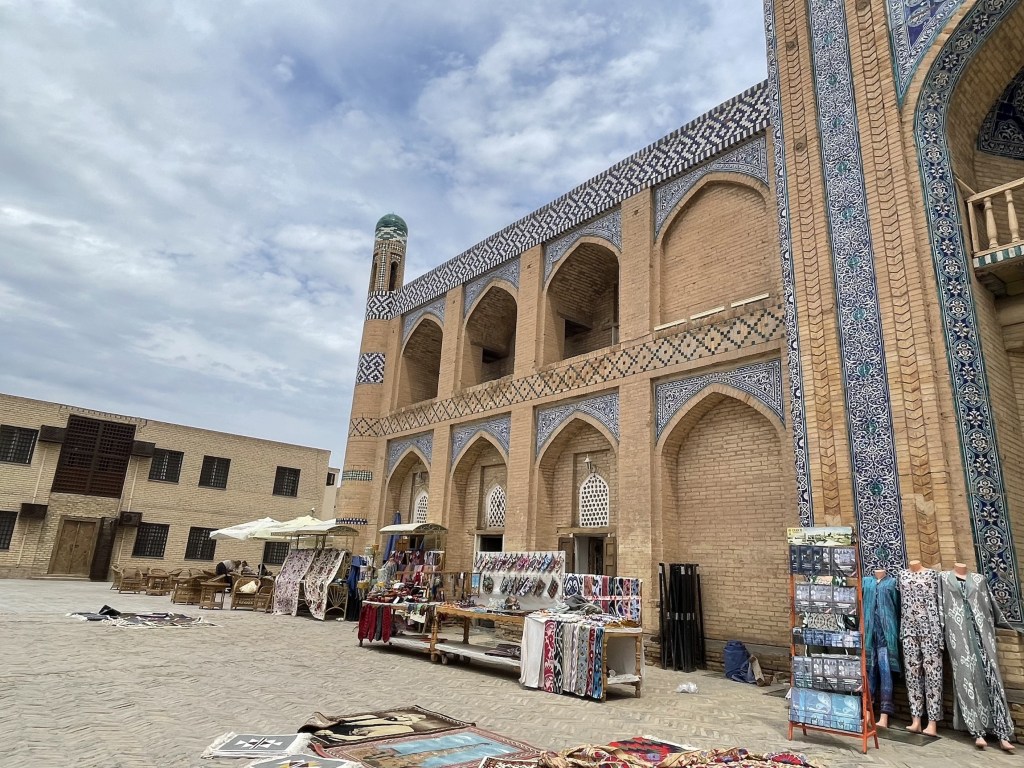

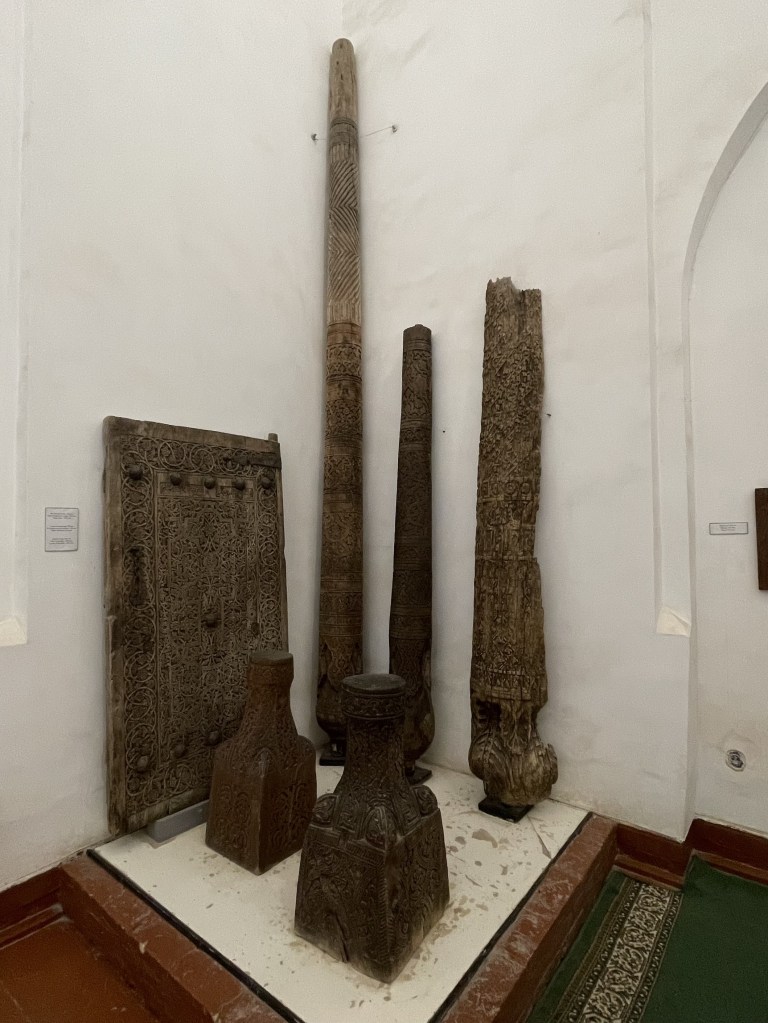
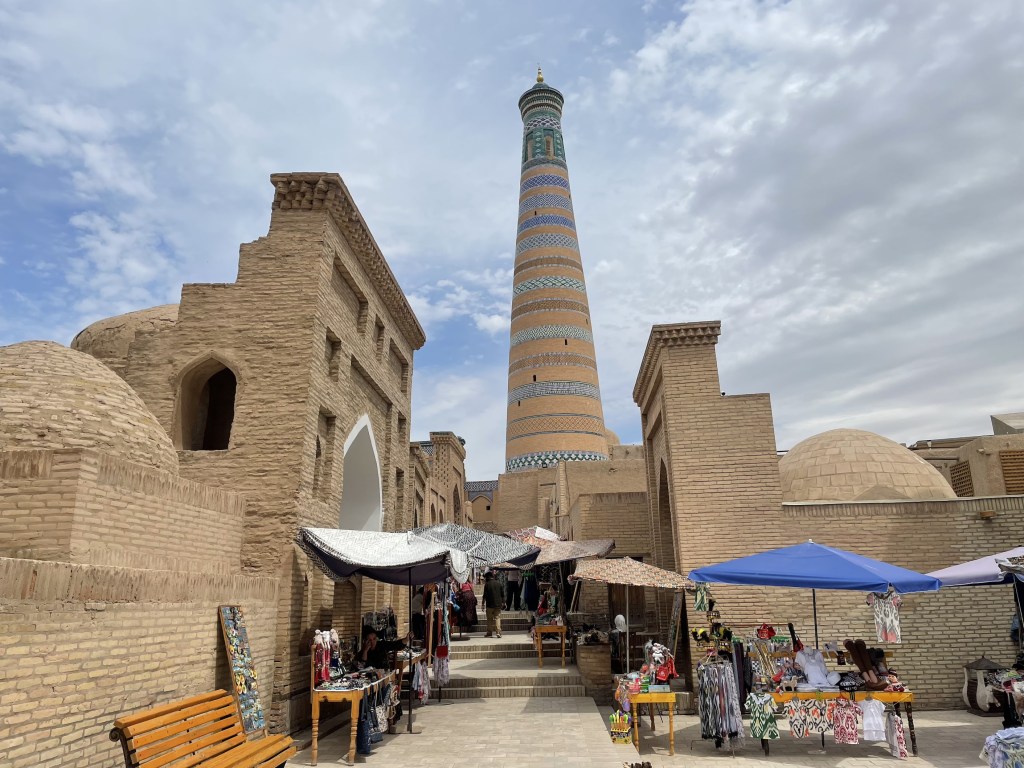
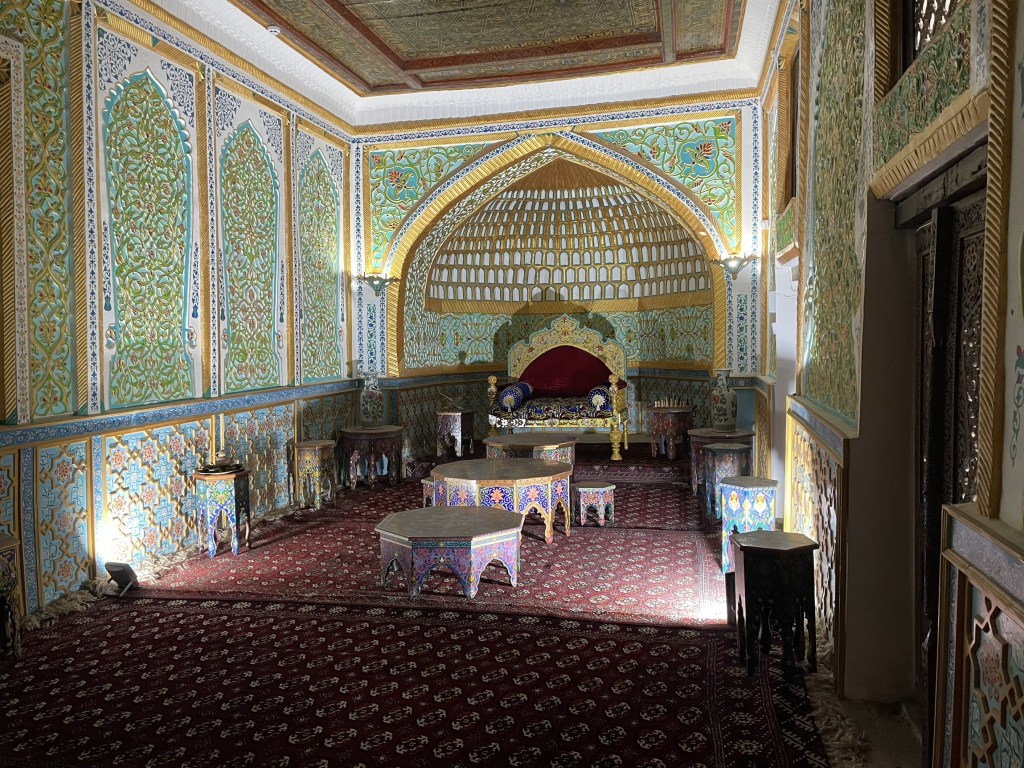
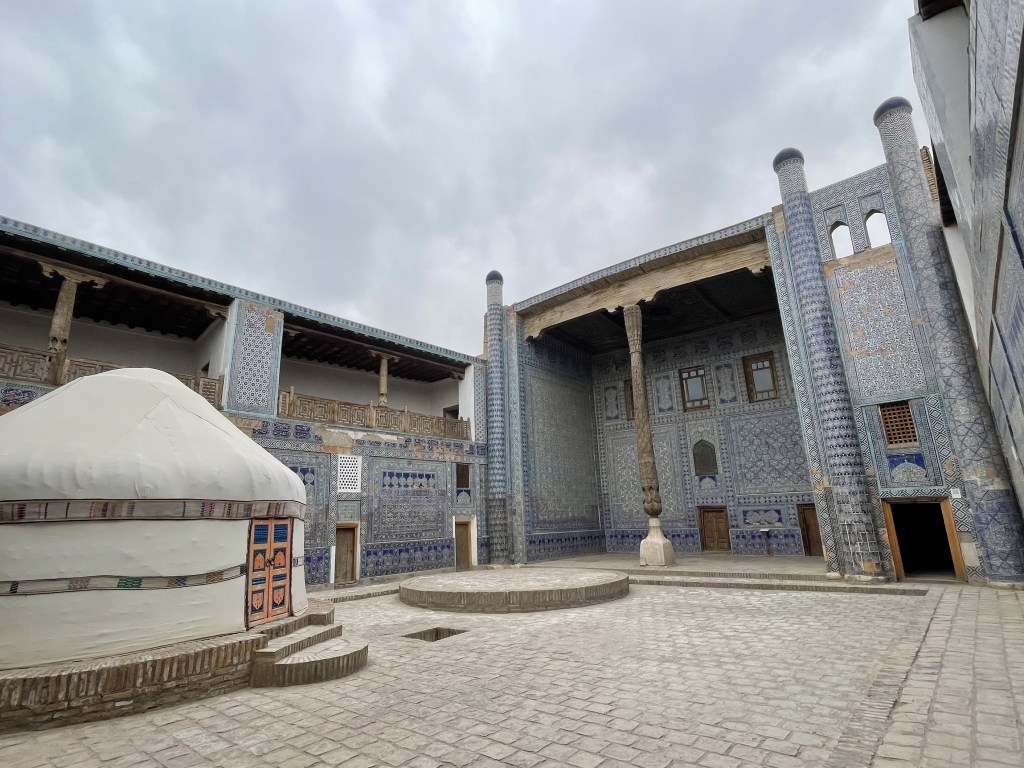
- The Tash Kauli Palace, a massive building with such an impressive architectural design and vibrant courtyards.
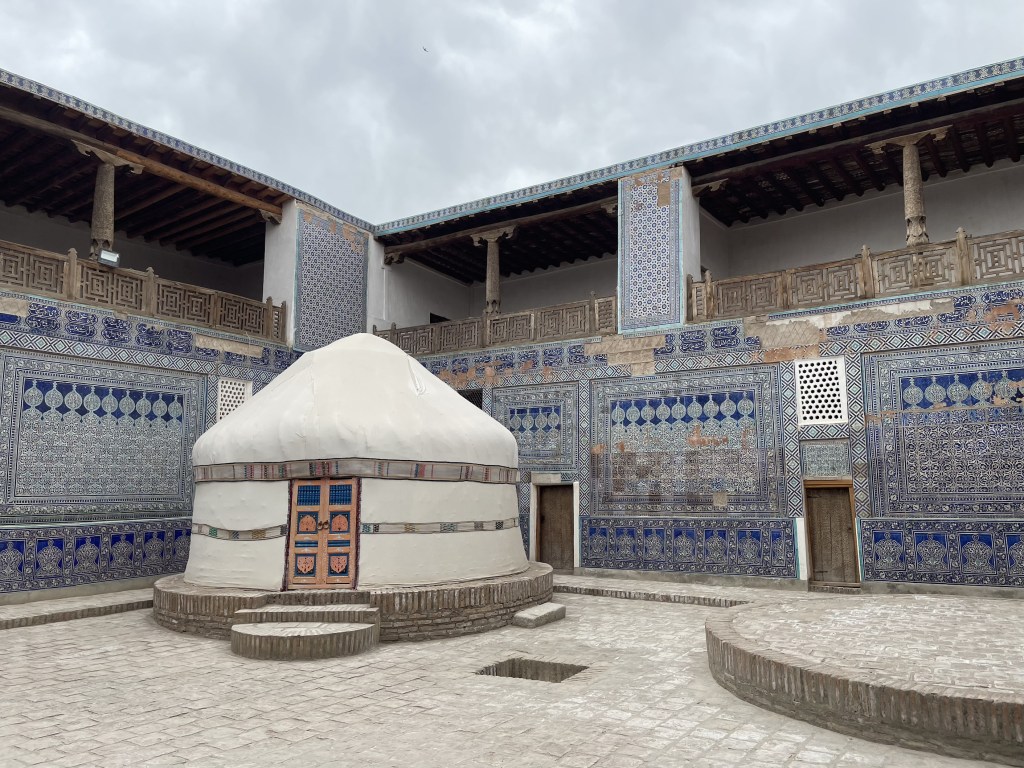

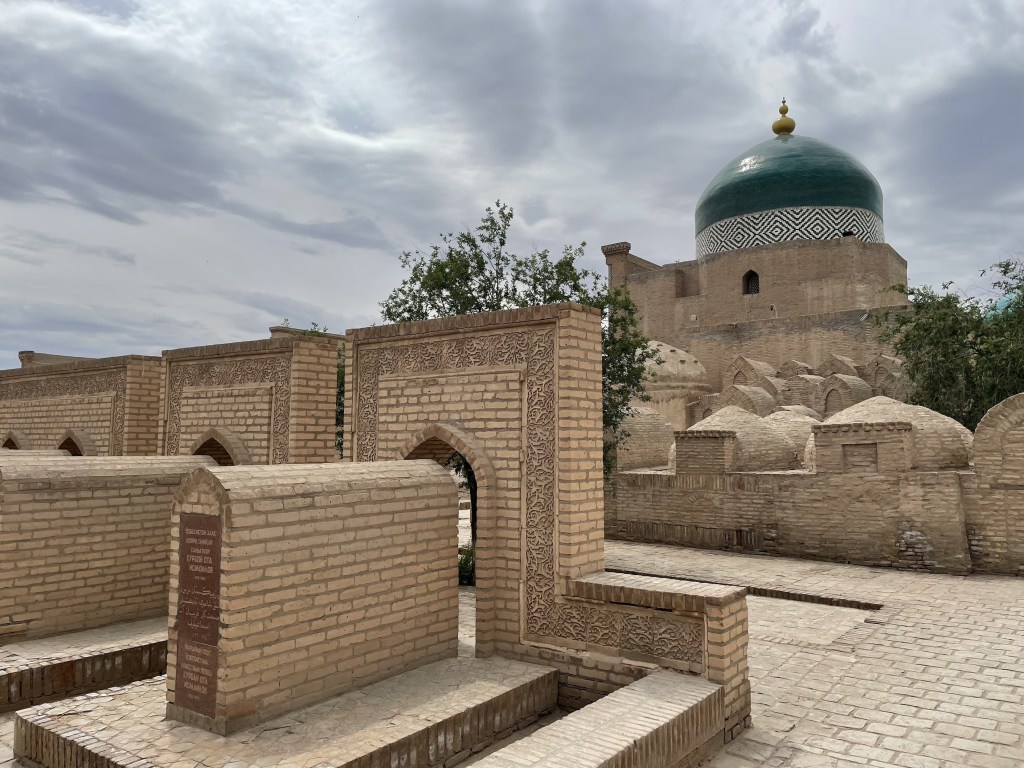
- The Pahlavan Mahmud Mausoleum. Again this one isn’t included in the ticket price. If you want to check it out, you need to pay 25,000 Som (about 2 US dollars).

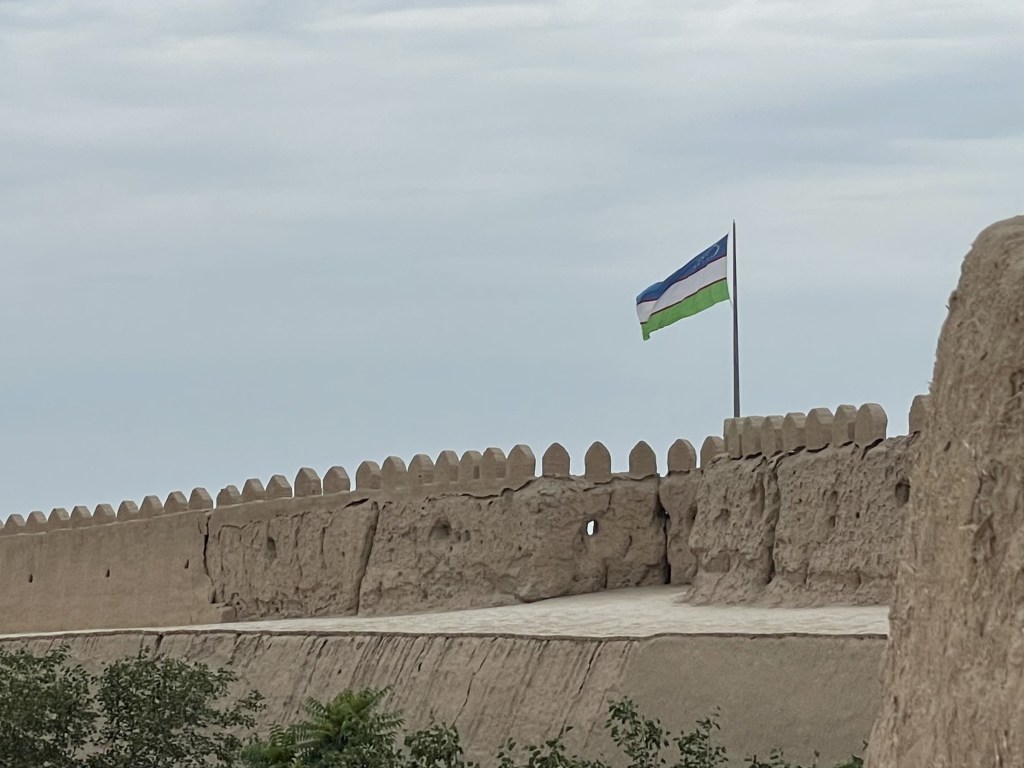
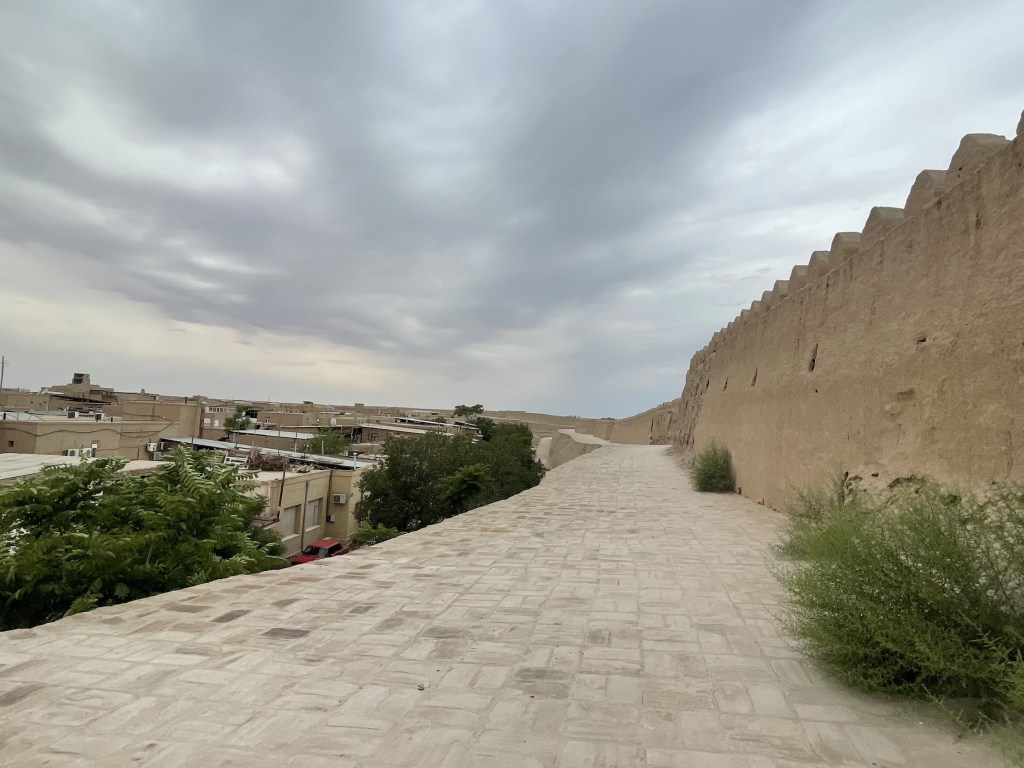
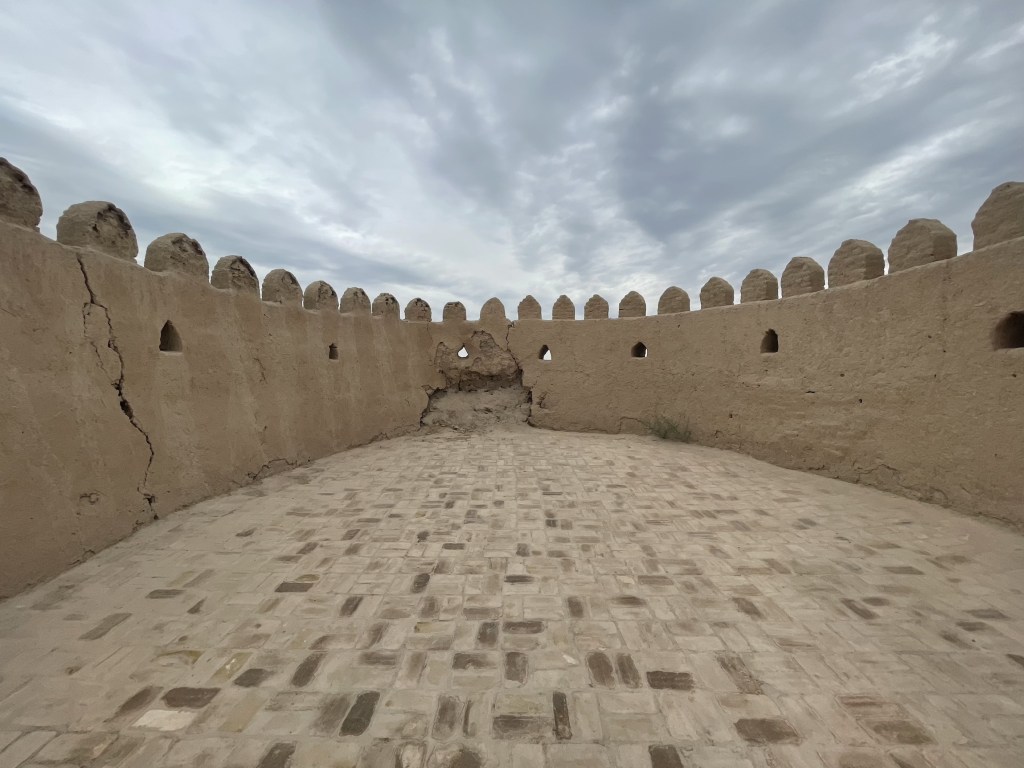
- To walk through the city walls, you have to pay an additional 20,000 Som (about USD 1.50). I’ve heard that there are free access points— that’s all in the past. All access points are now gated and locked. Someone will unlock the gate once you’ve already paid.


How much time do you need to spend in Khiva? Since all attractions are basically inside one “open air museum”, you could check everything out in one day. I’d recommend spending at least two nights here. If you’re pressed for time, one night is enough since the sleeper train arrives before noon. You can check out the sights in the afternoon and the next morning.
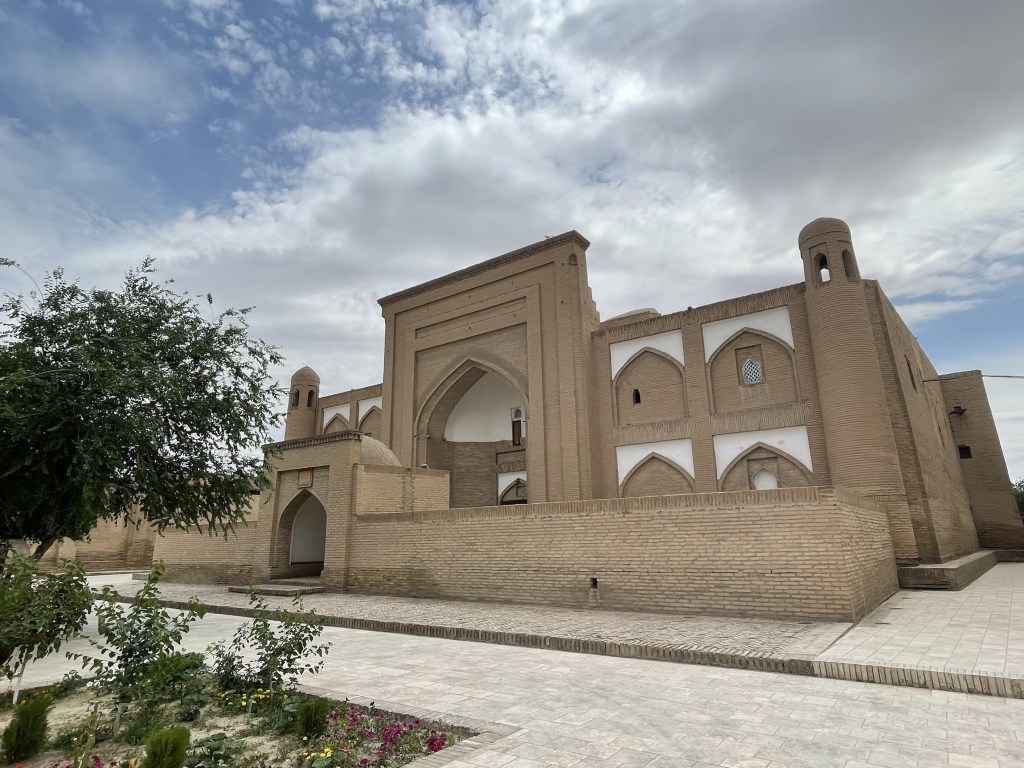
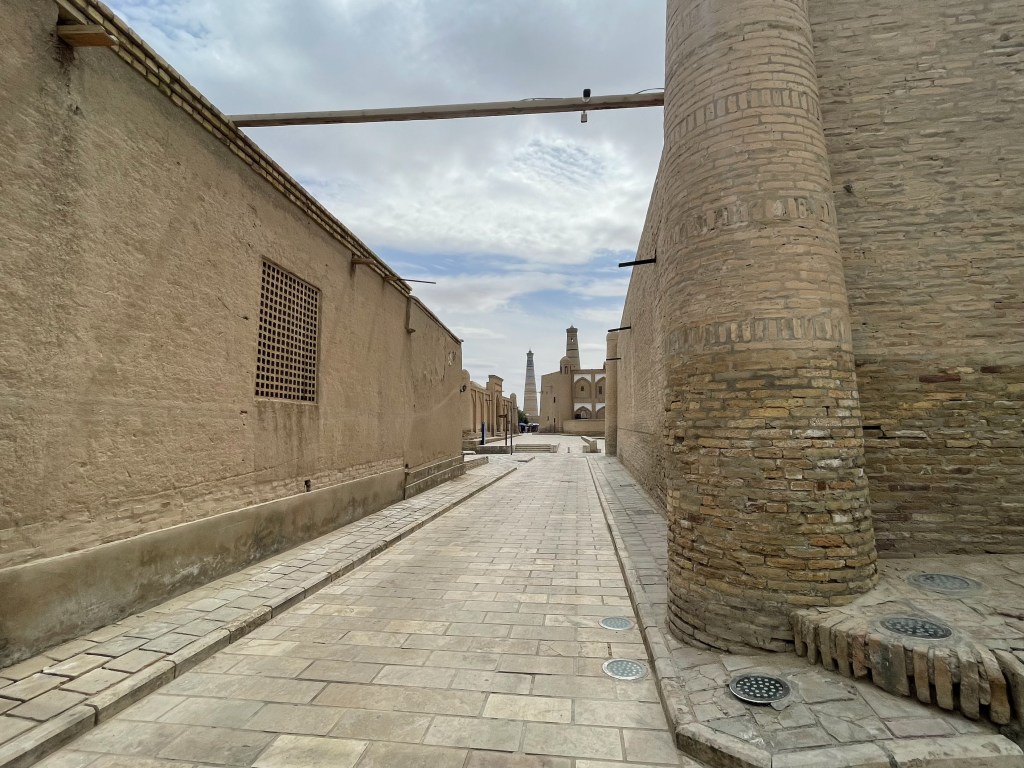

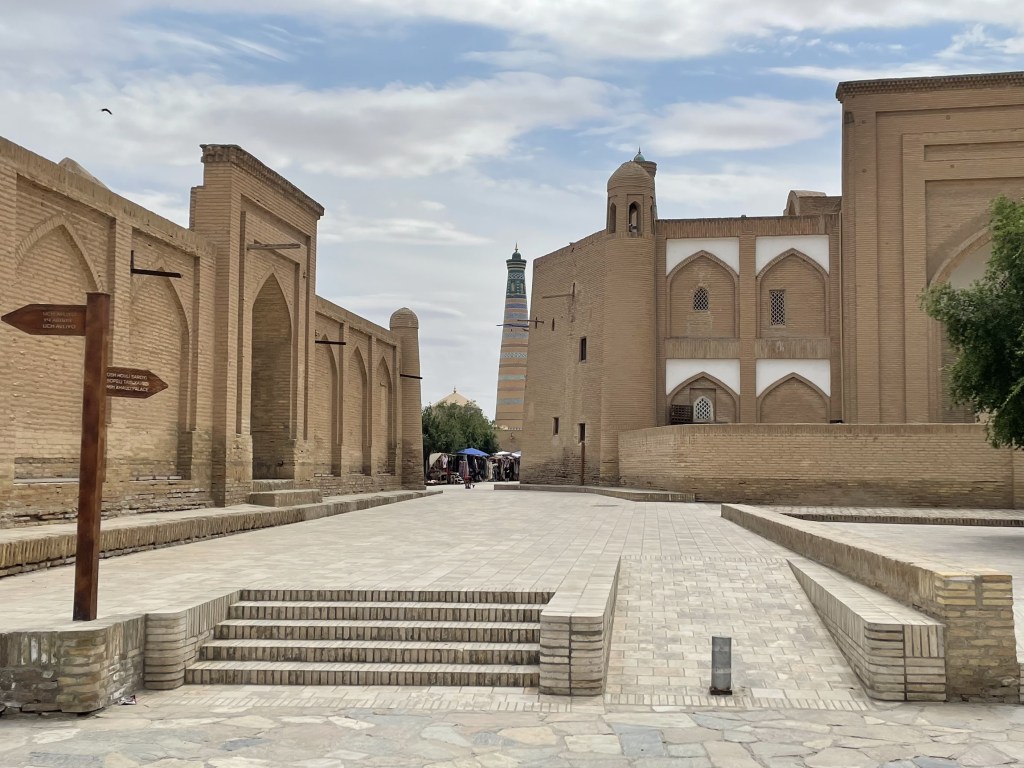
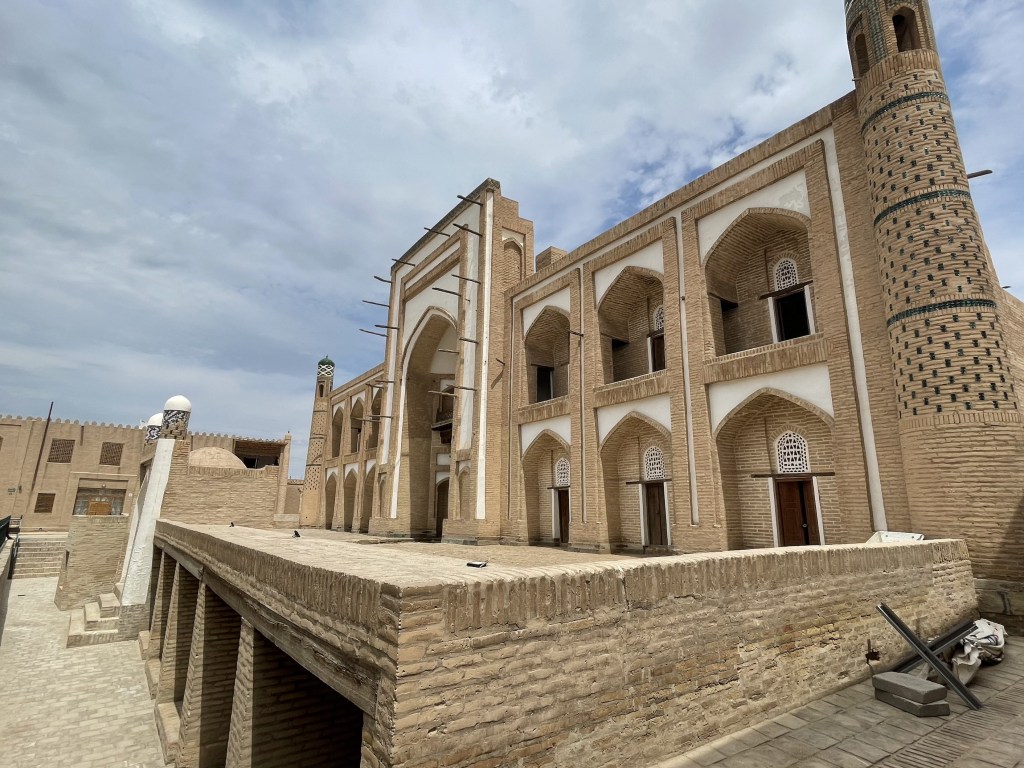


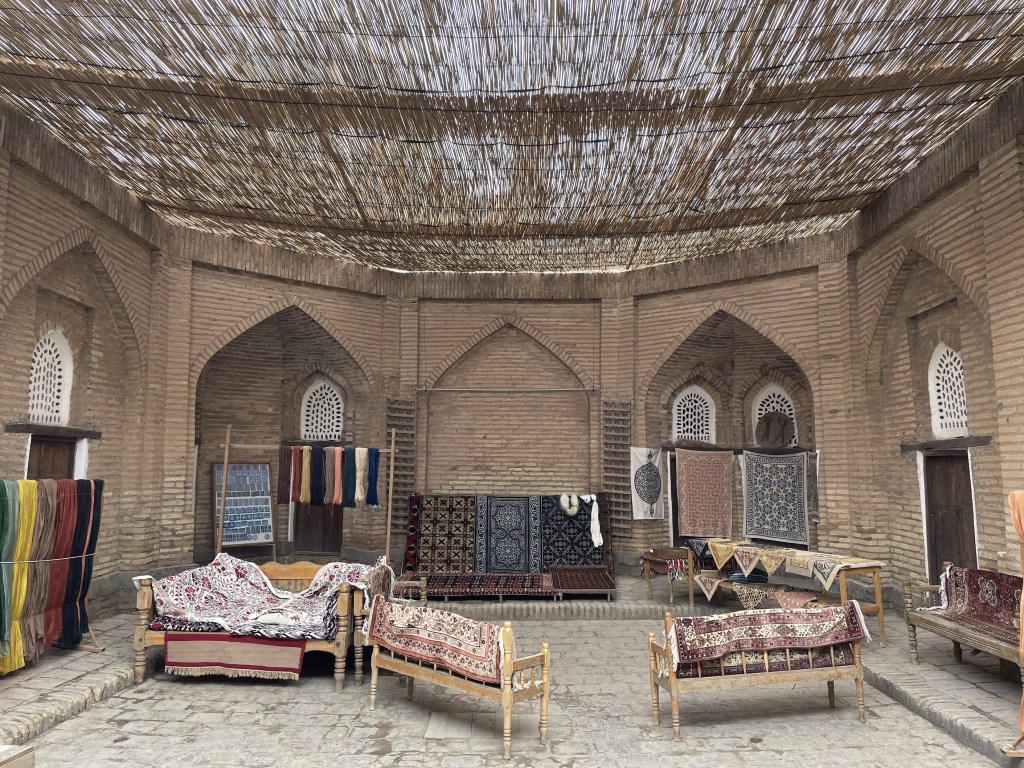
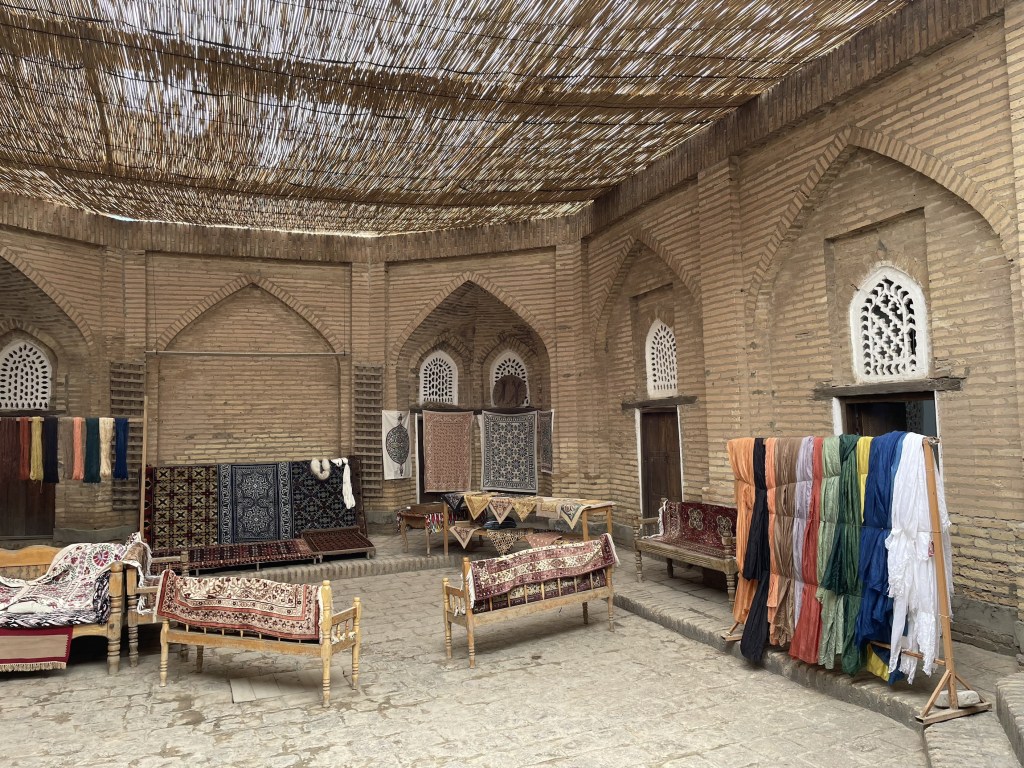

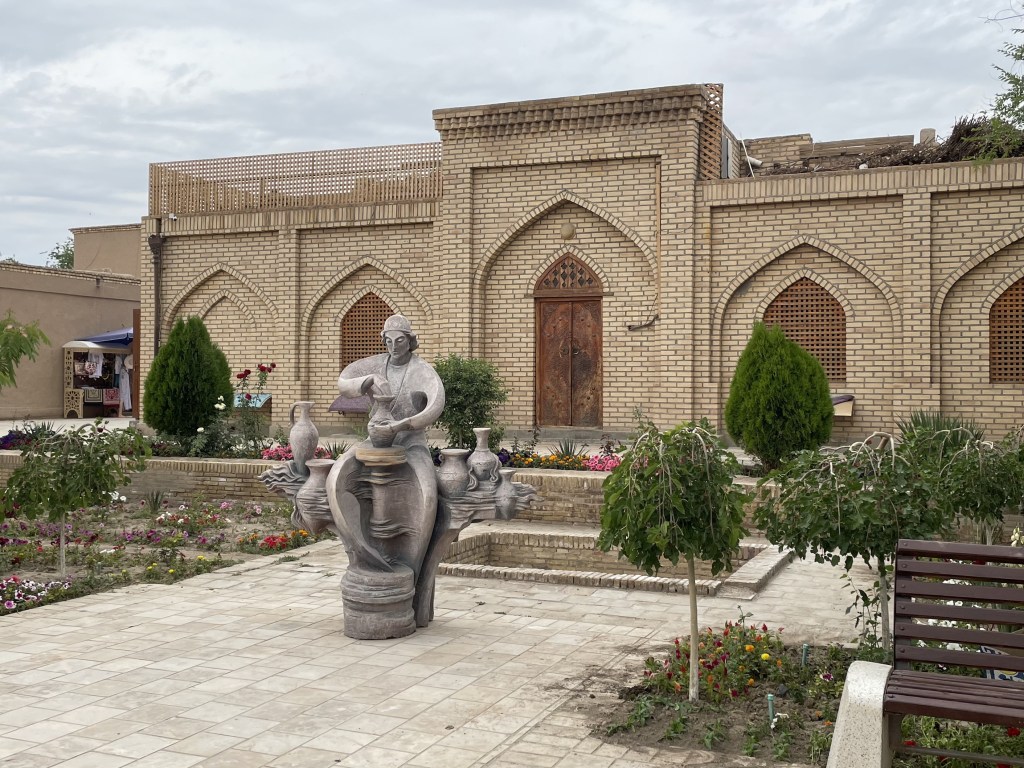
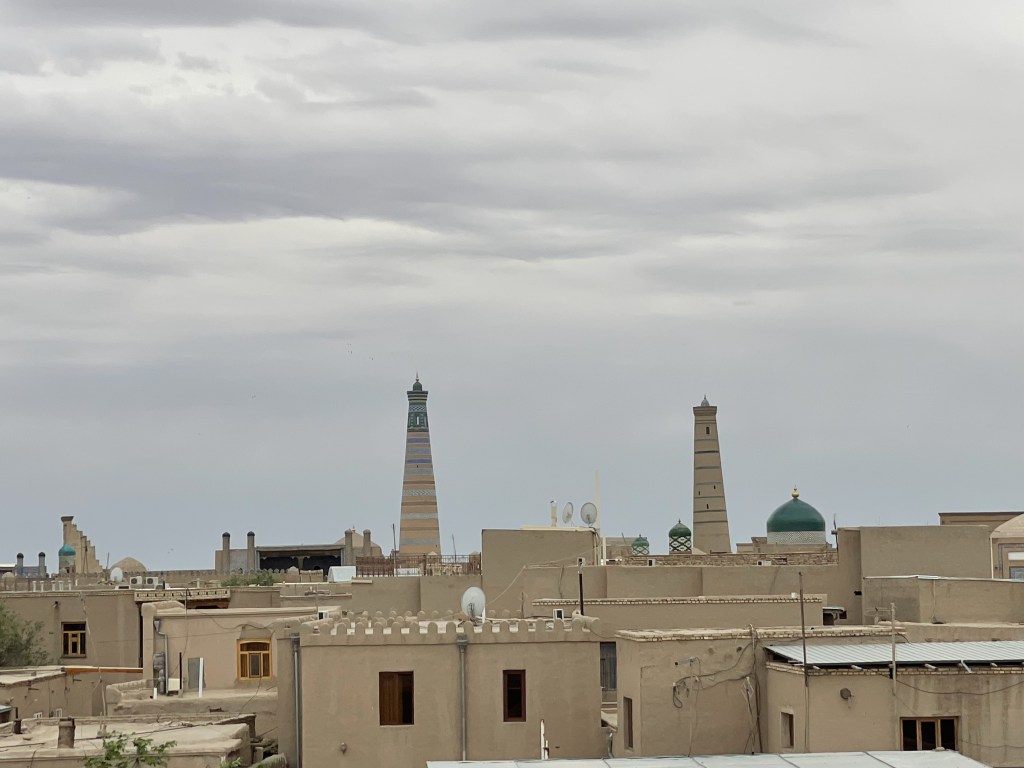

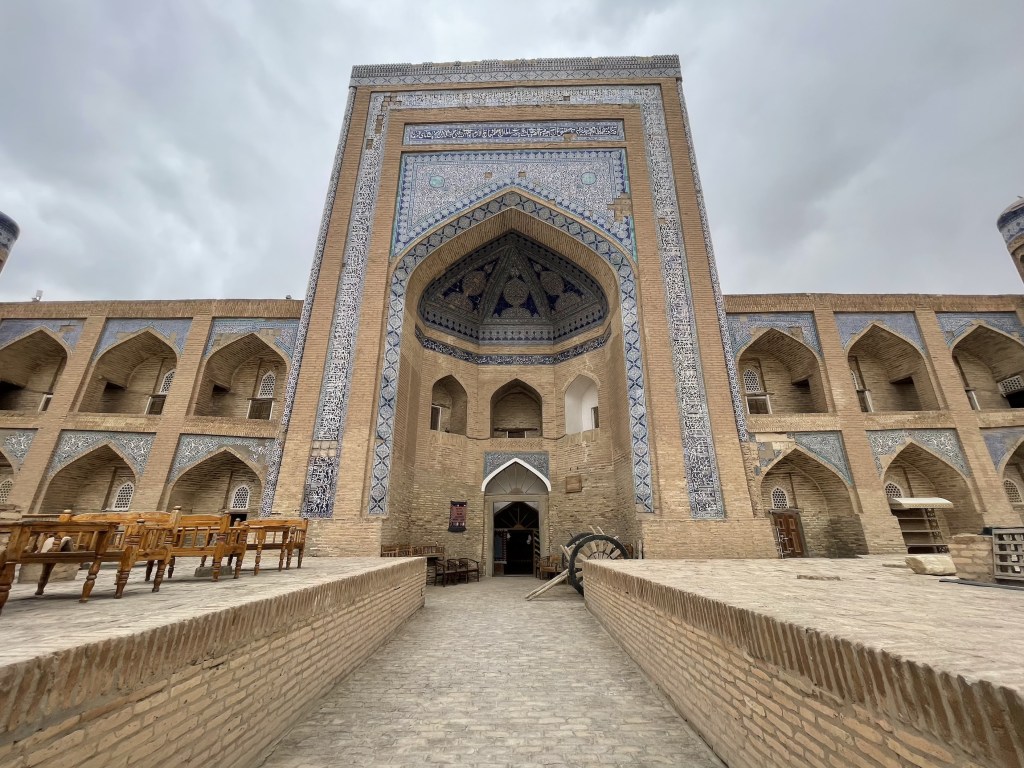
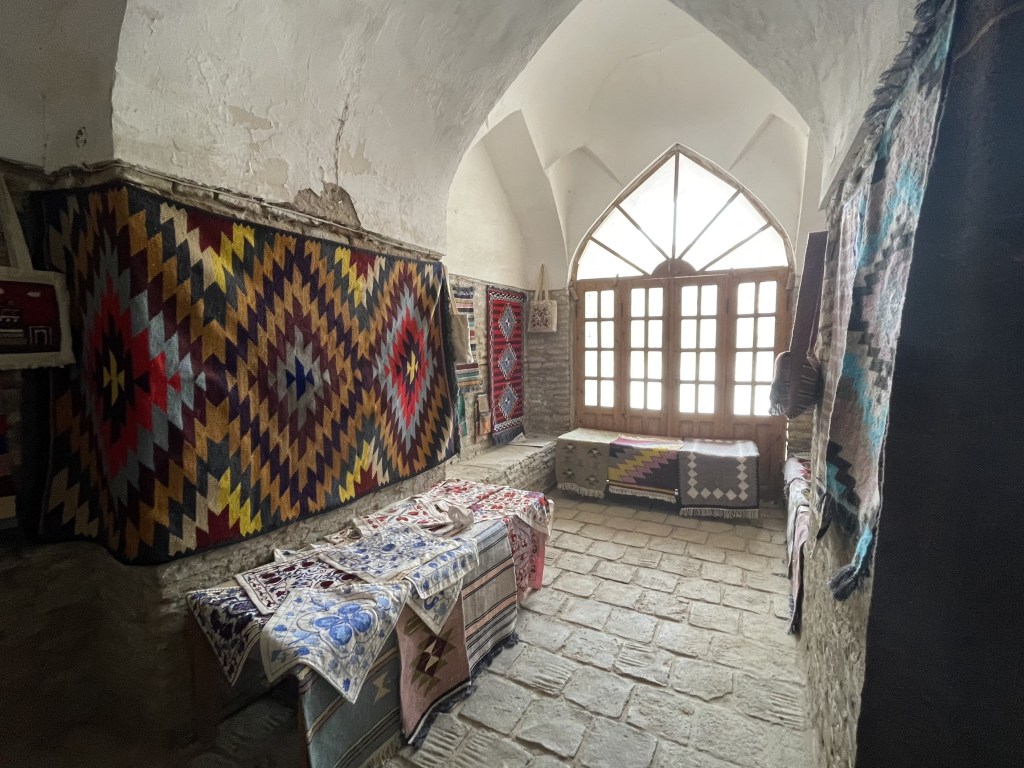
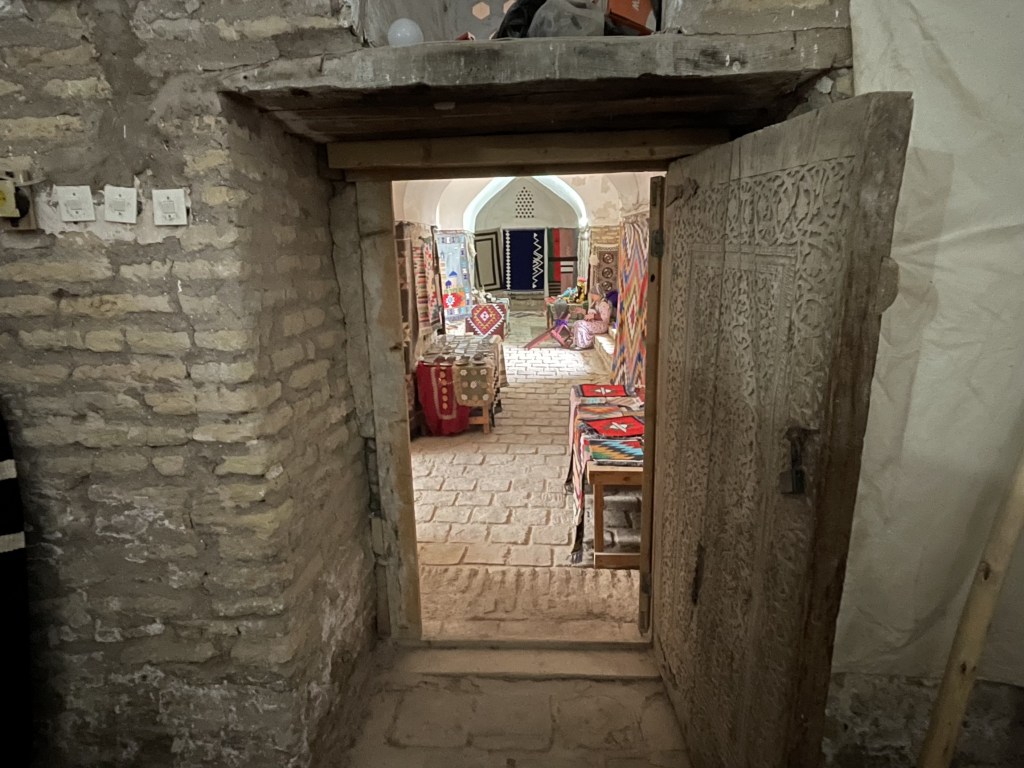
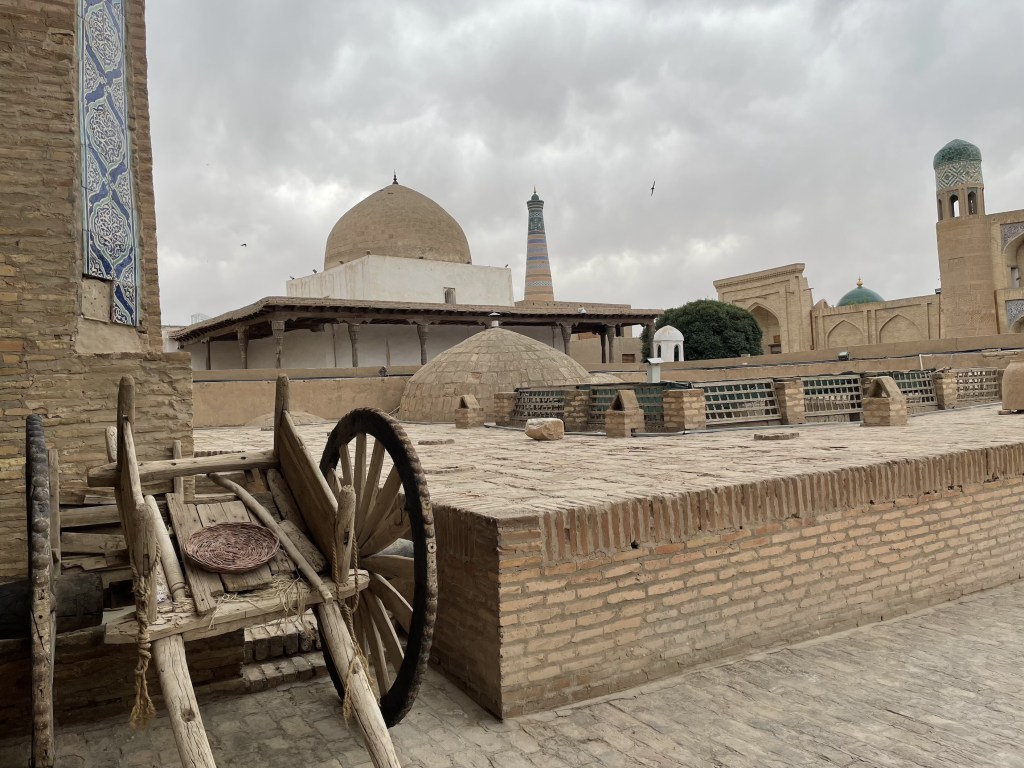
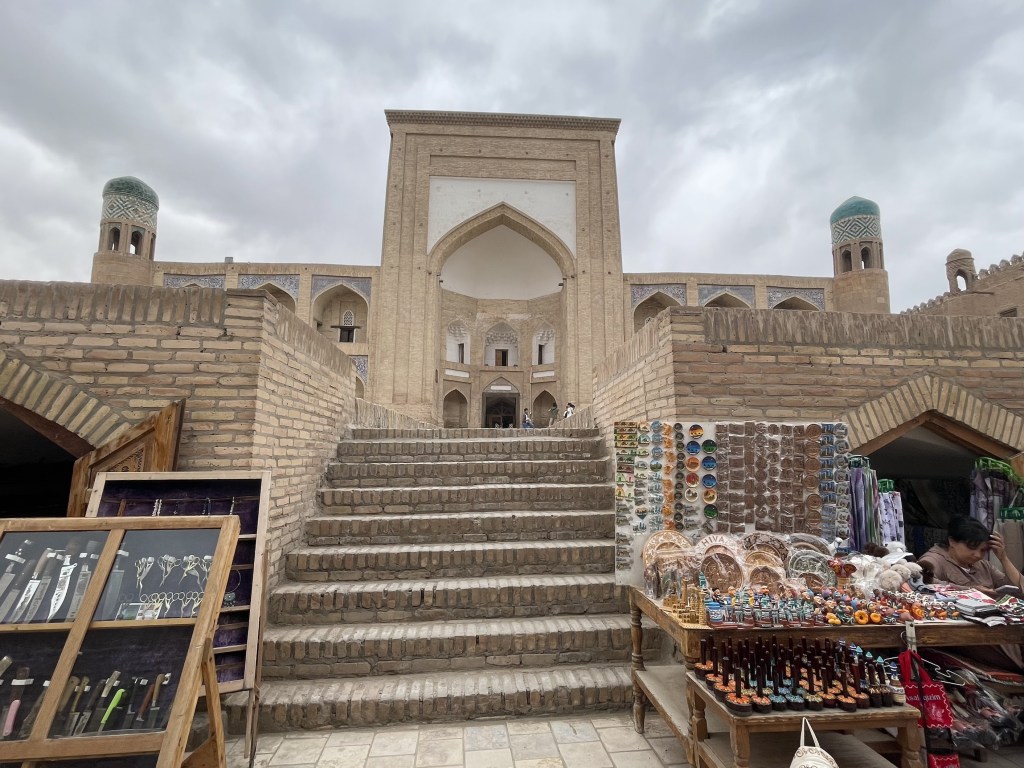

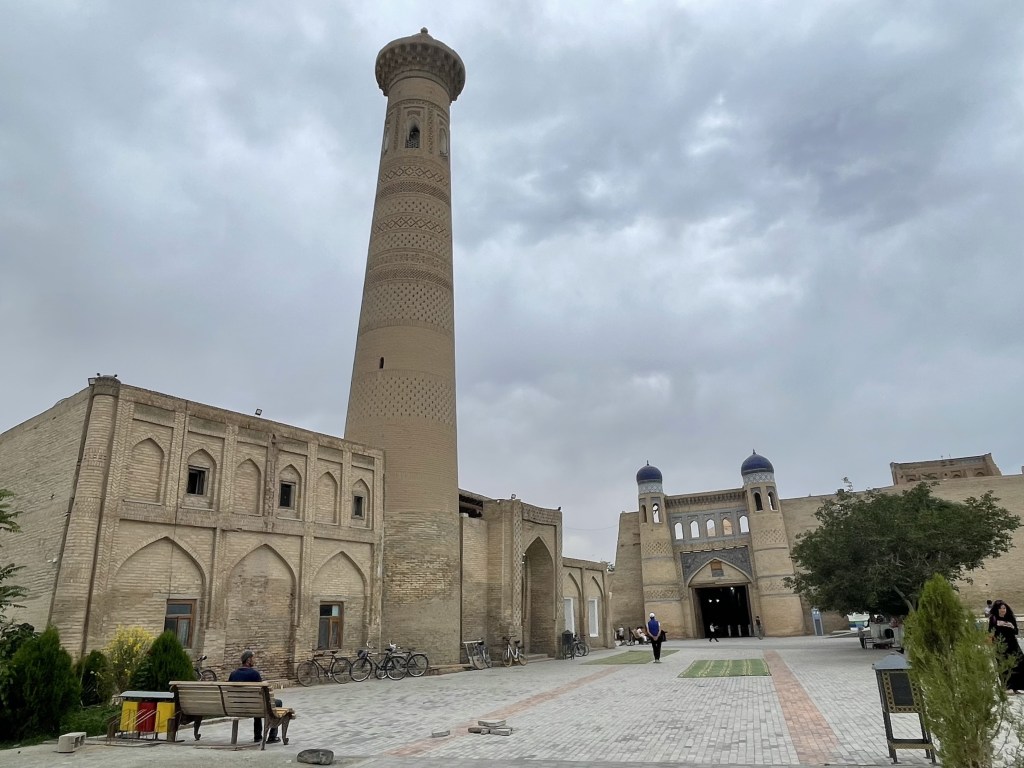


Now some people have been asking which among the three can be skipped. if you have at least a week, visit all three. It’s certainly doable. But I do understand that some people do not have a week to spare in Uzbekistan. And some people may have a week to spare, but they’d rather spend more time in a single place to properly immerse themselves in the culture. And I have to be honest… after visiting all three, the sights do blend together somewhat. Sure each city is different, but the architecture is similar in a lot of ways too. How many minarets and madrasahs does one need to see anyway? By the time I reached Khiva, many things started to look alike.
So… if you don’t have much time, then Khiva is obviously out. It’s quite far from the other two, while Samarkand and Bukhara are close to each other. This is a personal preference, but Khiva is also the one I’m least fond of… mainly due to the theme park vibe.
Now what if you really want to check out Khiva… heck, lots of people say it’s the best one. Then either Samarkand or Bukhara has to go. Again, this is a matter of personal preference, but I preferred Bukhara. Sure both cities are touristy, but Bukhara felt more authentic. I think it’s because the attractions in Samarkand are… should I say, “polished” — meaning, most of them have been perfectly restored and maintained. That’s not necessarily a bad thing. If you want to see better maintained attractions, then Samarkand it is. I noticed that the infrastructure in Samarkand is more tourist- centric too… I mean, it has to be, considering the fact that it is the main tourist destination in Uzbekistan. There are lots of international restaurants, and there are lots of bars catering to tourists as well… meaning, they serve alcohol. I didn’t see as much in Bukhara. So if you’re looking for some nightlife, Samarkand is the better choice. Keep your expectations in check though, you won’t see any wild parties here.

Just to add: after Khiva, many backpackers proceed to Nukus, then they head to the Aral Sea from there. I wasn’t interested in checking out the Aral Sea, but I’ve met many fellow travelers who did this trip. If you plan on heading to Nukus, first hop on a mini bus to Urgench. You can find mini buses and shared taxis right outside the north gate of Itchan Kala. Once you’re in Urgench, find your way to the Avtovokzal station. A bus leaves daily at 9 AM. It costs 25,000 Som each way (about 2 bucks).
Overall it was a great trip. Although the historical sights did seem to blend together in the end, each city has something unique to offer. I’d recommend visiting all three cities in Uzbekistan if you have the time, and you want to learn about the country’s rich history and culture.

 no roads to follow
One thought on “Along The Silk Road”