
After spending a couple of days in Cape Town, I decided to head to Johannesburg. The main reason was to visit a friend. Another reason was the weather which looked better up north. Honestly, if I didn’t have a friend who lived there I would have skipped it. I’ve mentioned in my previous entry about how a lot of the people I’ve met had their phones or wallets stolen. Majority of those incidents happened in Johannesburg 🫢. Then add all the stuff I’ve been hearing about the city for the past couple of years? I’ve heard so many negative things about this city that i was really hesitant to visit until the very last minute. But my friend assured me that not every place in the city is dangerous. He told me where to stay and how to get to the city so I’d encounter the least amount of trouble. Johannesburg is the capital city of the Gauteng— the richest province in South Africa. Johannesburg is in fact Africa’s wealthiest city. But due to those many years of apartheid, high unemployment rate, and inadequate infrastructure to support its massive population, there’s just so much poverty. As a result, many would resort to committing crimes just to get by. There’s also a glaring spatial division between the wealthy and the poor. The rich folks are mainly in the northern and central suburbs, while the poor reside in the south and in the peripheries. Some say that this isn’t just an economic divide, it’s also a racial division that continues to exist years after apartheid ended. True enough, most white folks live in the affluent neighborhoods. In the south and in the peripheries, I only saw black folks.
First I had to decide on how to get there from Cape Town. Naturally, being the thrifty traveller that I am, I looked at buses. The Cape Town to Johannesburg route (and vice versa) is a very popular bus route among locals. Thus there are multiple buses leaving daily. A single journey ticket only costs about 700 Rand (50 US dollars), but this journey takes about 19 hours (!). Some are sleeper buses that are quite comfortable, but the main concern was safety. My friend told me not to take a bus because there have been many incidents wherein bandits managed to board long distance buses in South Africa, including this particular bus route. In fact, an incident occurred just a week prior. He told me that even among locals, many preferred to fly especially since flying isn’t that much expensive if you book early enough. Anyway, if you really want to travel the cheapest way and you don’t mind spending 19 hours in a bus and you’re willing to take the risk, you can book a ticket online on the Intercape website.
I’ve asked locals about the different bus companies, and Intercape seems to be the most reliable. One bus trip I booked later on this trip got cancelled at the last minute though, so take that with a grain of salt. 😆
I didn’t want to risk it so I decided to fly instead. Like the bus route, the flight route from Cape Town to Johannesburg (and vice versa) is a high traffic route. Multiple airlines have multiple flights daily, there’s roughly one flight leaving every hour during the daytime! I purchased my flight ticket three days before my flight, so the cheapest ticket I got set me back 80 bucks. But if you book a flight about two weeks in advance, a one way ticket usually costs about USD 60. A bus ticket costs about USD 50. That’s only a 10 Dollar difference. Unless you really can’t spare 10-20 bucks, I’d take a flight. To me at least, spending an extra 10 bucks is nothing if it would assure my safety. Another thing to take note of: the central bus station in Johannesburg isn’t located in a safe area. A lot of people get robbed and mugged as soon as they leave the bus station. Getting an Uber isn’t totally safe either because for some reason, they do not allow Ubers inside the bus station. Heck you can’t even get an Uber directly outside, the waiting points and drop off points are a block away! I’m sure the local government is aware of the high crime rate in this area. It’s puzzling how they won’t address this by increasing police presence in the vicinity, or at least allowing ride hailing services such as Uber and Bolt to pick up and drop off passengers within the premises.
Take note that there are two main airports in Johannesburg: O.R. Tambo, the larger and busier airport, and Lanseria Airport, a smaller airport that mainly caters to domestic flights. Check where you’ll be staying because Johannesburg is massive. If you’re closer to Lanseria, you’d save money if you fly there instead of O.R. Tambo. Flights cost roughly the same anyway. Take note that there’s no public transport to and from Lanseria. You have to take a taxi or an Uber/ Bolt. In O.R. Tambo, there is public transportation connecting the city to the city center- the Gautrain. Depending on your destination though, it may be cheaper to just take an Uber all the way to where you’ll be staying. I really wanted to try the Gautrain though, so I paid 228 Rand (off peak rate) and I got off at Sandton which was the closest station to the hostel. Then i had to take an Uber since it’s not within walking distance. I found out later that it would’ve been cheaper if I just took an Uber from the airport because an Uber ride from the airport costs about the same as that train ride from the airport to Sandton. No wonder the train was mostly empty. Many locals refer to the Gautrain as the “tourist train” because it’s mostly tourists who ride it lol. But hey, you do get what you pay for. The train is clean, there’s AC, seats are comfy. You can check the Gautrain website for fares. Off peak periods are before 6AM, between 8:30 AM and 3 PM, and after 6:30 PM on weekdays. On weekends, the entire day is considered off peak. This would’ve been a great way to see the city if it had more stations. In its present state, stations are few and far between. It wouldn’t make sense to take this if your destination isn’t close to any of its stations.
Where did I stay in the city? My friend told me to stay in Sandton because it’s supposed to be the safest area in Johannesburg. It’s not surprising considering it’s one of the most affluent neighborhoods in the city. Seriously, the first time I passed through Sandton it felt as if I was suddenly transported to another city. But man, there were no cheap accommodations. Even the cheapest hotel rates were a little too much for me. I searched for hostels and I found one in Randburg which was pretty close to Sandton. I asked my friend if it was safe in that area, and he said it was. So that’s where I stayed. The hostel is called Explorer Backpackers and if you’re traveling on a budget, I’d highly recommend staying here. For one thing, the location is safe. Most hostels in the city are located in sketchy locations but not this one. There are lots of restaurants nearby and several convenience stores too. Bars in the area are open til late and I felt safe walking around even at night. I’d say it’s one of the “safe bubbles” in the city. The hostel itself is pretty good. Beds were comfy, and guests are a good mix of travelers and long termers. I usually frown upon hostels where a lot of long termers are staying because these people usually aren’t interested in making new friends. And usually, they’re either working somewhere in the city or working remotely from the hostel— most of these people aren’t interested in going out and exploring the city. But it was different when i stayed there. There’s a good sense of community, and this always enhances the hostel experience.
Why didn’t I just stay at my friend’s place? After all, one of the perks of making friends from all over the world is getting a free place to stay right? 🤣 Well for one thing, he didn’t have an extra bed nor a couch i could crash. And even if he did, he wouldn’t recommend it unless I just remained at his place whenever he wasn’t home. See, he lives in Bellevue— one of the poor areas of the city. Houses and buildings were old and dilapidated, the crime rate is very high. I did a Google search just to see if he was bullsh*tting me, and it turns out that his neighborhood had one of the highest crime rates in the city. Muggings occur regularly, as well as homicide. He’s said that even though he’s black he still doesn’t feel safe walking outside even during the day time. I’d definitely stand out if I stayed there, I’d have a very huge target on my back. I did get to visit his place after a night drinking. I like seeing where my friends live, and hey, I was drunk. It took some time before an Uber driver agreed to take us there— can’t blame them, it was past 2 AM. At past 3 AM i tried to get an Uber back to the hostel. It took more than an hour before I got one. And it was so funny the minute I got in. First thing the driver (a white dude) said, he didn’t want to accept this ride because he thought that i was someone who’s out to rob him. Apparently this was a common occurrence, Uber drivers get robbed at gunpoint or knifepoint late at night. I’ve also noticed that late at night, Uber drivers don’t really follow traffic lights— they don’t stop when the light is red because there’s always a chance that robbers could be waiting at several intersections and surround their vehicle as soon as it stops. But then he saw on my profile that I was “white” (I’m not, but apparently anyone who isn’t black is white in Johannesburg lmao), so he thought I might need “rescuing”. 😂 Oh and that’s not all. He told me that when he saw that i was waiting for him with a tall, buff black dude beside me, he almost drove away instead of picking me up. He asked me why would a “white” guy (sic) like me be out on the street with a black guy in a sketchy neighborhood at 4 in the morning. I told him that black dude was beside me because he’s a good friend of mine and he wanted to make sure I was safe. I also told him that my friend is a very good person, one of the kindest people I know. Apartheid may be over folks, but it seems to be alive and well in the minds of many. Yeah I get the optics. It was past 4 in the morning. We were in a dangerous neighborhood. But I couldn’t help but wonder if he’d be thinking the same way if my friend were white.
Since Johannesburg is a massive city, there are several notable attractions. The question is, will these attractions be of any interest to you? I’m not really a fan of cities, especially huge and overpopulated ones. But if you’re interested in knowing more about Nelson Mandela and the country’s dark period of apartheid, then it’s worth spending a couple of days in this city.
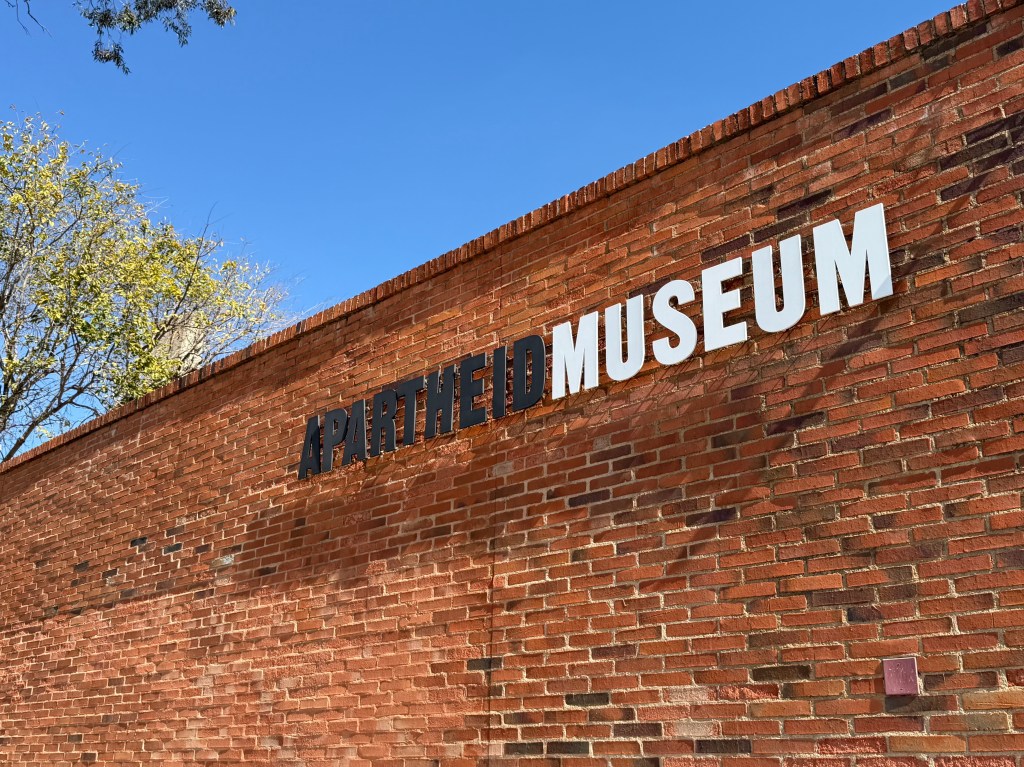
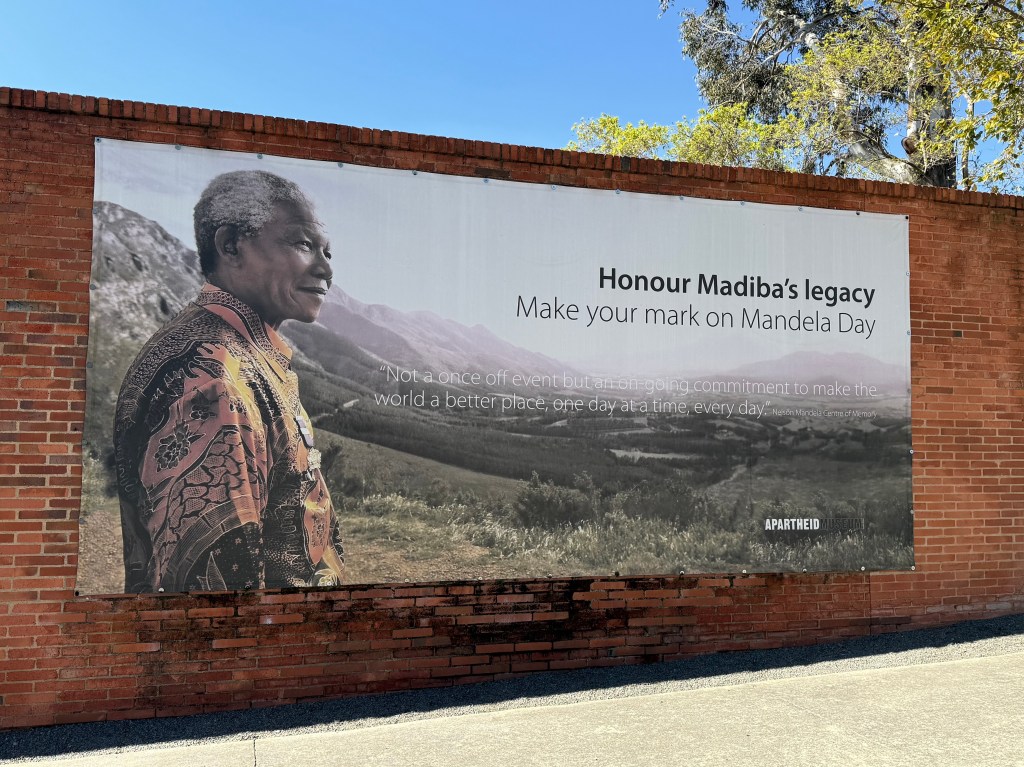
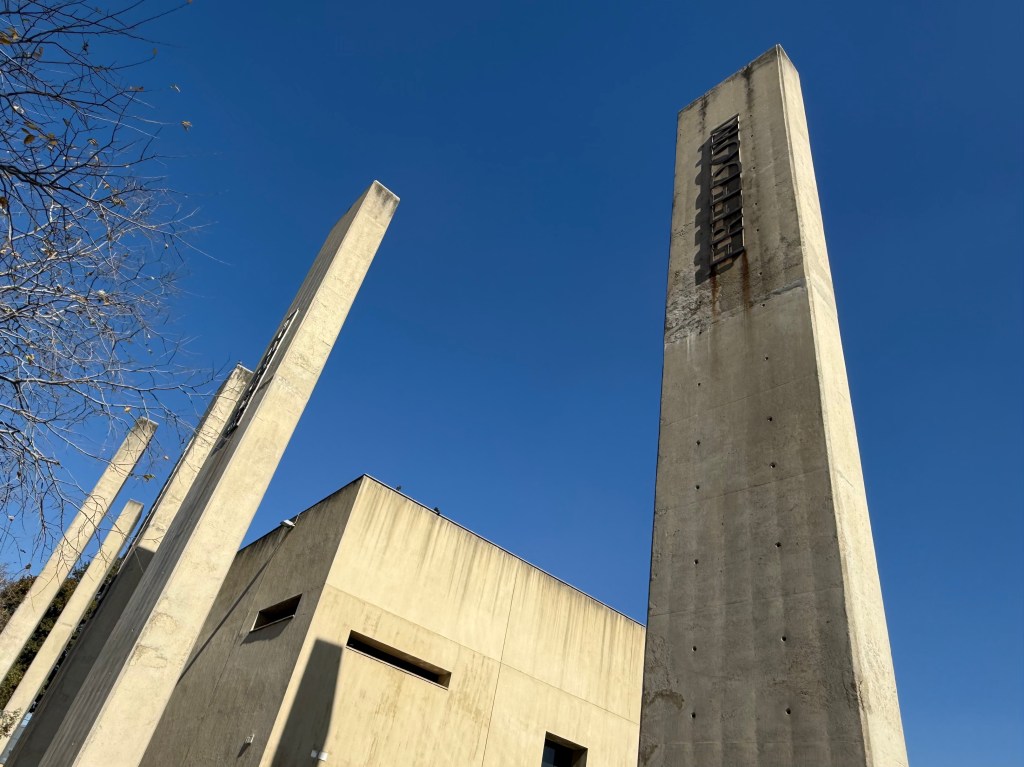


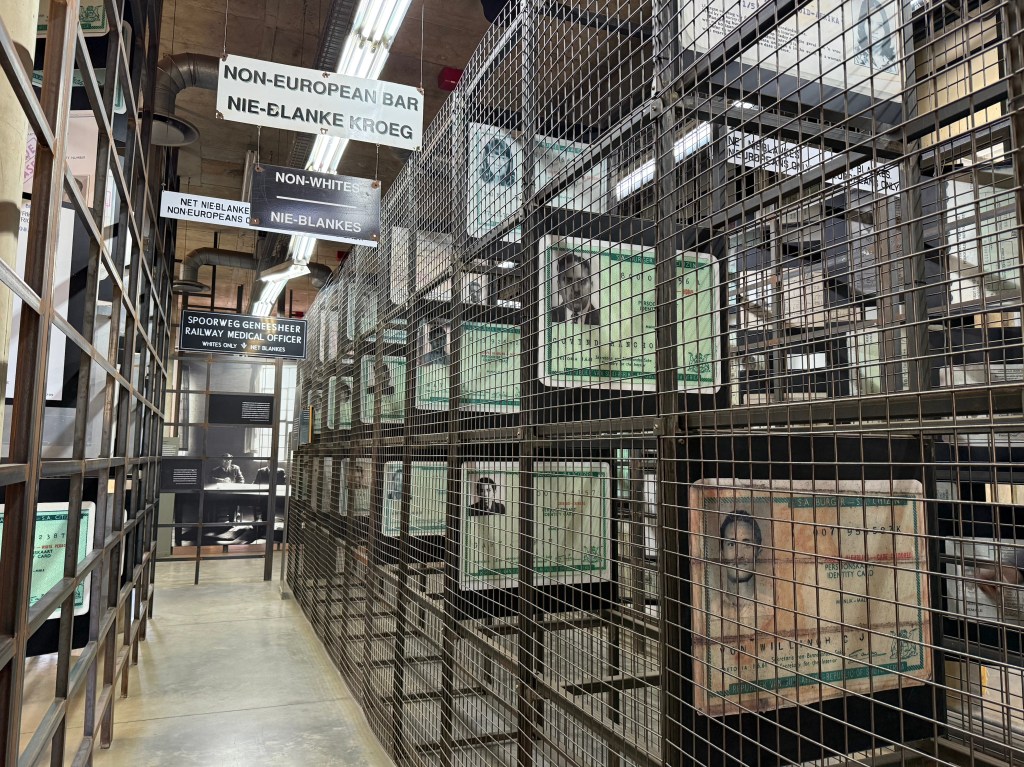


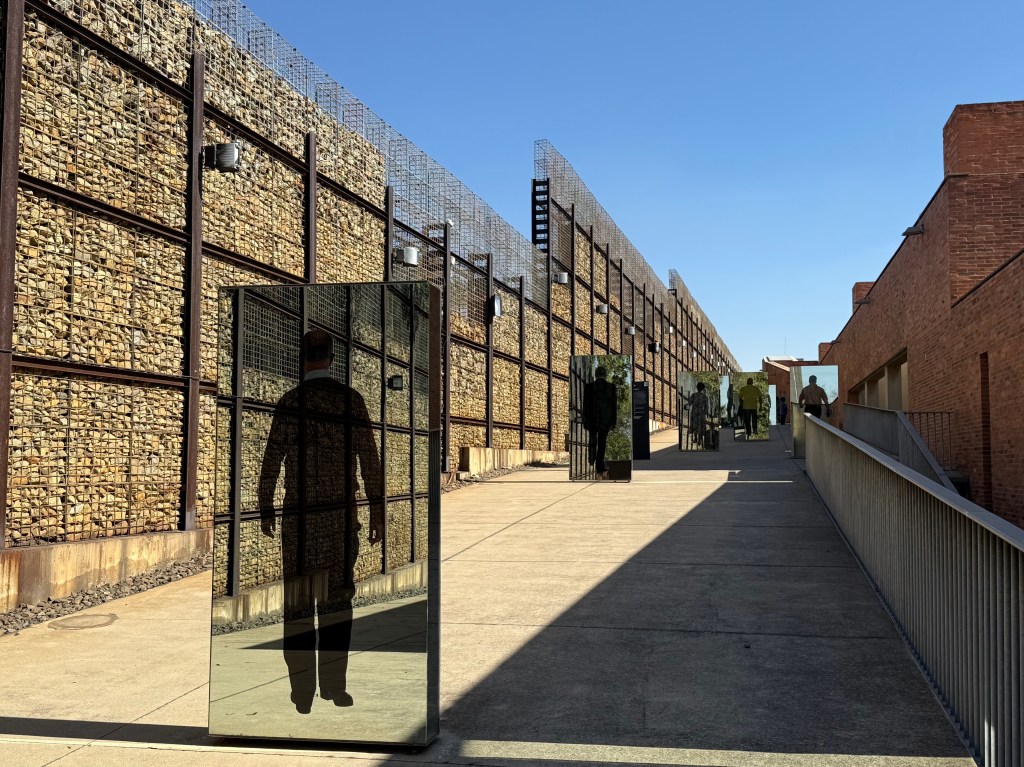
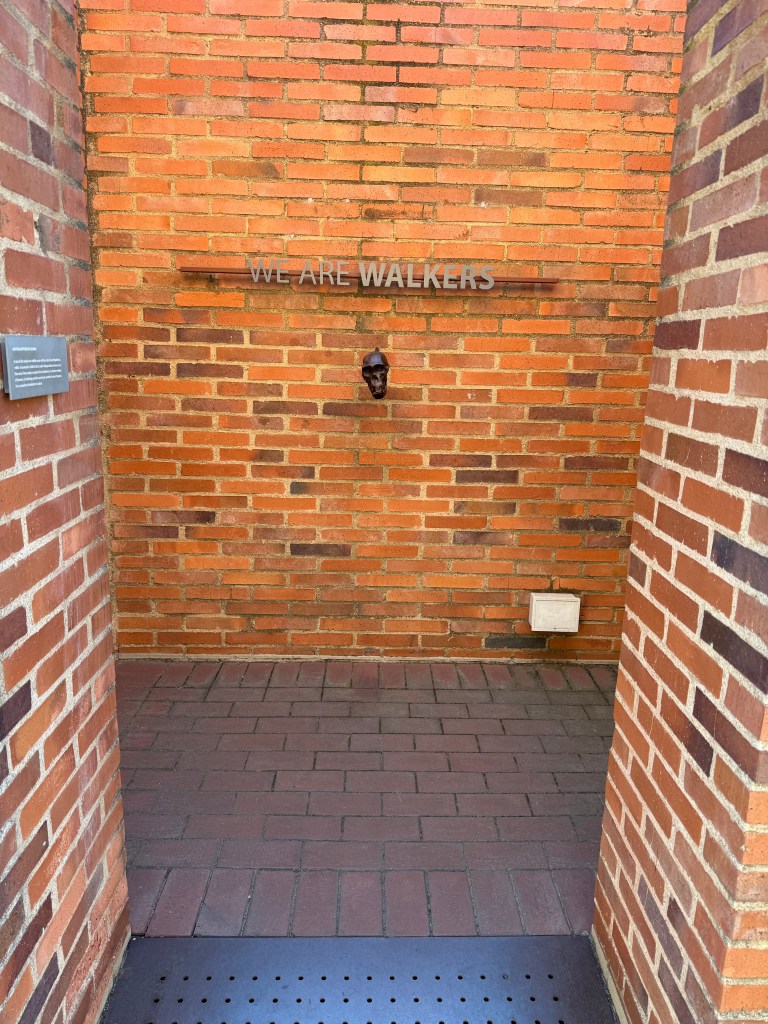


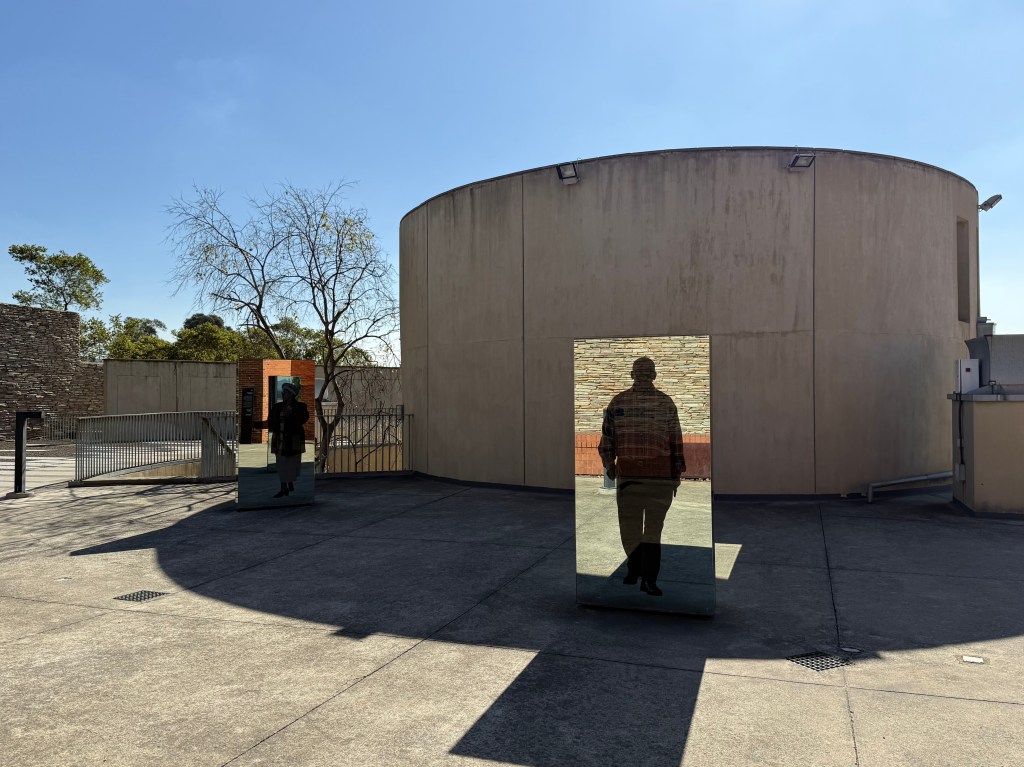


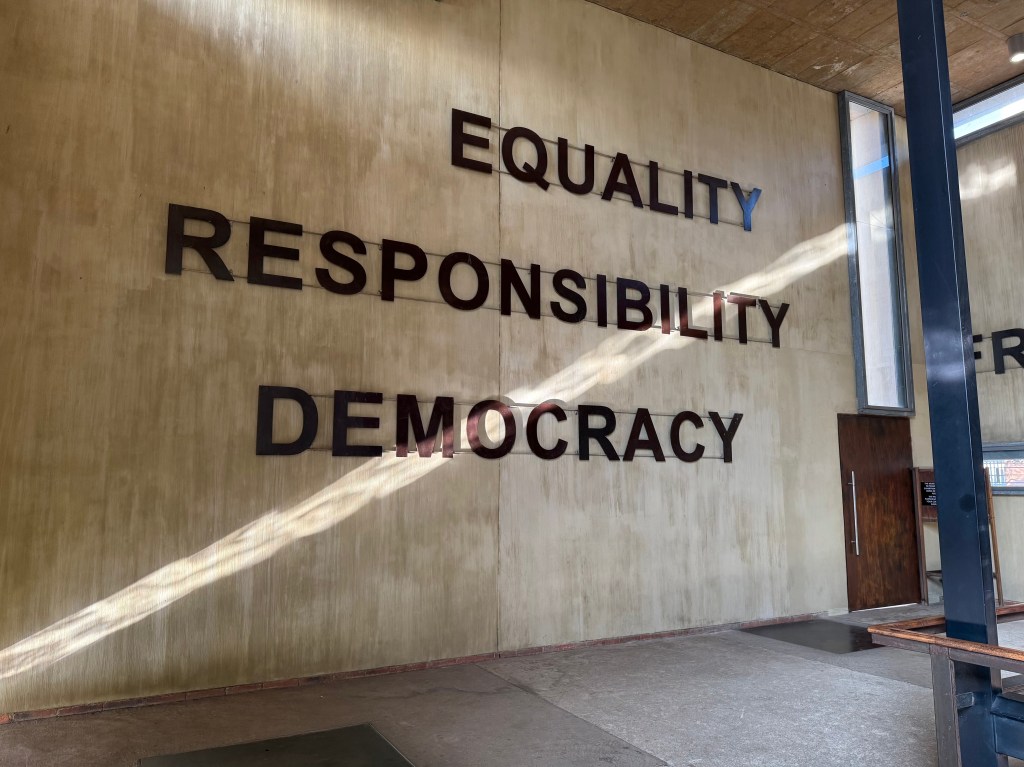
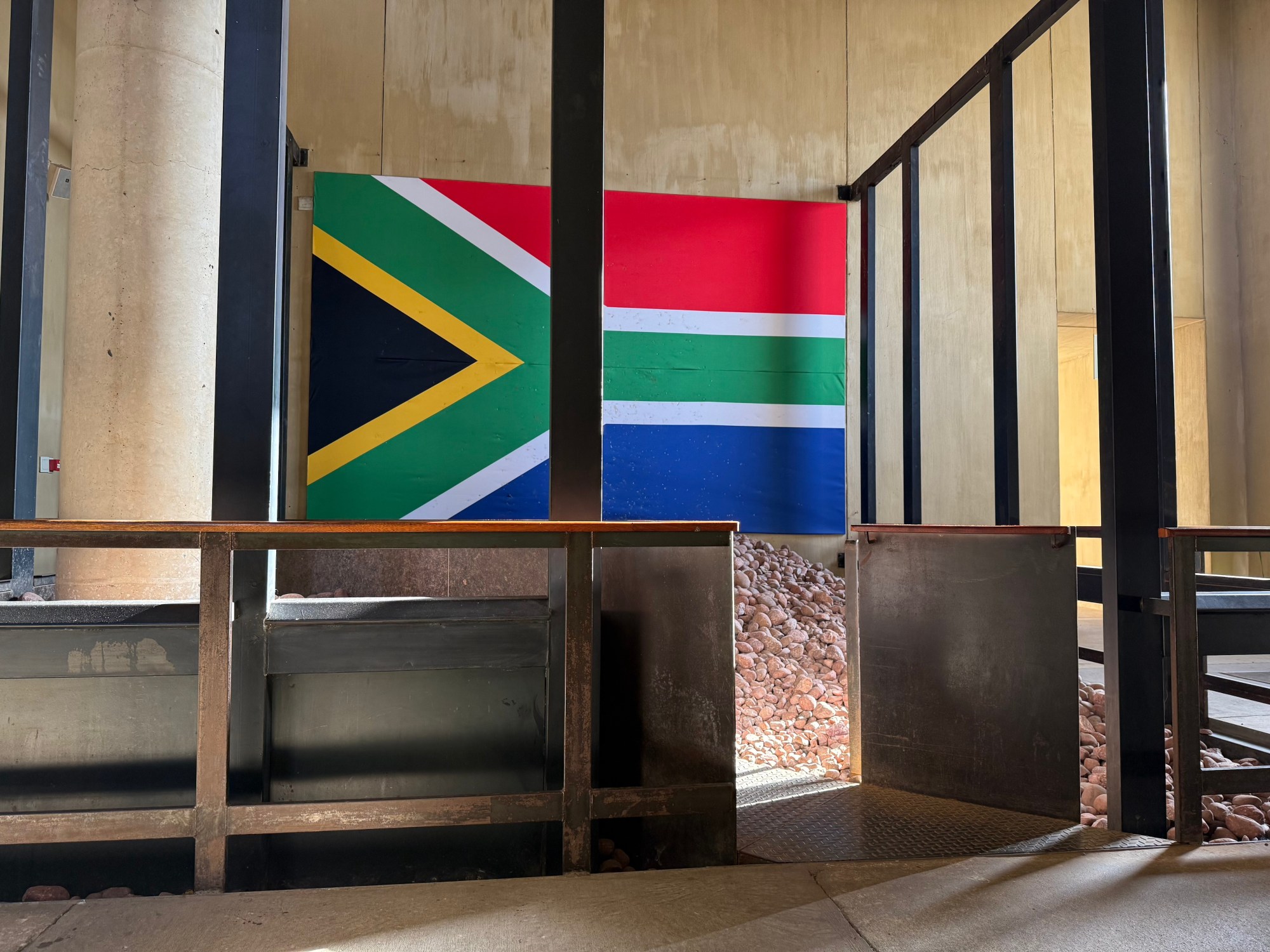
At least to me, that one site that any visitor shouldn’t miss is the Apartheid Museum. Even if you’re that type of traveler who doesn’t care much about the history of places that they visit, this one cuts deep if you even have a semblance of humanity. Seeing images and hearing soundbites from this dark period in South Africa‘s history is very different from simply reading articles about apartheid. Looking back at all my experiences while traveling, only my visit to Auschwitz has hit me this hard. It only costs 170 Rand (about USD 9) to enter, and that’s money well spent. Most people spend 2-3 hours here, and IMO that’s really rushing it. You have to spend more time if you want to absorb everything. I spent a little over 5 hours in the museum and even then, I felt that I rushed through certain parts. Right across the Apartheid Museum is Gold Reef City. It might be worth a visit if you like theme parks. I’m not into theme parks so I didn’t check it out.
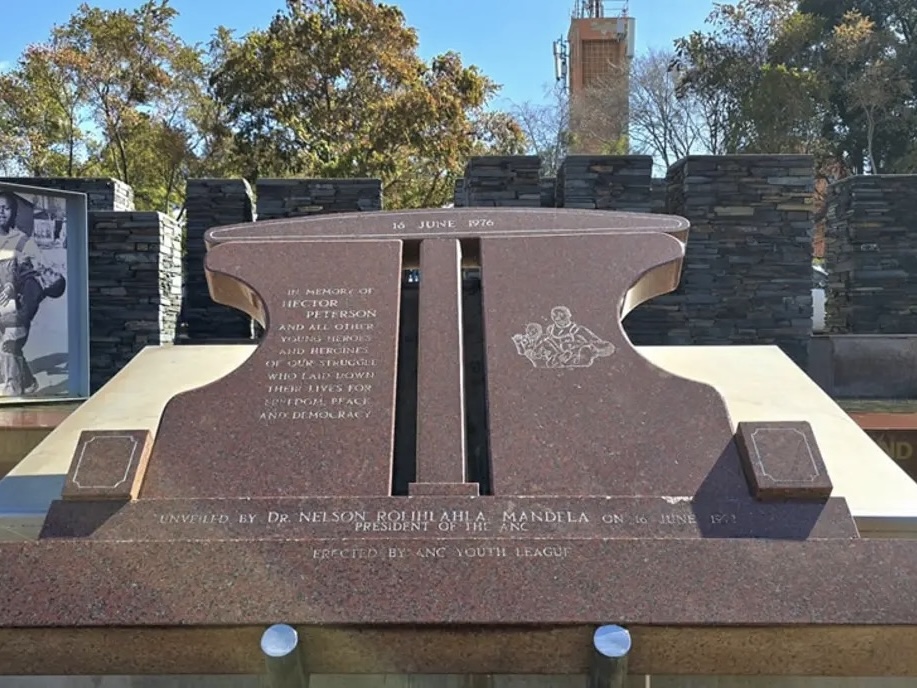
If you want to learn more about the Apartheid era, then Soweto is the other place in Johannesburg that you shouldn’t miss. Here you’ll find the Mandela House, where Nelson Mandela lived from 1946 to 1962 and is now a museum. The Tutu House, where Archbishop Desmond Tutu lived is close to the Mandela House. Though it’s not open to the public, this is a renowned landmark because of the Archbishop’s role in the anti- apartheid movement. Also in Soweto, you’ll find the Hector Pieterson Memorial and Museum which stands as a reminder of the Soweto Uprising of 1976. Hector Pieterson is a 12 year old student who became a symbol of the Anti-Apartheid movement when he was killed (among several others) when the police opened fire on protesters.
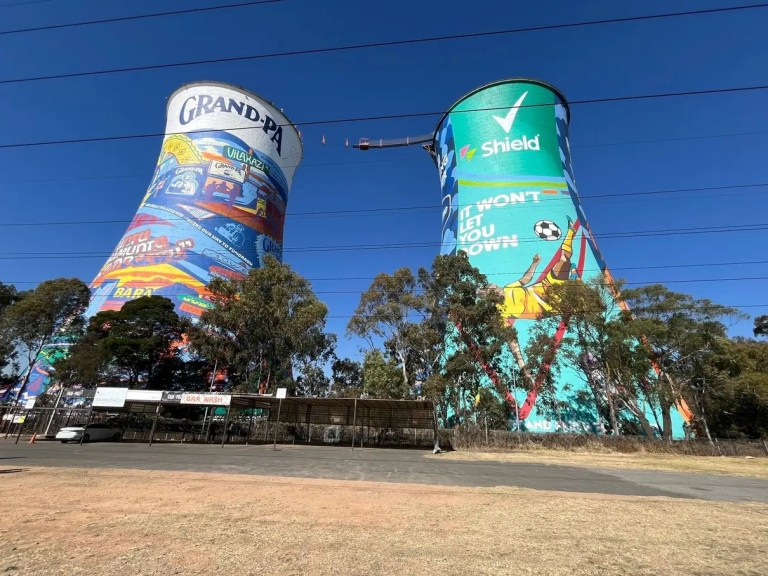
The Orlando Towers aren’t related to the apartheid era, but it’s such a prominent landmark that it’s impossible to miss it. It used to be an coal powered power station but it has since been decommissioned. You can bungee jump from the top for 630 Rand (about USD 35) if that’s your thing.
Is it safe in Soweto? If you’ve ever heard of it, chances are you’ve heard that it’s a dangerous place. This impression mainly stems from the fact that many parts of Soweto are impoverished areas. It is true. When times are hard, many people would resort to committing crimes just to get by. This is pretty much how it is in the entire country. Like Johannesburg in general, there are safe parts and there are dangerous parts. To be honest I just passed through Soweto so I can’t really give a thorough assessment, but everyone I’ve met who has been there says it’s mostly safe, at least during the day time. Petty theft does occur, but violent crimes rarely do, at least when compared to other notorious parts of Johannesburg. If you aren’t comfortable checking out Soweto by yourself, there are numerous group tours offered for more or less USD 30 per person and you’d get to visit all the places I’ve mentioned. I didn’t join one of these tours because 1) I felt that I’ve learned more than enough about the Apartheid Era after visiting the Apartheid Museum, and 2) “slum/ poverty tours” aren’t really my thing. You see, the other parts of these tours involve visiting local neighborhoods, and I don’t feel good about viewing how people live in poverty as “attractions”. I’m not judging anyone who wants to see how locals live in a certain community, but to me it just feels intrusive. I sure wouldn’t feel comfortable if there’d be people watching me as I go about my daily routine. Maybe if part of these tours involve interacting with the locals and spending enough time with them so that actual connections could be made, I’d feel different. I just don’t think that’s possible with a half day tour.
If you don’t have much time in South Africa and you want to check out a safari, The Lion and Safari Park is only an hour north from Johannesburg. Half day tours from the city cost about USD 100. Now obviously this isn’t a real safari, it’s more of an open zoo. But if you just want to see animals, this would get rid of that itch. I was heading to Kruger National Park after Johannesburg so I naturally skipped this.
As for the nightlife, the safest spots I guess would be the bars and clubs in Sandton. These places mainly cater to white folks, so it’s not surprising that they’re pricey. One club had a 1000 Rand cover— I was like, screw that 🤣. Cheaper options are bars in Norwood and Maboneng. These areas used to be run down but have since undergone gentrification. Maboneng in particular has a lot of trendy shops, bars, and restaurants. If you’re more into lounge bars, Norwood has lots of those. Some locals have told me that the bars in Soweto are where it’s at and that it’s safe for me to go there— which puzzled me a bit because other locals have told me that while it’s relatively safe in Soweto during the daytime, the same cannot be said at night. My friend and I went barhopping in Maboneng and Norwood and he took me to bars that mainly catered to locals. In most of these bars I was the only non black person, so I really stood out. I’ve mentioned this in passing earlier— I found it amusing how everyone was calling me “white boy”. Locals have different names for foreigners in Africa. In Tanzania, I’ve been called mzungu. In Ethiopia I’ve been called faranji. Although both words were mainly used to describe white visitors from Europe before, the use of these words have evolved and they basically mean “foreigner” nowadays. It’s just odd to use the English word “white” to describe all foreigners in a country wherein English is widely spoken by the local population. Everyone was really friendly though, and with a little too much alcohol it occurred to me that it would have been very easy to let my guard down since everyone was treating me like their long lost buddy. Keep in mind that even in relatively safe areas, it’s not 100% safe. I did notice that after 2 AM when there’s not much people around anymore some areas felt sketchy, and two dudes were clearly following us at some point. Idk, maybe if i wasn’t with a local I may have gotten mugged or something. I also wondered if I would’ve been as welcomed at those bars if i wasn’t with my friend. Experiences may vary.
Overall I had a good time in Johannesburg, though admittedly having a friend who lives there tipped the scales. It’s not the safest of places, and for many tourists it might not be worth the risk. Sure, fellow tourists and travelers tend to exaggerate, but when the locals themselves tell you it’s not really safe, you should listen. If you want to learn more about Nelson Mandela and South Africa’s apartheid era, I’d recommend a visit even for just a night or two. Otherwise, if those things do not interest you at all, I’d suggest just skipping it.

 no roads to follow
2 thoughts on “That Weekend in Johannesburg”