
Several years ago when I went to Peru, practically all the backpackers I’ve met came from Bolivia or were heading there afterwards. I was a novice backpacker then. I’ve heard of Bolivia, but I didn’t know much about the country. When I was planning that trip almost a decade (!) ago, all I wanted was to see Machu Picchu. I wasn’t aware that many backpackers visit both countries in one trip because crossing borders is easy. I was awestruck when people showed me pictures of Bolivia. I swore I’d visit the country in the future. Almost a decade later, I finally did.
Most people coming from Peru cross the border from Lake Titicaca. I would be flying in though, and most travelers fly to La Paz, the administrative capital of the country. Bolivia has two capitals. The other one is Sucre, the country’s constitutional and judicial capital. Why does the country have 2 capitals? Sucre is the historic capital (established in 1825). The location was ideal because back then, the economy was mainly driven by the silver mines in Potosi. After the civil war between the “liberales” in La Paz and the “conservadores” in 1899 which were won by the “liberales“, the seat of the government was moved to La Paz. The location also made more sense geographically. They retained Sucre as the constitutional capital for historical and symbolical reasons. Retaining Sucre also honors the power sharing agreement between the “liberales” and “conservadores” after the civil war.
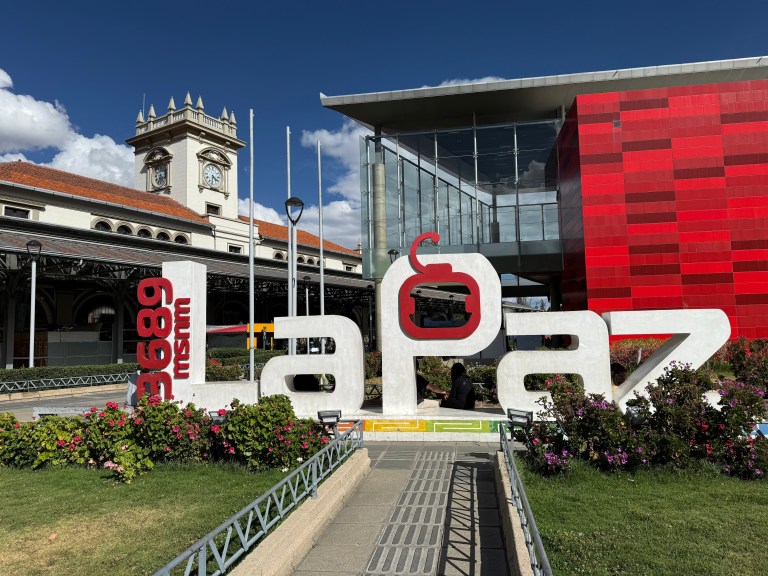
At an elevation of about 11,980 feet, La Paz is the highest administrative capital in the world. And before anything else, let me say that altitude sickness is real.
Back when I was in Cuzco, I did experience altitude sickness because we were rushing through Peru. Our first stop was Lima which is at sea level. 2 days later, we were already in Cuzco. That’s definitely not enough time to acclimatize. Thankfully my symptoms were mild. Since this was almost a decade ago, I completely forgot about it. I only remembered it when I overheard other passengers talking about altitude sickness while boarding the plane to La Paz. La Paz is on a higher elevation than Cuzco. All I could do was hope I’d only get mild symptoms again even if the elevation was higher. Thankfully, I only got mild symptoms again— a mild headache, difficulty sleeping, easy fatigability and shortness of breath. After 2 days the headache was totally gone, but the easy fatigability remained throughout my entire stay in the country. I didn’t tire as easily toward the end of my trip, but I was never able to fully acclimatize. Keep in mind that people have different reactions to abrupt increase in altitude. One person at the hostel had severe headache and she also kept on vomiting. It got so bad that she had to be taken to a hospital.
If you’re flying straight to La Paz from another country, chances are you’ll be coming from sea level unless you’re flying from a place like Cuzco. So what can you do to prevent this? Before you leave, you could see a doctor who can prescribe Acetazolamide. You start taking this 1-2 days prior to your trip. How does it work? It’s a carbonic anhydrase inhibitor. Once this enzyme is inhibited, bicarbonates aren’t reabsorbed in the kidneys. These will be excreted in the urine. This would decrease blood bicarbonate levels, which leads to a condition called metabolic acidosis— i.e. your blood becomes more acidic because bicarbonates make it more basic. Now to counteract this, your body would respond by breathing faster to increase oxygen and decrease carbon dioxide (more carbon dioxide makes the blood more acidic, so less carbon dioxide and more oxygen counteracts this). Basically, Acetazolamide speeds up your body’s natural acclimatization process by inducing acidosis.
Now I understand that many individuals wound rather not take any medications unless it’s absolutely necessary. After all, medications do have side effects. In the case of Acetazolamide, one can experience paresthesias, dizziness, and nausea… One could even have an allergic reaction. You can just wing it and see how your body reacts. If you’re gonna wing it, spend at least 3 days in La Paz so you can observe your body’s response to the altitude and see if you’re adapting well. Spend more than 3 days if you can. Coca Tea is provided for free in almost all hotels and hostels, though I don’t know whether it really helps with altitude sickness or if it just has a placebo effect. heh. If you’re starting to experience severe symptoms and Coca Tea isn’t helping, move to another city that’s on a lower altitude like Sucre. If you’re still not feeling better in a lower altitude, it’s time to accept the fact that you have to take medications. Go see a local doctor, there are lots of legitimate clinics in the cities— unless you’d rather cut your trip short and just fly out of the country…
That’s something I would not recommend… because Bolivia is amazing!!!!
After taking the possibility of altitude sickness into account, next you should consider expenses. If you’re from the United States, you’re in luck. Bring lots of US Dollars because similar to countries like Ethiopia and Argentina, there are unofficial/ parallel exchange rates (the so called “blue rates“) that are much higher than the official bank rates. You can have these exchanged in many legitimate currency exchange shops (“casa de cambios“) in major cities in Bolivia. You’d also see some informal money changers who’d exchange money on a random street corner and their exchange rates are a little better. However I’ve been told that some of them give counterfeit bills in exchange. I’m not quite sure how accurate this information is, but if you don’t wanna risk it, stick to the legitimate casa de cambios. When I was in the country last February, the official exchange rate was 6.90 Bolivianos for 1 US Dollar. The parallel exchange rate? Well it fluctuated daily, but it was anywhere between 9-10.50 Bolivianos for a Dollar. Bolivia is a cheap destination to begin with, but you’d get even more bang for your buck if you have US Dollars. I’ve heard other currencies like the Euro and the Brazilian Real also have significantly higher black market rates, so you’re in luck if you’re from Brazil or any of those European countries using the Euro. The best parallel rate though is with the US Dollar.
Why do some countries have these parallel US Dollar rates? It all boils down to demand. Since the US Dollar is basically viewed as the world’s reserve currency and it is the main currency used for international trade, it is seen as a safe haven currency in times of crisis. In times of crisis, people tend to have more faith in US Dollars than their local currencies. Local banks would not have enough US Dollars to keep up with the demand. Since there wouldn’t be enough US Dollars circulating in the country, this increases the value of the Dollar in the black market. Also, some countries seem to artificially keep the official rates low to decrease demand for US Dollars. These official rates do not reflect the true value of the Dollar. This is apparently the case in Bolivia.
A couple things to take note of. You’d get the best exchange rates if you exchange 100 Dollar bills. You can still exchange lower denomination bills, but the exchange rate would be a bit lower (about 10-20 centavos lower per Dollar on the average). Also, they won’t accept damaged bills. Bills don’t have to be crisp or free from folds, but these shouldn’t have any tears. Also, La Paz offers the best parallel exchange rates. Before you head elsewhere, exchange your US Dollars in La Paz.
If your first destination is La Paz, you’ll be landing at El Alto Airport. Fill out the SIGEMIG form online before arrival to save time. This is required for all visitors. You’re gonna need local currency to pay for transportation. The currency exchange counters at the airport don’t offer good rates. Just exchange a few bills, enough to head to your accommodation. How much is enough?
The cheapest way is to take a minibus for only 5 Bolivianos. If you arrive during the daytime and you only have a small bag with you, this would work. However I arrived at 2 in the morning. After a long flight and with altitude sickness starting to kick in, I didn’t want to wait until 6 AM for the mini bus.
So the next least expensive option is to use a ride hailing service. Rates would be around 50- 80 Bolivianos, depending on the time of day. There’s Uber in La Paz and El Alto, but there’s less drivers on it compared to InDrive and Yango. I tried all three of em, but there weren’t any drivers nearby. Maybe because it was almost 3 AM, idk. So I had no choice but to take a cab. With my looks and my broken Spanish, I was obviously a gringo. The hostel told me I shouldn’t pay more than 80. The driver said 150. I laughed. I went to other drivers, until one agreed to take me to the hostel for 120. That’s the lowest I could get— I wanted nothing more than to lie down in bed so i agreed. So if you’re going to exchange money at the airport, just exchange the equivalent of about 150 Bolivianos. You can exchange more at the city center for much better rates. If you don’t have money to exchange, there are ATMs at the airport. Whenever you need to withdraw money in the country, look for BNB (Banco Nacional de Bolivia) ATMs. These don’t charge any fees. I’m not sure about the others.
If you need a physical prepaid SIM card, choose Entel. They have the best coverage nationwide. Take note that in remote areas (like the ones down south close to the border with Chile), none of these cellular networks have any coverage. I’d suggest buying one in the city center instead of the airport so it will be cheaper. I went to an Entel store, and they offered unlimited data plans for a certain number of days that weren’t being advertised anywhere! I got the unlimited plan for 10 days and it only cost 60 Bolivianos.
Even if you don’t get to take advantage of the black market exchange rate, Bolivia remains to be an inexpensive destination. If you ever get hungry, there are lots of places to eat in La Paz. Street food is incredibly cheap. If you don’t want to risk it, there’s no need to go to an expensive restaurant. There are lots of local restaurants in the city that serve full course meals for more or less 20 Bolivianos— that’s less than 3 US Dollars using the official exchange rate! You get an appetizer (salad or soup), a main course (typically rice and meat), and dessert!
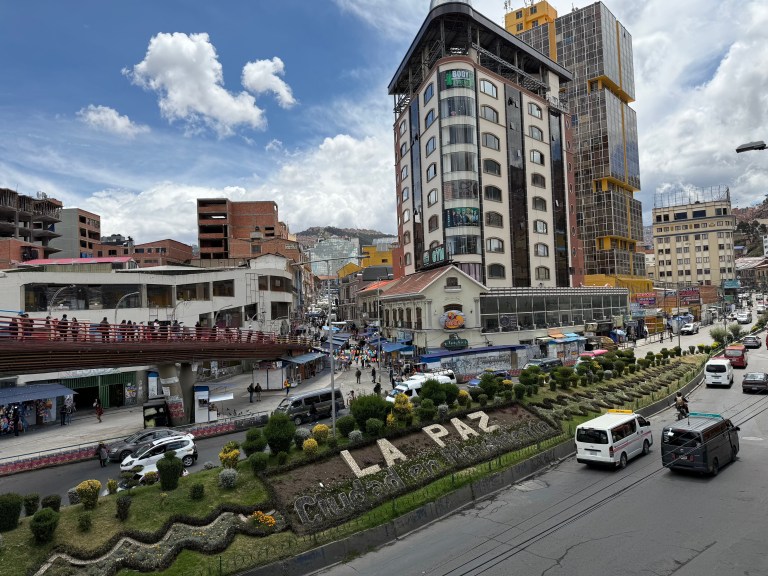
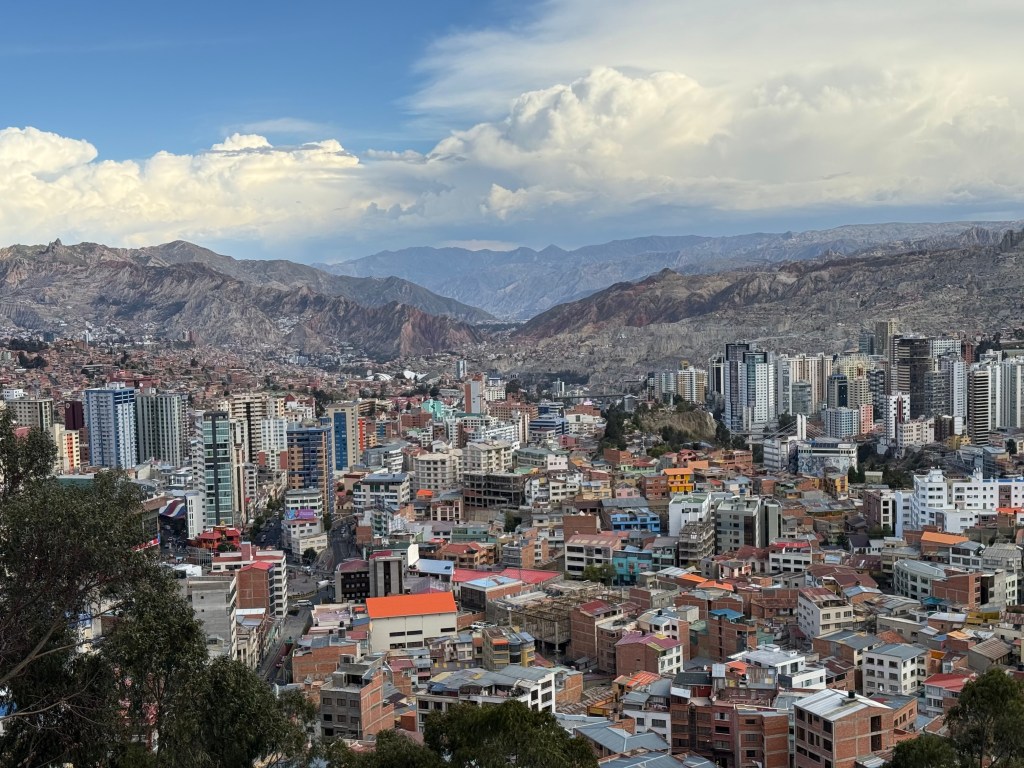
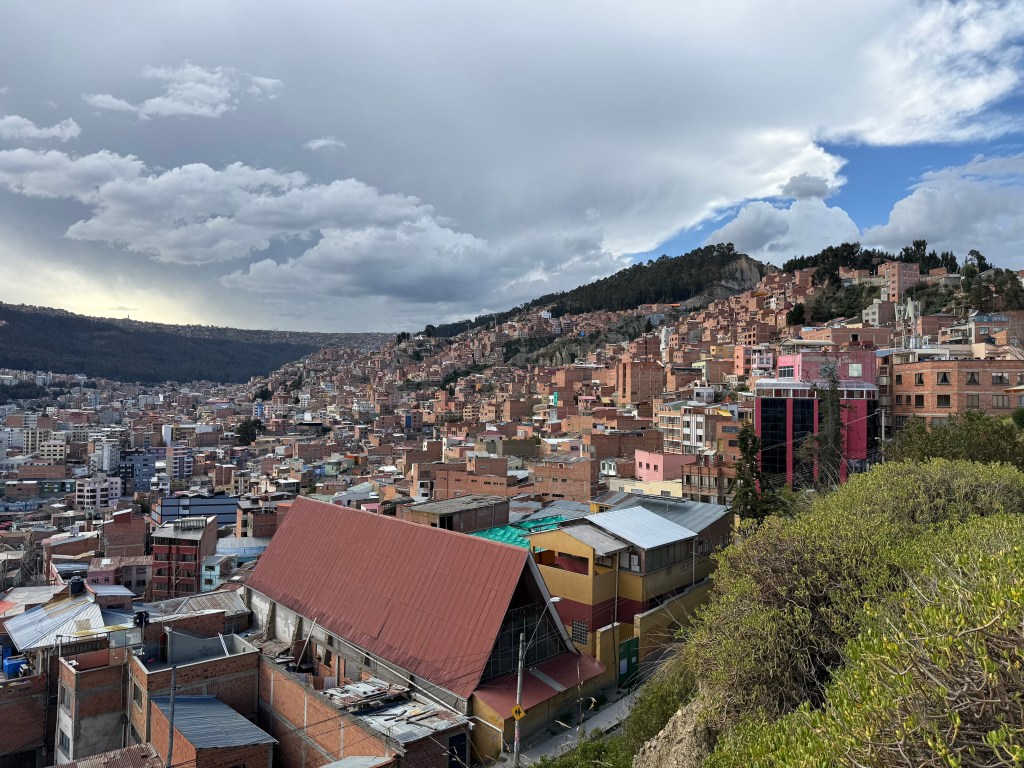
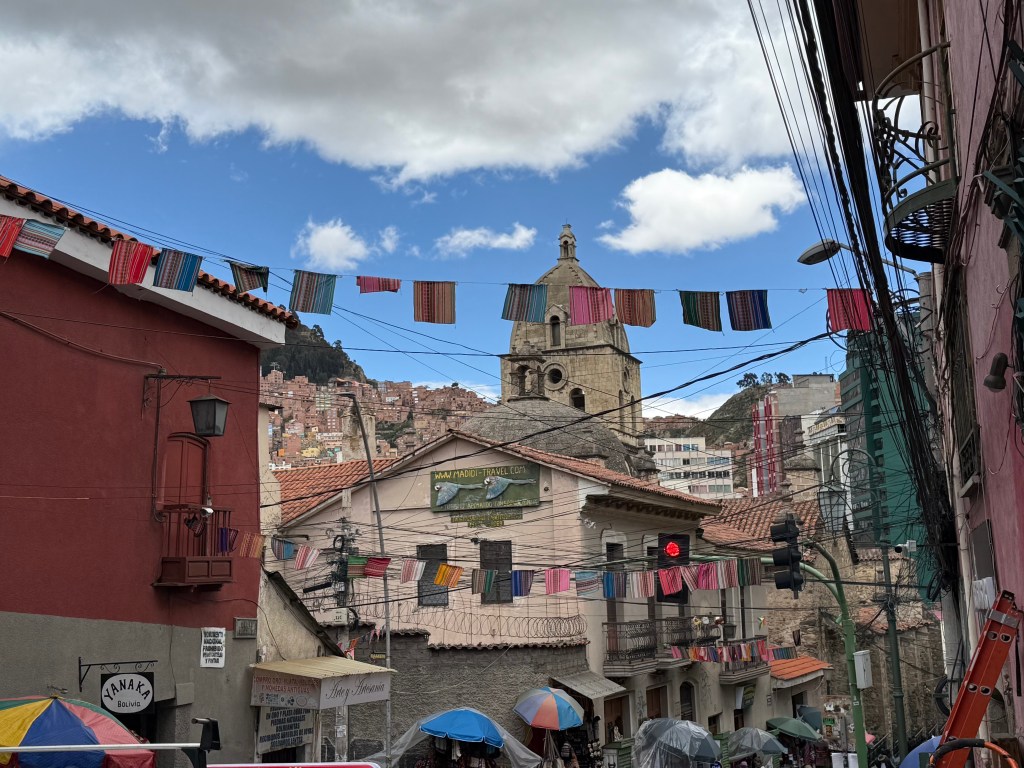
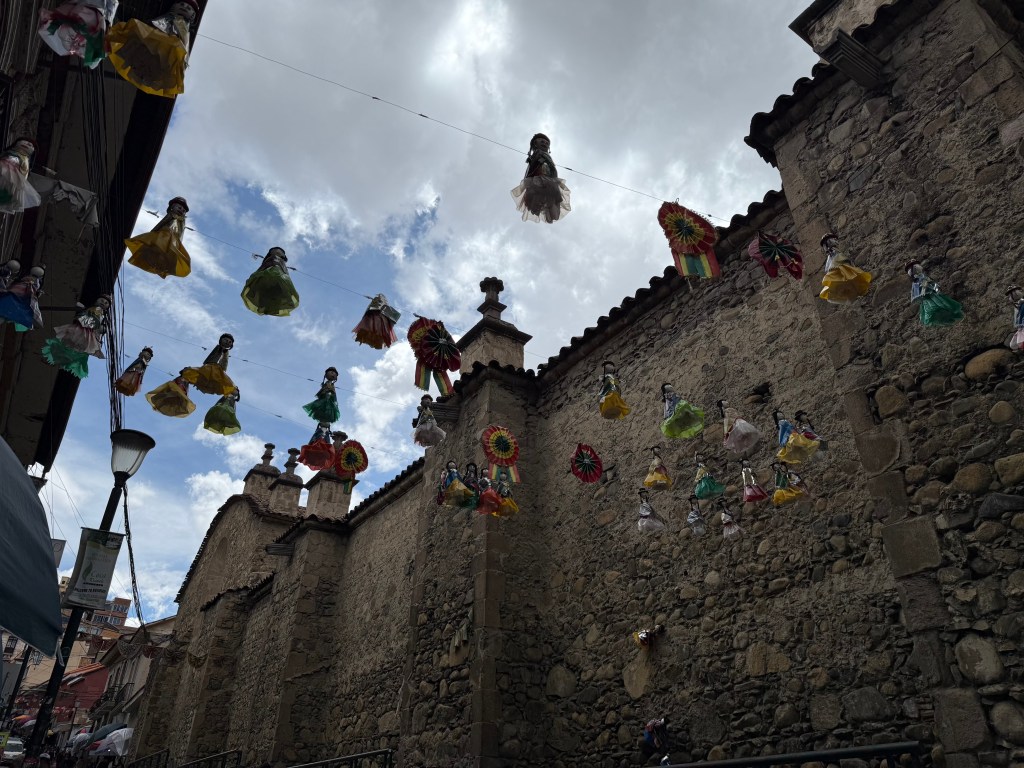
At first sight, La Paz can be quite overwhelming. In many areas, it seems chaotic. And if you get altitude sickness, it can even feel claustrophobic. This is part of its charm though. And maybe it’s because of the high altitude, but La Paz feels different.
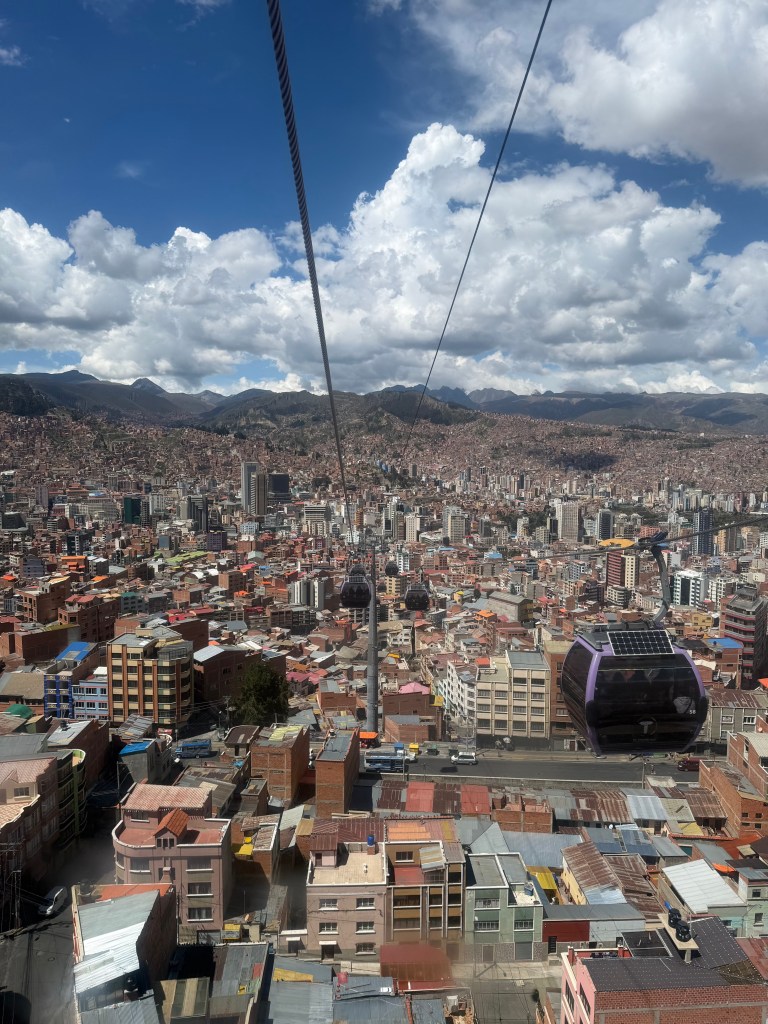
First of all, the location is gorgeous. It’s surrounded by mountains in every direction, so you’d get lots of killer views. To really appreciate the city, hop on one of those cable cars heading to El Alto. The red, yellow, and purple lines of the Mi Teleferico (the cable car) connects La Paz to El Alto. It only costs 3 Bolivianos per ride on a single line. The Mi Teleferico is controversial— mainly because it was deemed too expensive for one of South America’s poorest countries. Some argue that other forms of mass transportation are more suitable and more cost effective. The entire project seems to be all for show. They may have a point, but I am certain of one thing. For tourists, it’s an excellent and cheap way to see the city. All stations are also very modern and well maintained. Each station has several shops, they’re like mini malls.
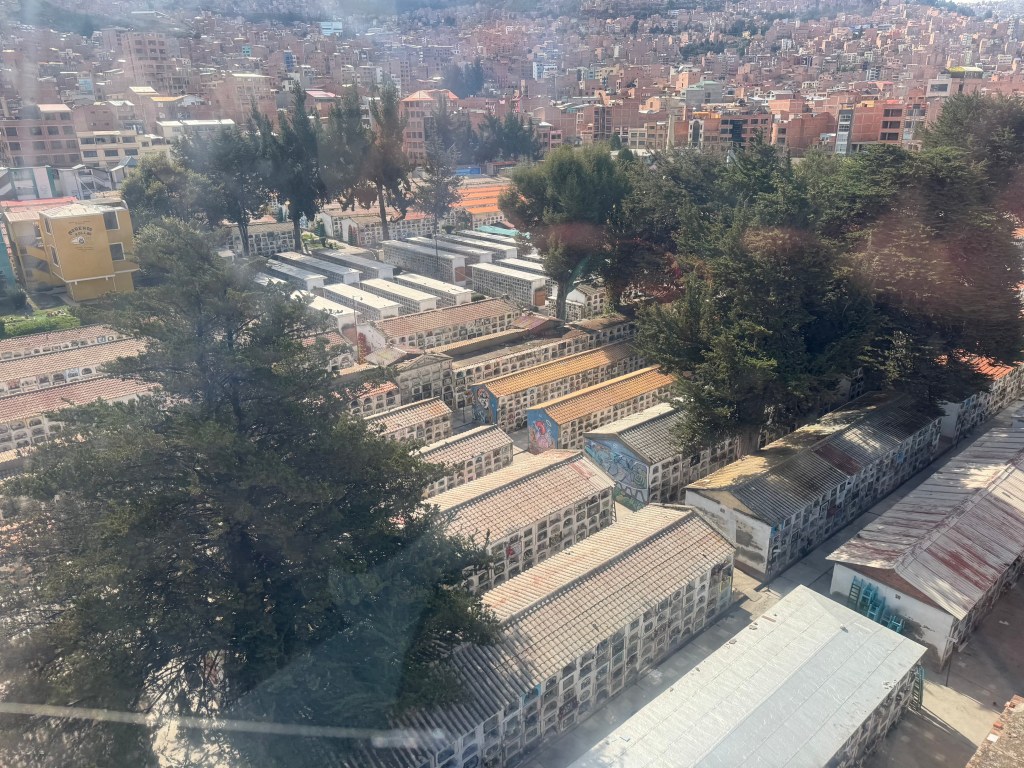
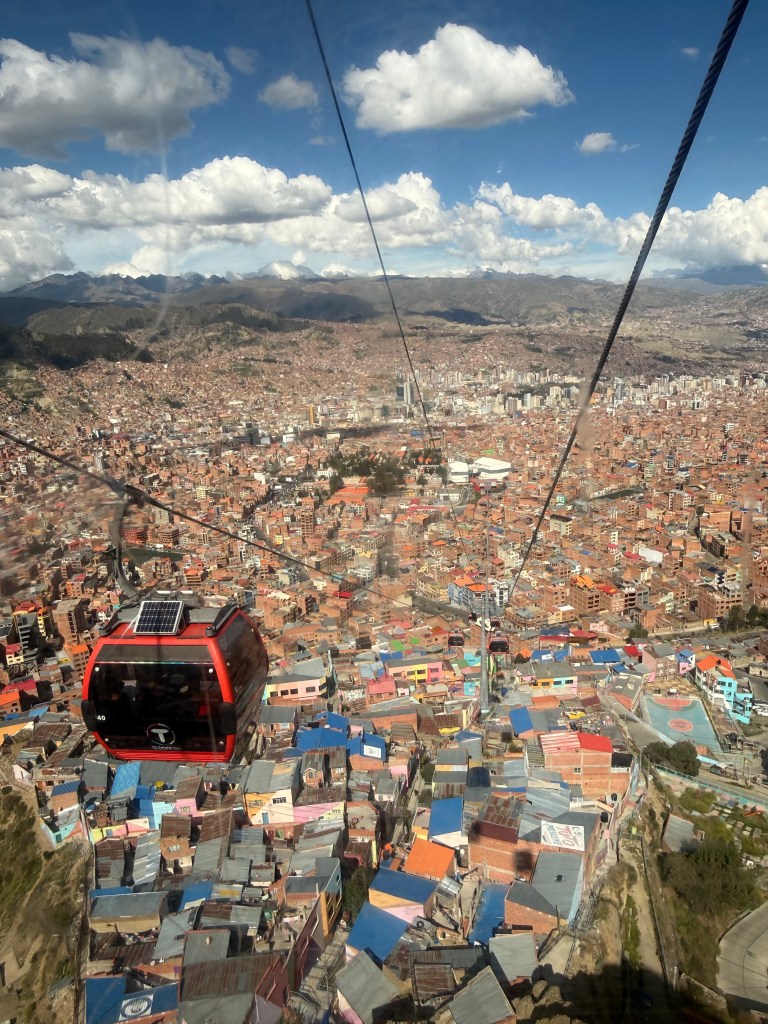
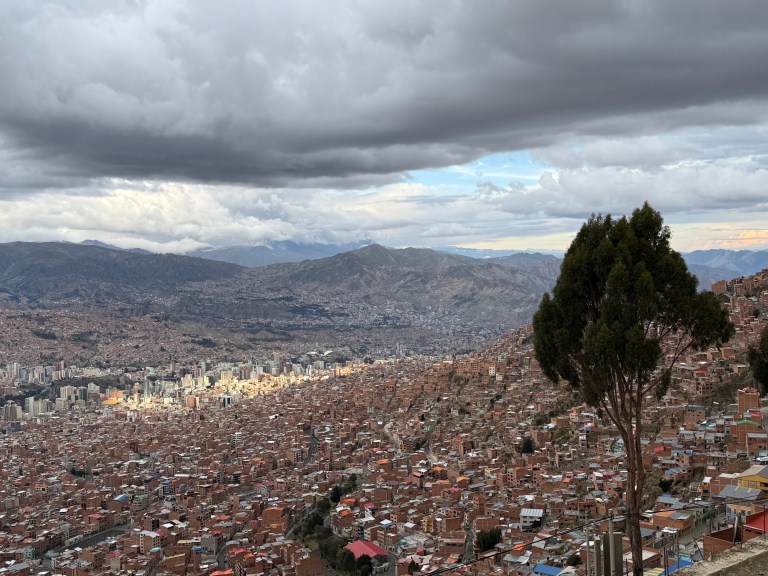
El Alto is where the airport is, and it has an interesting history. It started as a quiet railway stop. The rapid increase in population started in the mid 1900s, due to rural to urban migration. Many people from rural areas sought to move to La Paz for better opportunities. Properties in El Alto were a lot cheaper compared to La Paz, so this is where majority of migrant workers settled. Now it’s the second largest city in Bolivia in terms of population. El Alto sits on a plateau overlooking La Paz. Thus from El Alto, you would see the best views of La Paz down below.
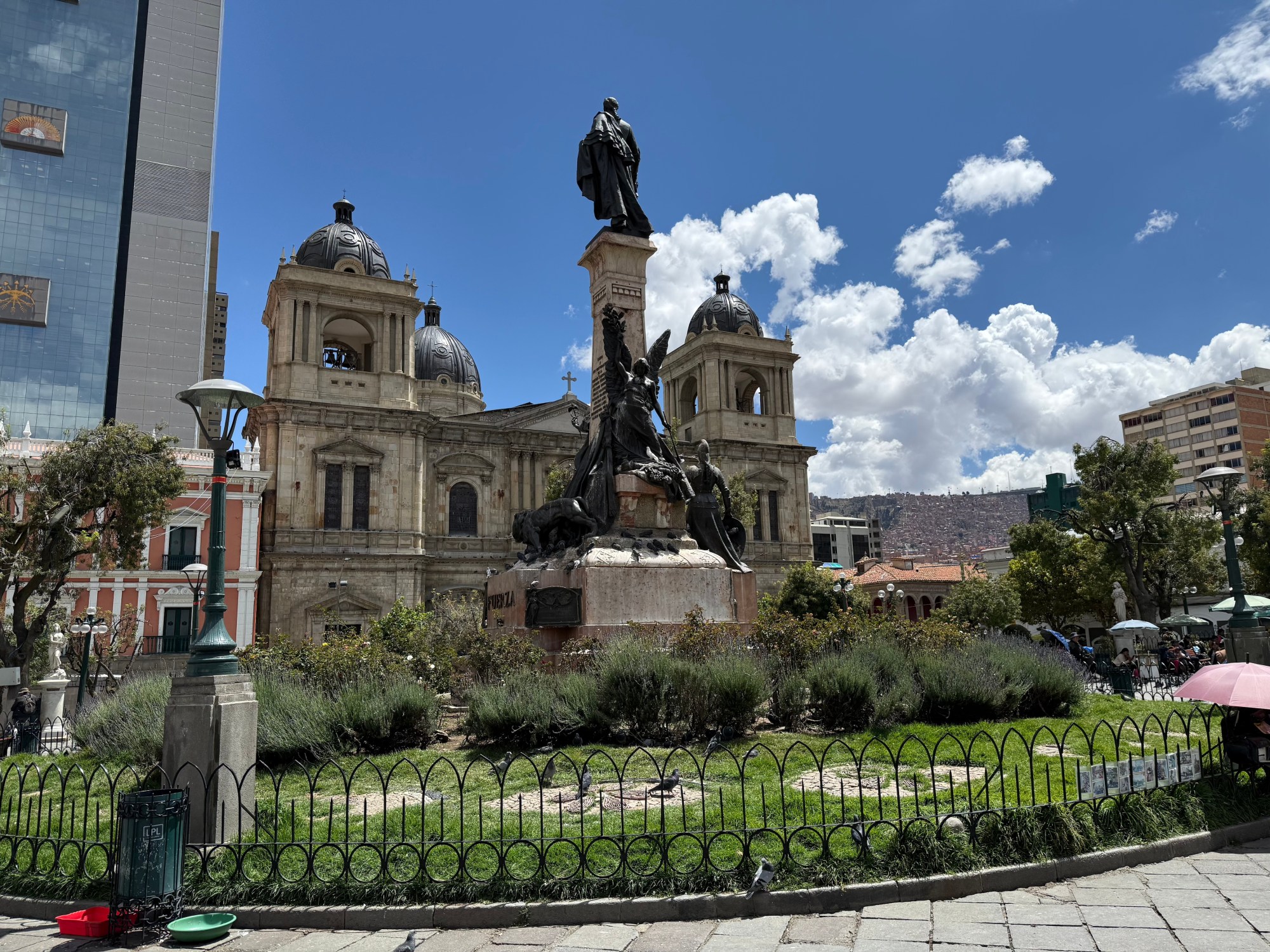
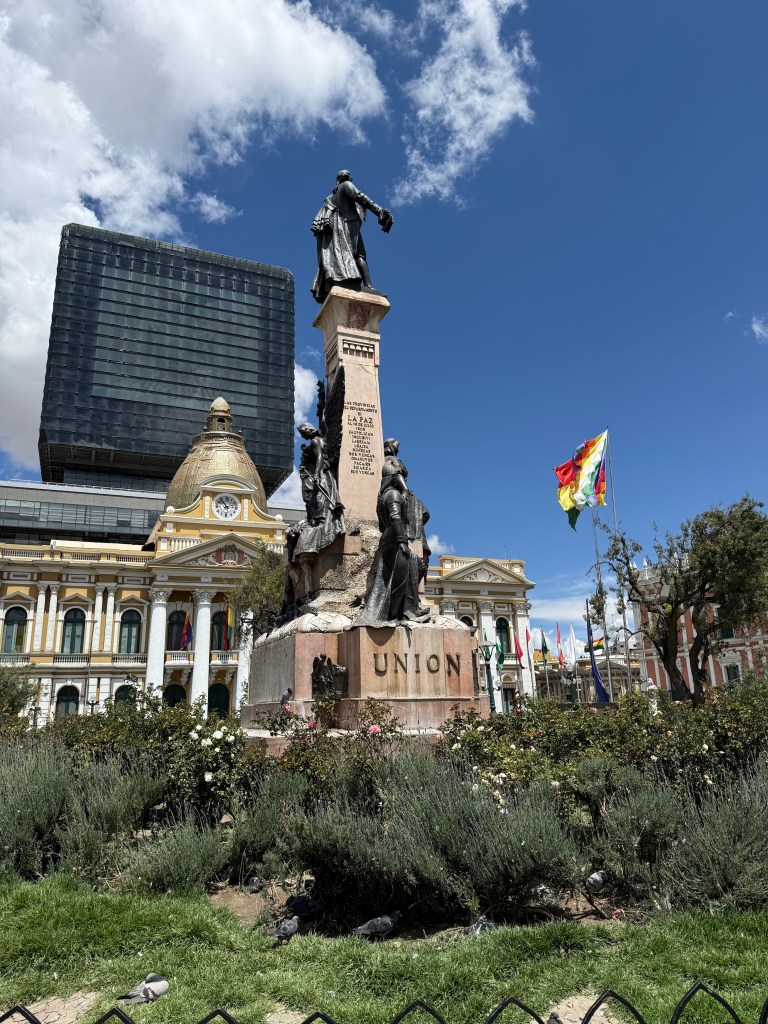
As I’ve mentioned above, it’s best to stay in La Paz for several days to acclimatize. There’s a lot to see and do in the city so you’re unlikely to get bored. Check out Plaza Murillo, the central plaza of the historic center. Here you’d see the Palacio Quemado, where presidents used to reside. The La Paz Cathedral is also found here. You’d also see the Casa Grande del Pueblo where the president now resides. It’s a modern 30 story building that looks out of place in the square, IMO.
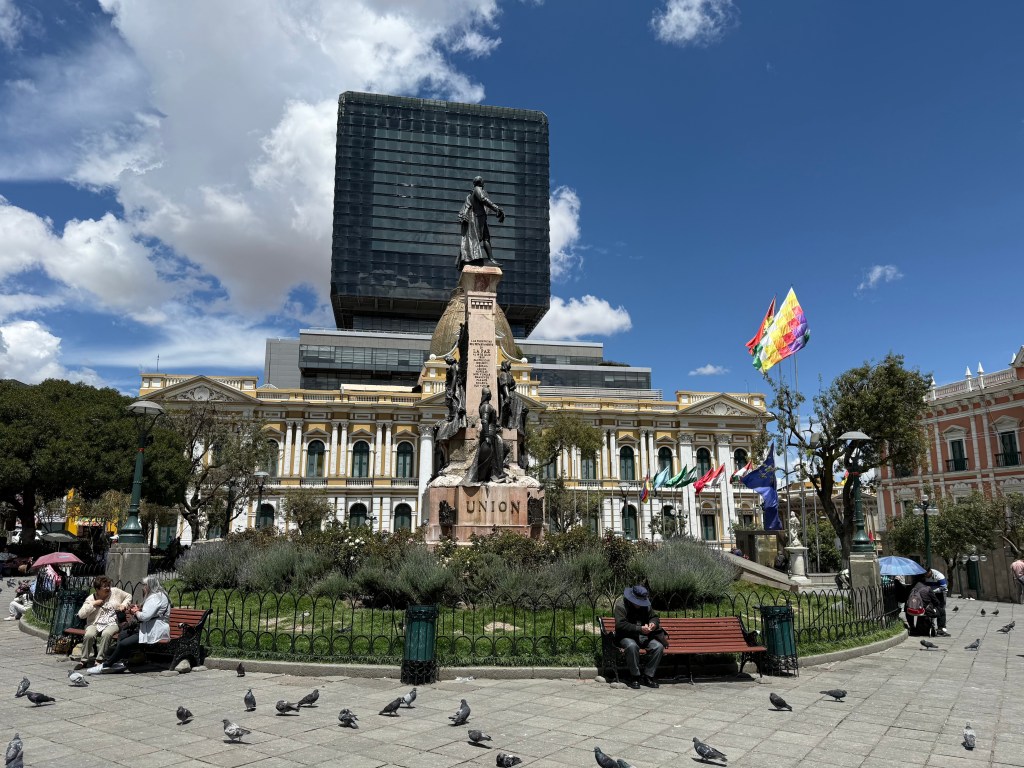
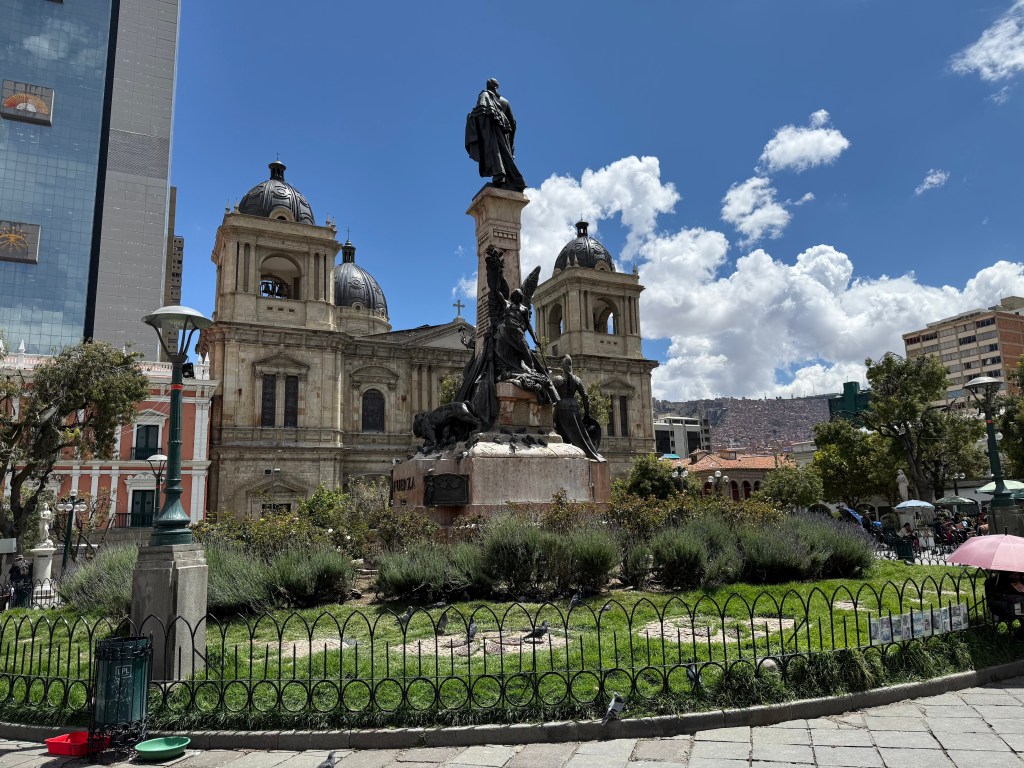
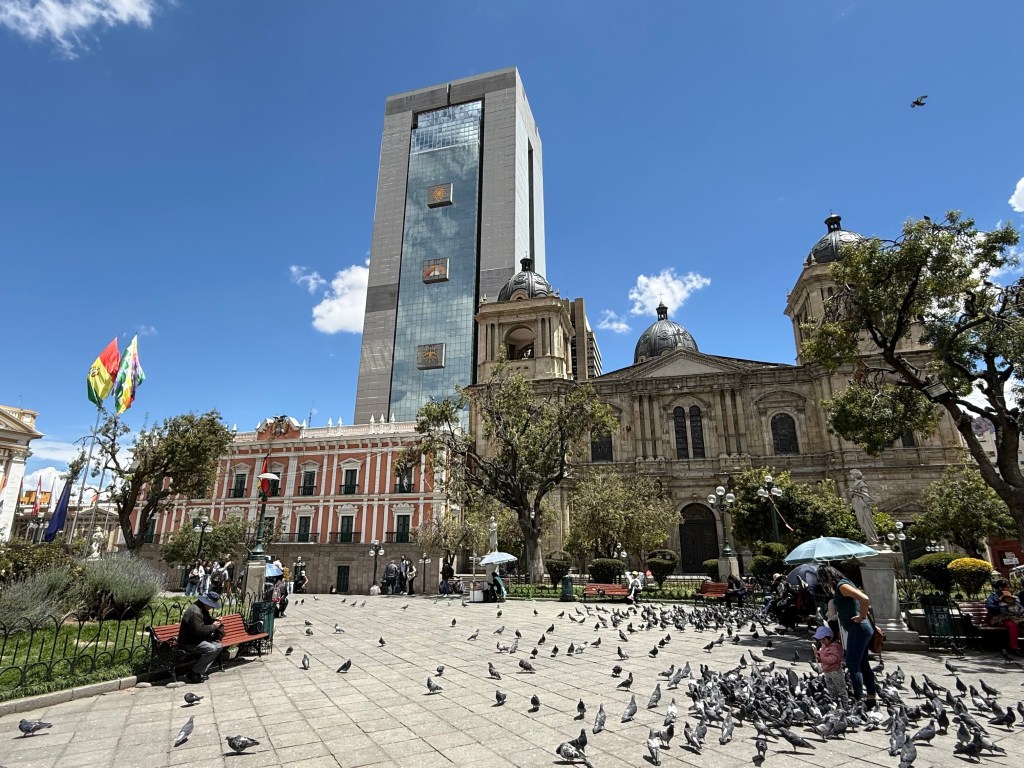
Plaza San Francisco is also worth checking out. It’s the largest open public space in the city and a lot of people hang out here everyday. It’s also the site for many demonstrations in the city.
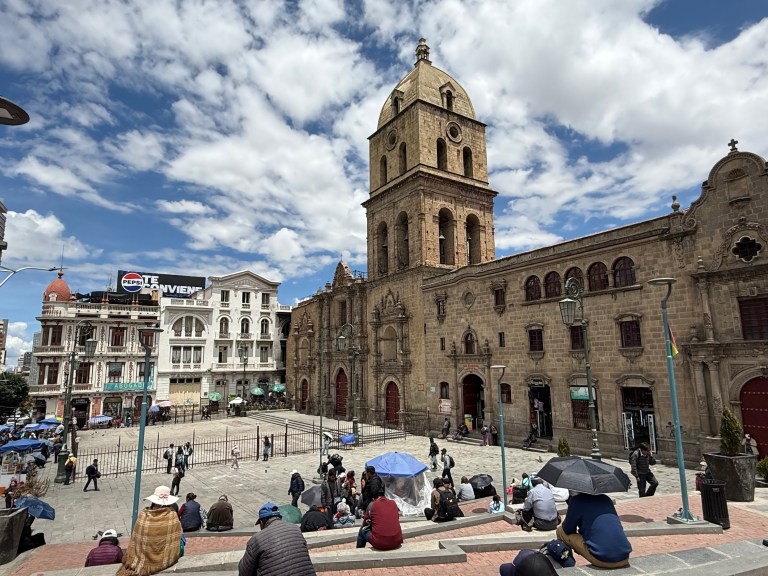
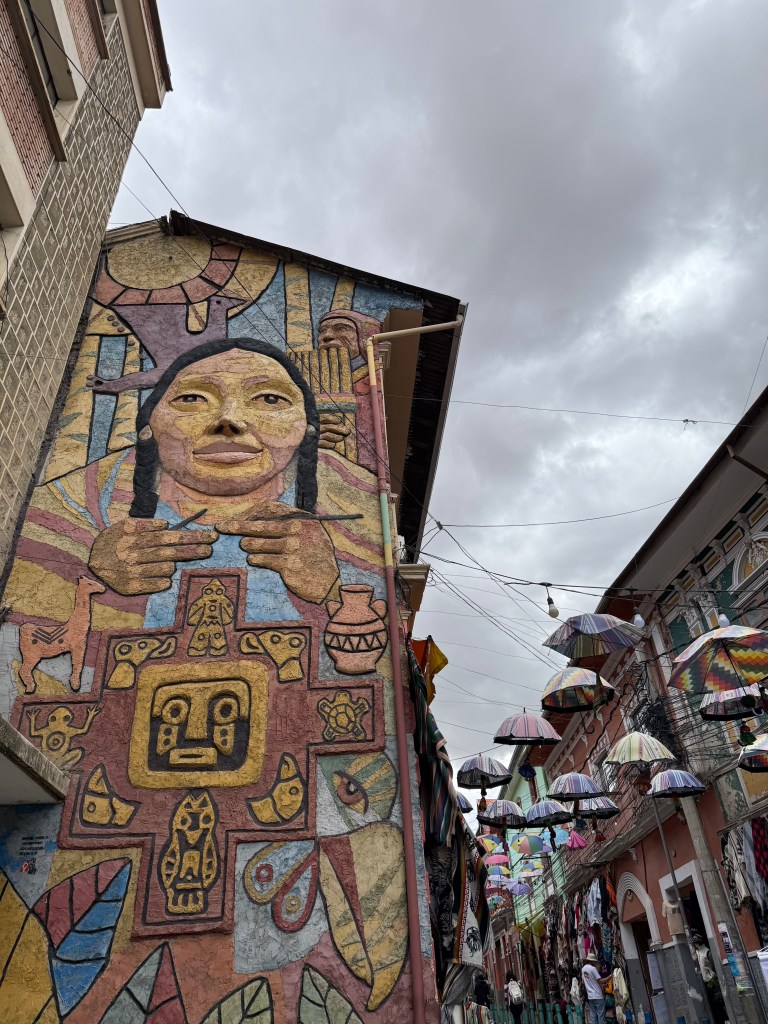
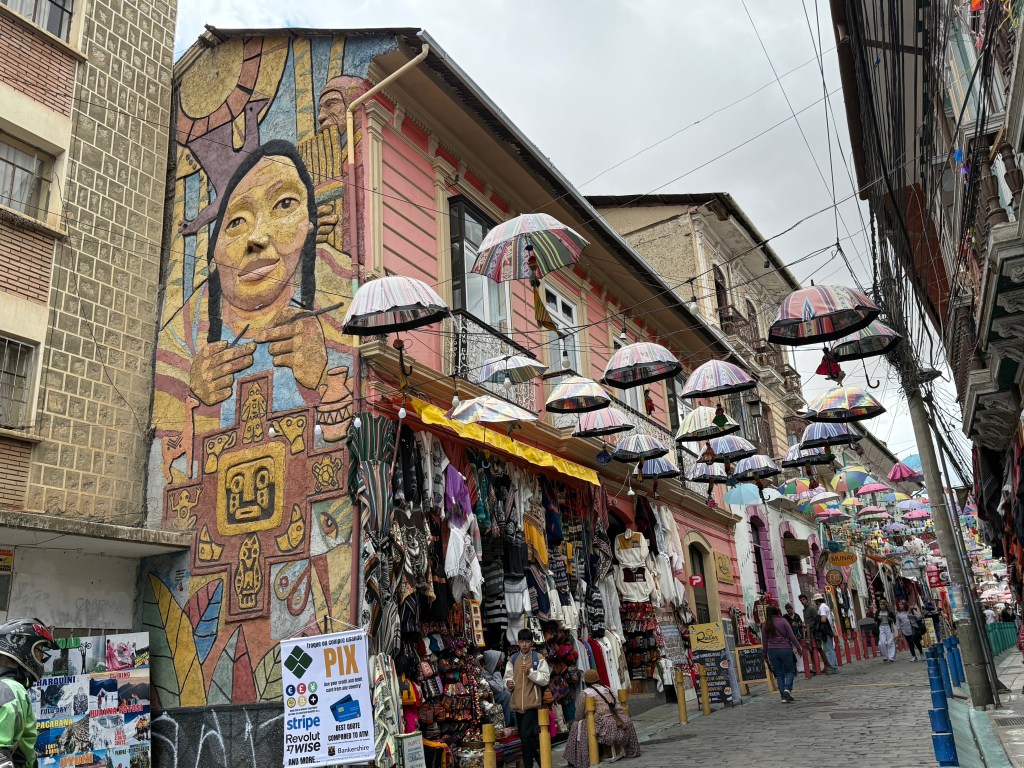
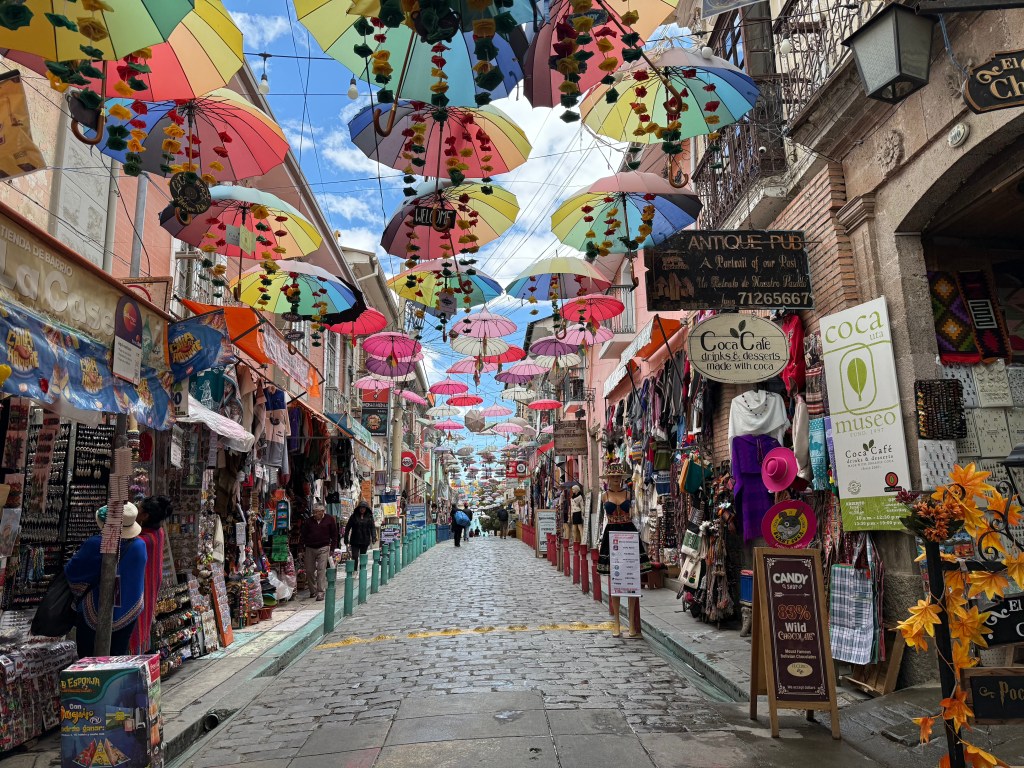
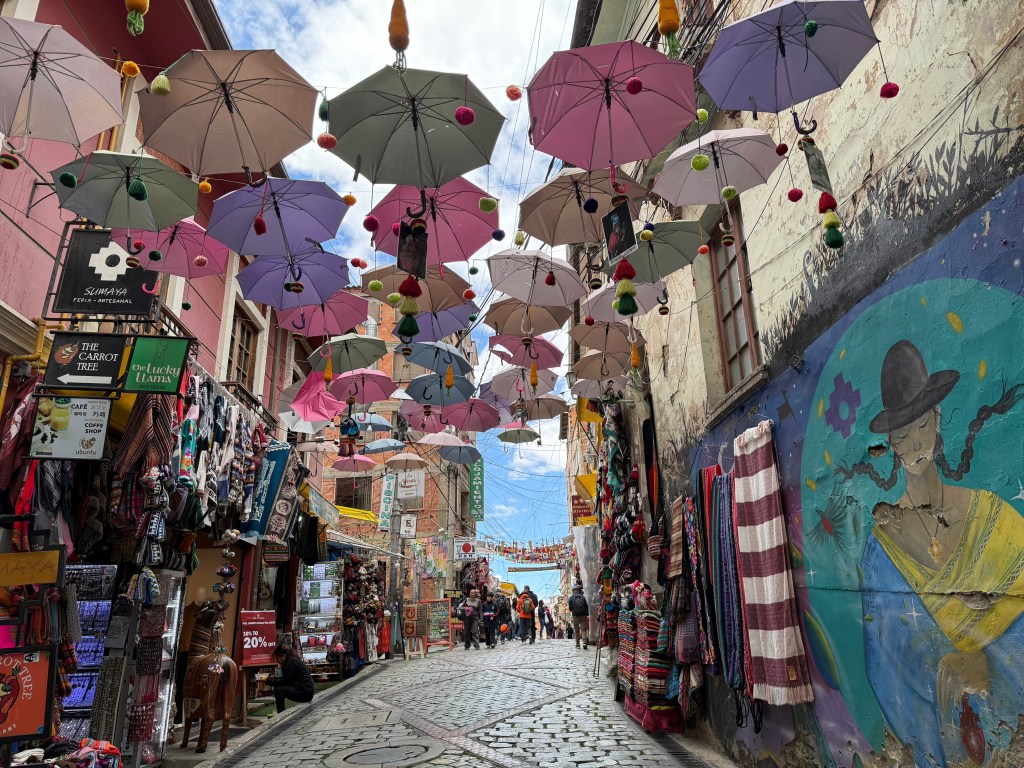
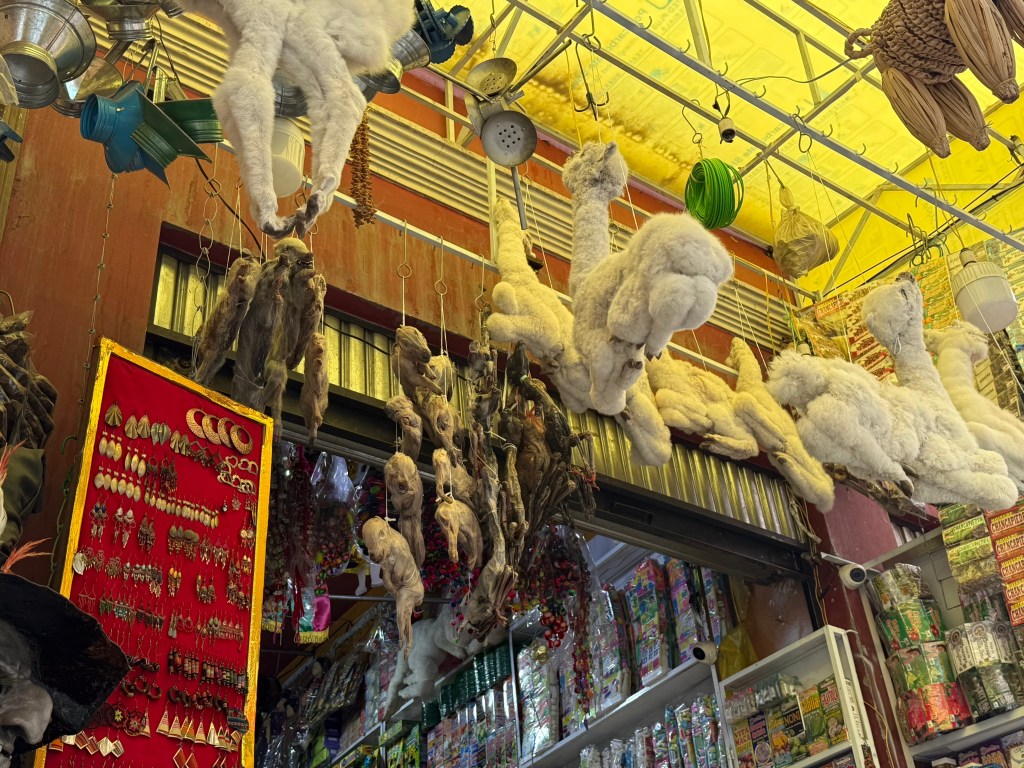
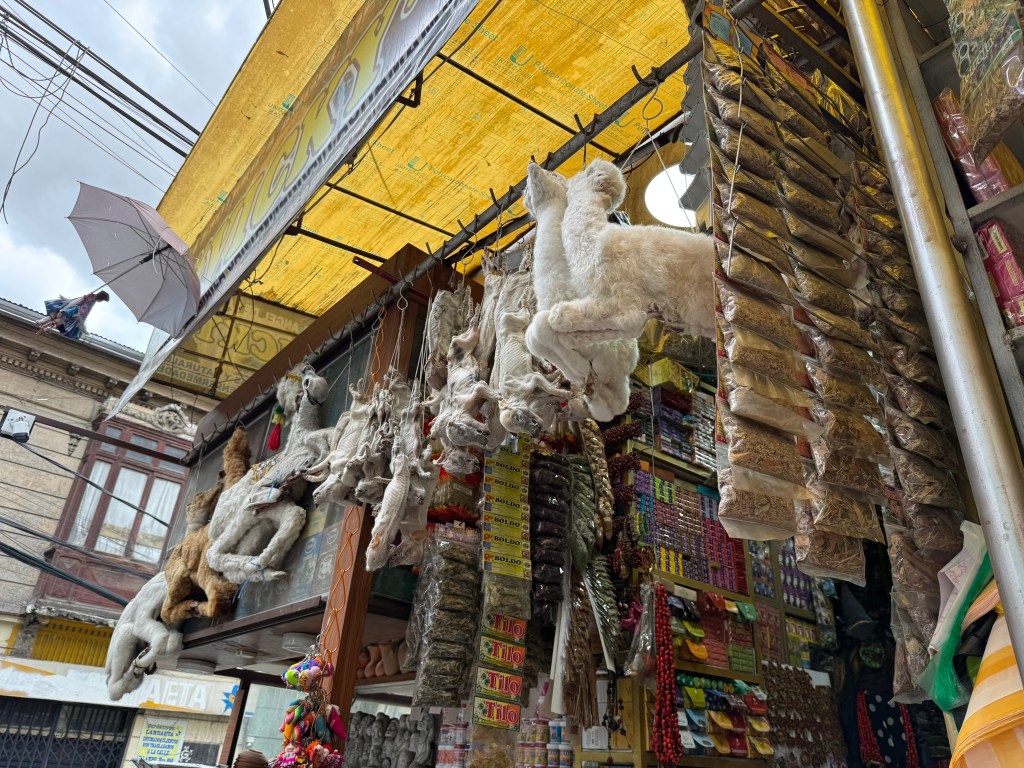
Check out the Mercado de Las Brujas (Witches’ Market) for souvenirs, snacks, and exotic goods— like dried llama fetuses which are supposed to bring good luck.
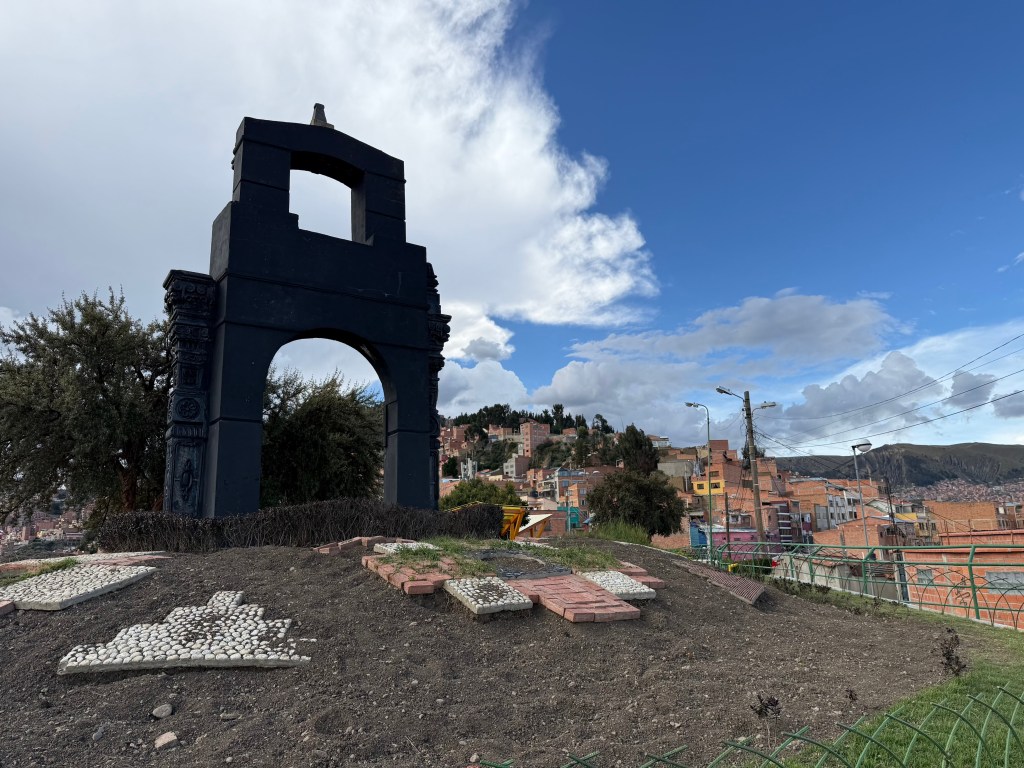
Head to Mirador Killi Killi for panoramic views of the city. Watching cholitas wrestle is a popular activity among tourists. A number of fellow travelers have told me that it’s fun to watch. I skipped this one. I’m just not fond of seeing women hurting each other— even if the fights are said to be choreographed.
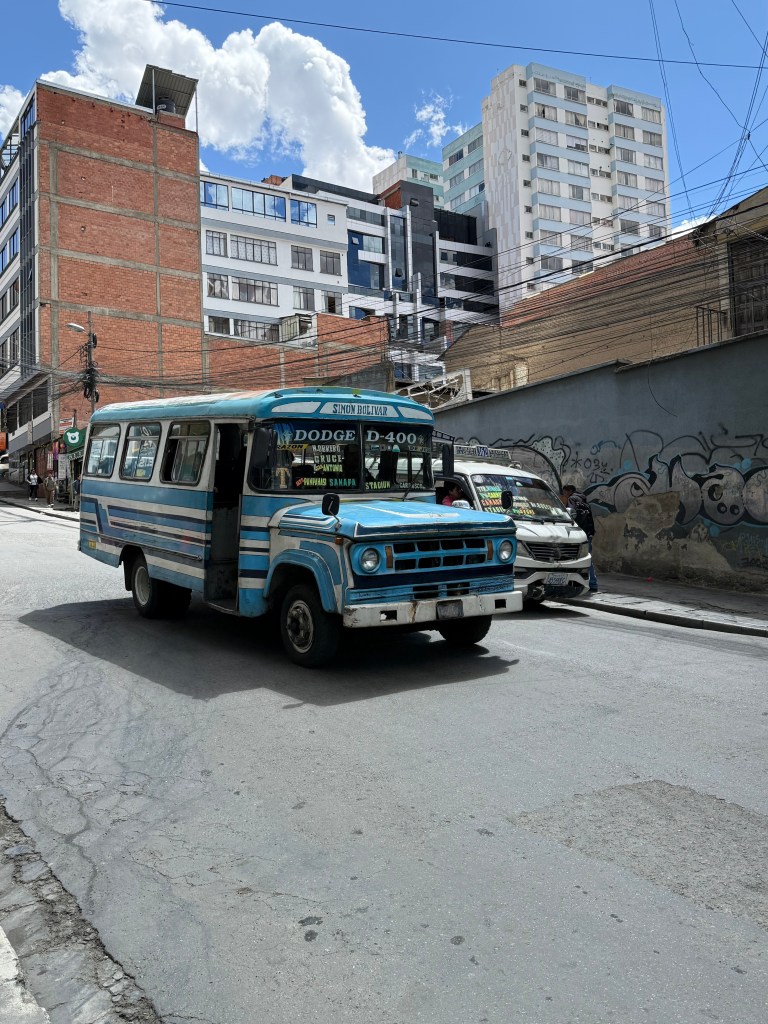
If you’re staying in the historic center, most attractions are within walking distance. However if you haven’t acclimatized yet, you will tire easily. Good thing there are lots of transport options. If you at least know basic Spanish, you can hop on one of those old, colorful, repurposed buses called “micros“. There are also public minivans. These are always crowded, but if you want to have an authentic local experience, it’s something you have to try. If you’re not up for it, ride hailing apps are fairly cheap. I was using InDrive a lot when I felt like it was too far to walk to a certain place, especially during rush hour when all the micros were packed to the rafters.
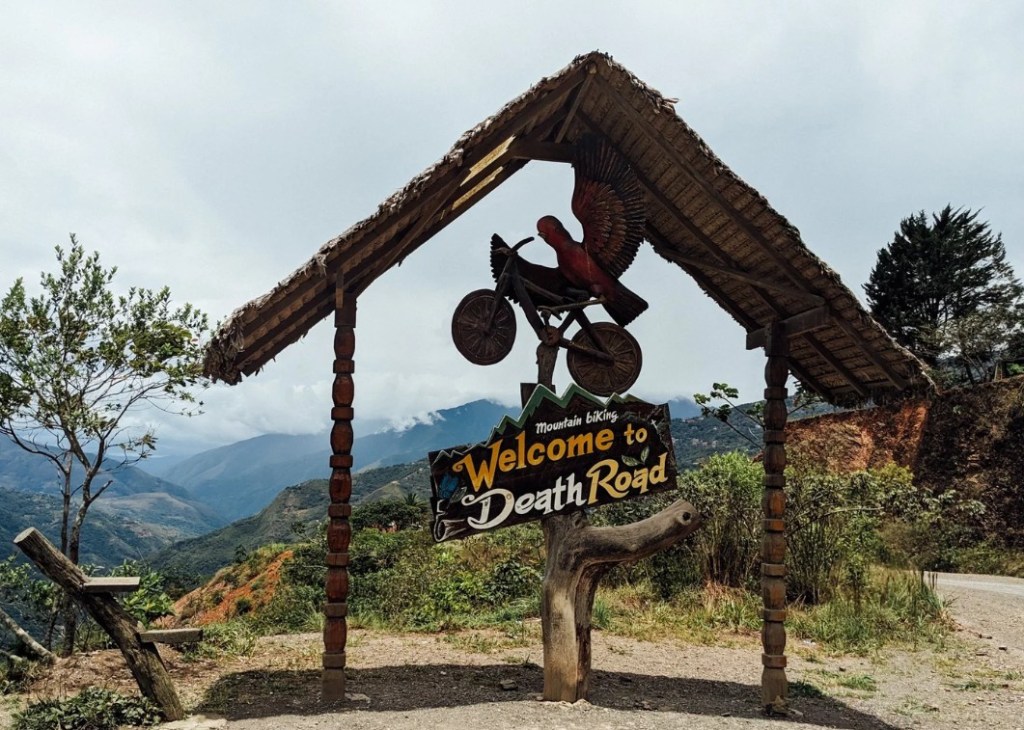
Even if you’ve already seen everything the city has to offer, it’s worth spending a couple more days in La Paz because there’s more to see in the surrounding areas. If you’re gonna book tours, there are lots of travel agencies around the Witches’ Market. The rates are way cheaper compared to tours you can find online, and often you can even haggle. The most popular activity is cycling down Yungas Road aka “Death Road“. It’s popularly known as Death Road because many people died here. Until 2006, it was the primary route connecting La Paz to the Amazon. It’s only about 3 yards wide, which would barely fit two vehicles side by side. It’s a dirt road with no guard rails, several areas have steep drops, and it gets real slippery during the rainy season. Now that there’s another main road to the Amazon, the dangerous parts of Yunga Road have been closed to motorists. It’s now mainly used for cycling tours. That doesn’t mean there have been no more deaths since then. Several cyclists have died so this tour is not advisable if you’re not comfortable cycling down a road with steep drops. And yeah, I wasn’t confident enough so I skipped this one. 😁
If you’re into hiking, day trips to Charquini are offered. If you want a bigger challenge, you can hike Huayna Potosi. This one is a 3 day hike. I wanted to do these but since I never fully acclimatized, I imagine I’d feel so much worse at higher altitudes so I decided to just skip em. If you’re coming from Cuzco like many travelers, these hikes should be doable since you’re already used to high altitude— as long as you’re not totally out of shape.
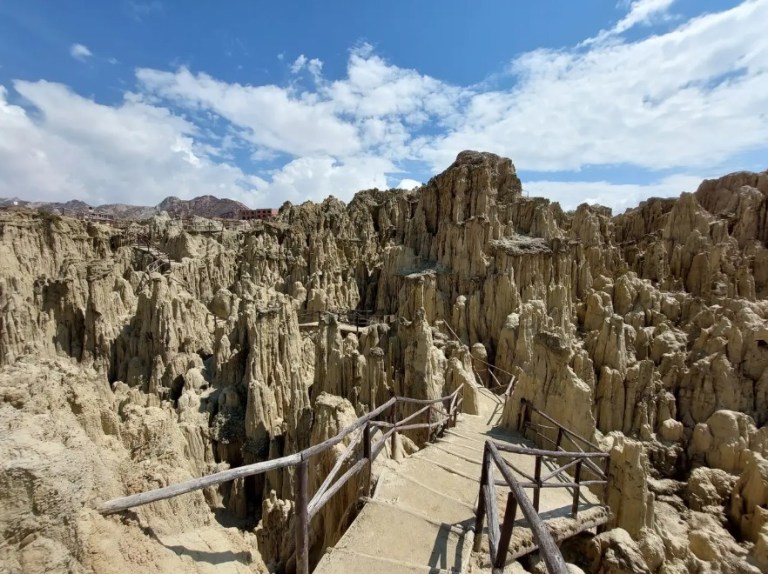
Check out Valle de la Luna for pretty cool rock formations. It’s only about 6 miles from La Paz. Since it’s close, you can easily take a taxi if you don’t want to join an organized tour. It would only cost about 40-60 Bolivianos each way, so it’s gonna be a lot cheaper especially if you find people who’d like to join you. Just ask the driver to wait for you, and pay a little extra for his time. Also, be wary of random locals asking you to pay them in order to enter the valley. This is a known scam. Only pay at the official ticket booth.
If you’re not crossing the border from Peru, chances are you haven’t been to the Bolivian side of Lake Titicaca. Day trips are offered from La Paz. If you’re gonna book a day trip, check what’s included. Some day trips include Isla Del Sol, some don’t. You just stay in Copacabana. Keep in mind that Lake Titicaca isn’t close. You’d be in transit for most of the tour. I’d only recommend doing this if you don’t have much time and you really want to check out Lake Titicaca. (I’ll post a separate blog entry about this).
La Paz is an ideal first stop in Bolivia. Since there’s a lot to see and do, it’s a great spot to spend a couple of days to acclimatize. Yeah it can get overwhelming at times, but that’s one reason why it’s a great place to visit. With the variety of sights within the city and in surrounding areas, there’s definitely something for everyone.
 no roads to follow
2 thoughts on “On A High”