
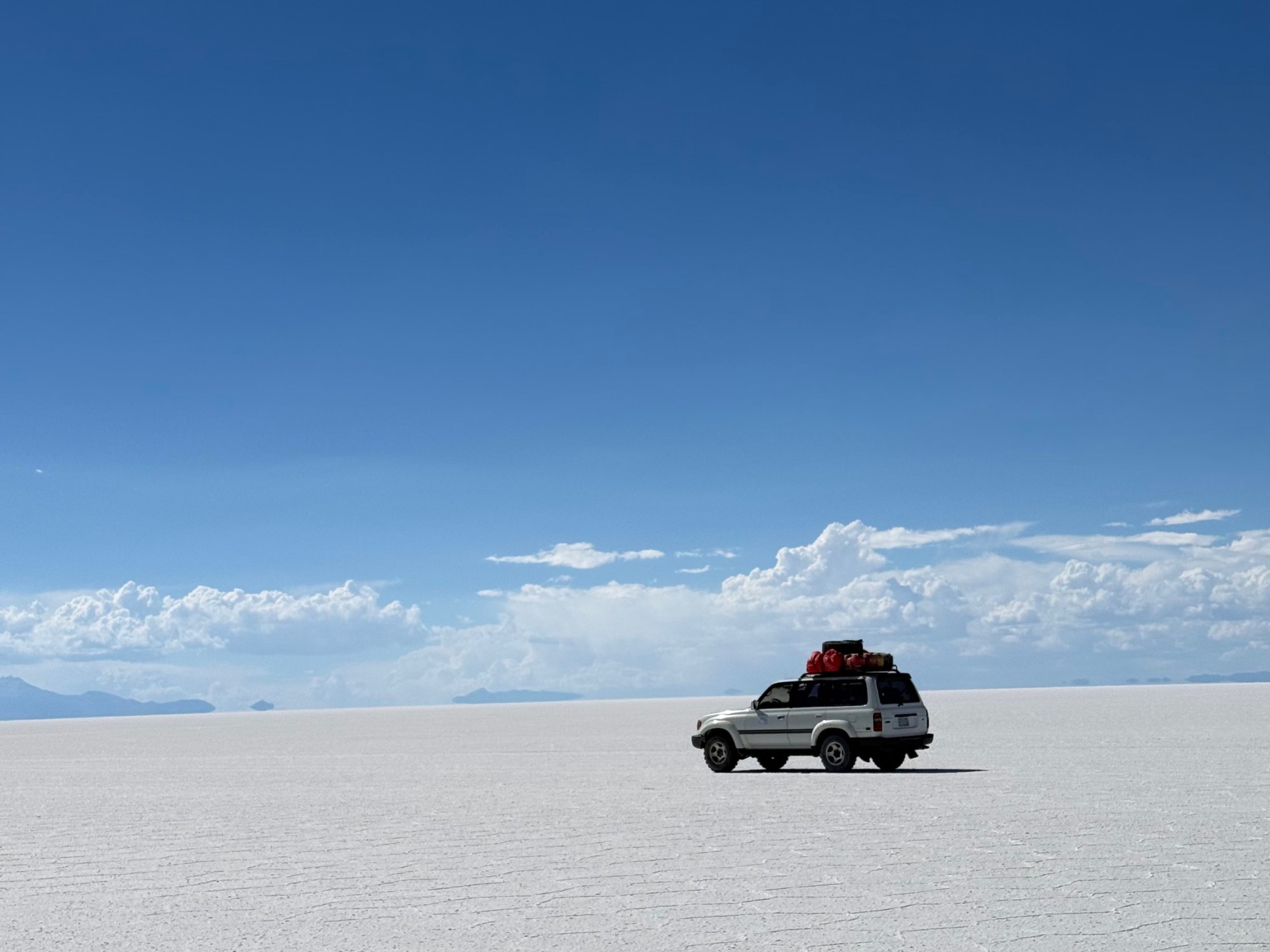
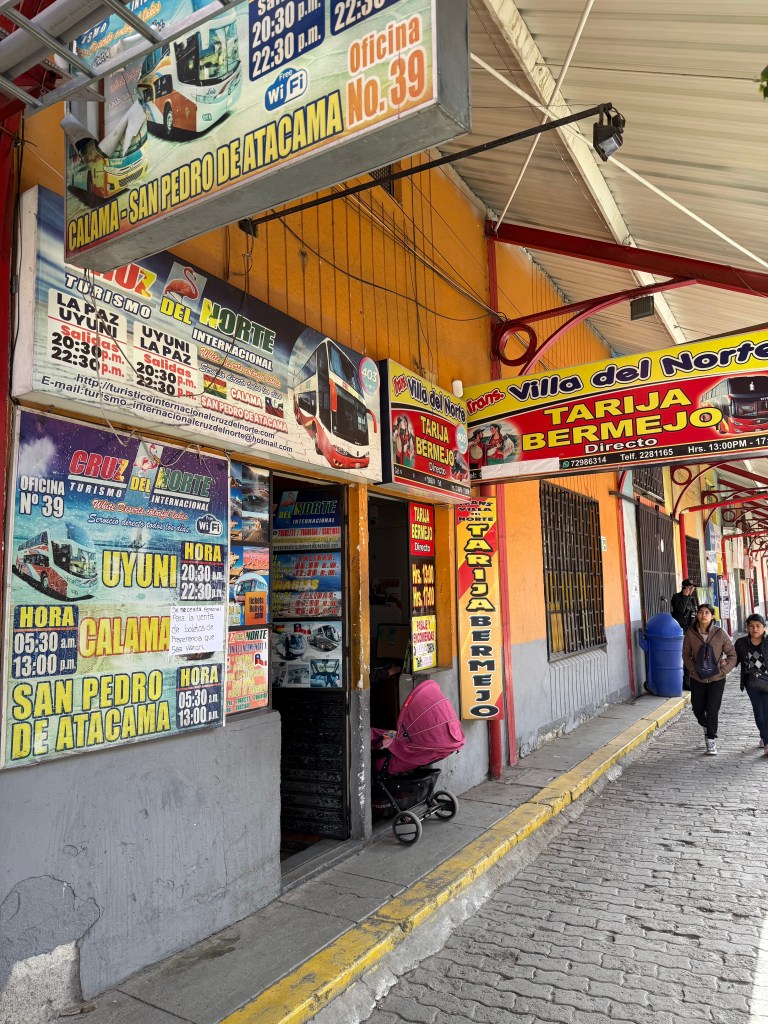
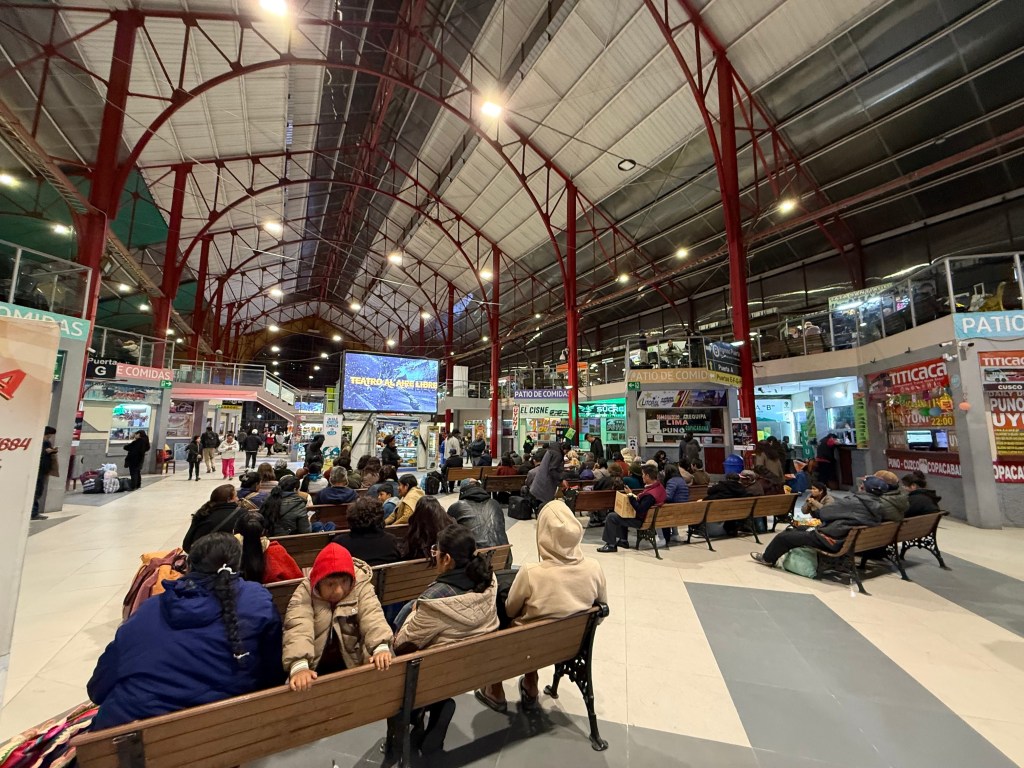
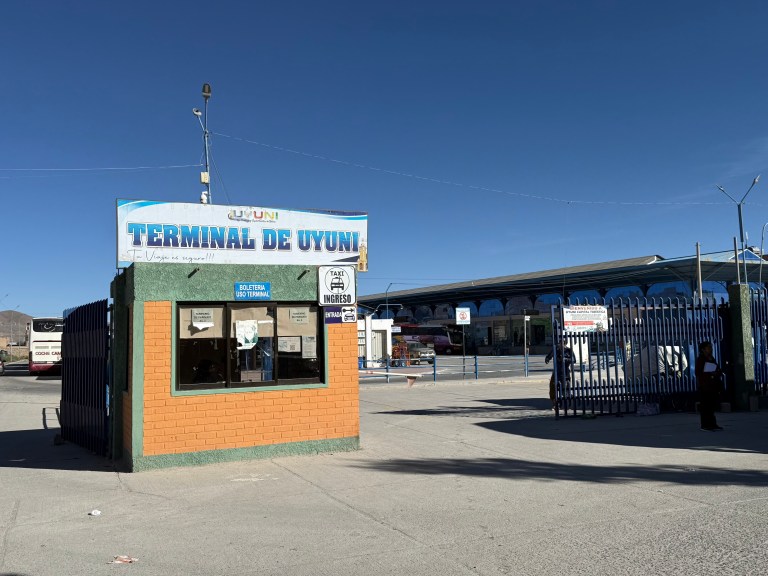
What is Bolivia‘s most famous attraction? No doubt, it’s the Salar de Uyuni (Uyuni Salt Flats). It’s the world’s largest salt flat, and if you’re coming from La Paz, it’s real easy to get there. The fastest way is to fly. It takes about an hour, and there’s one flight leaving each day. If you buy early enough, you can score tickets for less than USD 100 each way. Last minute flights can cost up to USD 140. Now if you’re traveling on a budget, that’s pretty expensive. Luckily, you can easily take a bus. This is a very popular route so there are lots of buses leaving daily. You don’t even need to buy tickets in advance. In my experience, I’ve witnessed a number of “ayundantes” going around the bus station, shouting “Uyuni!” repeatedly to attract passengers even when the buses are about to leave. The same goes when you’re in Uyuni and you’re heading back to La Paz— you’ll hear lots of “ayundates” shouting “La Paz!” repeatedly. If you have a specific bus company in mind, I guess it would be best to buy tickets in advance. All of these buses leave at night and these are all airconditioned sleeper buses where seats recline, so you can have a good night’s sleep. A single journey ticket costs anywhere from 140- 250 Bolivianos (about USD 20-36 using the official exchange rates) depending on the quality of the buses. The more expensive ones include meals. I took the cheapest option each way and in spite of the terrible reviews I’ve read online, I encountered no problems at least on the La Paz- Uyuni route. At the main bus station in La Paz (Terminal de Buses La Paz on Google Maps), just head to the ticketing offices. You can’t miss em. There are signs saying “Uyuni” outside these offices.
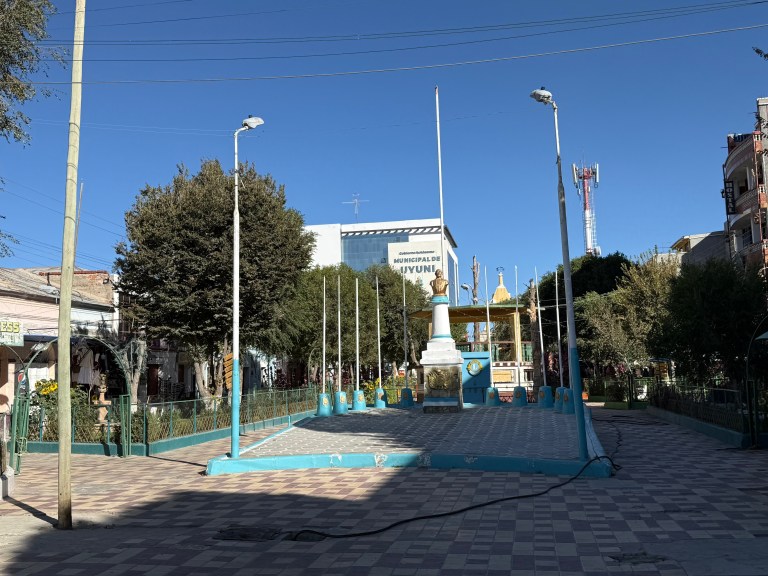
If you’re traveling by bus, you’ll arrive in Uyuni Town early the next morning. All of the multi day Uyuni Tours depart at around 10 AM, so if you’re planning on joining one of those multi day tours you don’t even need to spend a night in Uyuni. Uyuni is a very small town and there’s nothing much to see, so you’re not missing much if you don’t spend a night there. If you’re flying to Uyuni, check the time of arrival. Depending on the day, the flight may arrive past 10 AM. Unless you’ve booked a private tour in advance, I don’t think they’d wait for you so you’ll need to spend one night in town and book a tour for the next day.
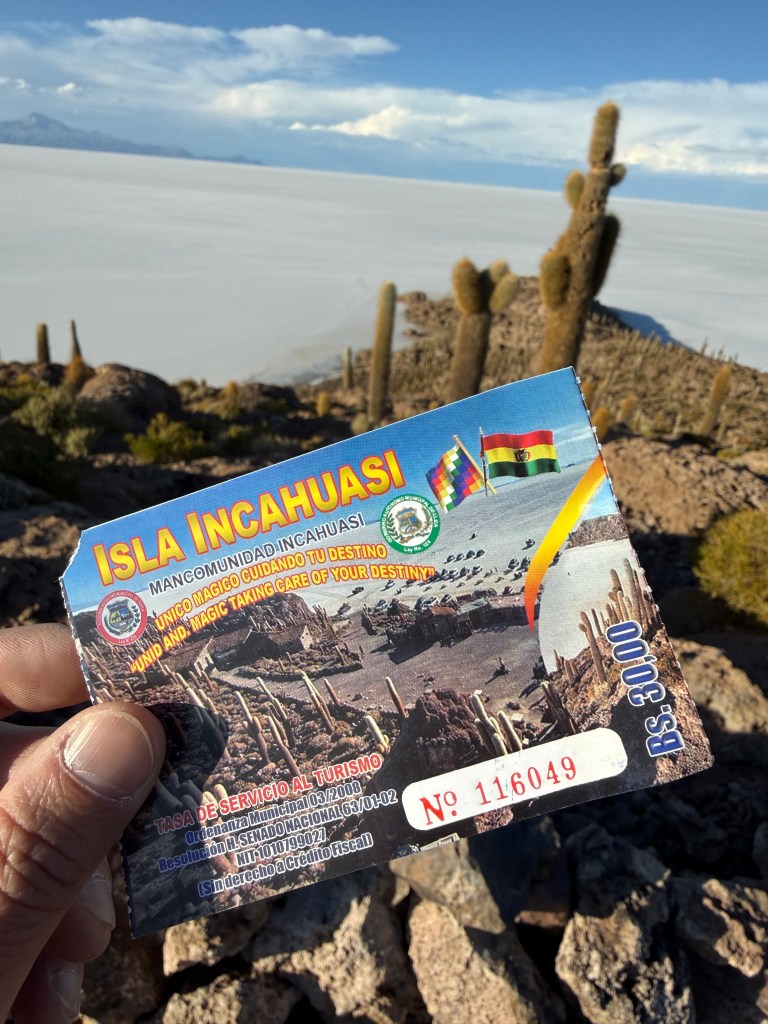
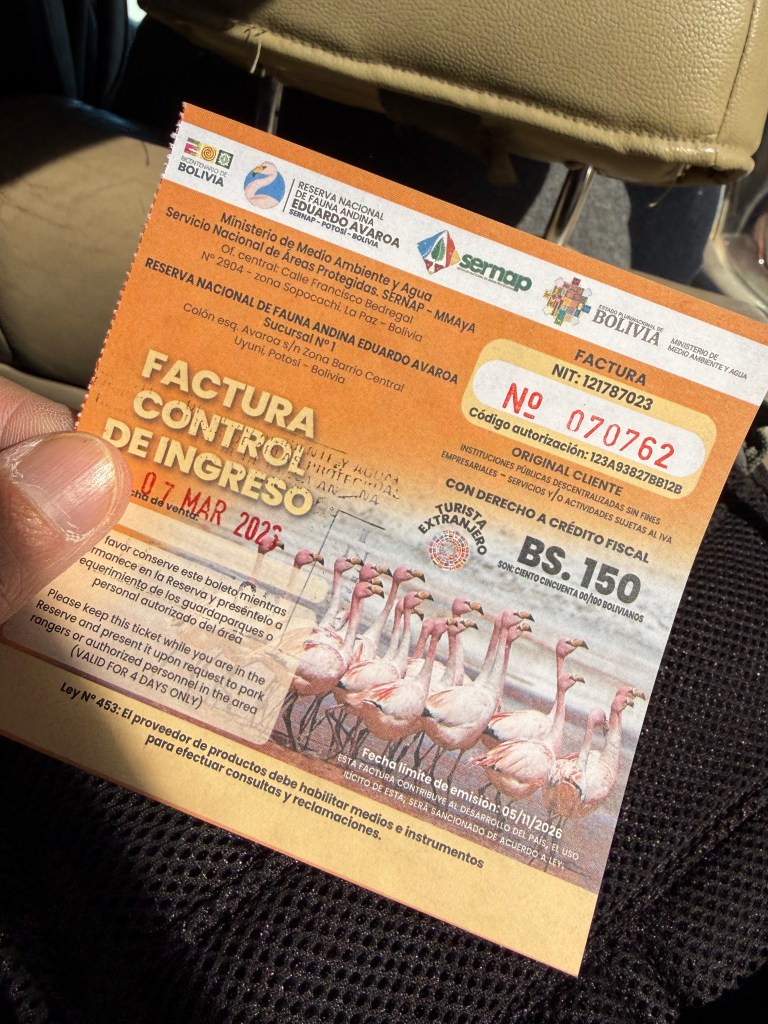
As advised by fellow travelers I’ve met in La Paz, I didn’t book a trip in advance. If you’re traveling on a budget, this is the way to go so you can haggle a bit. See, there are lots of tour agencies offering the exact same tour. You can compare prices. It might even help if you decide to join a group at the very last minute… since they’d rather fill each 4×4 to capacity (max of 6 people, not including the driver/ guide), you might score a really cheap rate. I arrived before 6AM, so there was plenty of time to look for a tour group I could join. All shops and restaurants in town are still closed before 7AM, so unless you’re okay with waiting at the bus station for more than an hour, pick a bus that arrives past 6 AM. From the Uyuni bus station, it was only about a 10 minute walk to the Avenida Ferroviaria where most of the tour offices were. Remember to exchange enough US Dollars in La Paz or Sucre because the black market exchange rates in Uyuni aren’t too good. Also, ask if the prices they quote include everything. Some tours don’t include the entrance tickets to certain spots. For instance, an entrance ticket to Isla Incahuasi (Cactus Island) costs 30 Bolivianos (about 4 USD). The entrance to Eduardo Avaroa Andean Fauna National Reserve costs 150 Bolivianos (about 22 USD). Make sure you have enough Bolivianos on you if these aren’t included in the price of the tour you’re joining. These places don’t accept cards. Hard cash only!
If you can understand basic Spanish at least, book a tour with a Spanish speaking guide— it’s gonna be cheaper… about USD 40-70 cheaper for those 3 day tours! All 3 day tours with an English speaking guide cost more than USD 200 (using the official exchange rates). Spanish tours cost less. But please don’t join a tour with a Spanish language guide if you don’t know Spanish at all. There’s this couple who joined our group to save money and they didn’t understand a word of Spanish. It got real annoying when we had to translate everything for them for three days!
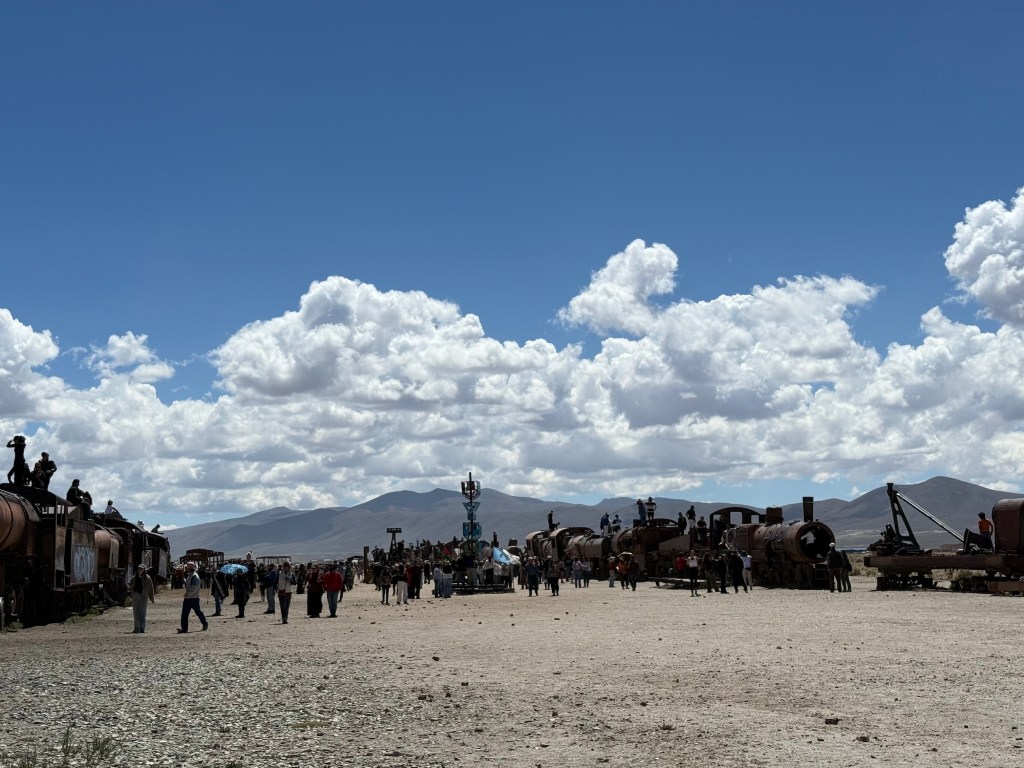
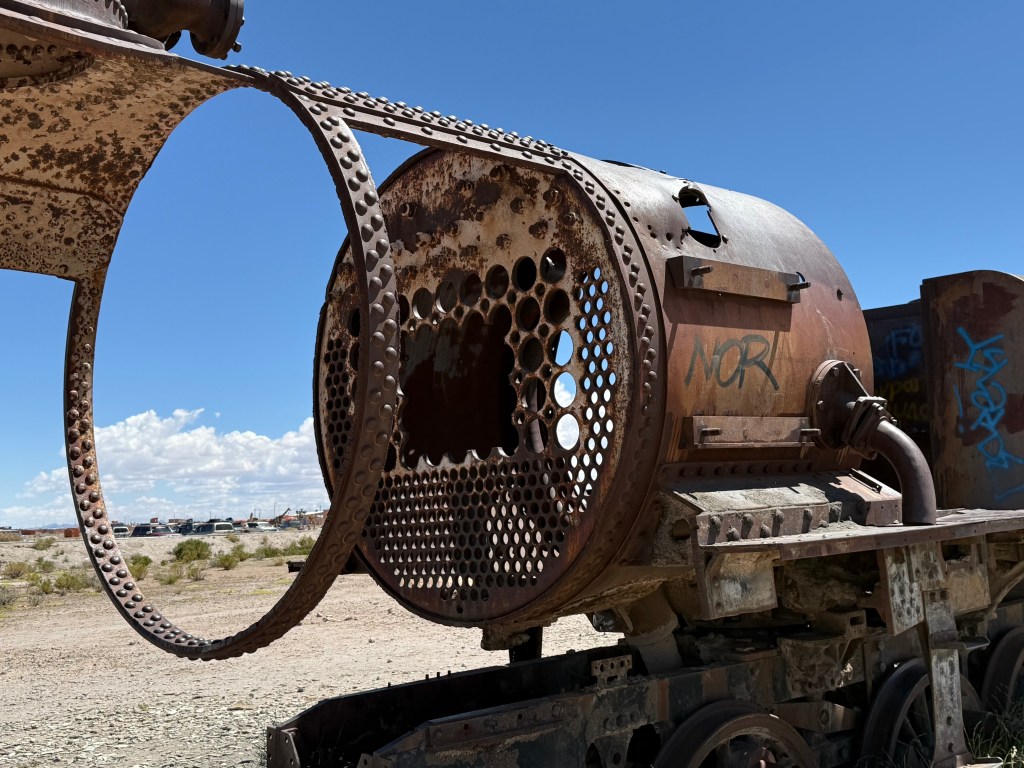
So basically there are three options if you want to see the salt flats. If you just want to see the salt flats and you don’t have much time, you can just do a day trip. This includes a visit to the train cemetery, the salt flats, and a visit to a salt factory in Colchani. Lunch is also included if you join a morning tour. IMO, the train cemetery is your typical tourist trap. It’s in a small area, there’s too many people, there’s not much to see, and I couldn’t wait to leave… but I do recognize the appeal for some people. If you’re thinking of taking a lot of solo artistic shots at the train cemetery for the gram, it’s gonna be hard if you’re joining a morning tour. See, practically all tours to the salt flats leave at around 10 AM and this is the first stop. It’s going to be very crowded. If you’re planning on taking a lot of pictures here, it would be best to book a private tour early in the morning or in the afternoon. It’s very close to Uyuni town so hiring a private driver won’t be too expensive.
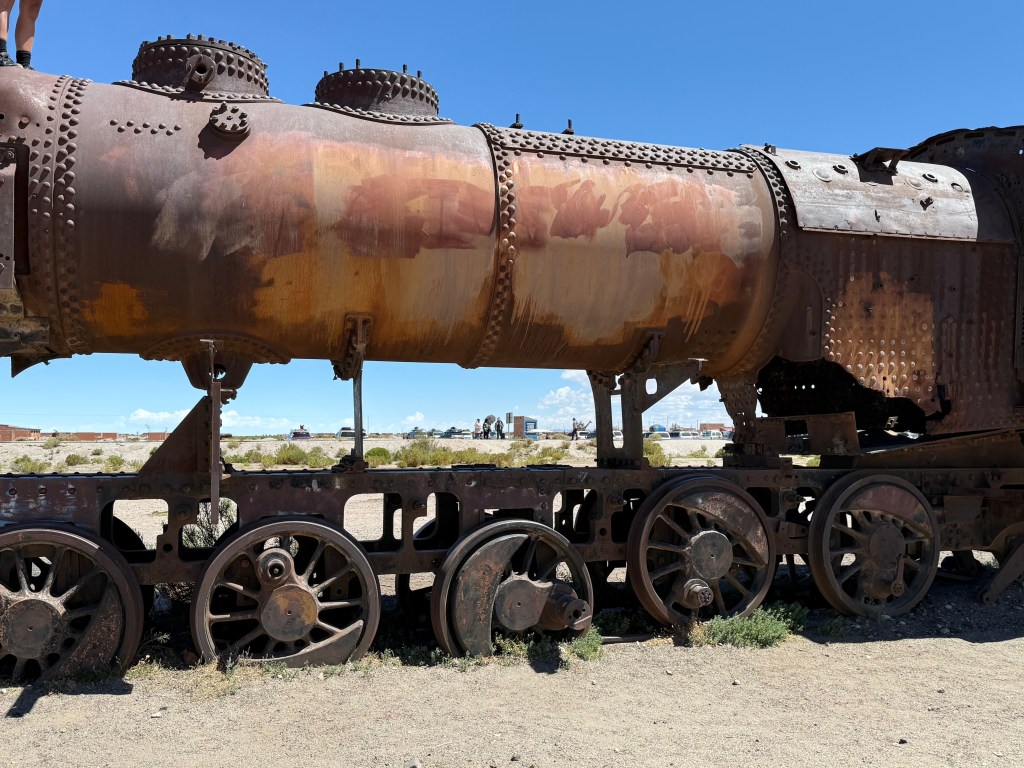
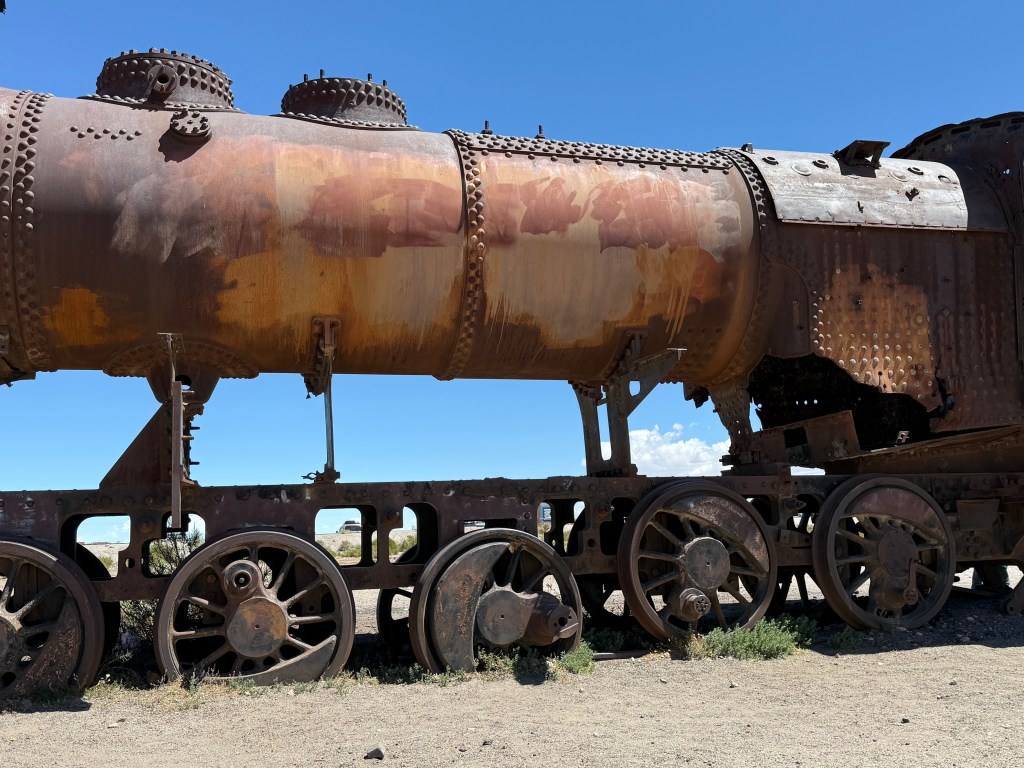
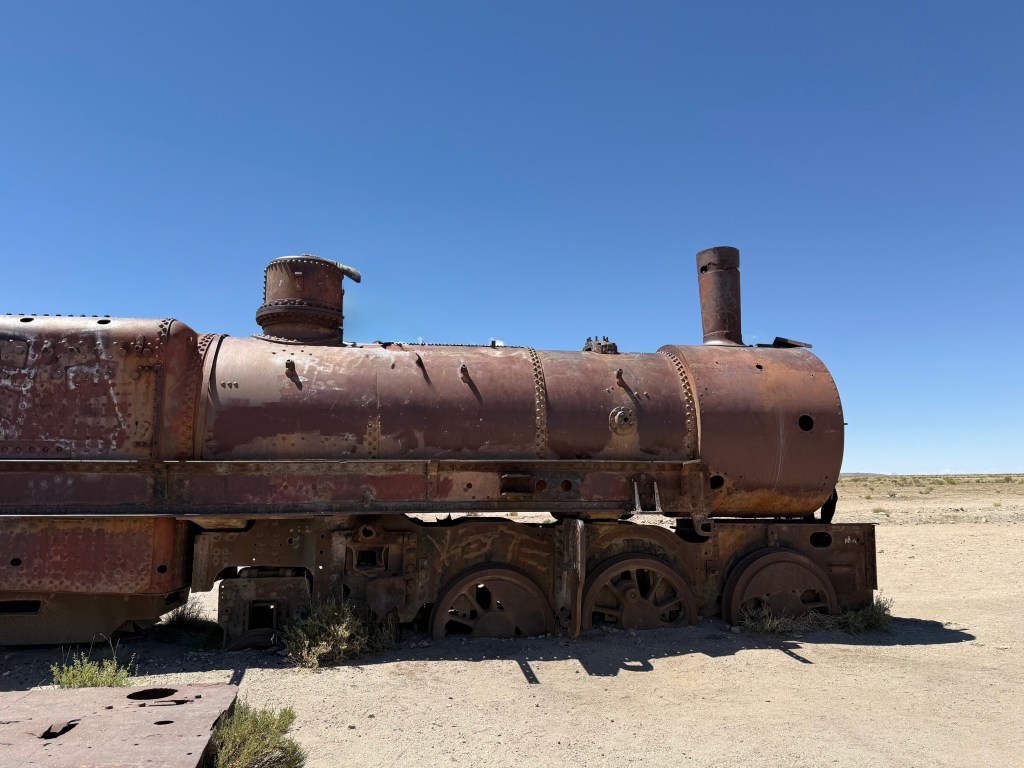
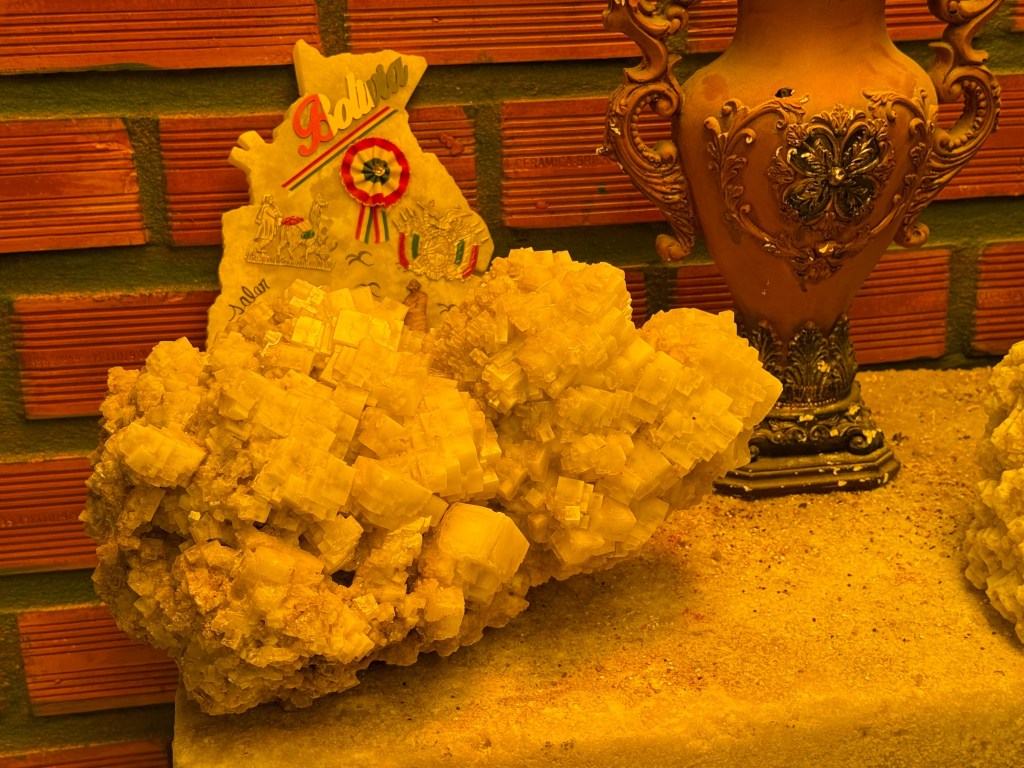
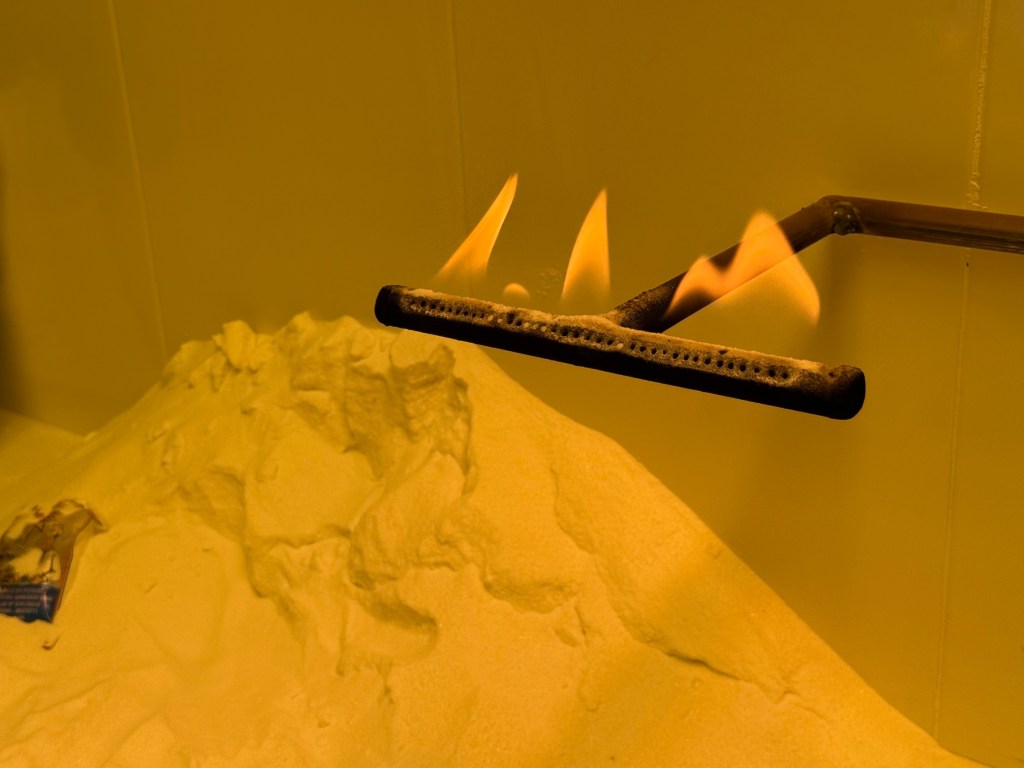
If you want to see the sunset at the Salt Flats, book one of those tours that leave at 3 PM or 5 PM. Join one of those tours that leave at 5 PM if you want to go stargazing— those tours last until 9 PM. Instead of lunch, the tours that leave in the afternoon include snacks.
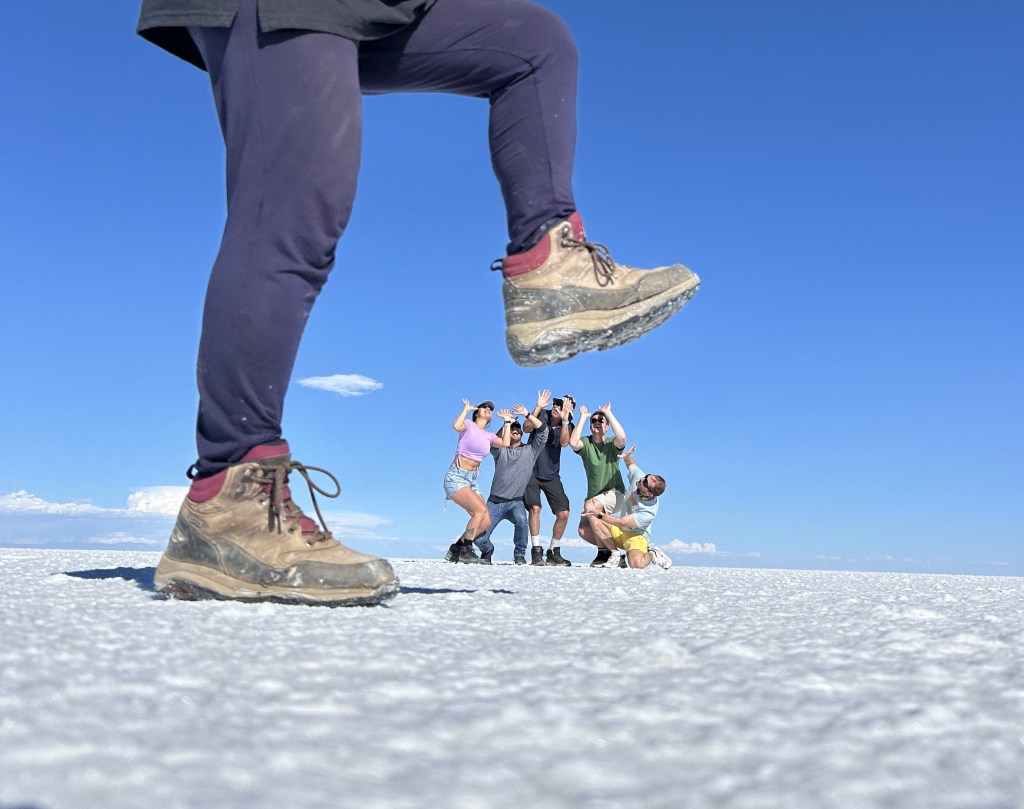
If you’re planning on recreating those reflection shots you see all over social media wherein the salt flats look like one gigantic mirror, you need to go during the rainy season so that the salt flats would be flooded. This is from December to April. Now obviously it won’t look like a mirror if it’s raining, so you need to go a few days after it stopped raining. Even then, there’s no guarantee you’d see that mirror effect— if it’s windy, there’s gonna be ripples and small waves on the water. Sadly, it was windy when we were in the salt flats so I wasn’t able to take the pictures I wanted. So yeah, it can be tricky. If you really have to see that mirror effect, your schedule has to be flexible. If you’re just after those perspective shots, you can go any time of the year. Even in the rainy season, there are parts of the salt flats that aren’t flooded.
Don’t forget to bring at sweater because it can get real cold at the salt flats, especially at night. Remember, you’re at a high altitude (even higher than the city center in La Paz) so it’s cold even in the summer. Also, don’t forget to apply lots of sunscreen on your skin. Even if it’s cold, the harsh rays of the sun reflects on the ground and you could easily get sunburned. I learned this the hard way. In just two hours, my entire face got sunburned!
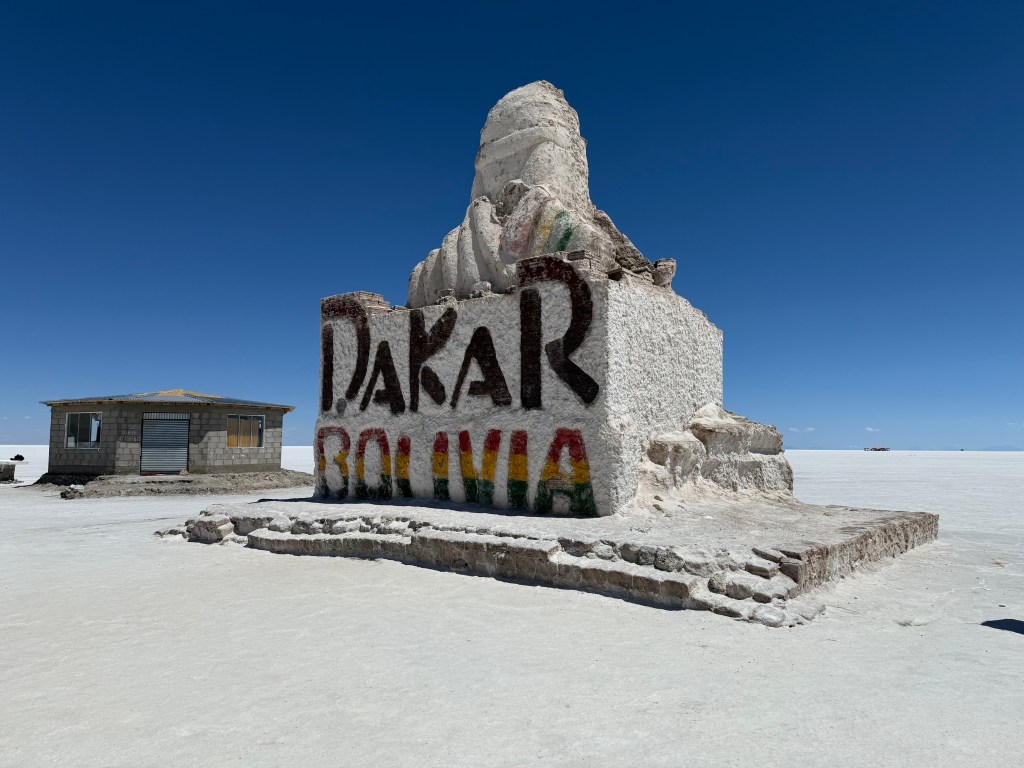
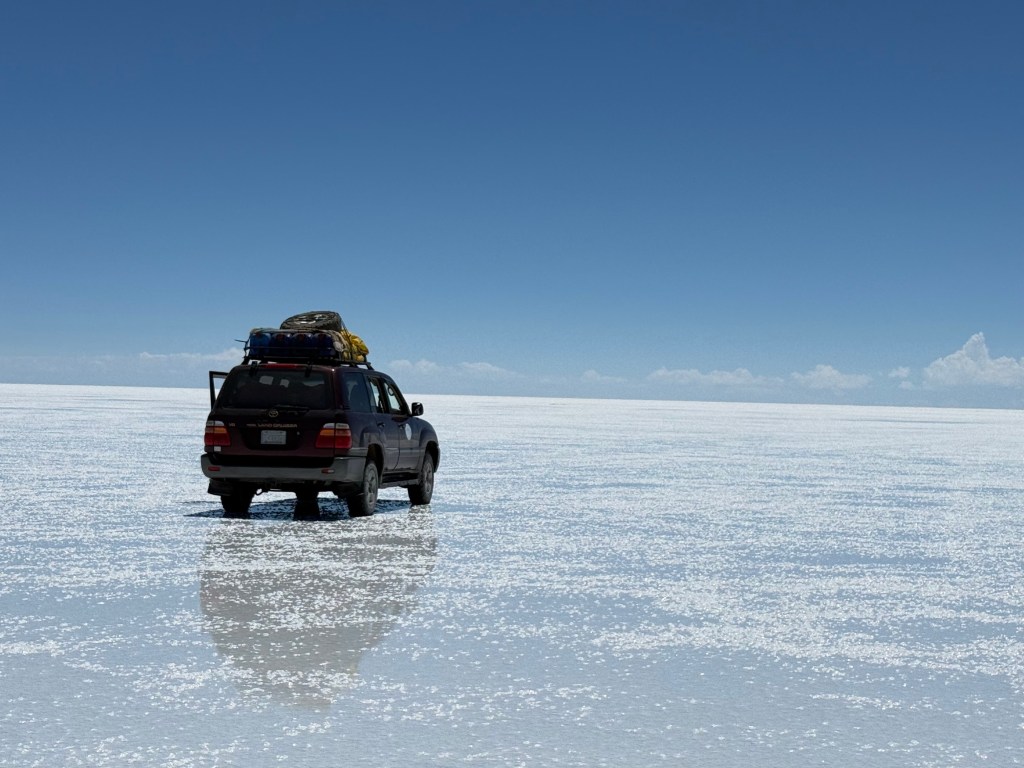
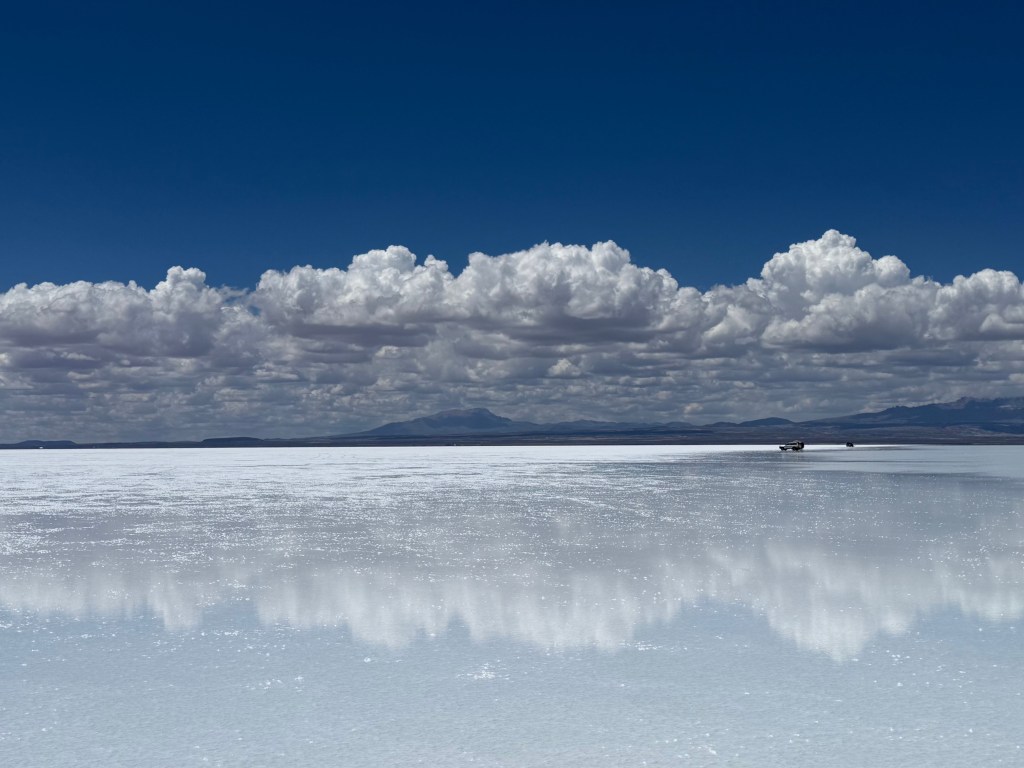
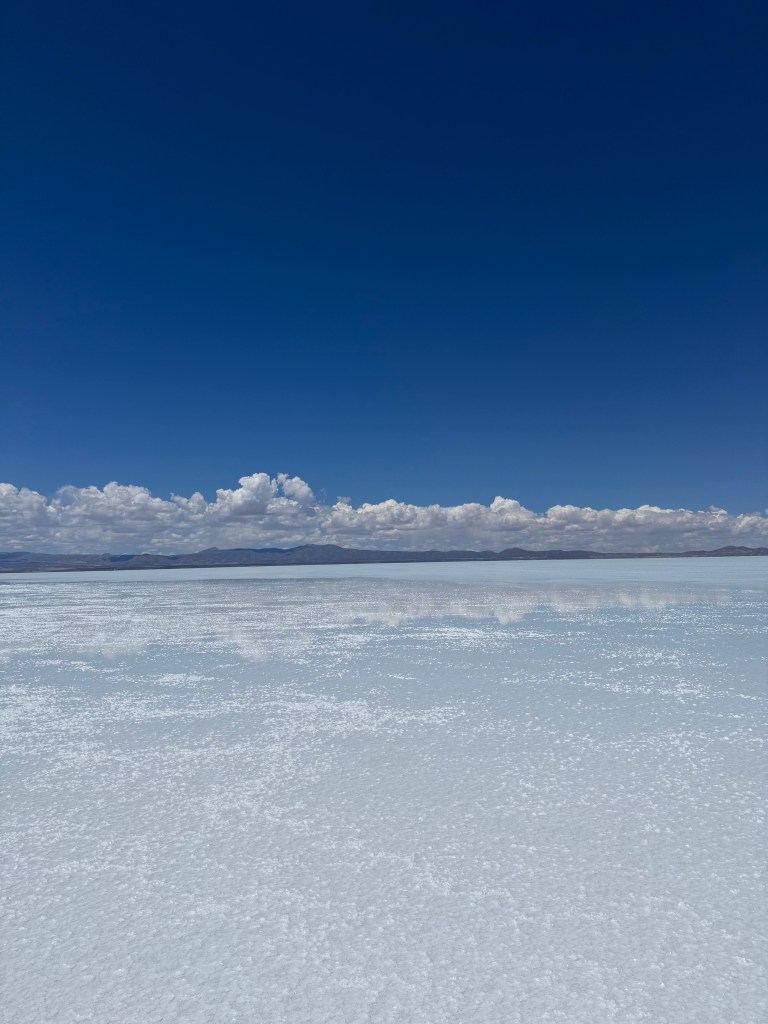
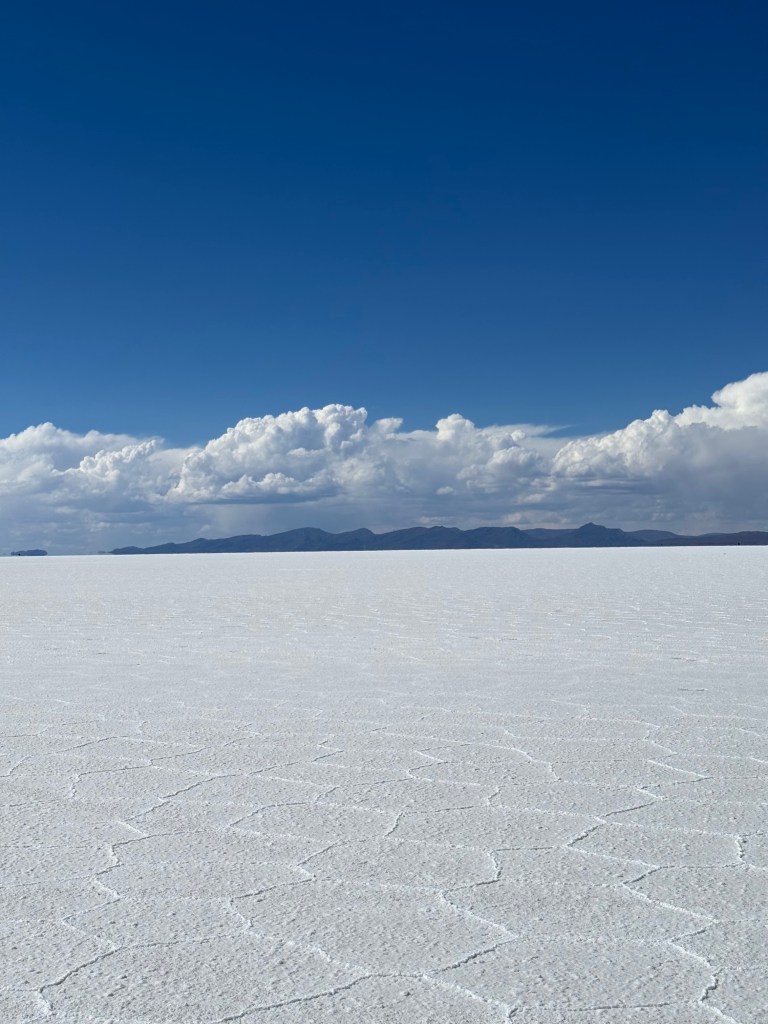
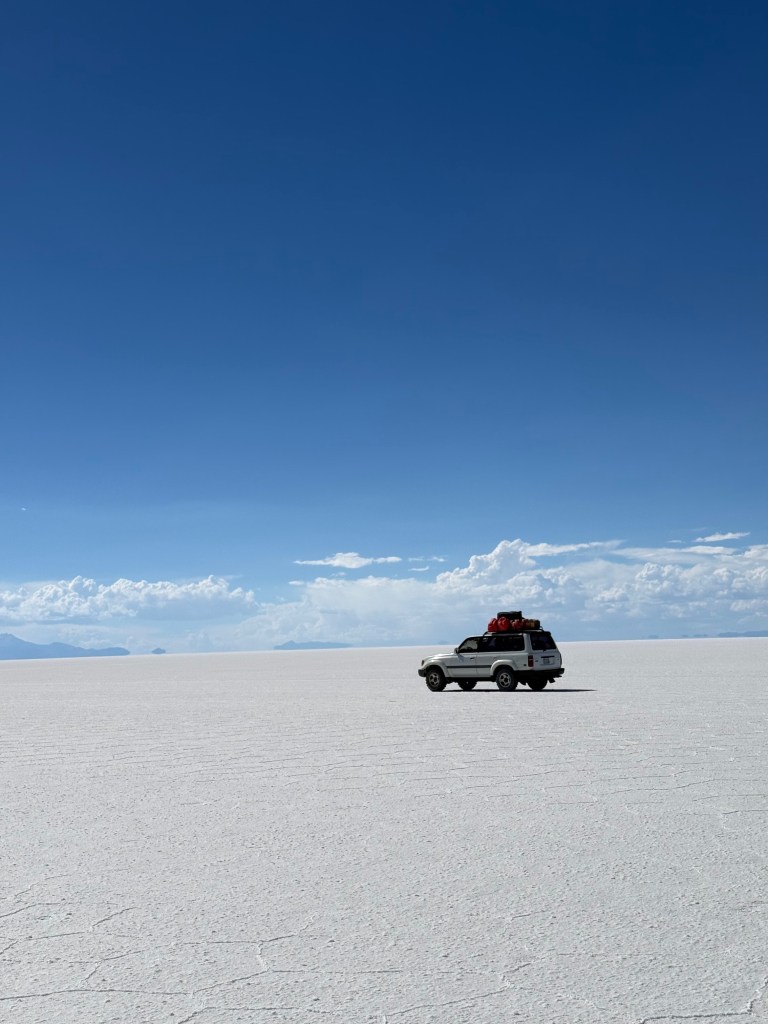
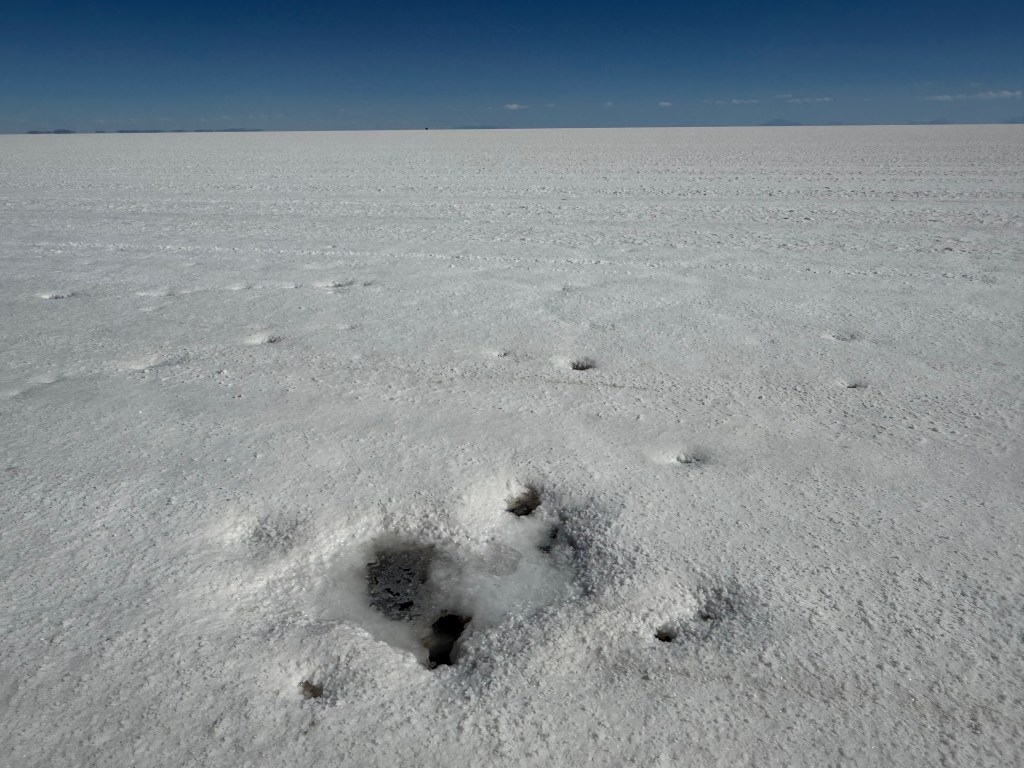
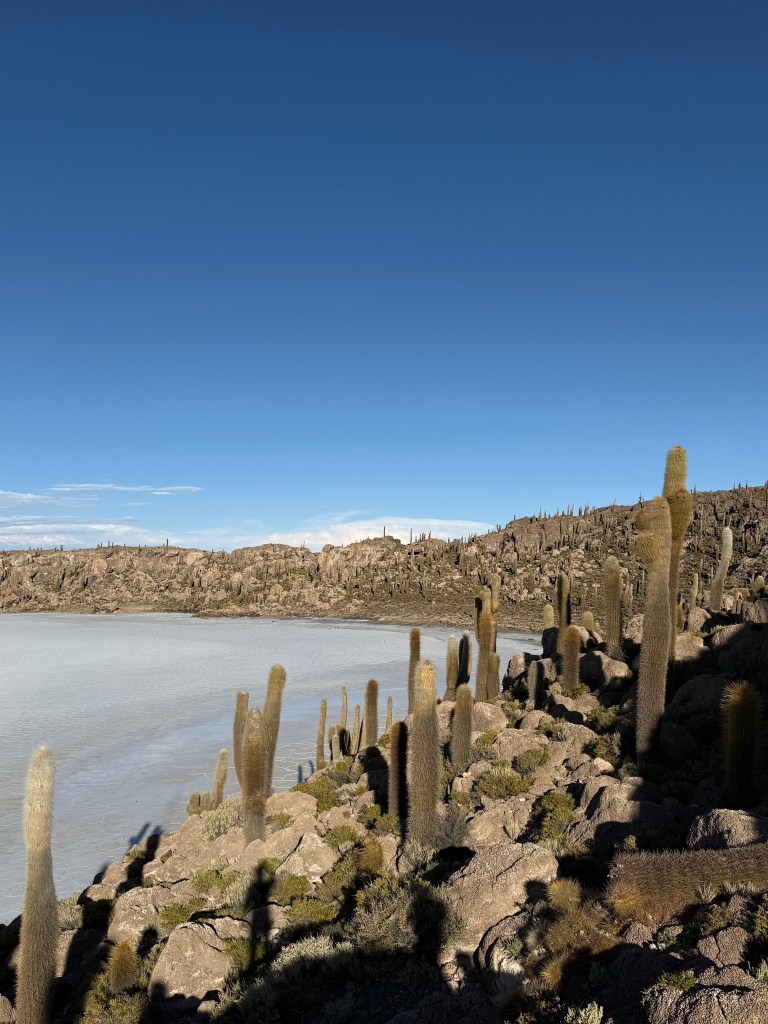
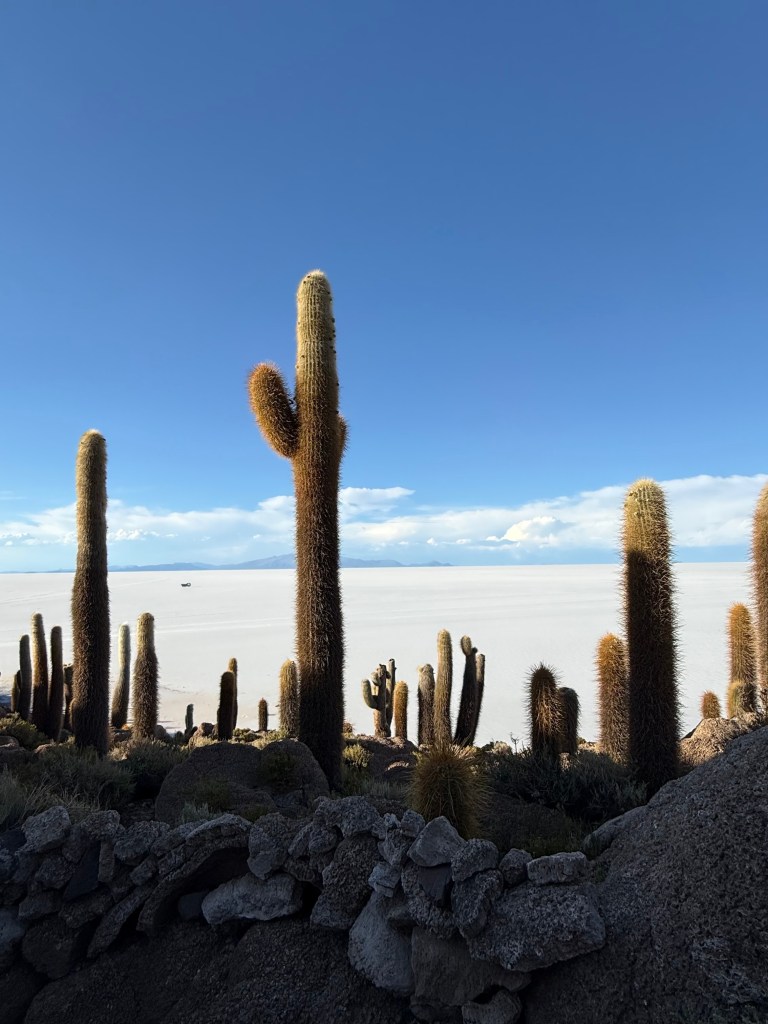
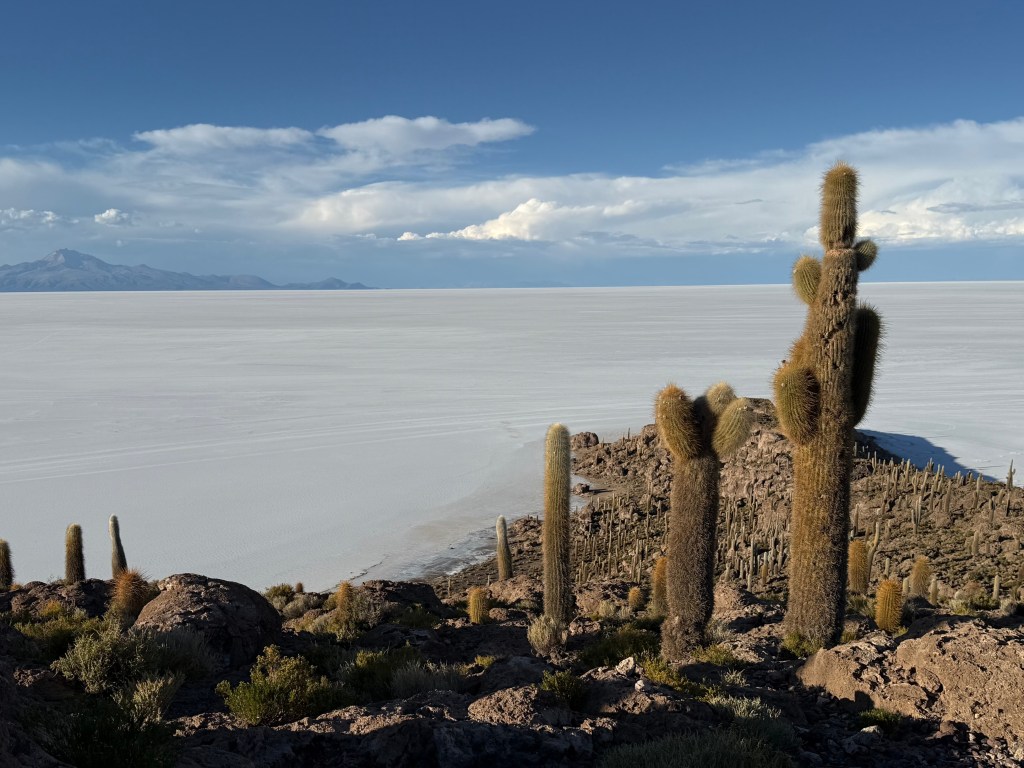
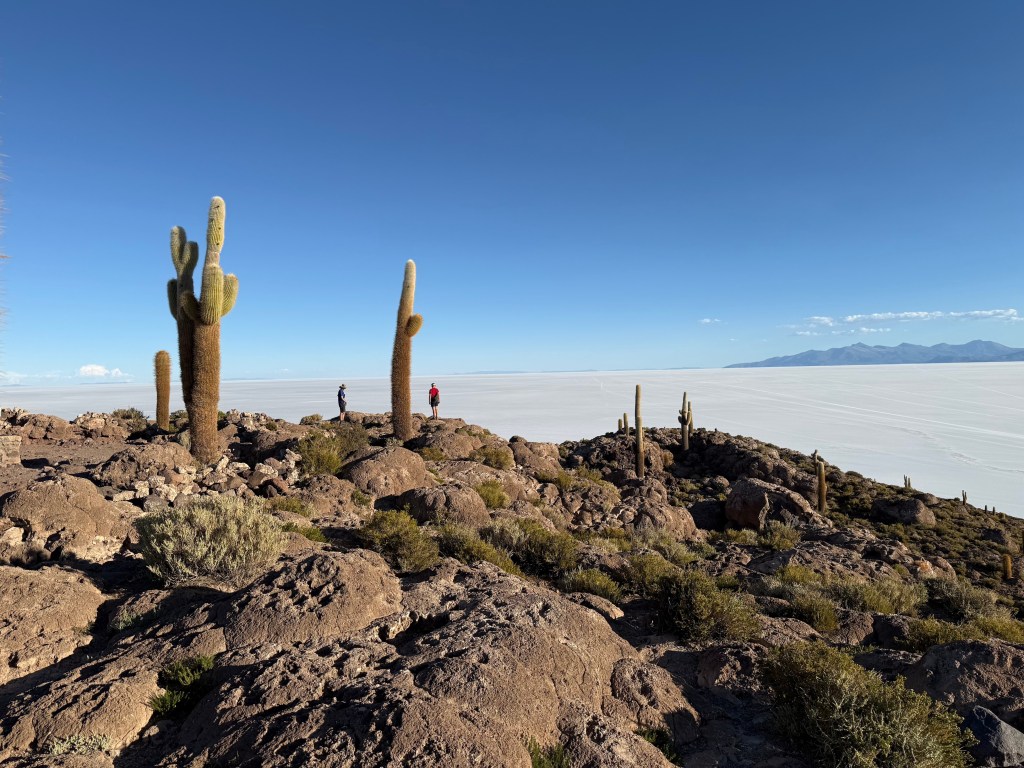
The next option is a two day tour. This includes all those stops in a day trip (Train Cemetery, Salar de Uyuni and Isla Incahuasi, plus the salt factory). You’ll spend a night at a salt hotel, which I’d say is pretty interesting… The walls on these hotels are made of salt, and there’s salt all over the ground— like sand. It gets messy, but it’s no biggie since it’s just for a night. The next day, you’ll stop at a couple of lagoons and a colonial church before heading back to Uyuni. I didn’t do this tour, but I’ve met people who opted for 2 day tours instead of 3 and none of them were recommending this since the places you’d see on day 2 aren’t that spectacular.
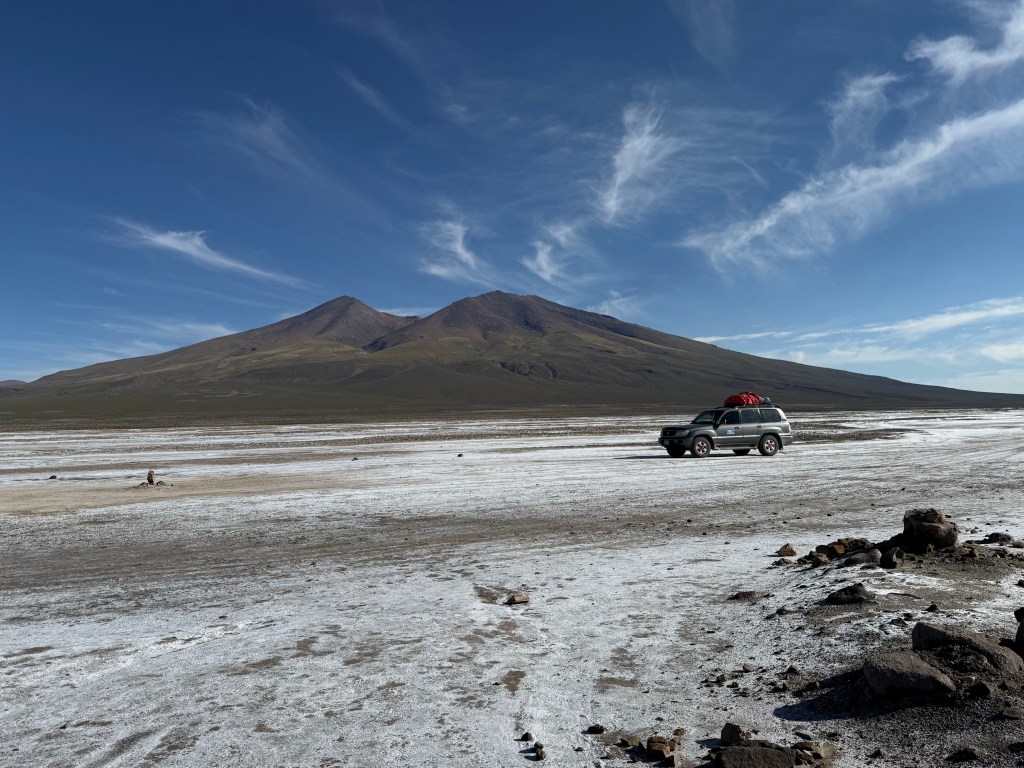
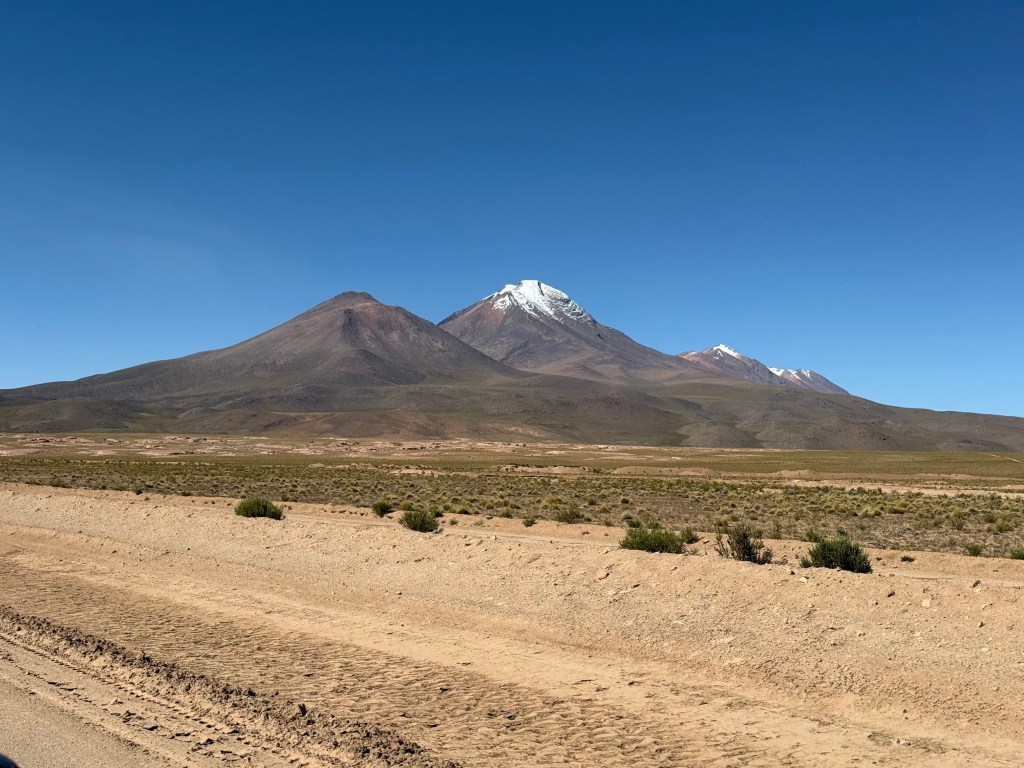
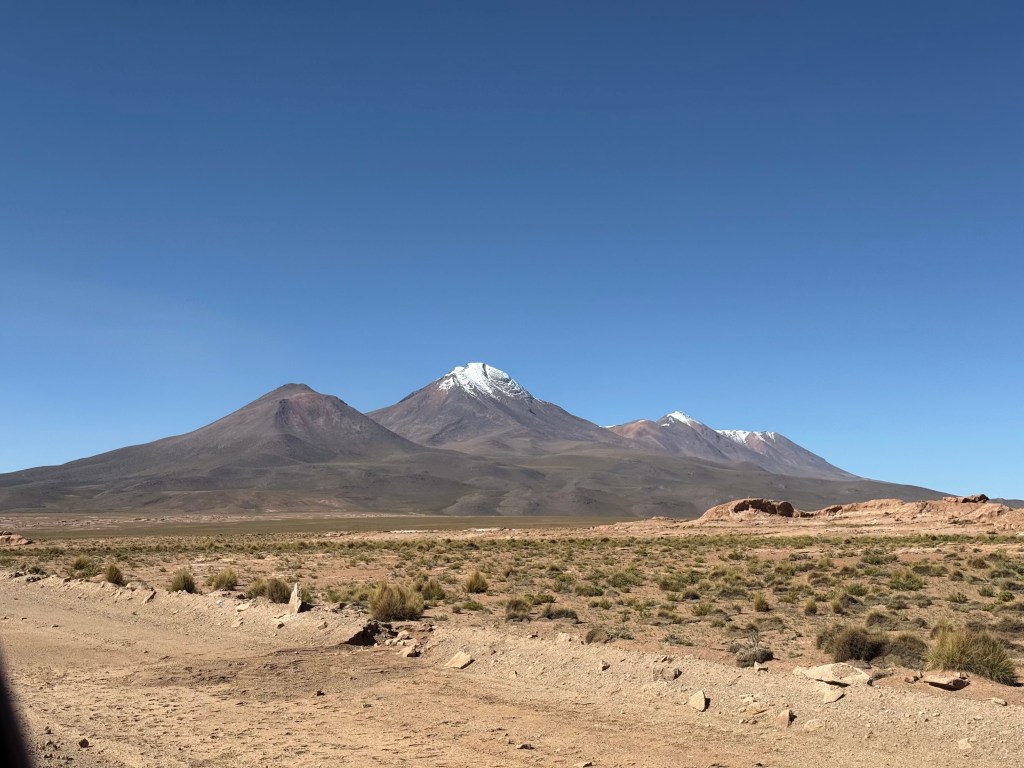
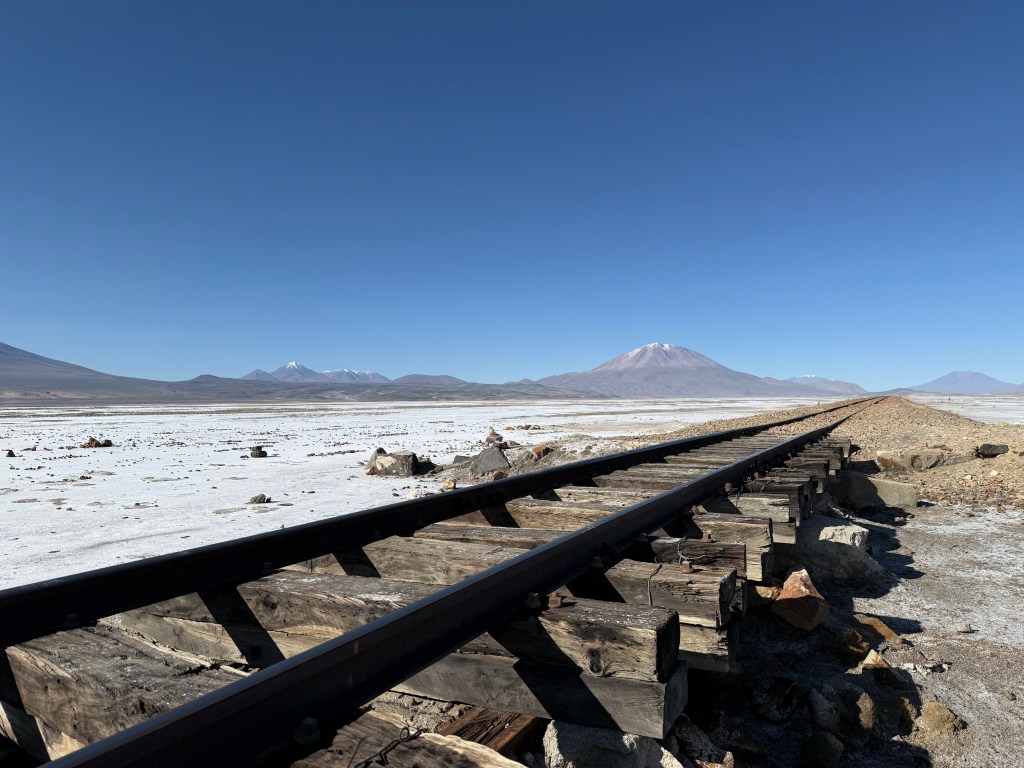
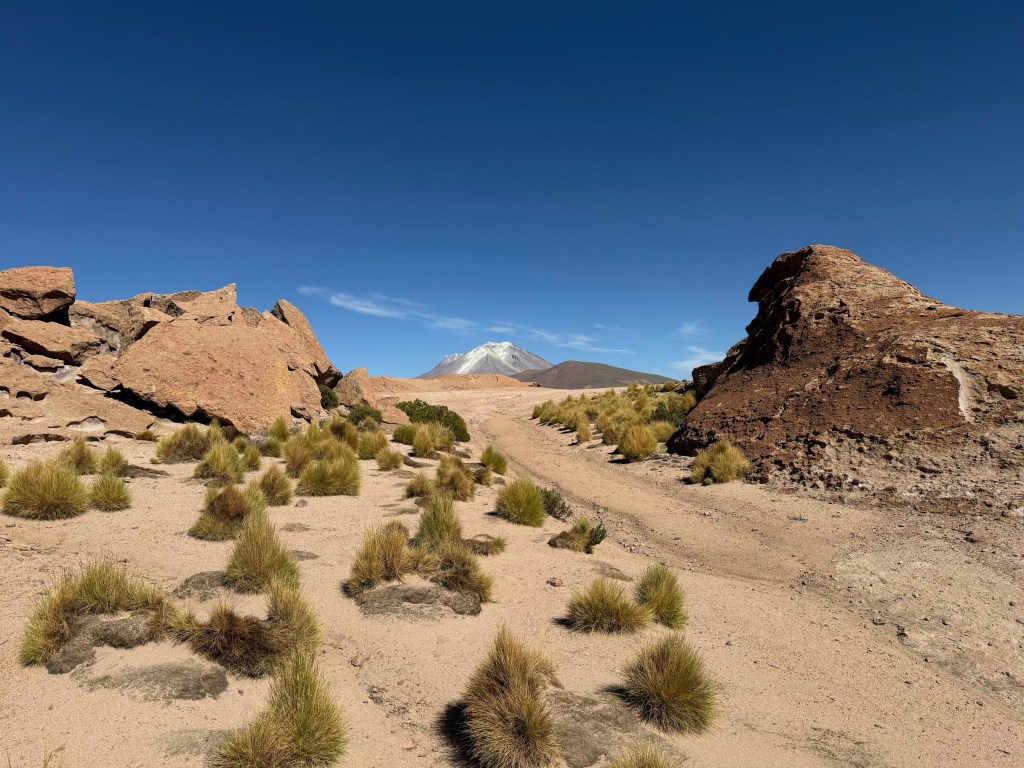
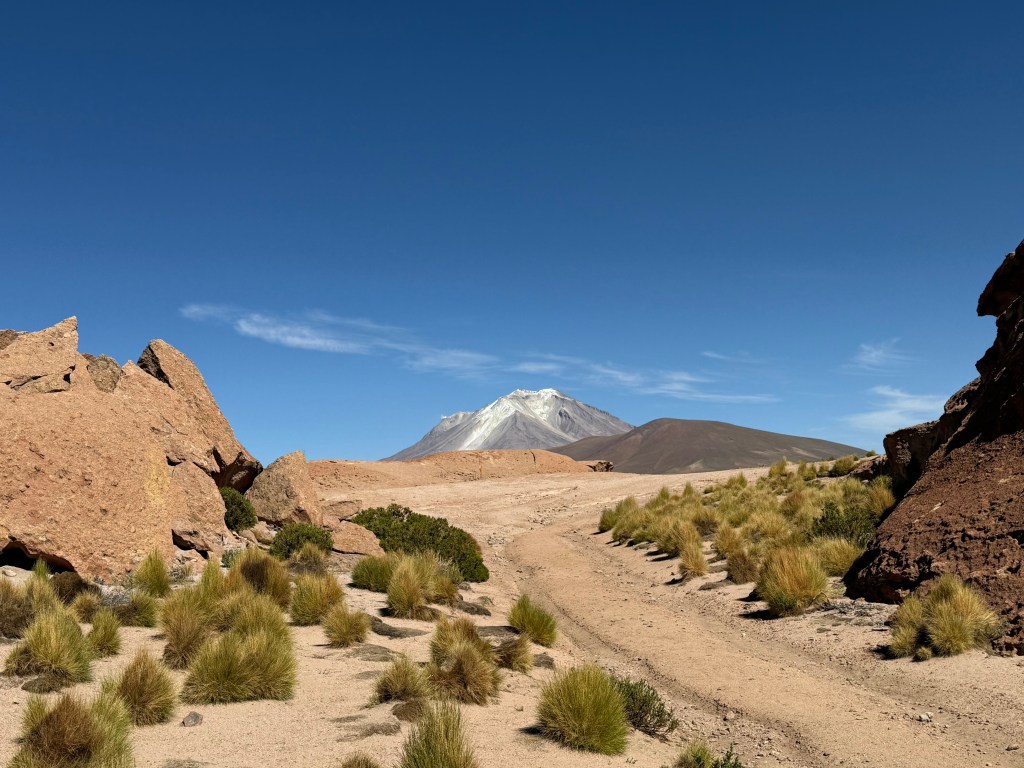
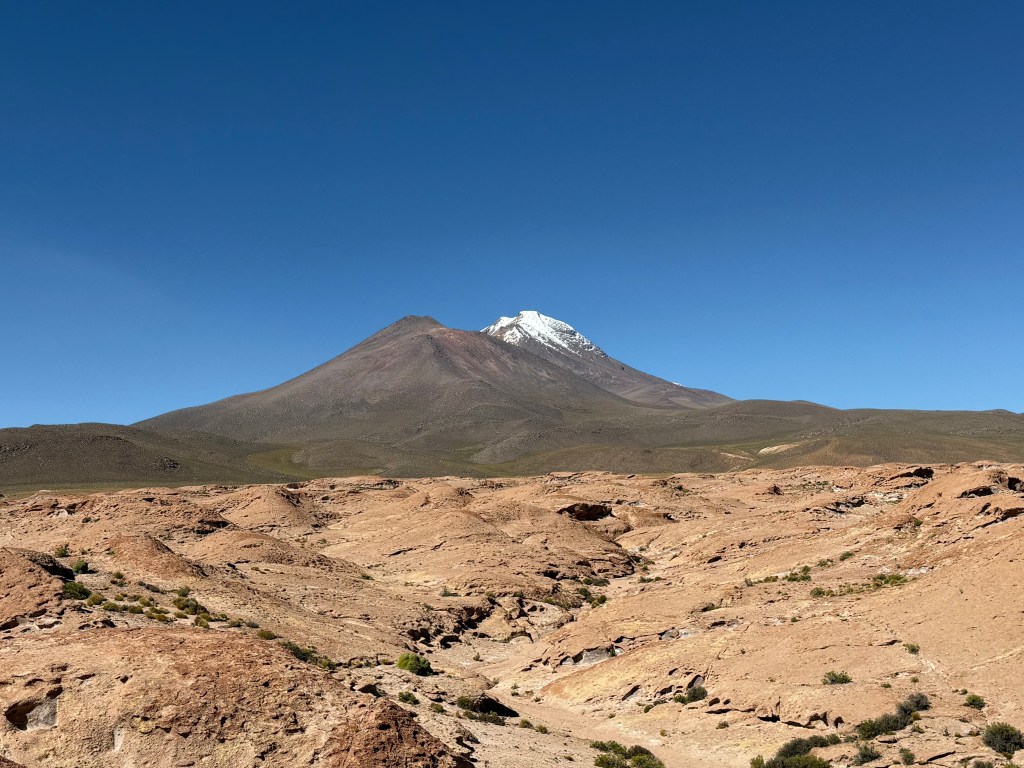
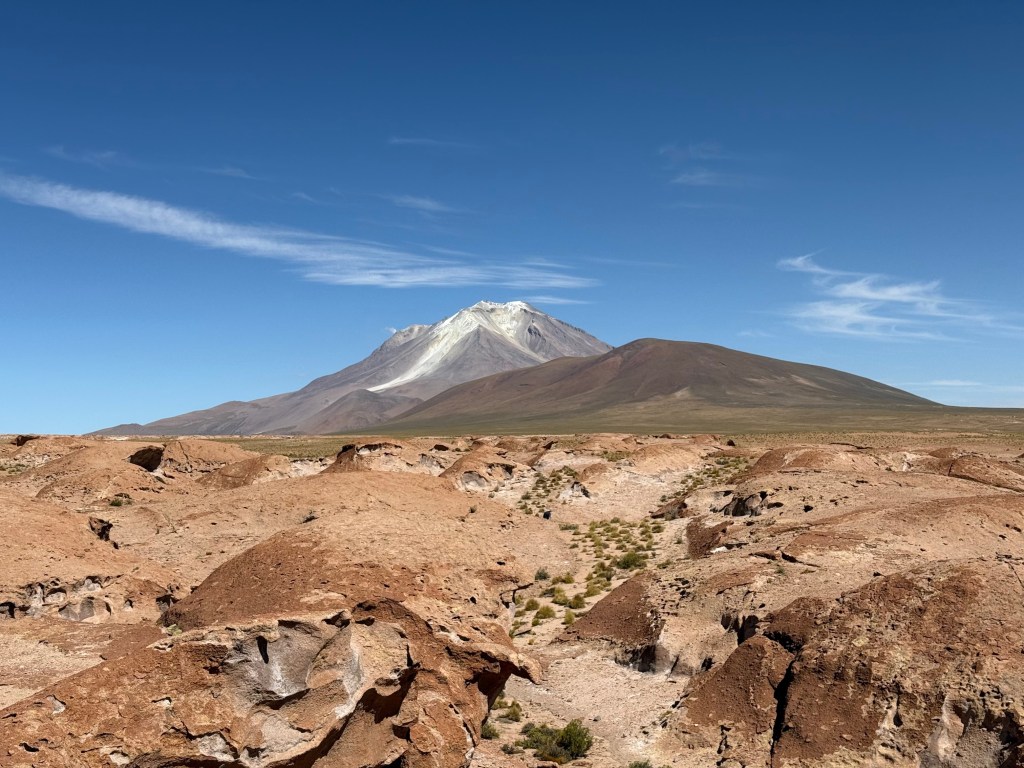
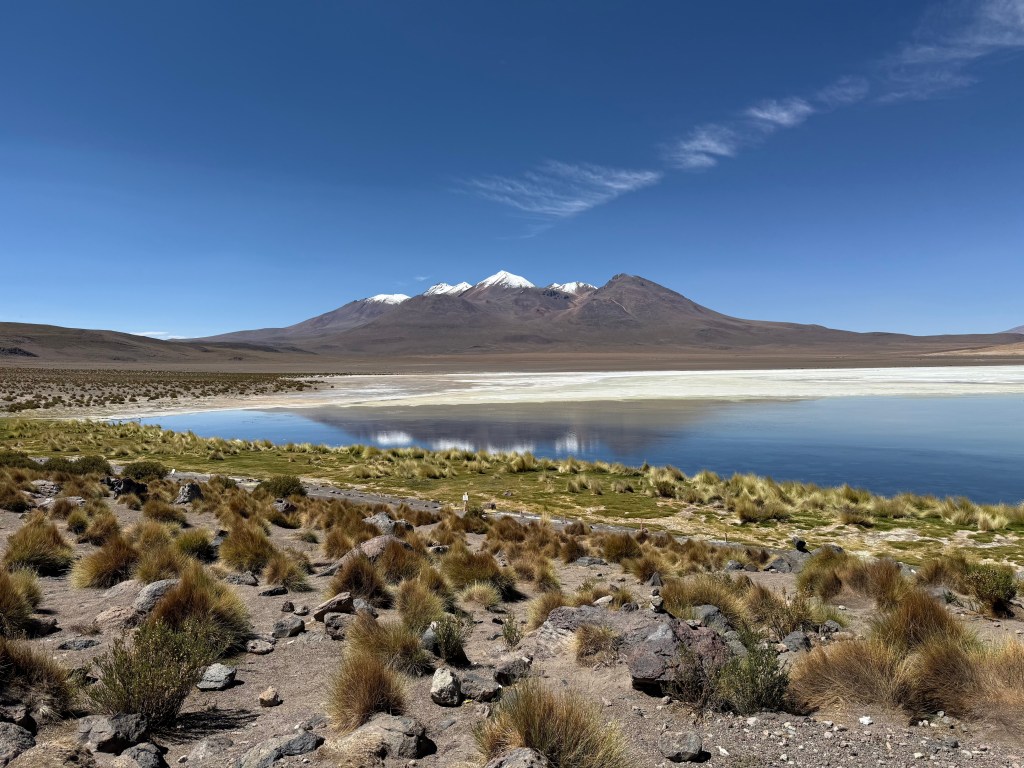
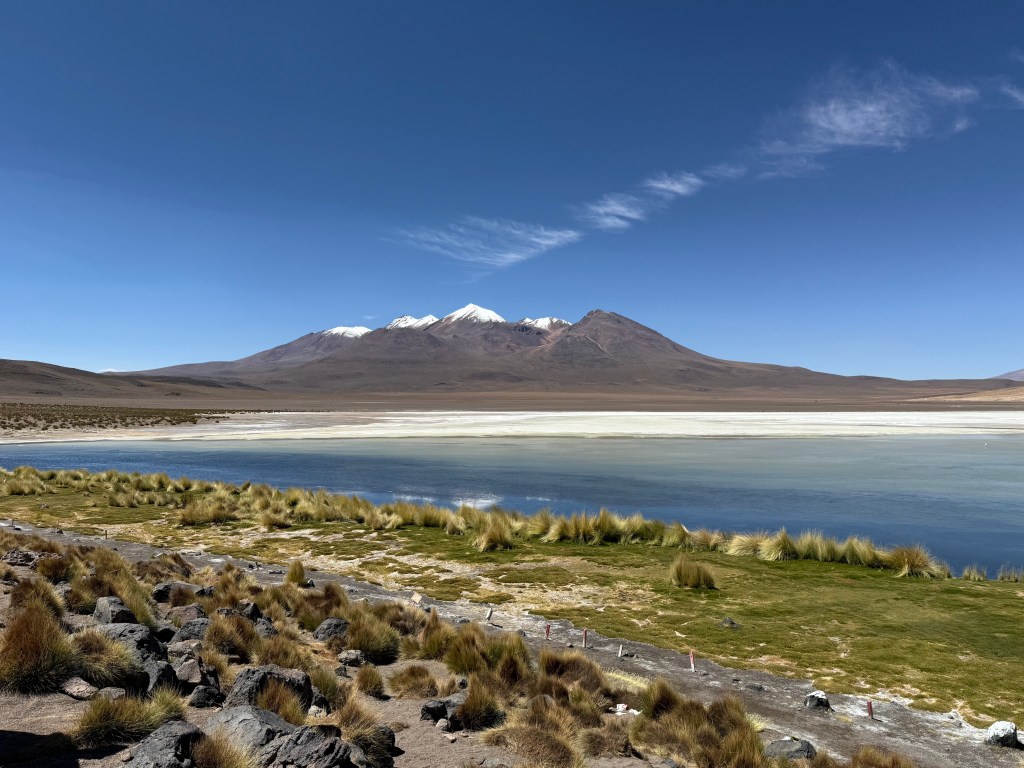
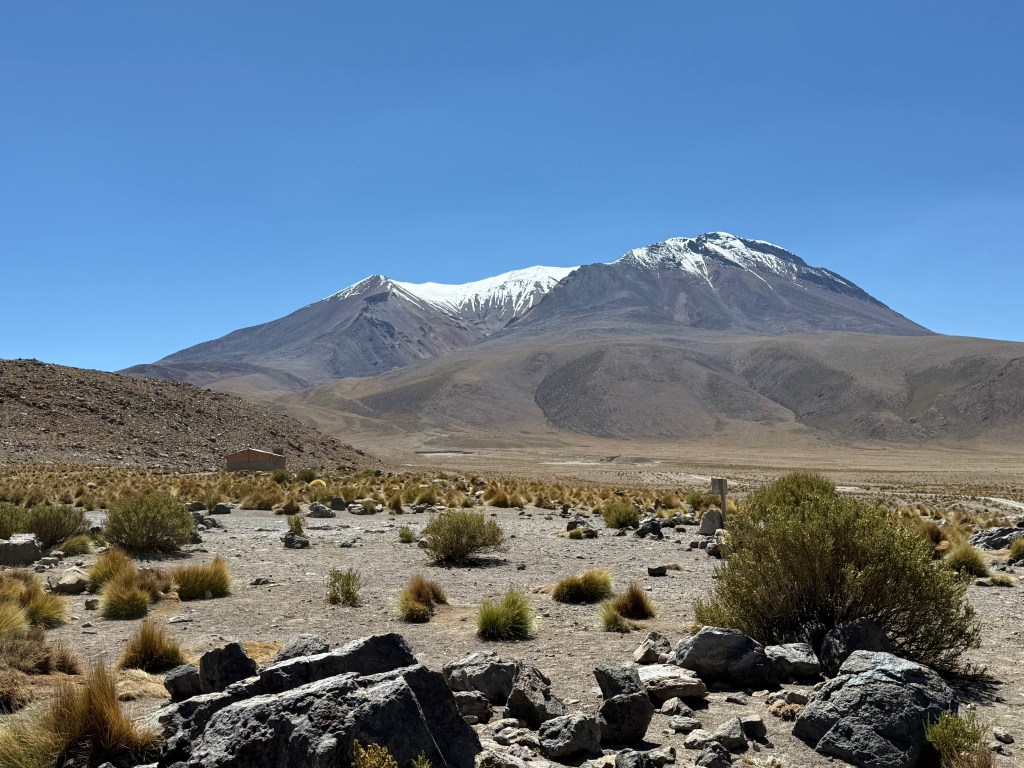
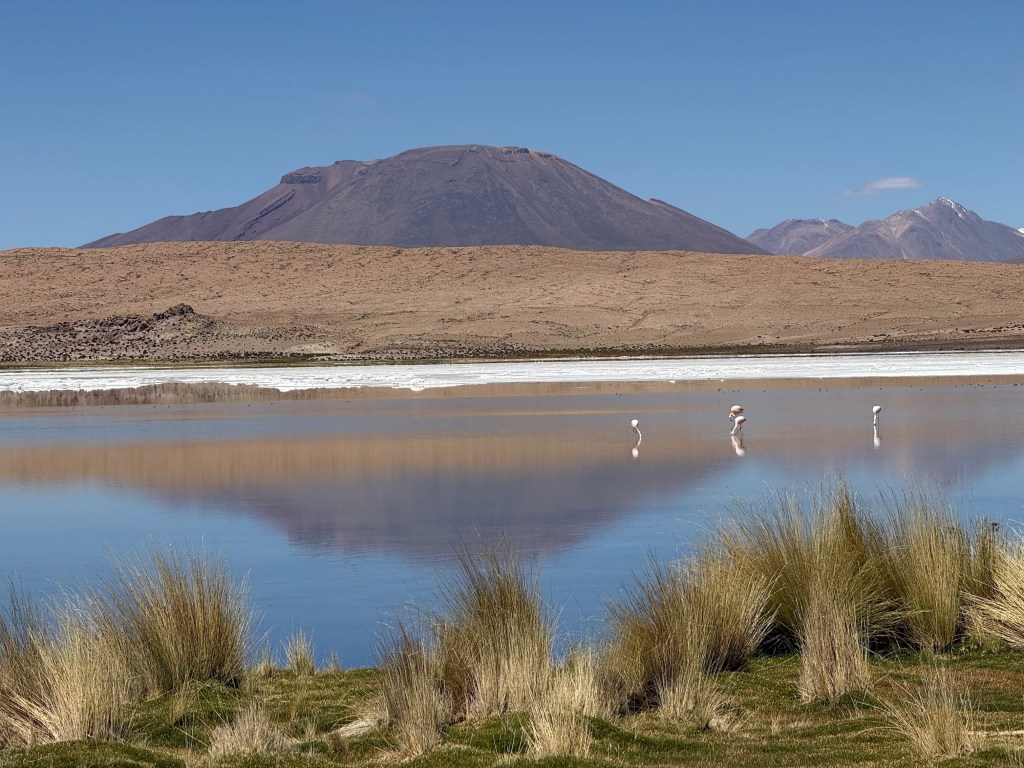
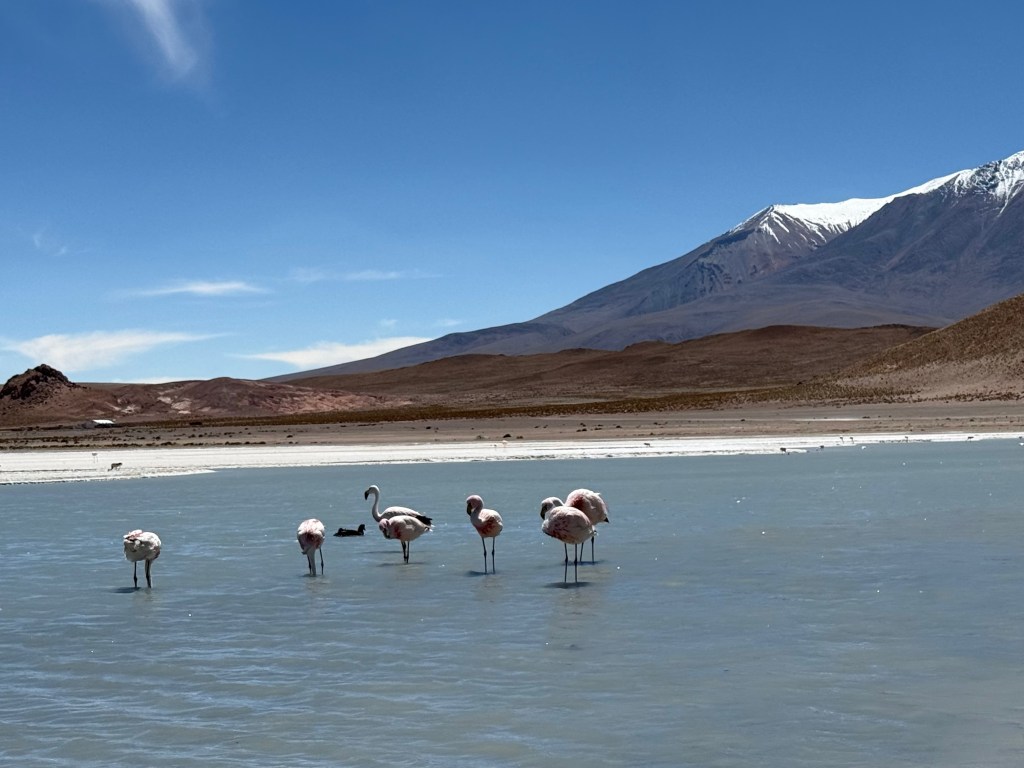
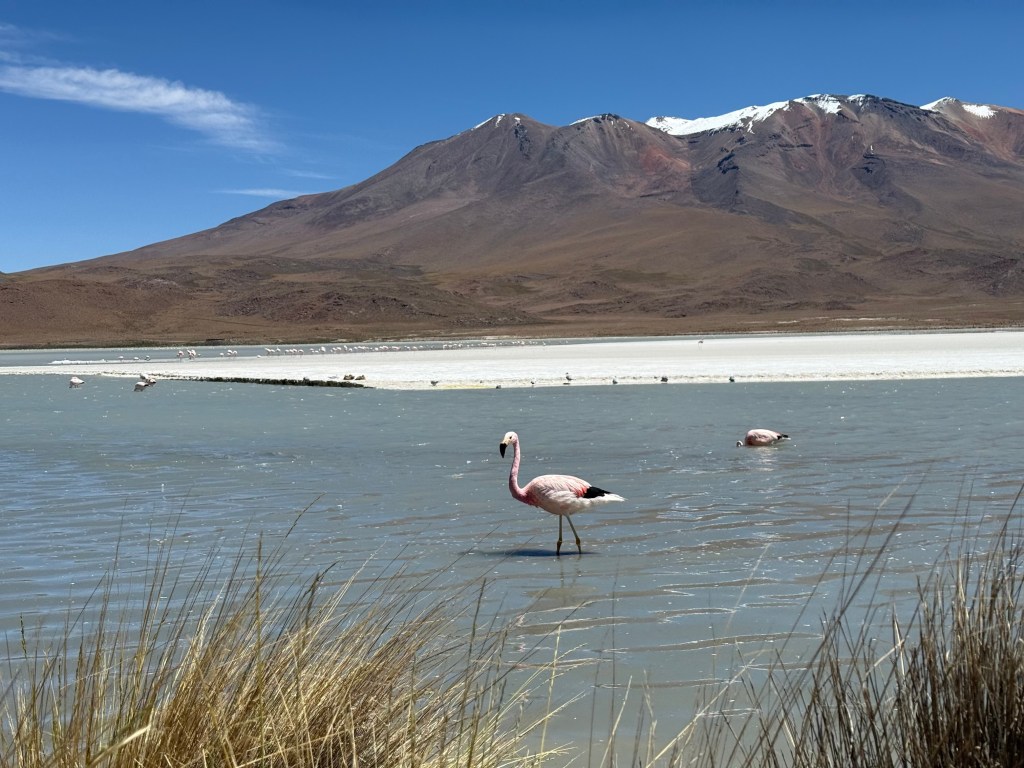
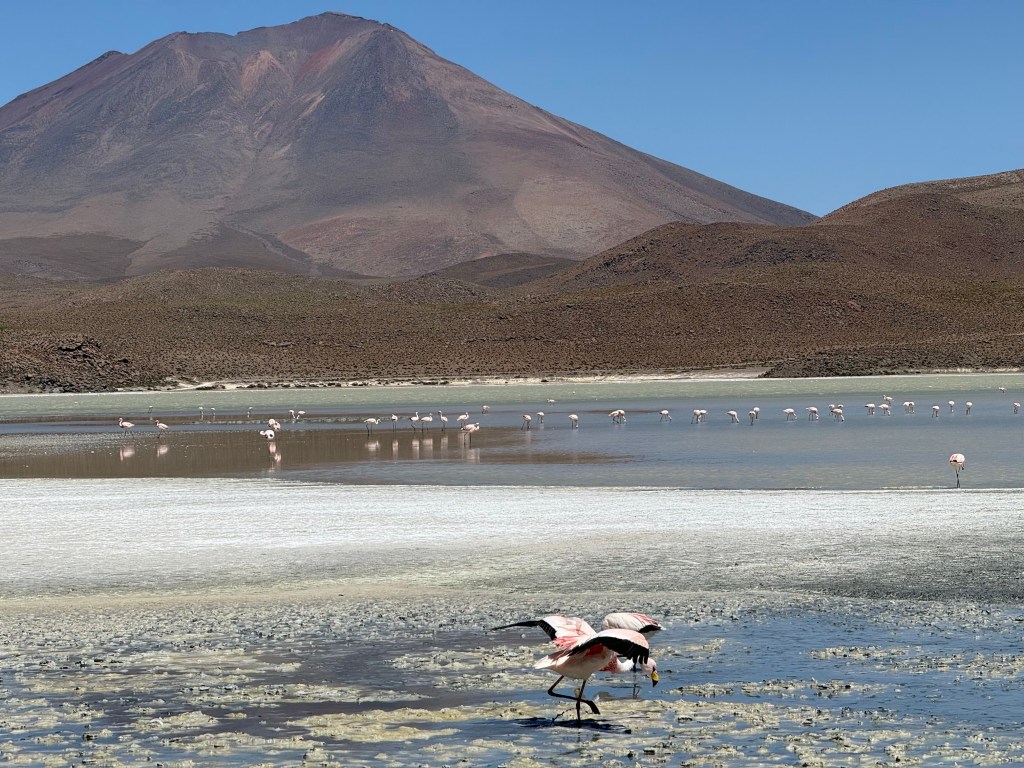
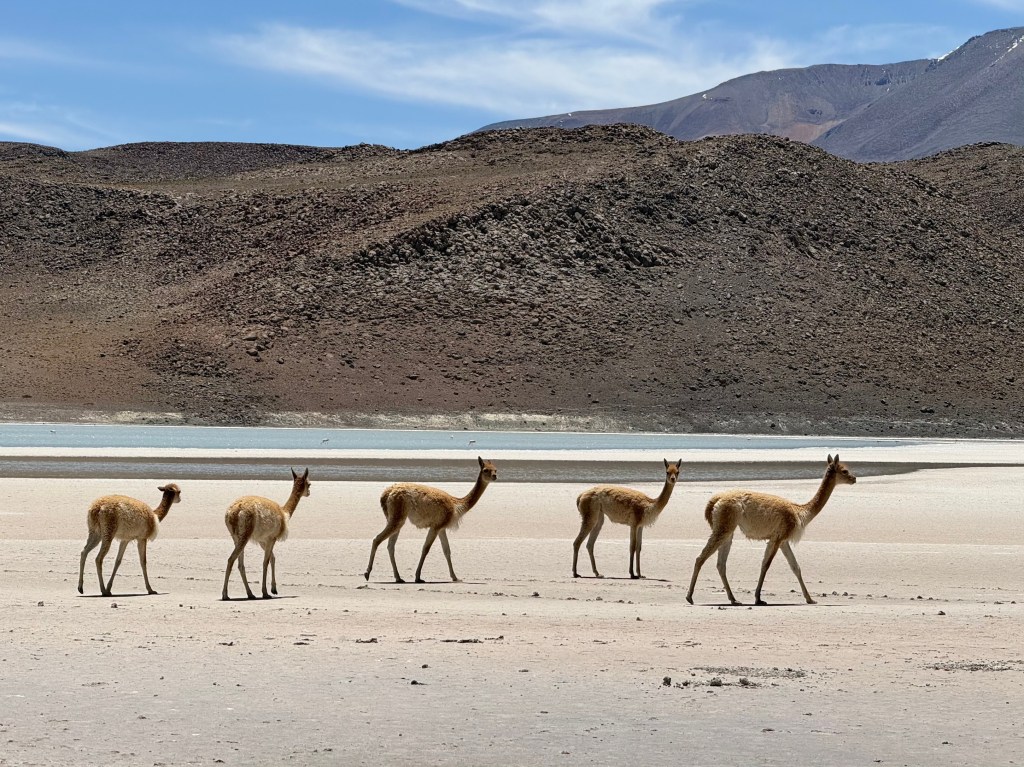
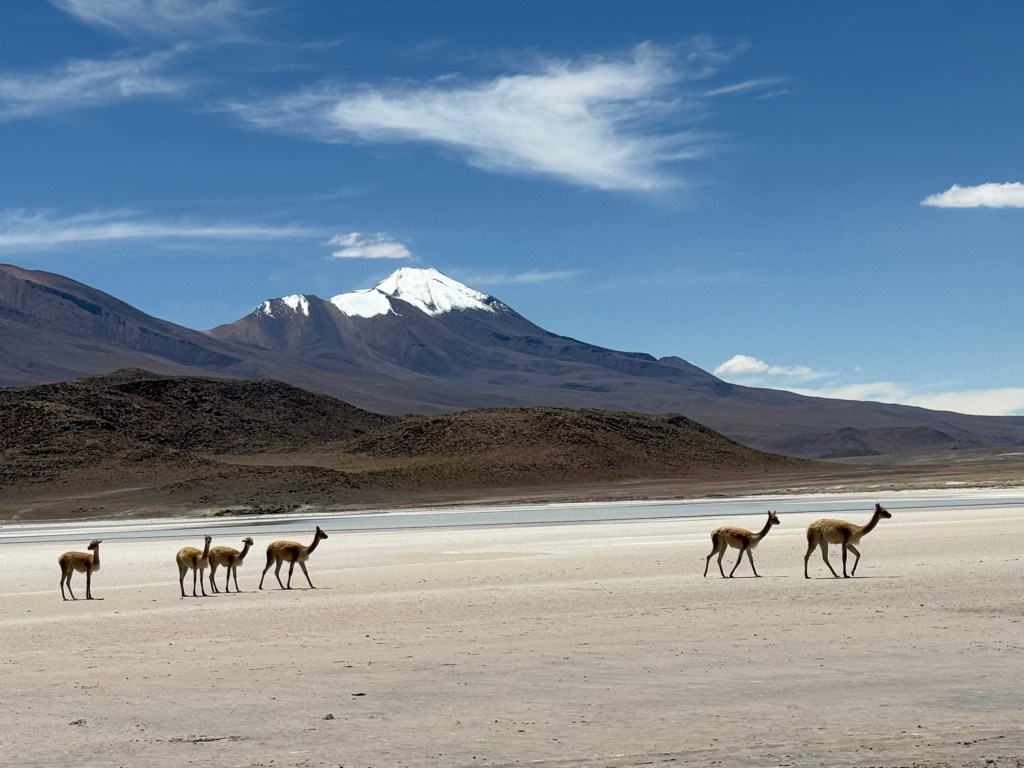
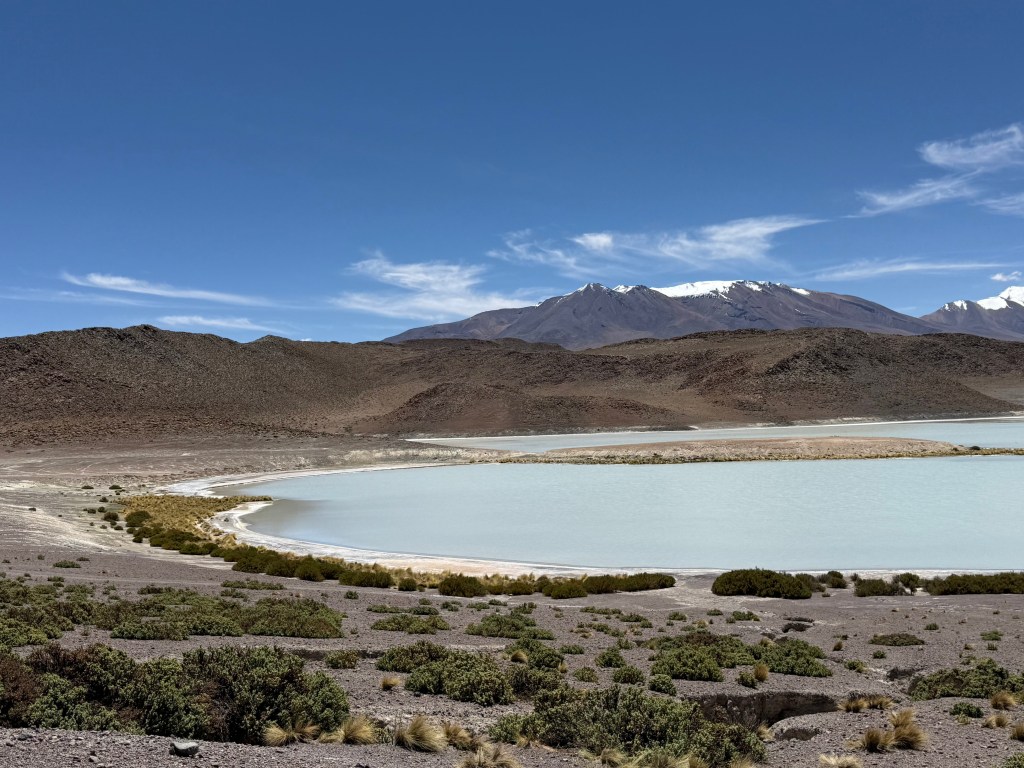
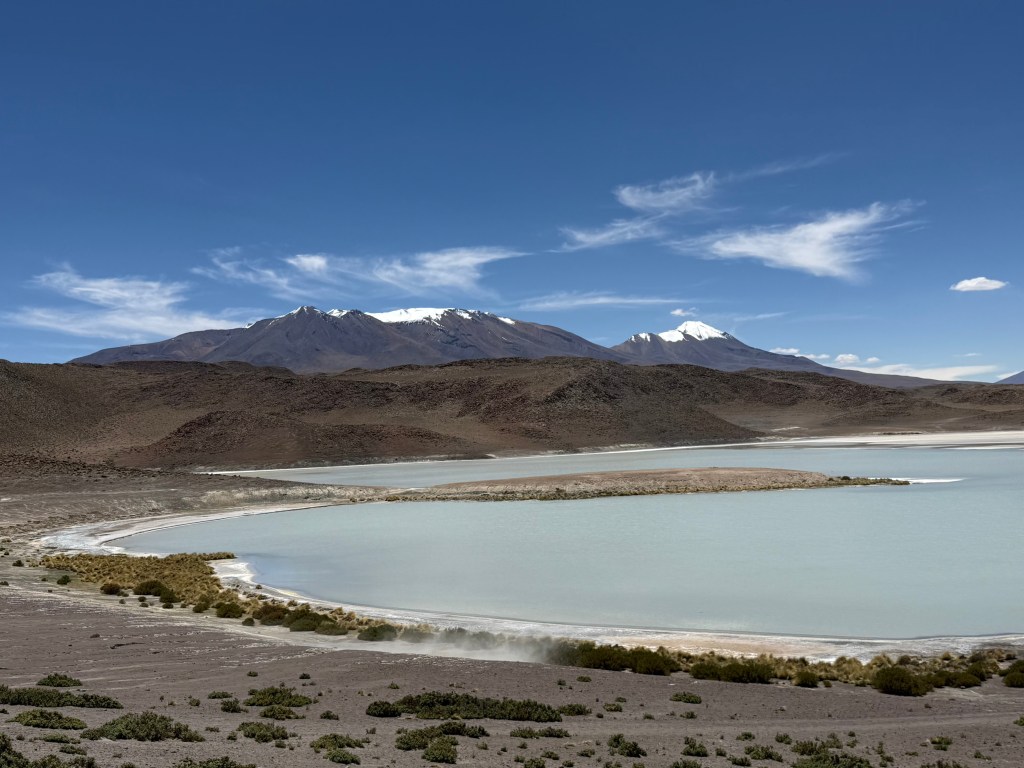
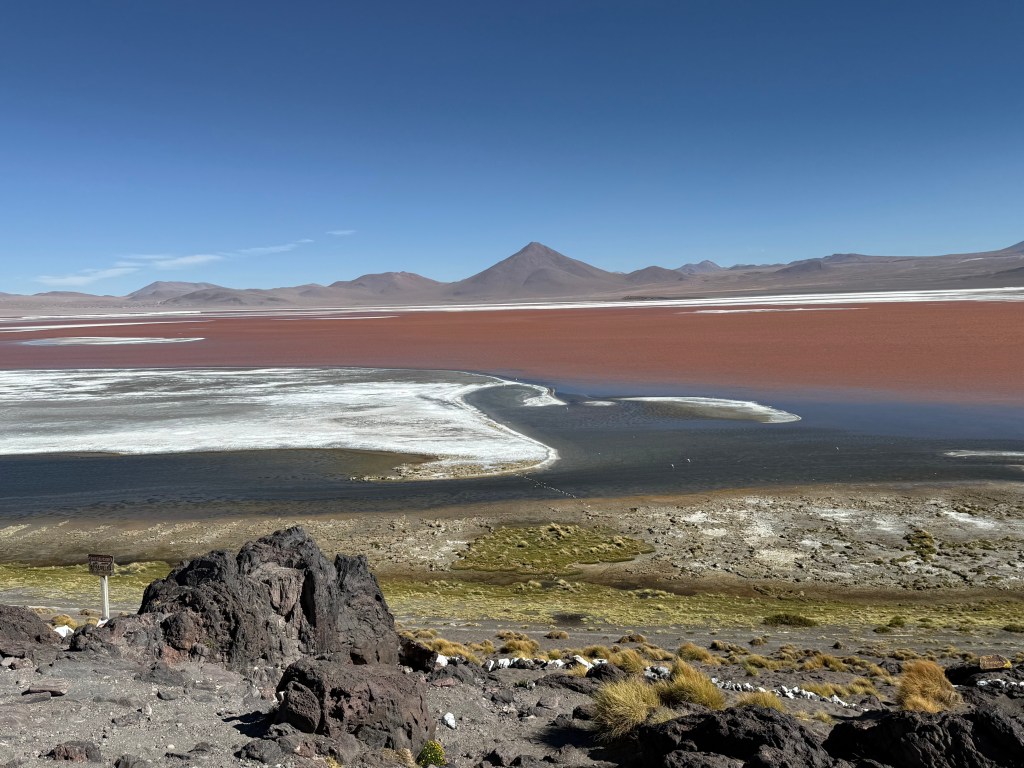
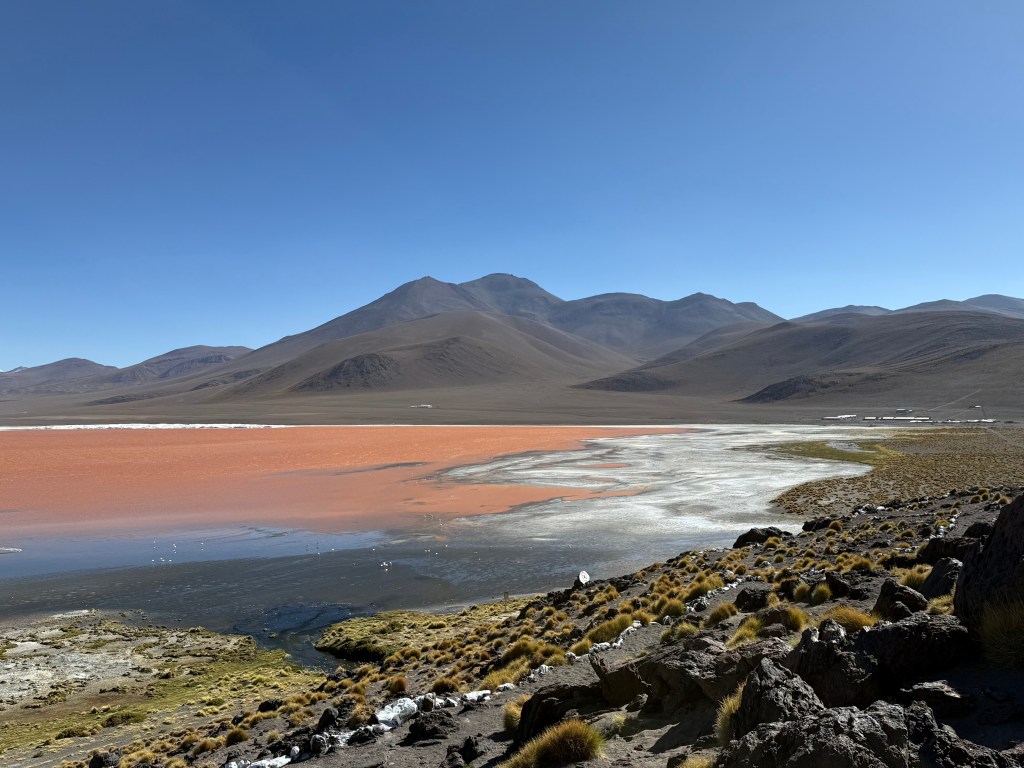
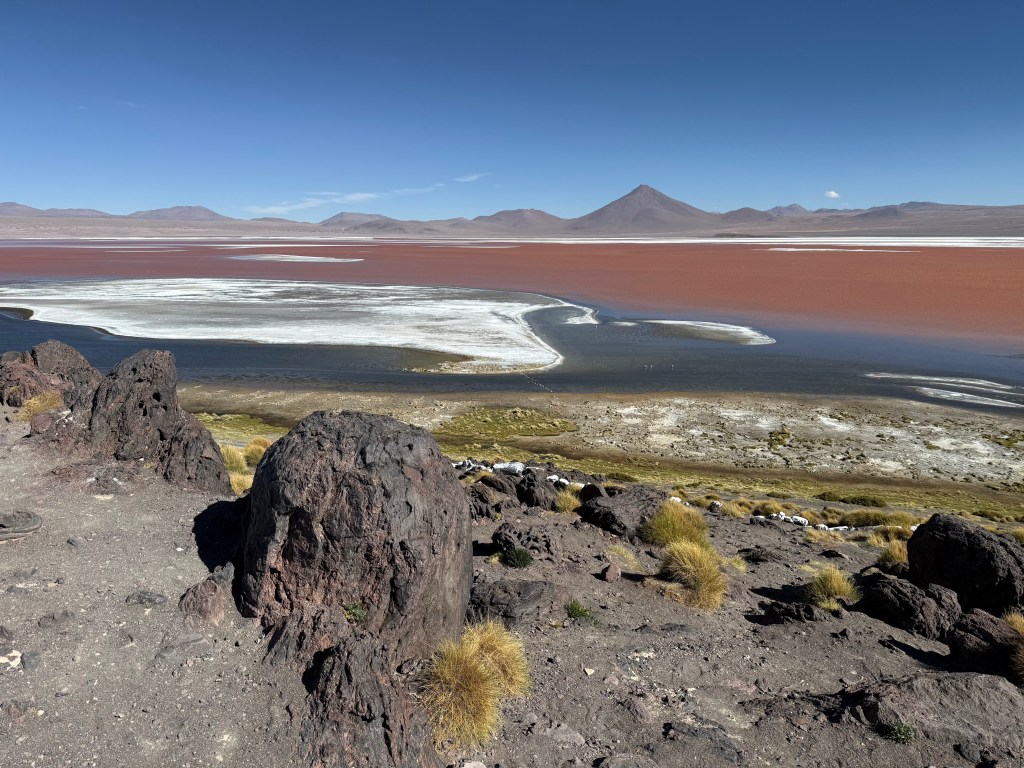
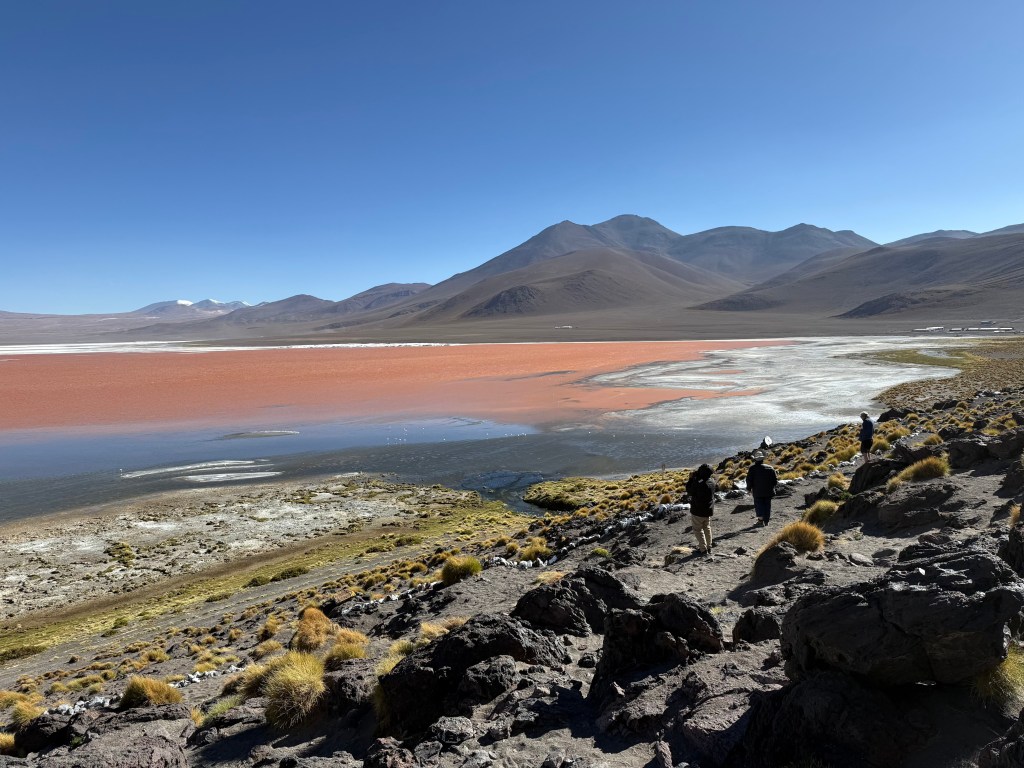
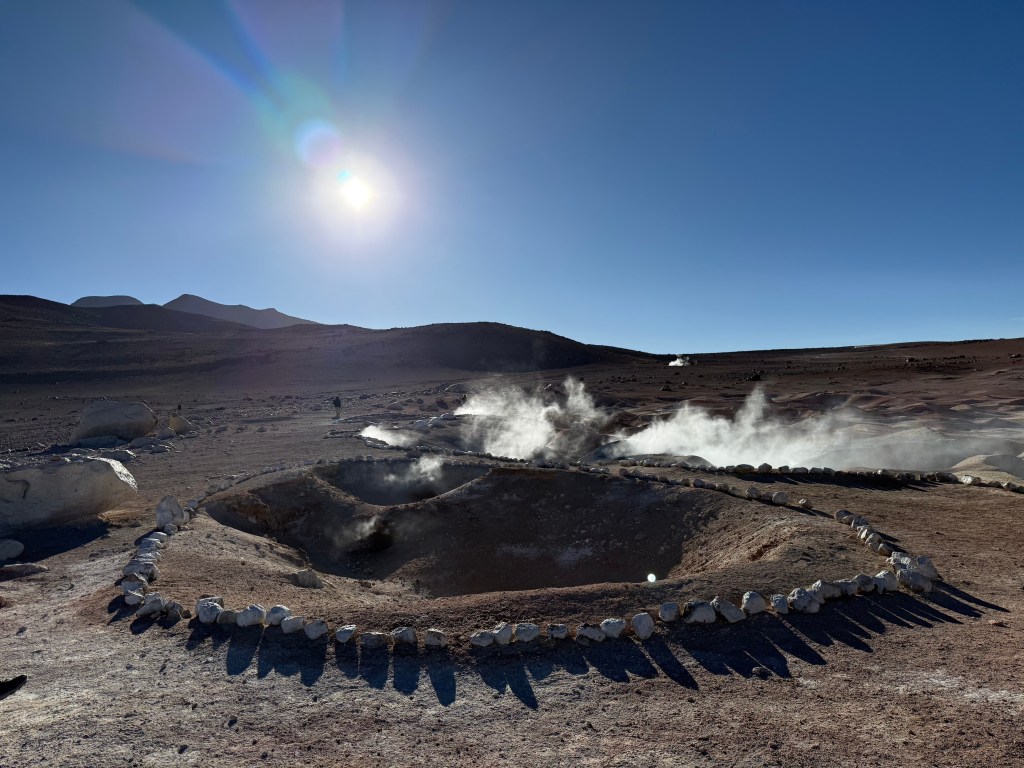
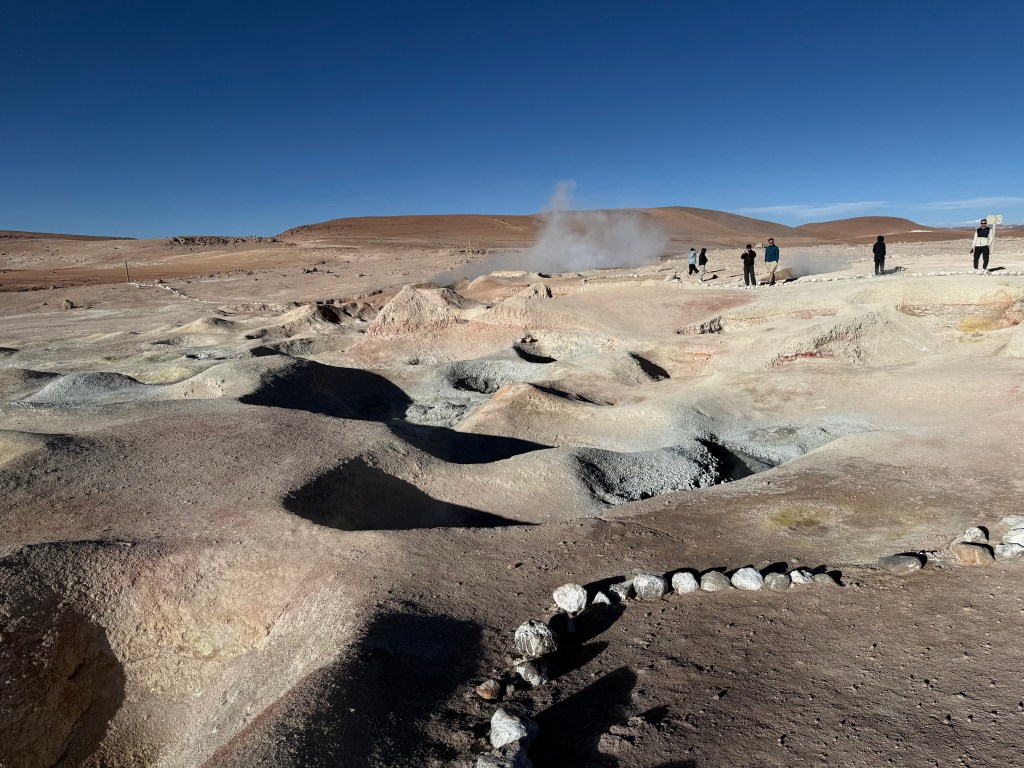
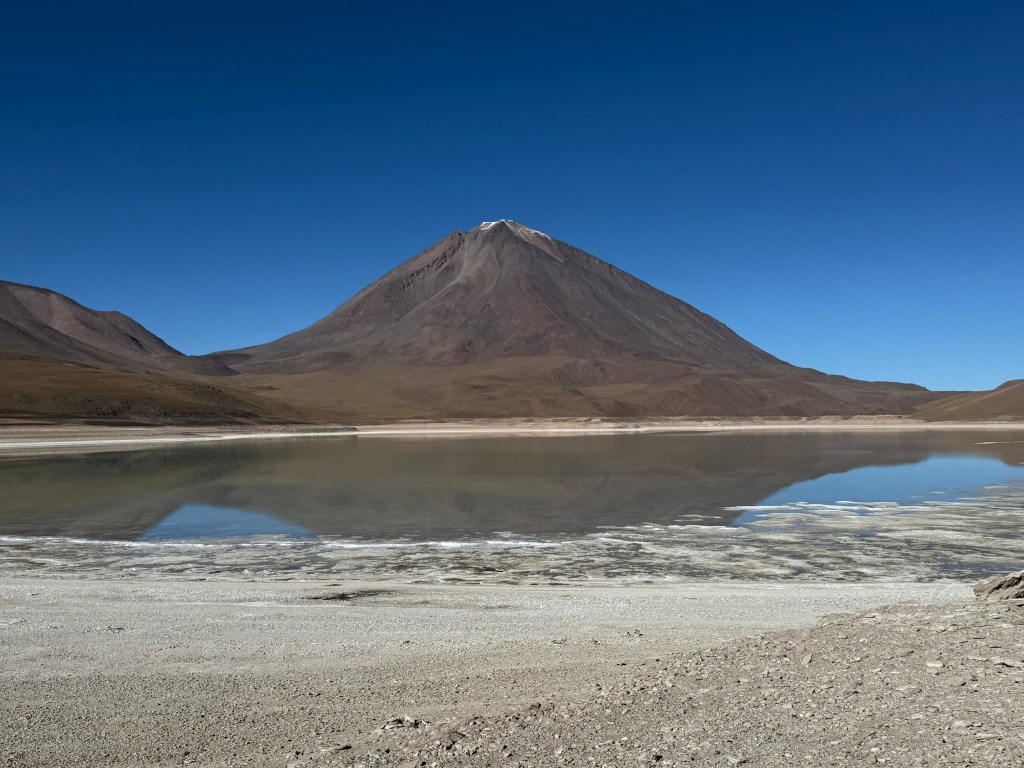
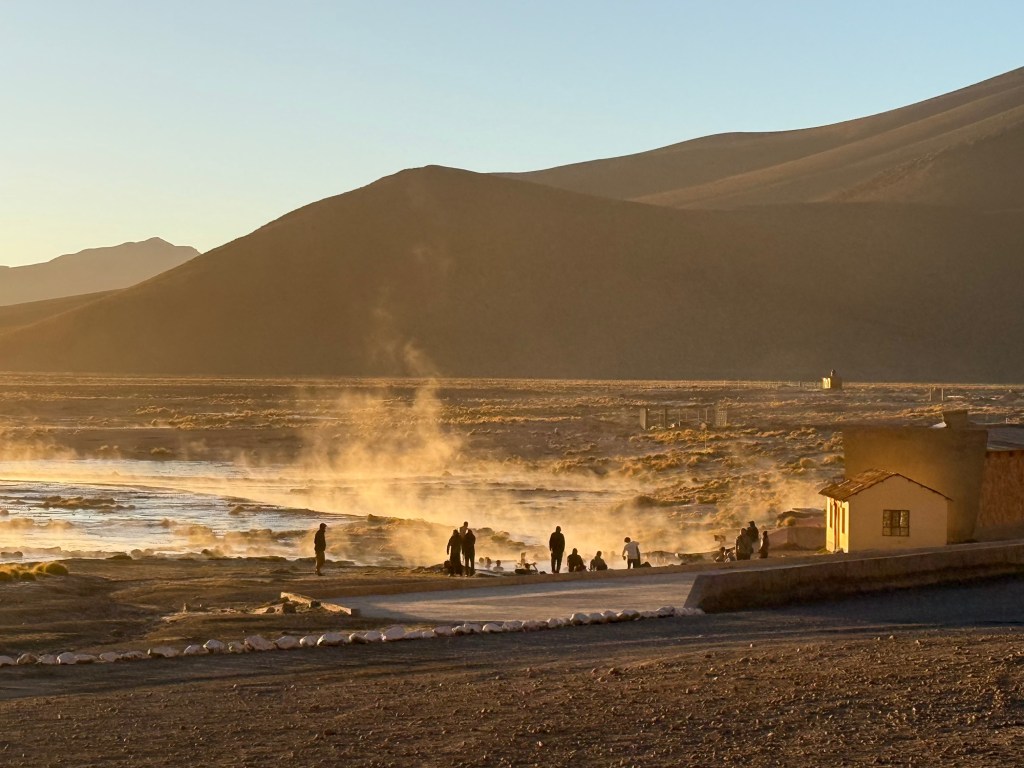
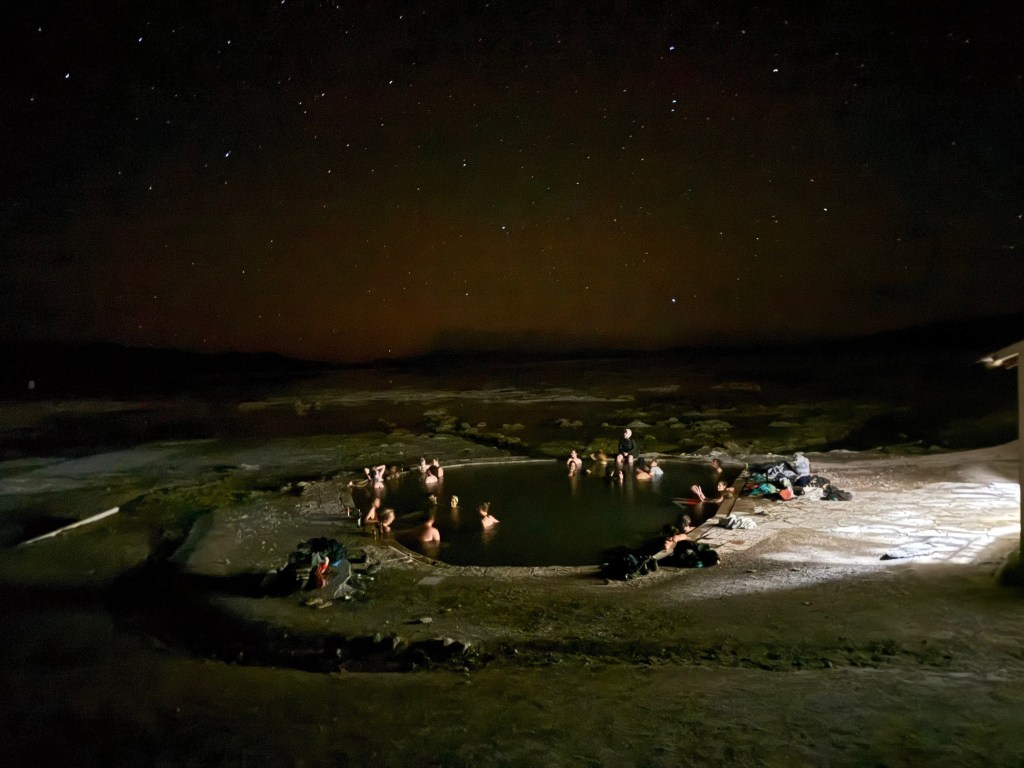
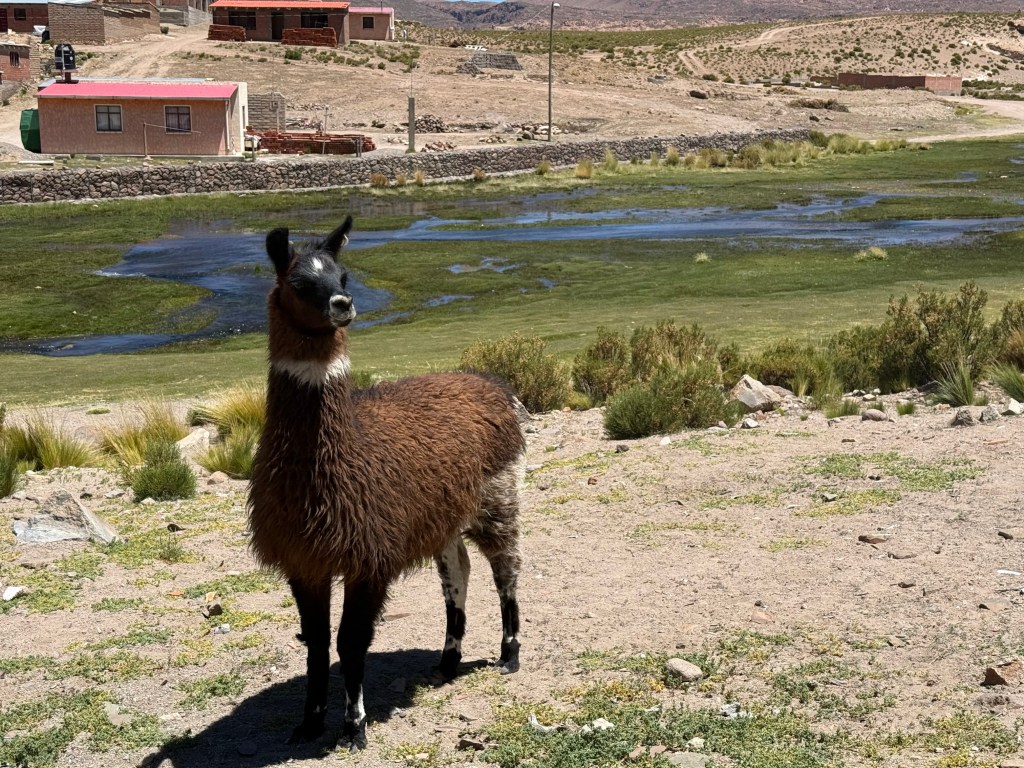
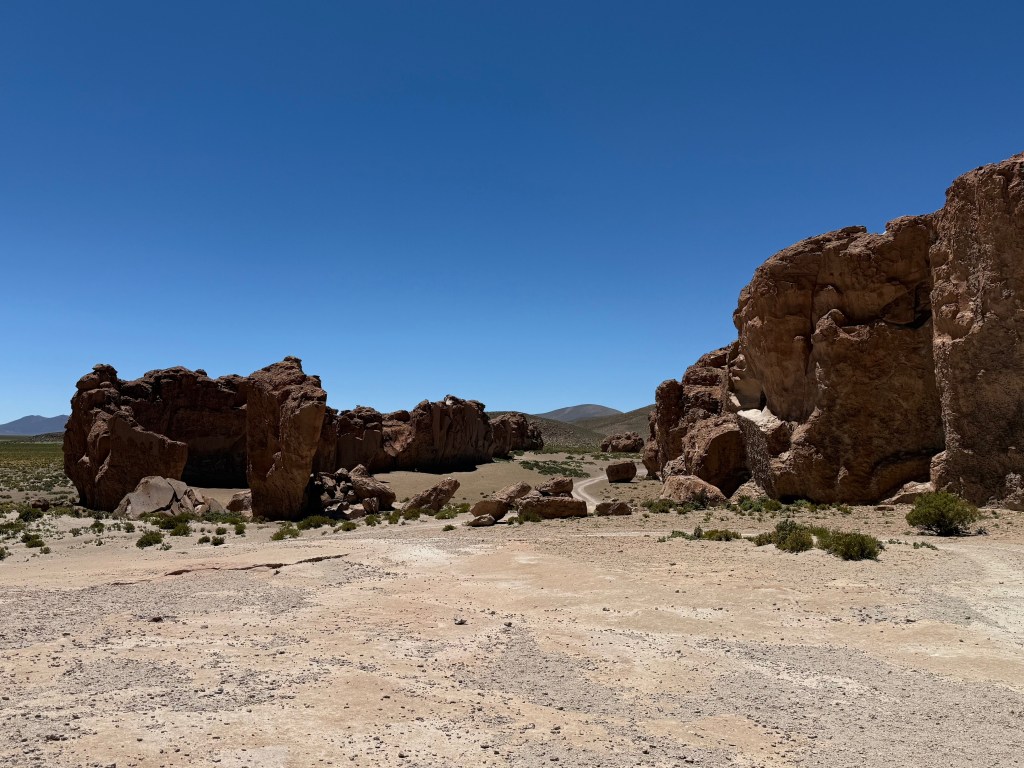
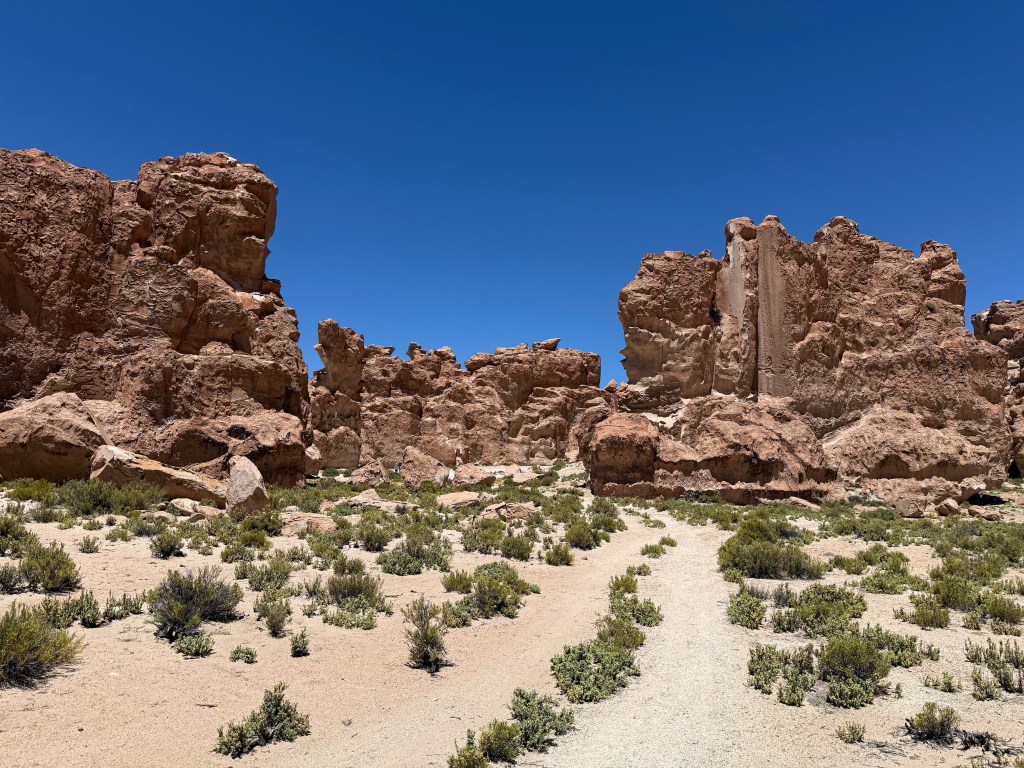
The third option is the 3 day tour. This is the one I chose and I would highly recommend this if you have 3 days to spare. The places I saw further south literally took my breath away. On all these tour options, they put the Salt Flats front and center. After our three day tour, I’d say the salt flats weren’t even the highlight. Day 1 of the 3 day tour is exactly the same as the day trips to the Salt Flats that start in the morning. You’ll be visiting the train cemetery, the salt factory, and Salar de Uyuni. If you plan on taking night shots at the salt flats, you need to book another separate tour since you’ll already be heading to the Salt Hotel by sunset. There are a couple of salt hotels, I’ve heard there’s even a fancy one. If you joined one of the more expensive tours, you might be spending the night on that one— unless you’re getting scammed 😅. On day 2, you’ll be heading to the Eduardo Avaroa Andean Fauna National Reserve, and the sights along the way are absolutely breathtaking. You’ll see a lot of mountains, volcanoes, unique rock formations and lagoons as you’re passing through the Silosi Desert. Inside the National Reserve, you’ll see Laguna Colorada, Laguna Cañapa, the Sol de Mañana Geyser Field, the Salvador Dali Desert, the Polques Hot Springs, and Laguna Verde among others. Depending on your guide, you’ll either pass through these attractions on day 2 or in the morning of day 3. You’ll spend the night inside the national reserve. Take note that accommodations inside the national reserve are very basic. There are no luxury accommodations so keep you expectations in check. There’s this couple in our group who kept complaining the entire night and it was so annoying. Electricity is limited— they’ll only turn on the generators at night. There are toilets but there are no showers… it’s real cold anyway, so why would you need one. And since the location is very remote, there’s no cellular service. Some accommodations have internet at night though and they charge 10-20 Bolivianos— great news if you really need to connect to the internet. I was glad to completely disconnect for a couple of hours though so I didn’t mind the lack of cellular service.
About the food provided, I’ve heard many travelers get diarrhea on these tours. They provide bottled water, so I don’t think the water’s to blame. Breakfast and dinner are cooked in each hotel, but because of the remote location of these accommodations, it’s possible that food isn’t properly stored during transport. Electricity doesn’t run all day in many hotels, so there’s a chance for food to get spoiled when the refrigerators aren’t on. Lunch is made in the morning and then packed. So it’s possible for food to spoil if these weren’t packed properly. For the record, none in our group got diarrhea. It’s just something to take note of, so bring medications for diarrhea just in case.
If you plan on heading to San Pedro de Atacama in Chile instead of heading back to Uyuni, you can be dropped off near the border. They’d drop you off early in the morning of day 3 though so you’d miss some stops included in the tour. Remember that you cannot bring any produce to Chile. One traveler I’ve met forgot that she had an apple on her bag and she had to pay a whopping USD 300 at the border!
From Uyuni, it’s easy to head elsewhere. There are lots of night buses heading to La Paz and Sucre daily. If you want to check out Potosi, buses leave in the morning and afternoon.
This three day tour is something I’d recommend to every traveler. The places you’ll see are incredible. I have been traveling a lot for more than a decade now and I’ve seen many beautiful places. It takes a lot to wow me these days, and the places I’ve seen on this tour did. Plan your trip to Bolivia properly so you’ll have three days allotted for this tour. You surely won’t regret it.
 no roads to follow