
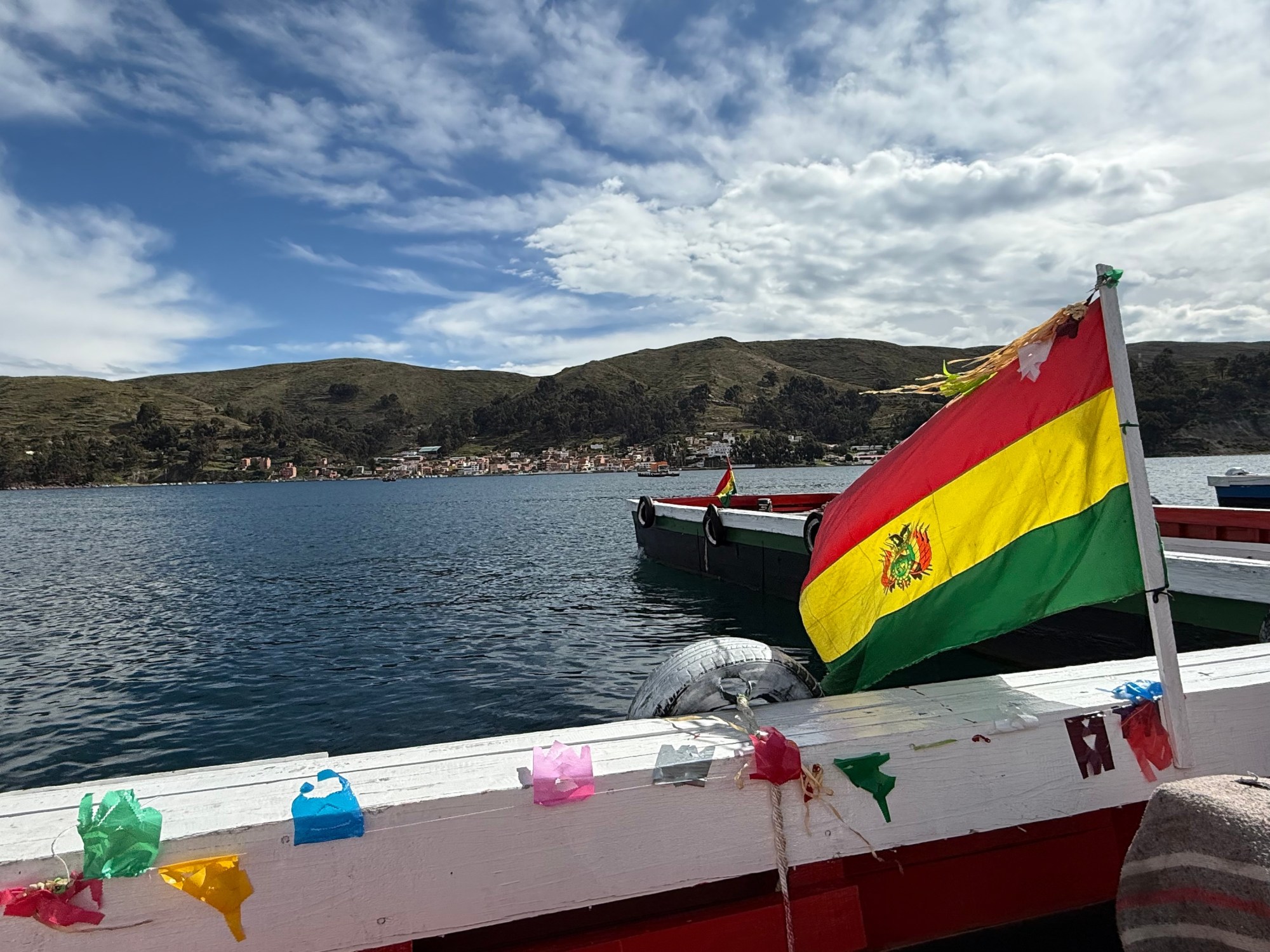
Lake Titicaca, located on the border of Peru and Bolivia, is the world’s highest navigable lake and it is also the largest lake in South America. It is considered the birthplace of Inca Civilization. Many travelers who visit both Peru and Bolivia pass through this lake when they travel between these two countries. Even if you’re not crossing the border from Peru, it’s close enough to La Paz so it’s real easy to include Lake Titicaca in your Bolivia itinerary.
If you don’t have much time, many day trips are offered from La Paz. Check what’s included on each tour, because these can differ depending on the tour operator. Some trips just take you to Copacabana. You’ll walk around town, have lunch somewhere (usually fresh trout on one of those floating islands).. and then you’ll be back in La Paz by sunset. Some tours include Isla del Sol. Obviously you won’t be able to spend as much time in Copacabana if you join these tours, but I’d say it’s worth spending less time in town if you’ll be able to visit Isla del Sol. In my opinion, if you’re planning a day trip to Lake Titicaca, tours including Isla Del Sol is the best option. These tours take the entire day— you’ll leave before 6 AM and you won’t be back in La Paz until around 10 PM. These cost about USD 50-60 (using official exchange rates) which is a pretty good deal. This includes fees for all transportation including ferries. You just have to bring money for food, for the entrance to Isla del Sol (just 20 Bolivianos), and for tips. Keep in mind that you’ll be spending most of the day in transit— you’ll either be on a bus or on a ferry most of the time. But if you really don’t have time to spare, these day trips are a great way to see this part of the country. You can visit Isla del Sol on a day trip on your own, but it’s gonna be difficult. Why? Because the ferry and bus schedules do not really align. The last ferry from Isla del Sol to Copacabana leaves at 4:00- 4:30 PM. The ferry ride takes at least 90 minutes. The last bus from Copacabana to La Paz leaves at 6 PM. Sure if the ferry leaves at exactly 4 PM you can make it— it’s only about a ten minute walk from the port to the “bus terminal” in the central square. If you plan on doing a day trip on your own, be prepared for the possibility of missing that last bus and spending the night in Copacabana. If you absolutely cannot risk missing that last bus back to La Paz, just join a tour if you only have time for a day trip.
What I would actually recommend is staying for at least 2 nights in the area because there’s so much to explore. It’s easy to do this on your own. Head to the central bus terminal in La Paz and purchase a ticket to Copacabana. It only costs about 50-60 Bolivianos each way and the trip takes about 4 hours. The first bus leaves at 7 AM, and I would recommend taking the first bus if you plan on heading to Isla del Sol on your first day. The last ferry to Isla del Sol leaves at 1:30 PM daily. You’ll have plenty of time to spare before the last ferry leaves. If you plan on spending a night in Copacabana, you can take a later bus.
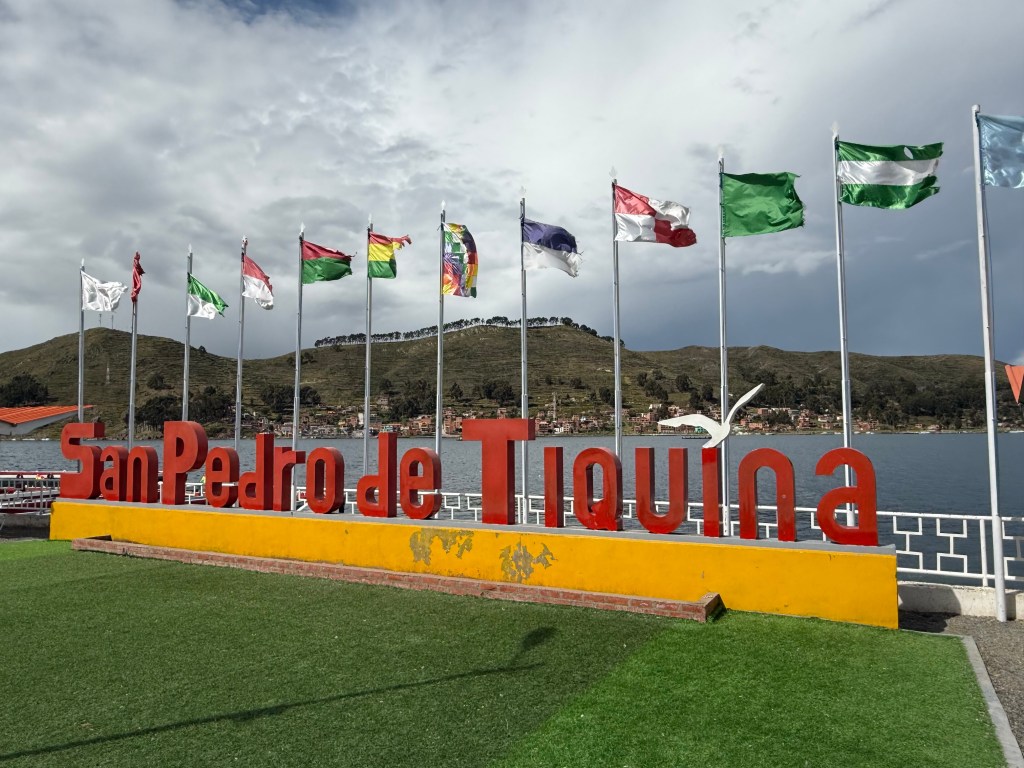
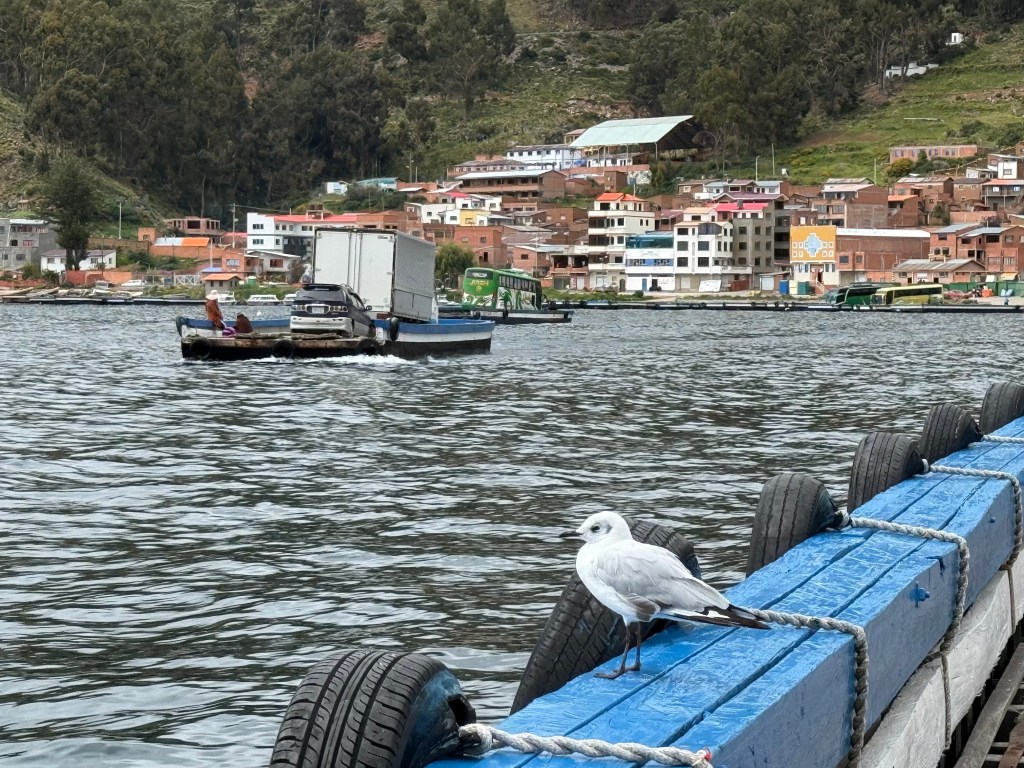
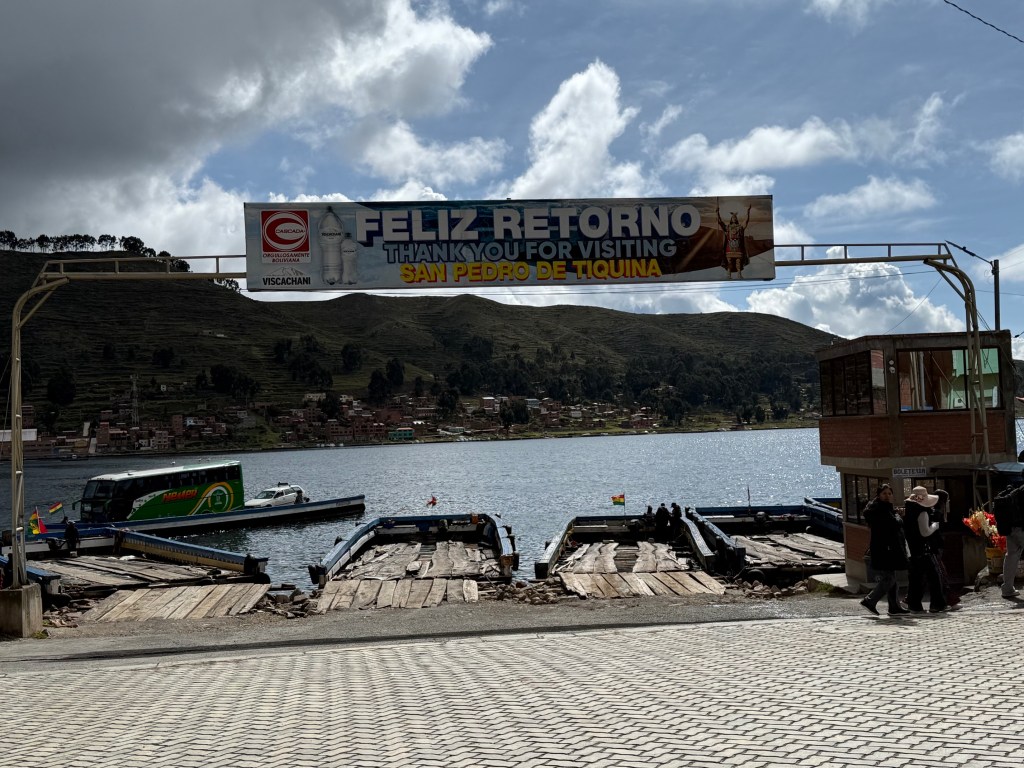
The trip to Copacabana is pretty interesting. When you reach the Strait of Tiquina, everyone gets off the bus and transfers to a ferry because there is no bridge connecting San Pablo de Tiquina to San Pedro de Tiquina. This is a short ferry ride, it only takes about 15 minutes. The bus boards a large wooden barge. Because of its size, it takes longer for the barge to cross. You could walk around and explore a bit while waiting, but don’t walk too far because unlike organized tours, these public buses won’t wait for you. Some people spend a night in San Pedro de Tiquina. Unlike Copacabana, this isn’t a touristy town, so you may want to spend a night here if you want to experience the real Bolivia. There’s not a lot to see and do here though. The following day, just head back to the Tiquina Crossing and wait for another bus that’s going to Copacabana.
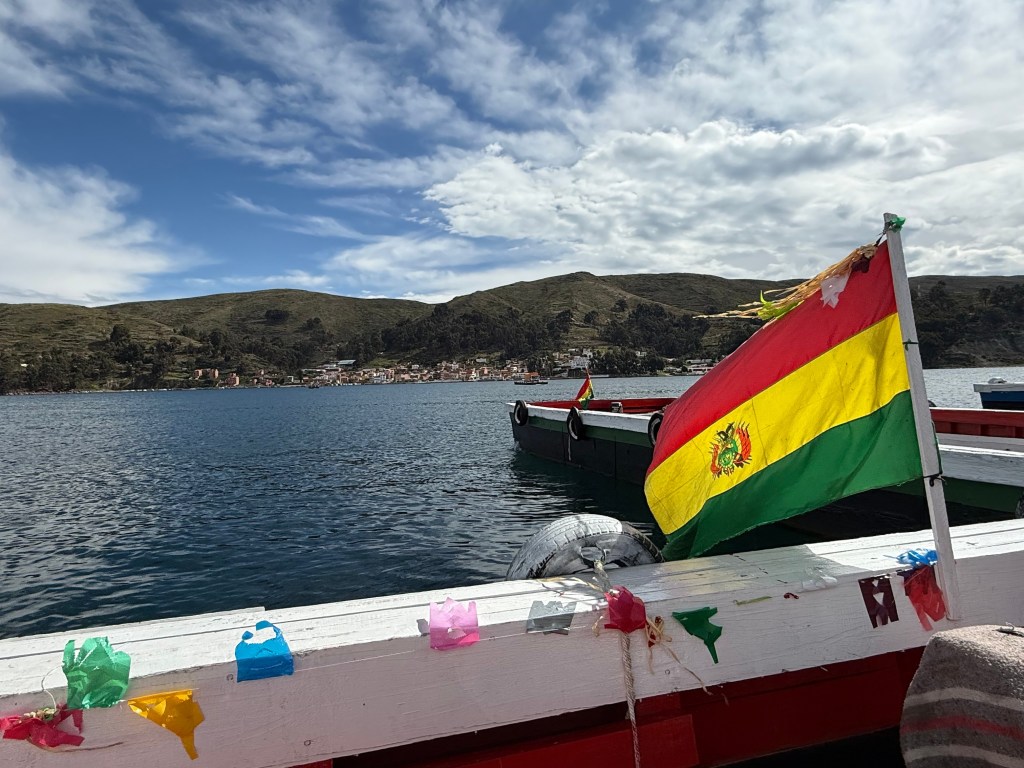
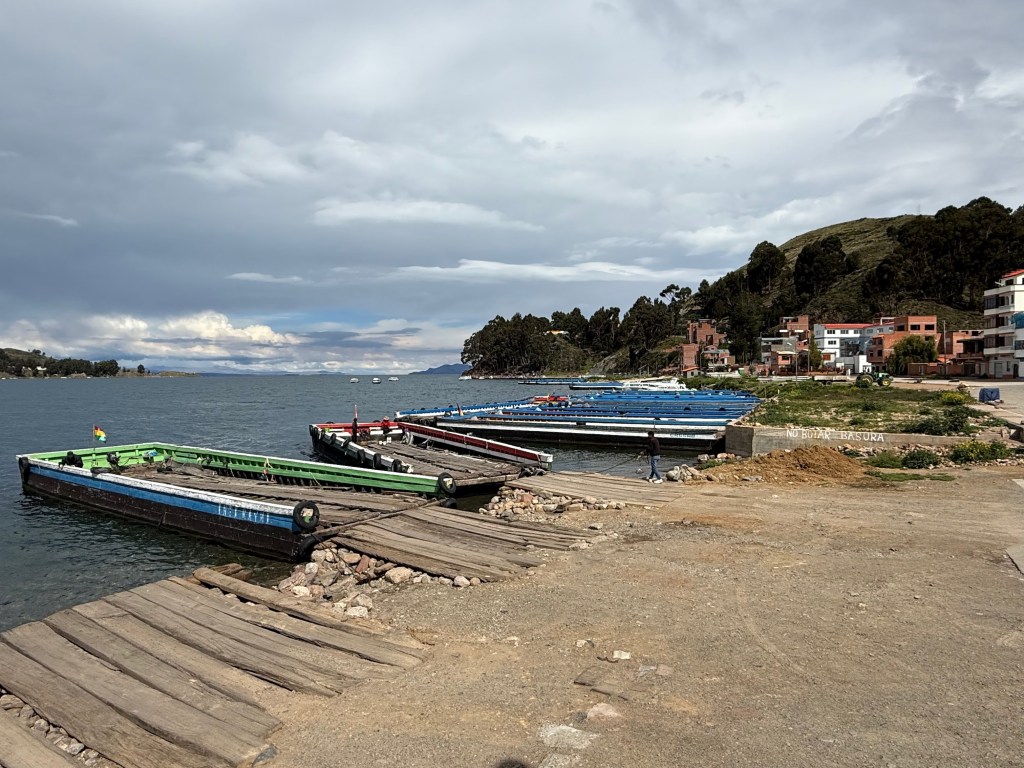
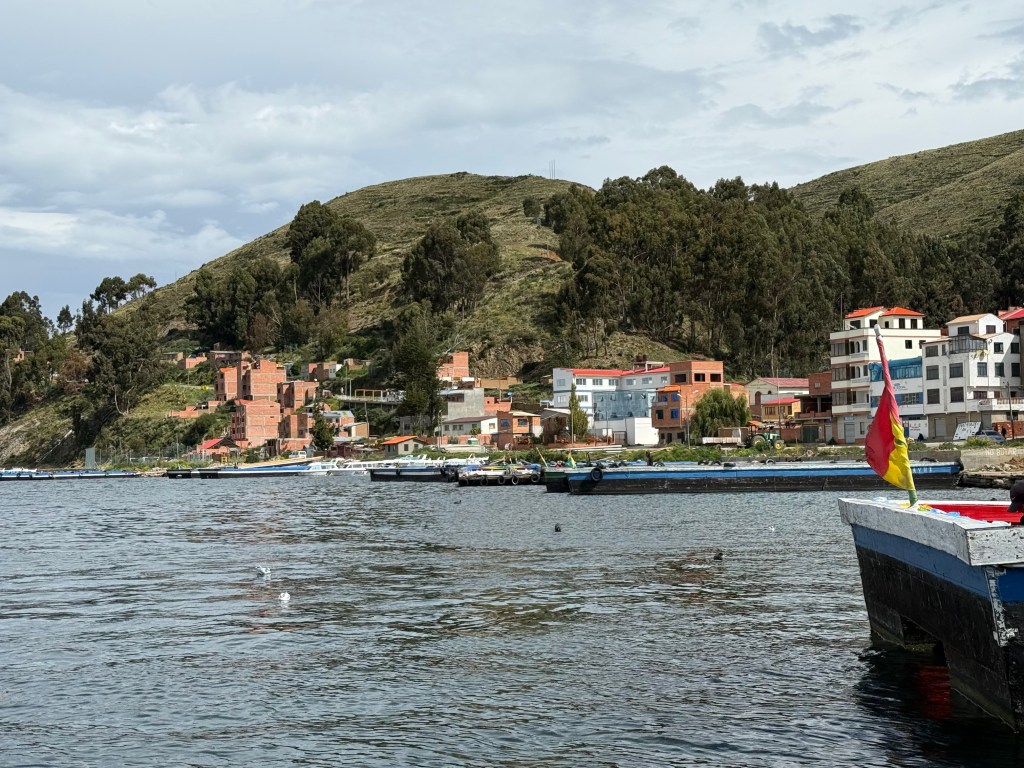
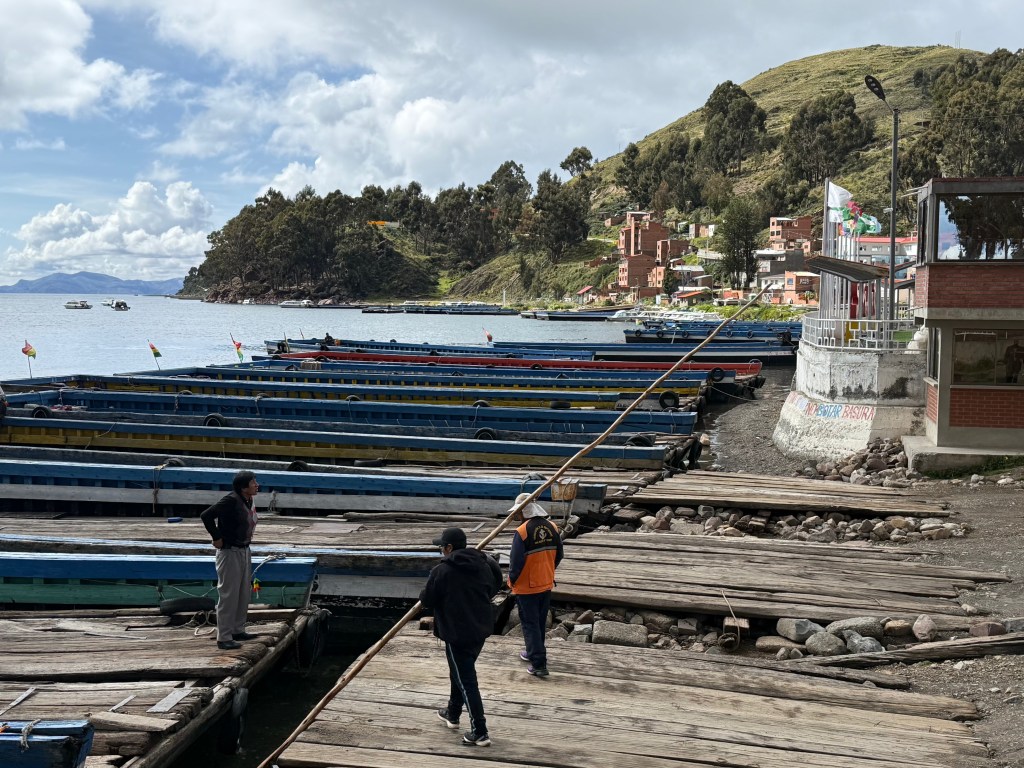

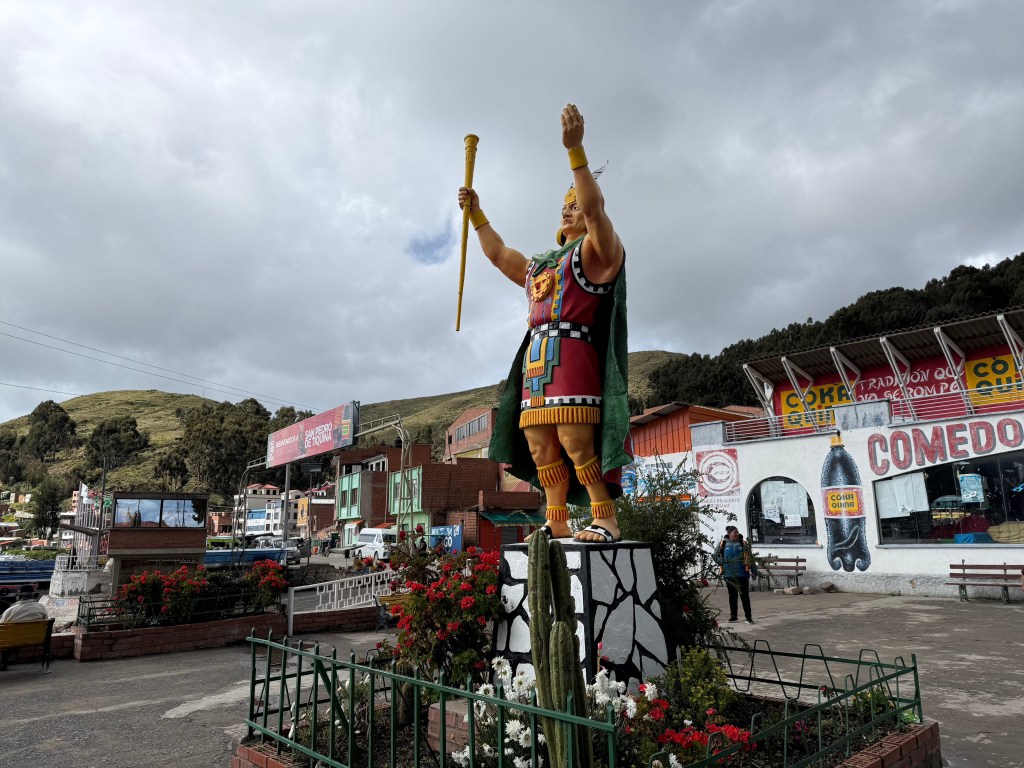
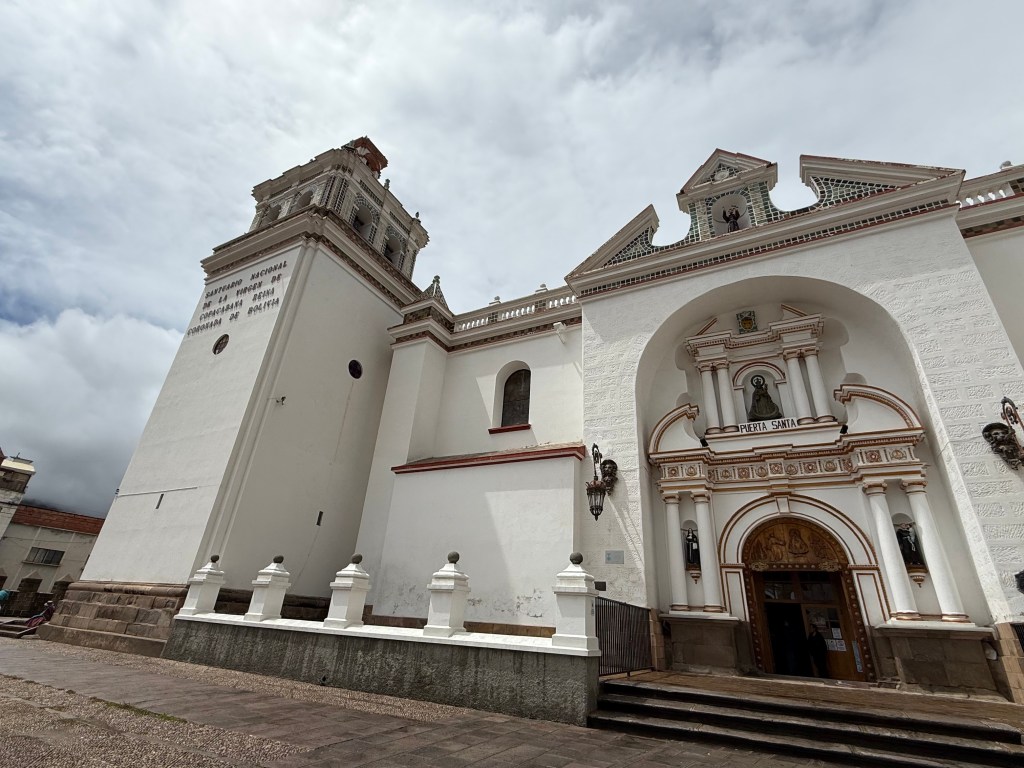
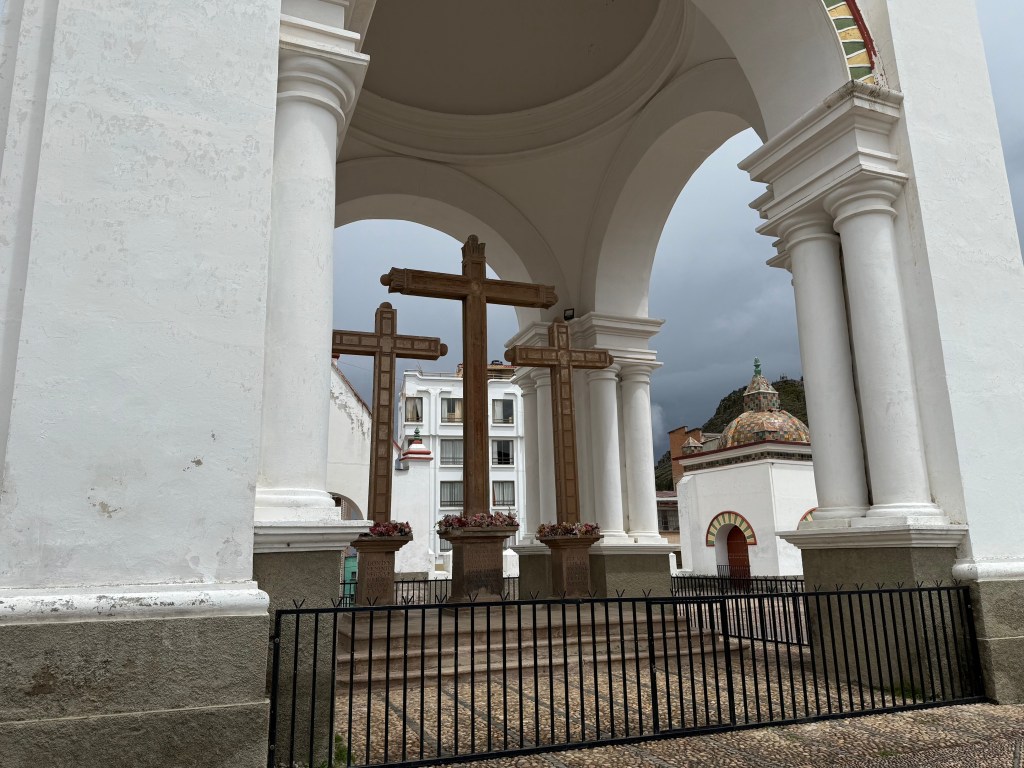
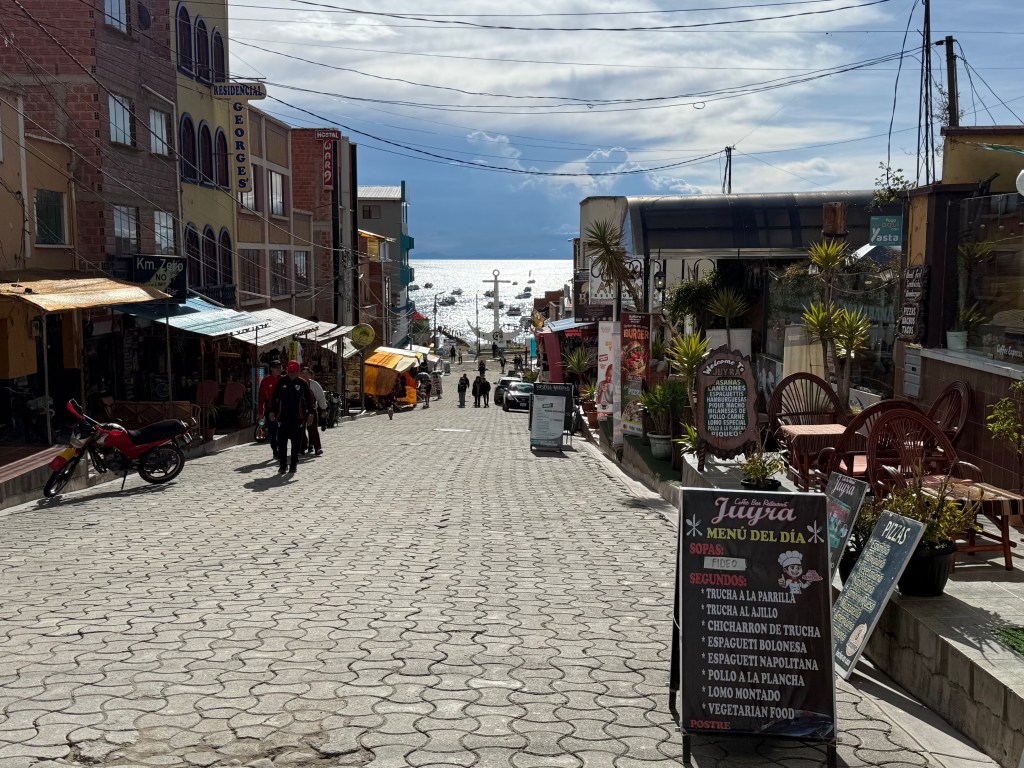
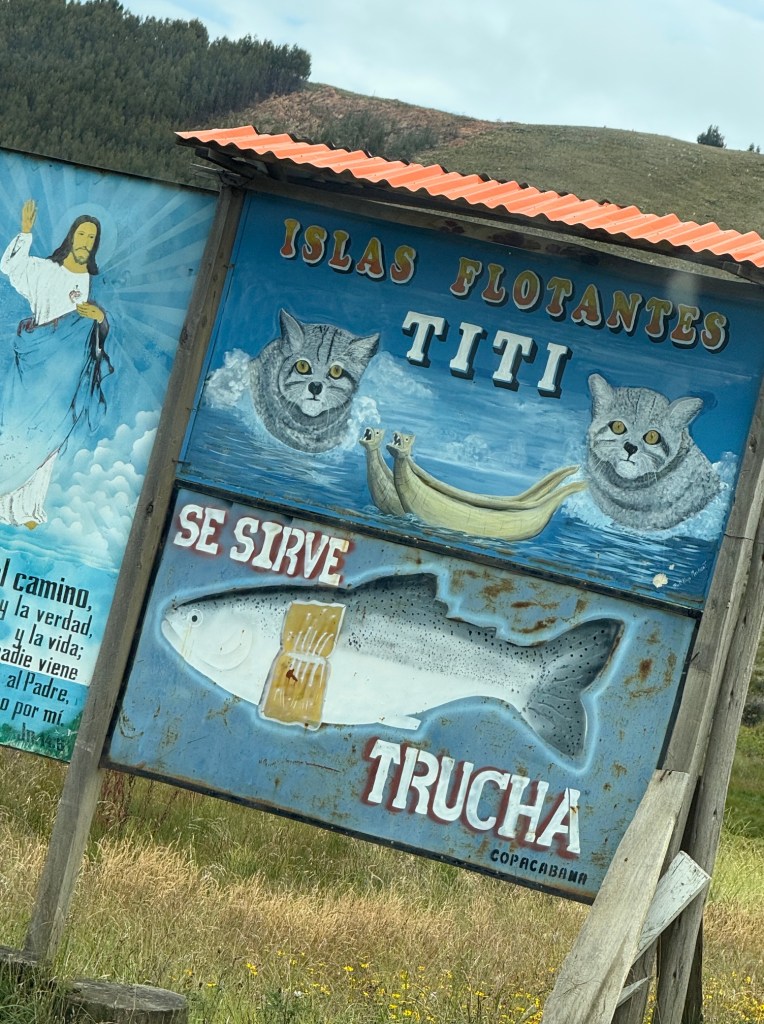
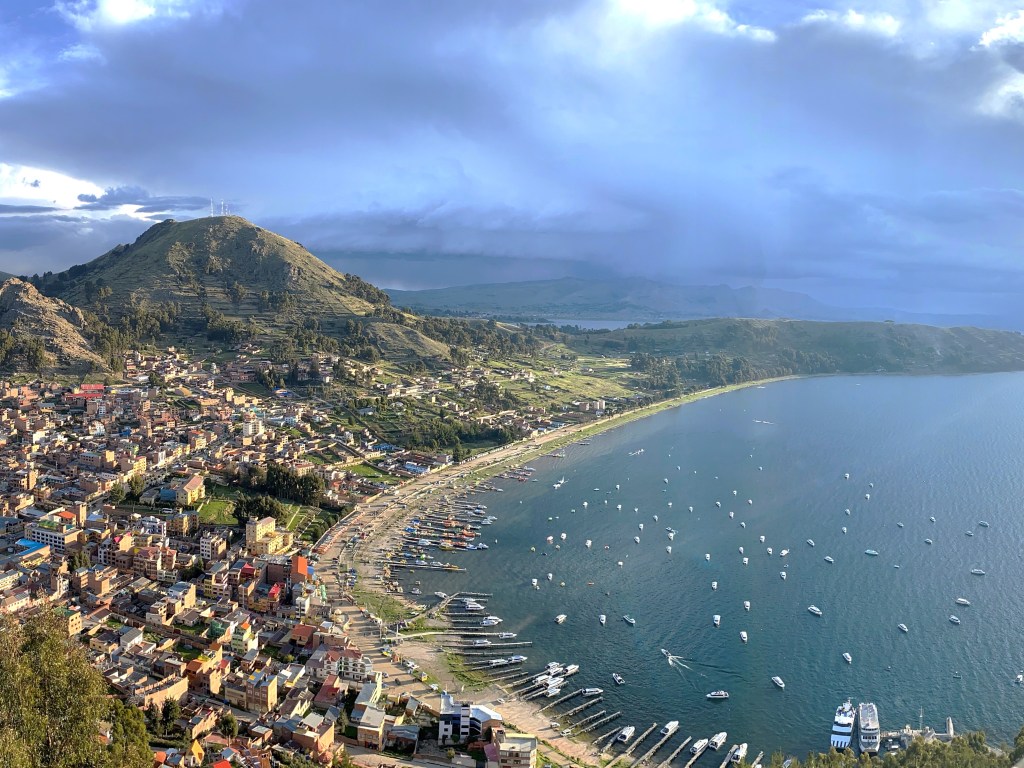
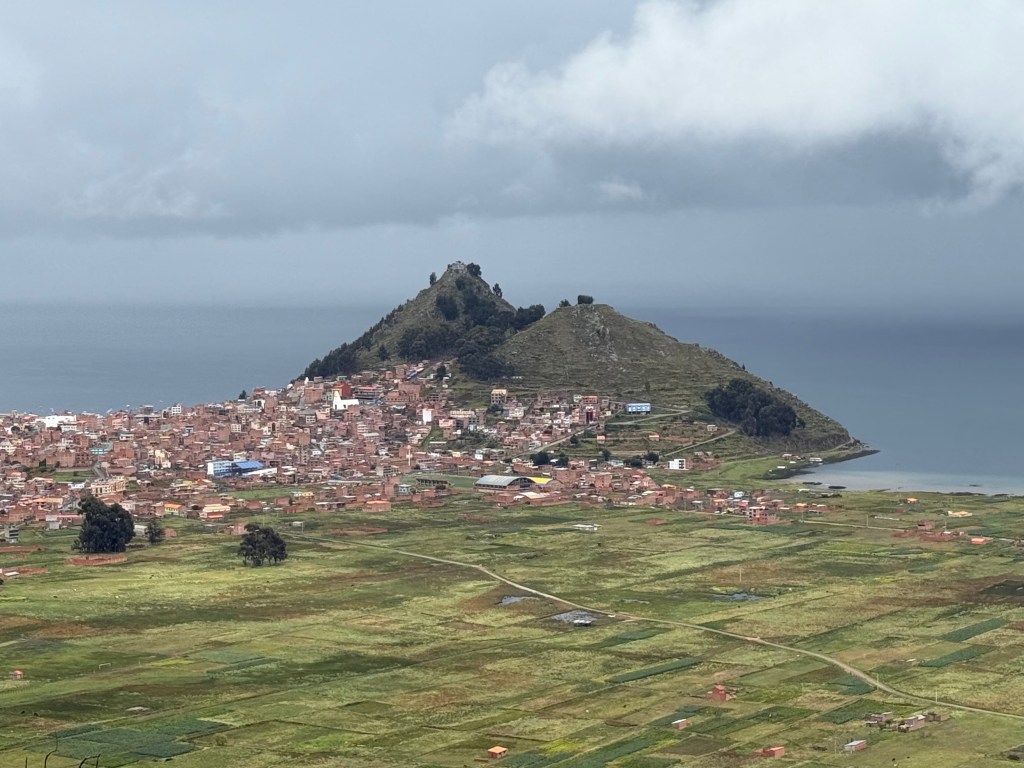
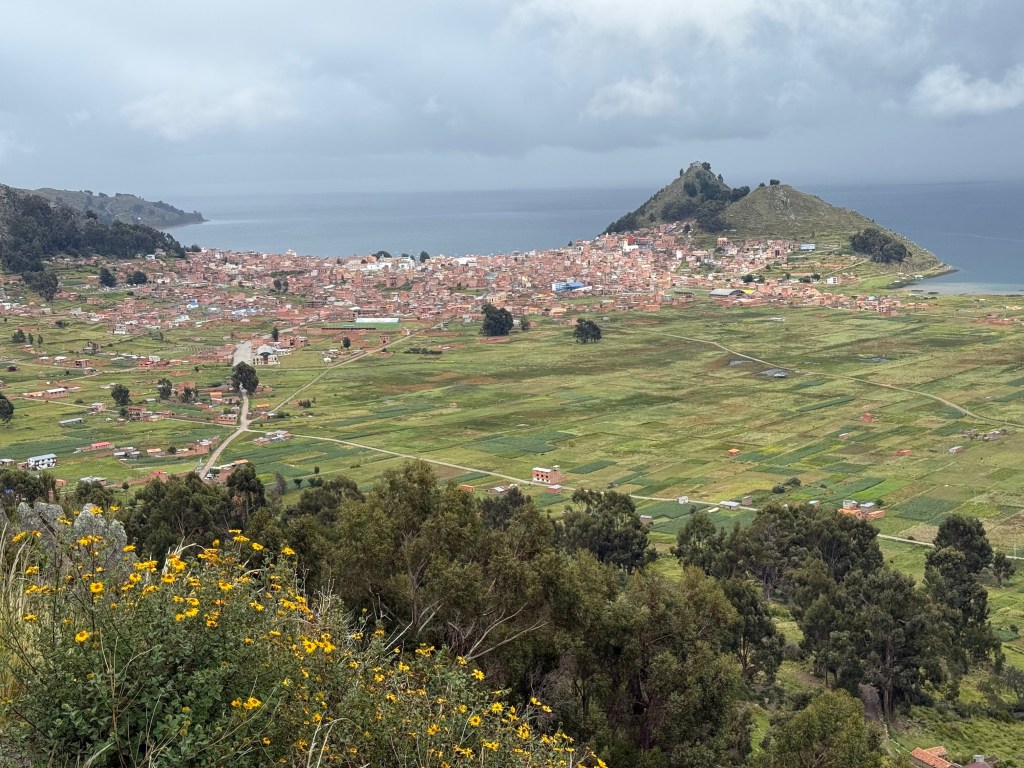
Copacabana is a small town. If you ask me, I wouldn’t spend much time here. Maybe it’s just me, but I found it too touristy. No surprise there, it’s Bolivia’s gateway to Lake Titicaca after all. Since it’s a small town, you’d see all attractions in a single day. There’s the church, the central square, and a couple of beaches. You can hike up the hill (Cerro Calvario) for a killer view of the entire town. You can have lunch in one of those islas flotantes. In Bolivia, those floating islands that are made of layers of cut totora are restaurants— unlike in Peru where people actually live on those artificial islands. I didn’t find the beaches in Copacabana pretty, so I couldn’t imagine staying here for a number of days just chilling. Some people like it though. If you’re thinking of staying here for a couple of days, maybe just book a single night first and see how you like it.
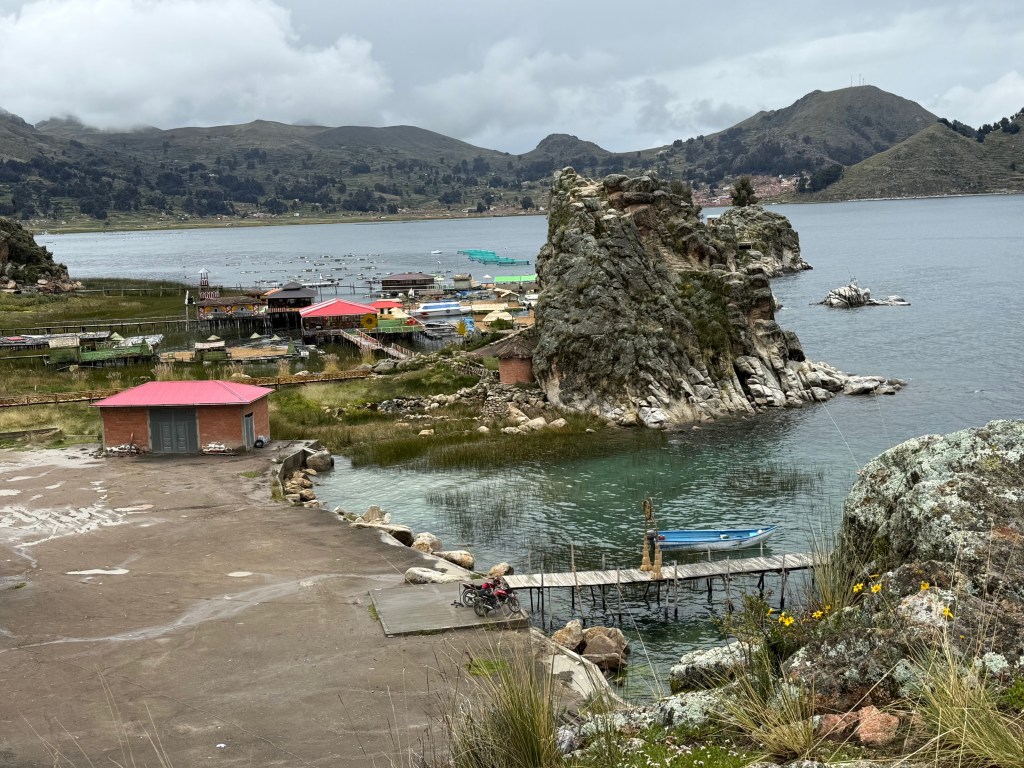
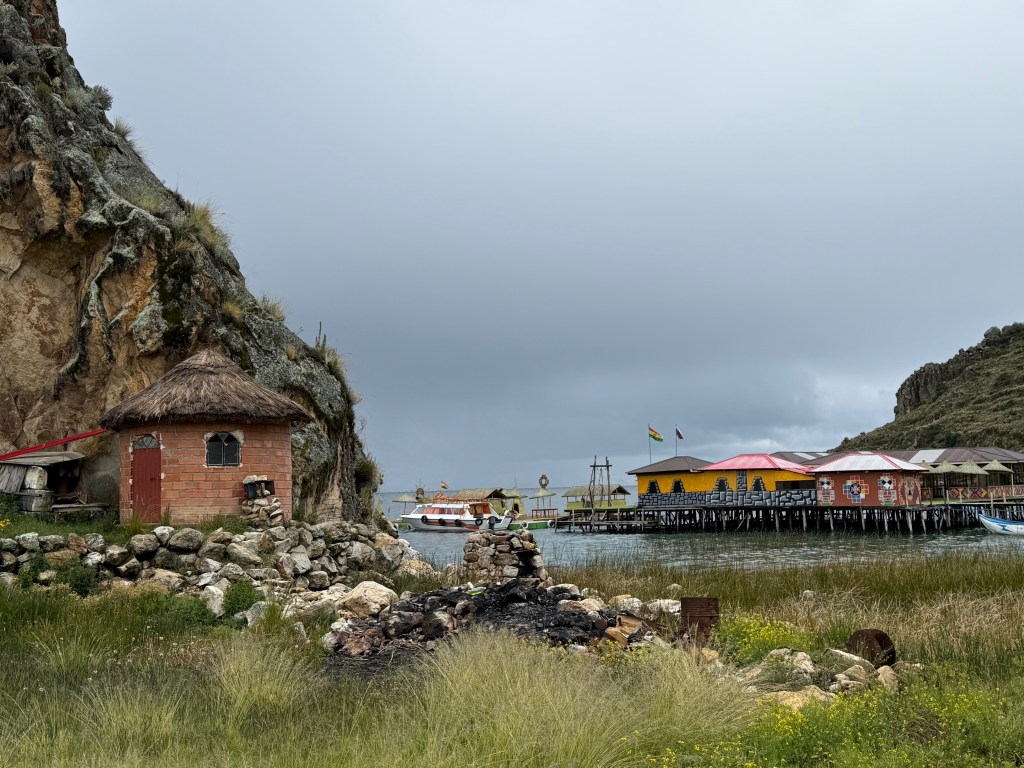
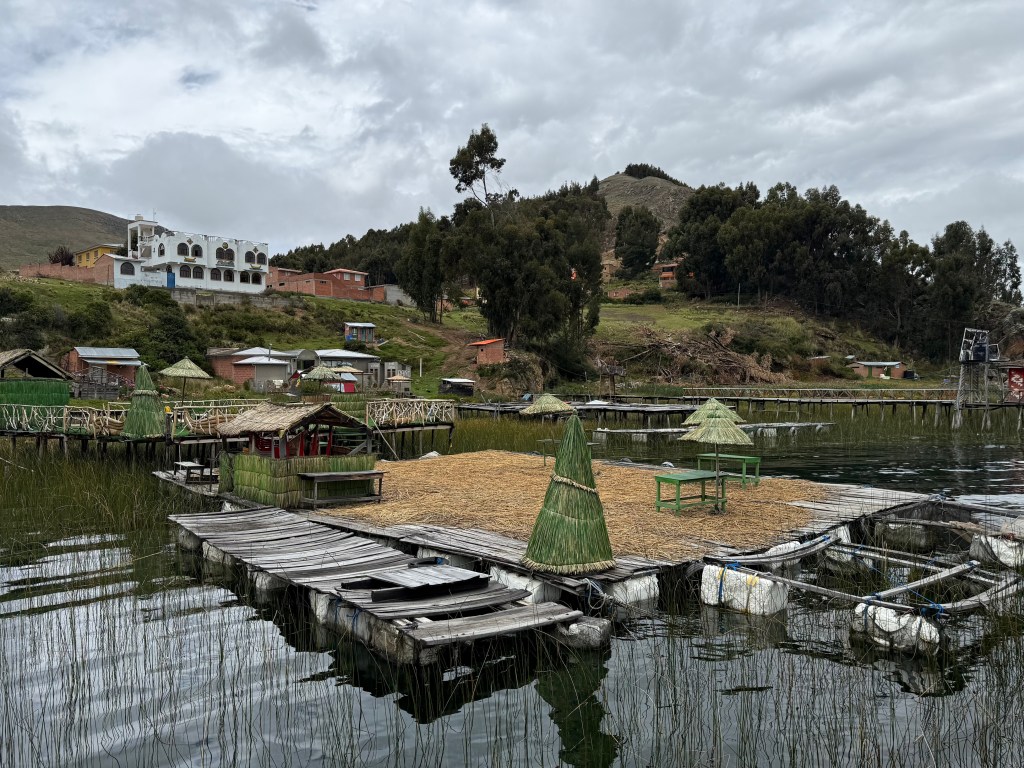
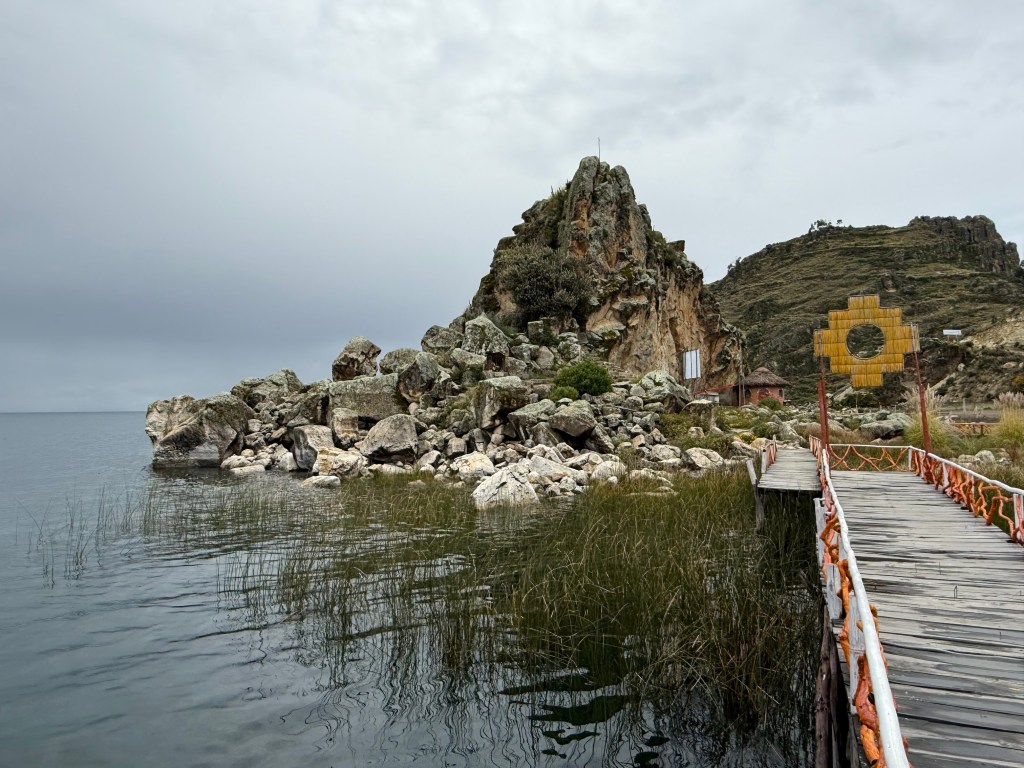
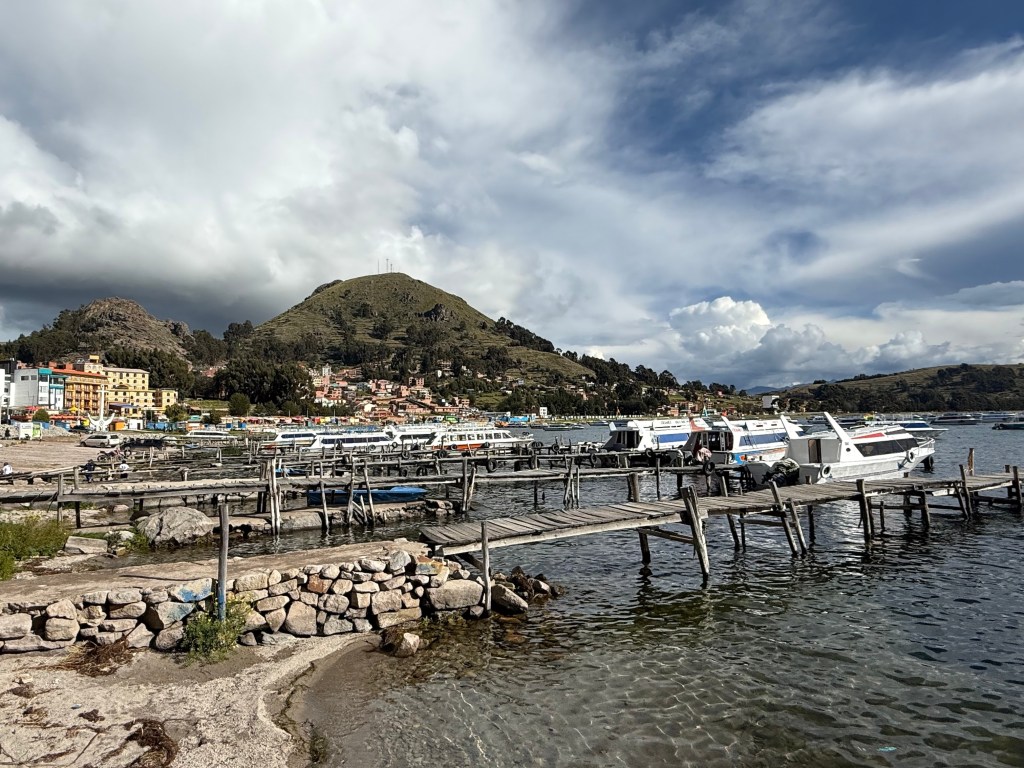
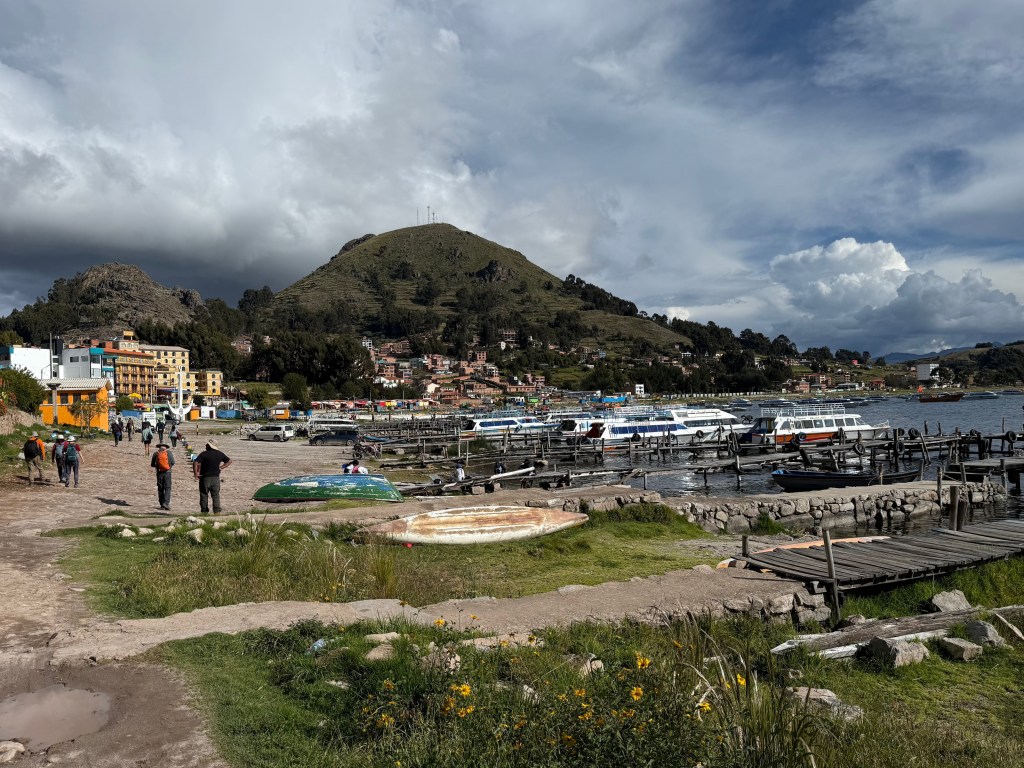
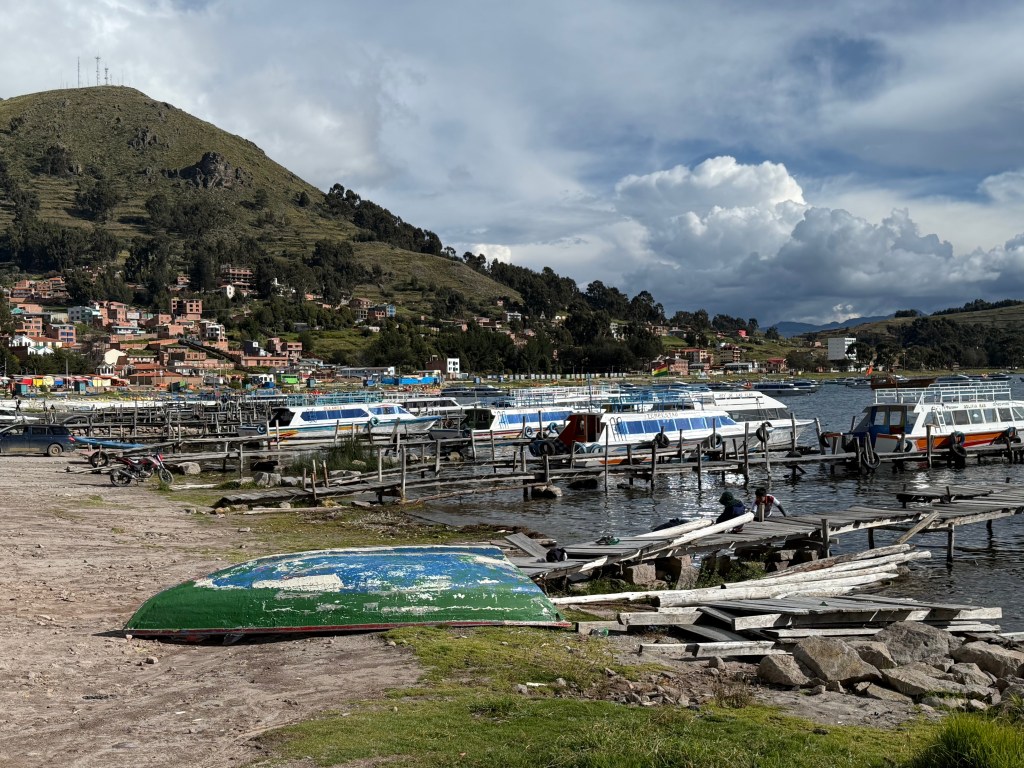
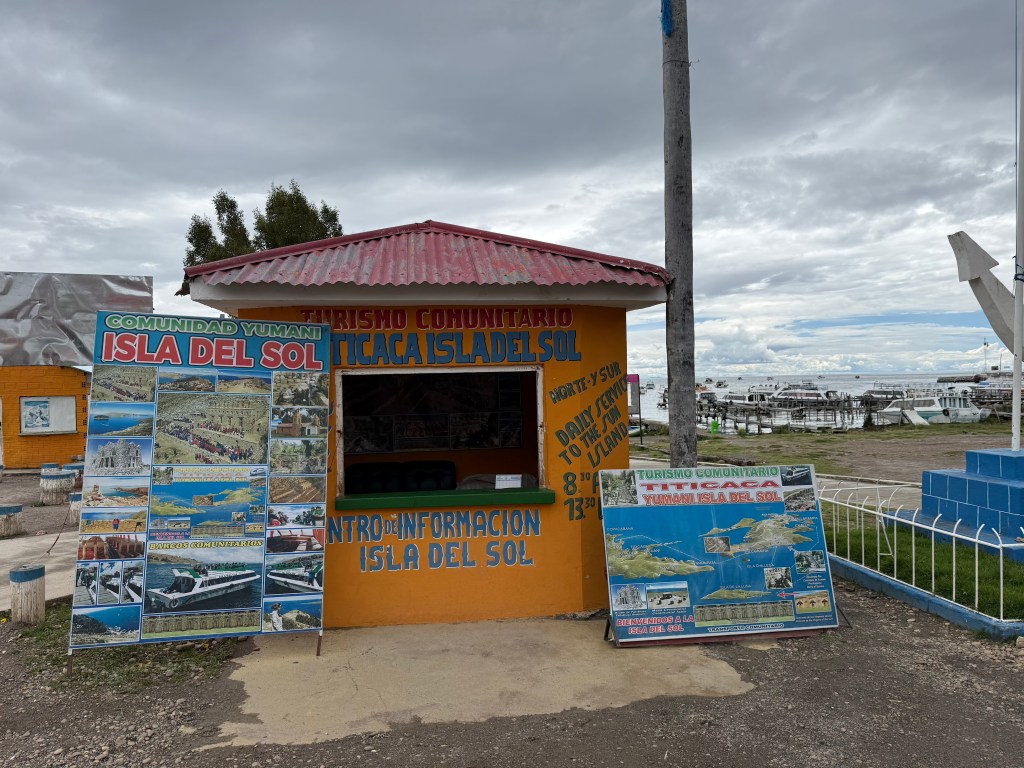
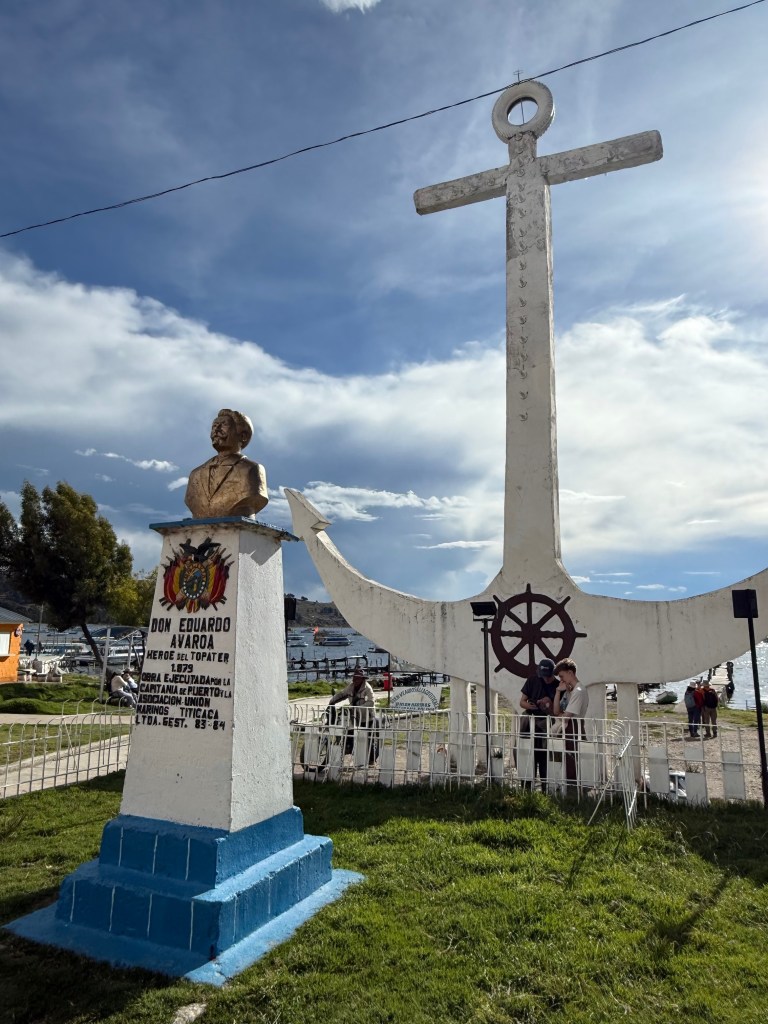
As I’ve mentioned above, if you catch the first bus from La Paz, you can head straight to Isla del Sol. It’s laid back and you’d get a more authentic experience. There are lots of hiking trails and Inca ruins, and you’d get to interact with the indigenous community— these people still practice traditional customs. Back in 2017 there was a conflict between the northern and southern communities, and tourists were not allowed to enter the northern part of the island. Long story short: the northern communities were against the building of cabins that were too close to the Inca ruins. They ended up blocking the access to more than half of the island. These days, the conflict has been resolved so tourists are free to explore the entire island once again. The Incas believed that the Sun God was born on this island, hence the name Isla del Sol. To get here, just head to the main port in Copacabana— there’s a huge white anchor monument, you can’t miss it. It costs 30 Bolivianos each way. There are 2 ferries leaving from Copacabana everyday. The first one leaves at 8:30 AM, the second one leaves at 1:30 PM.
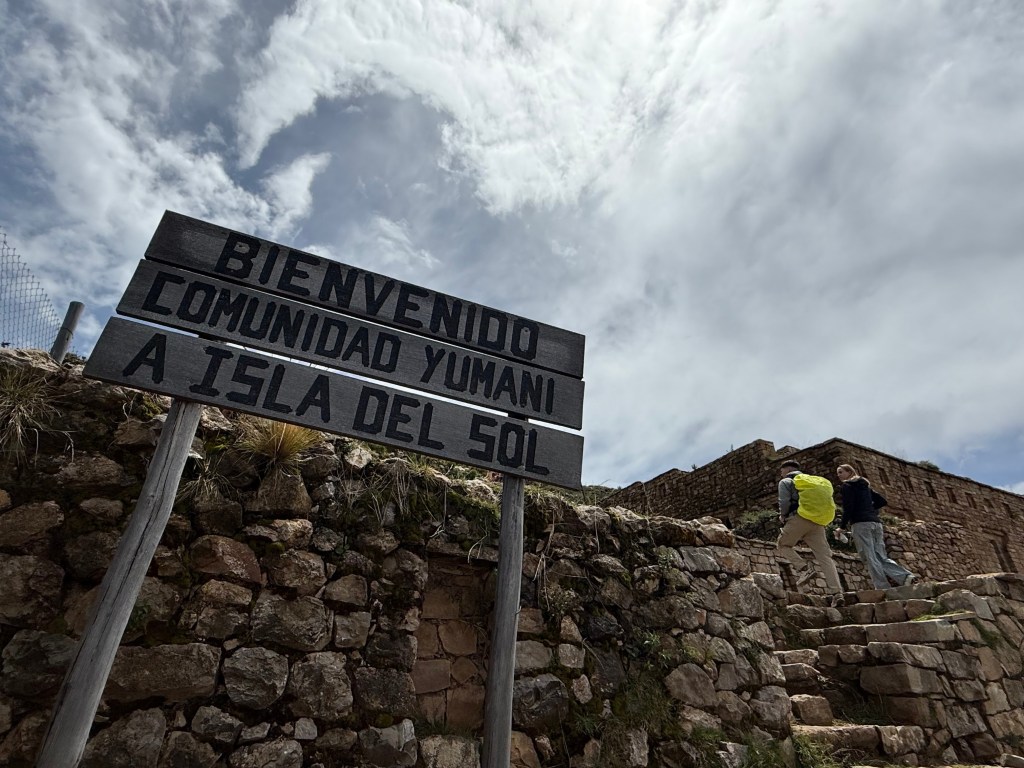
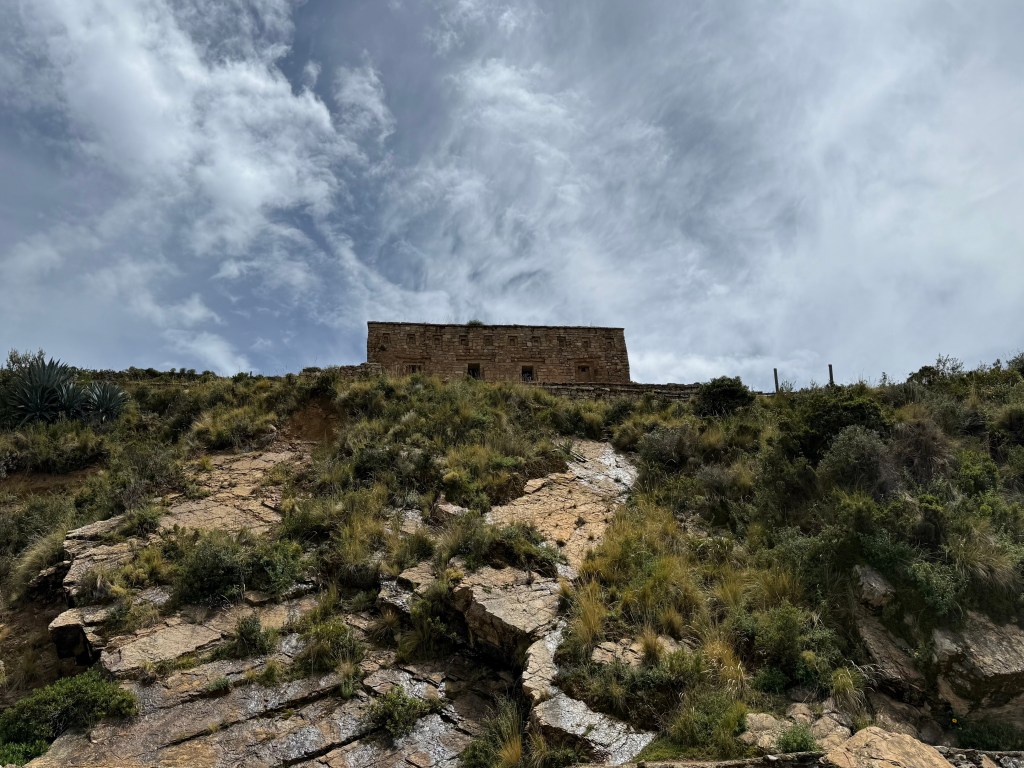
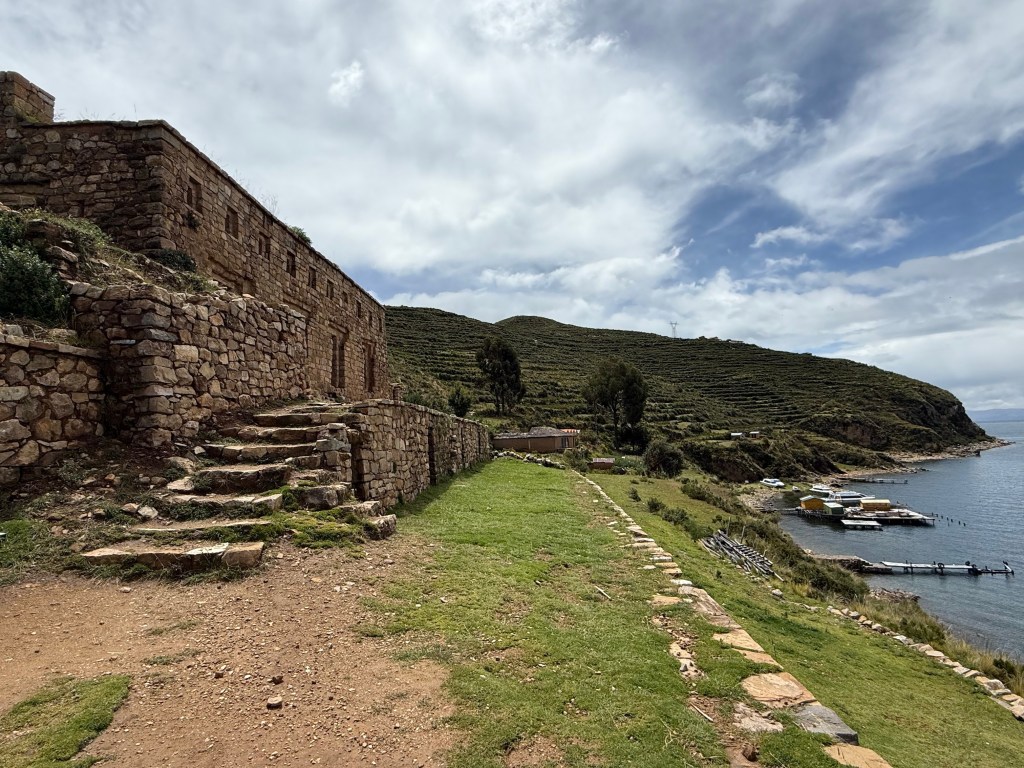
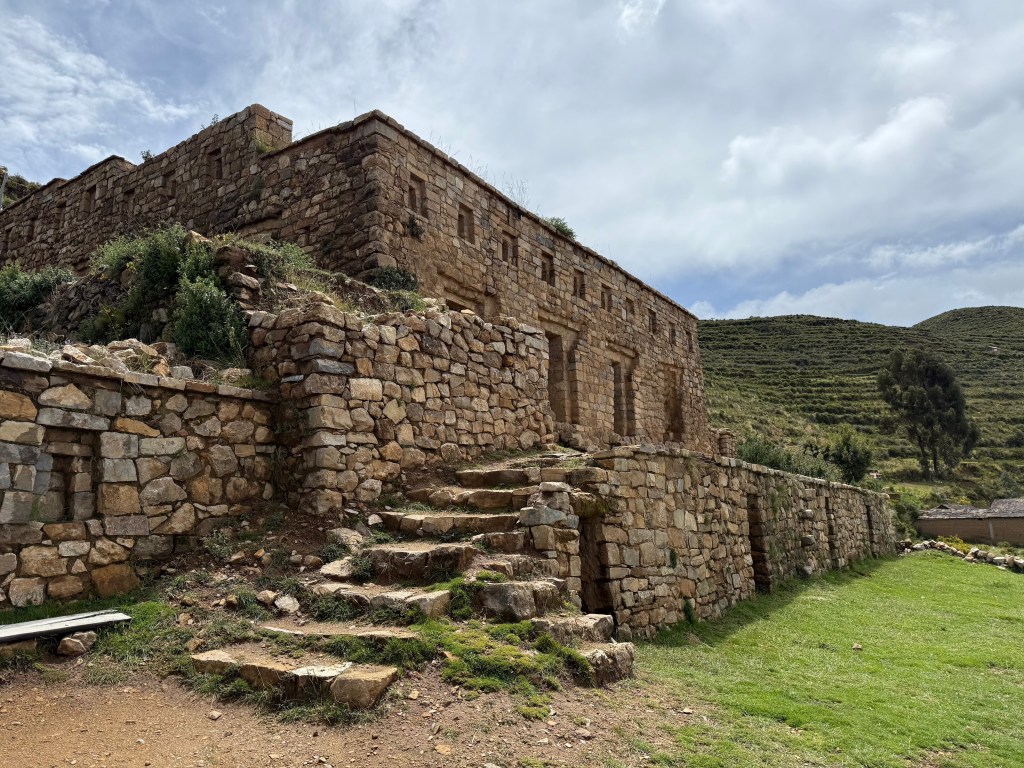
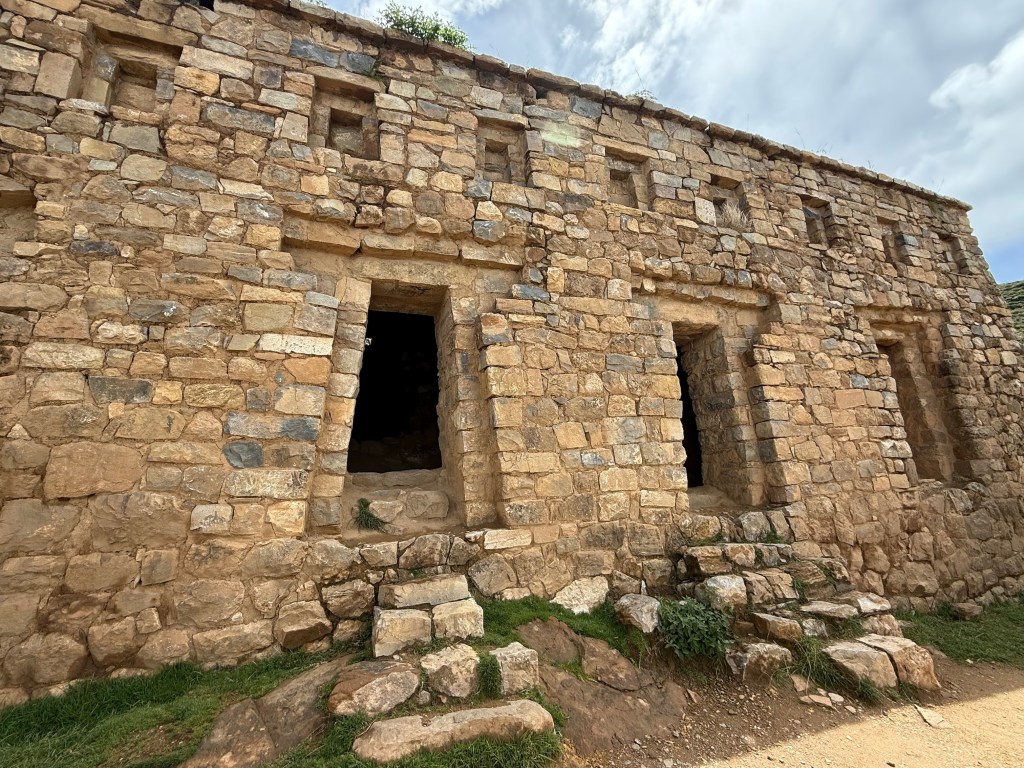
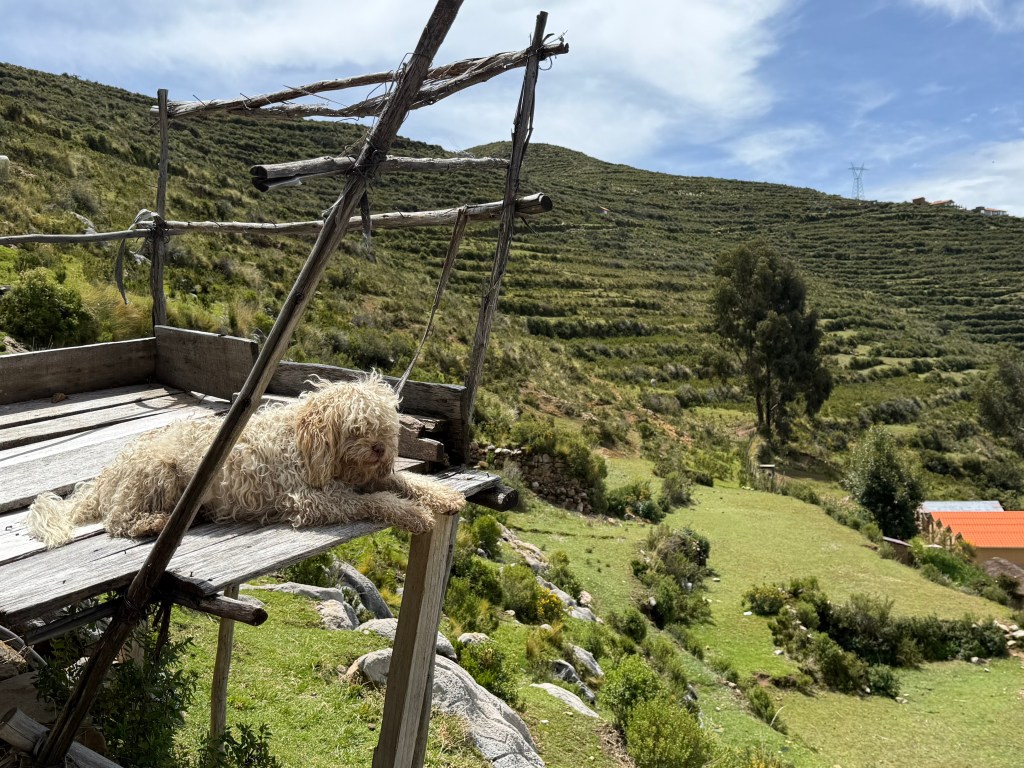
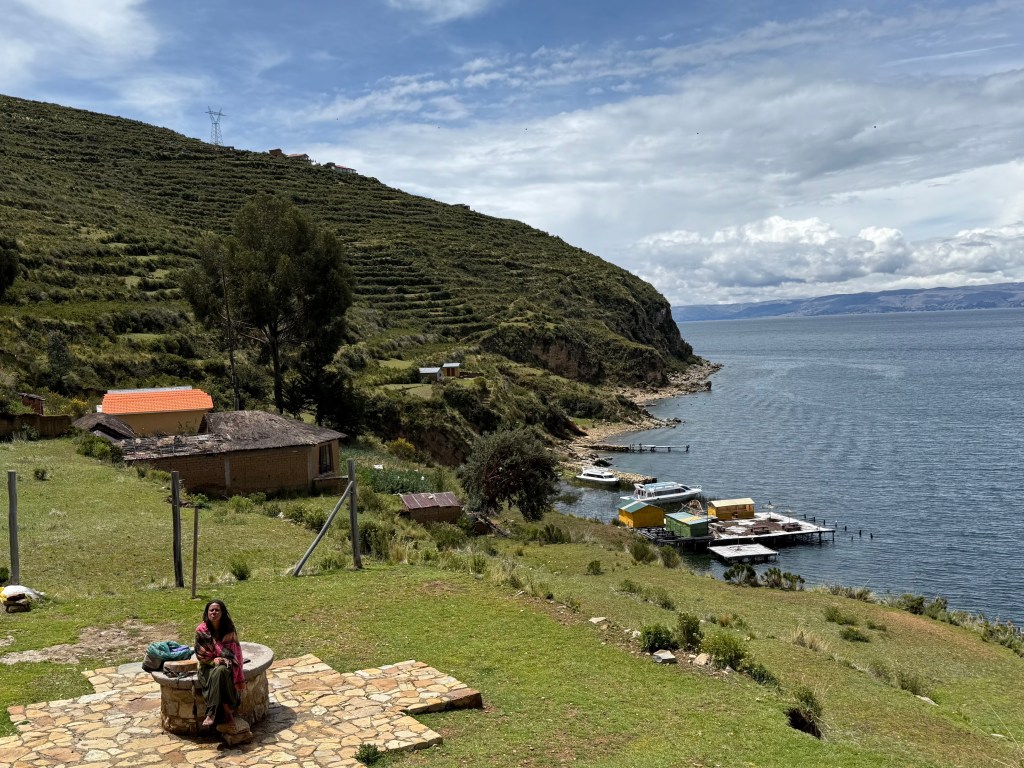
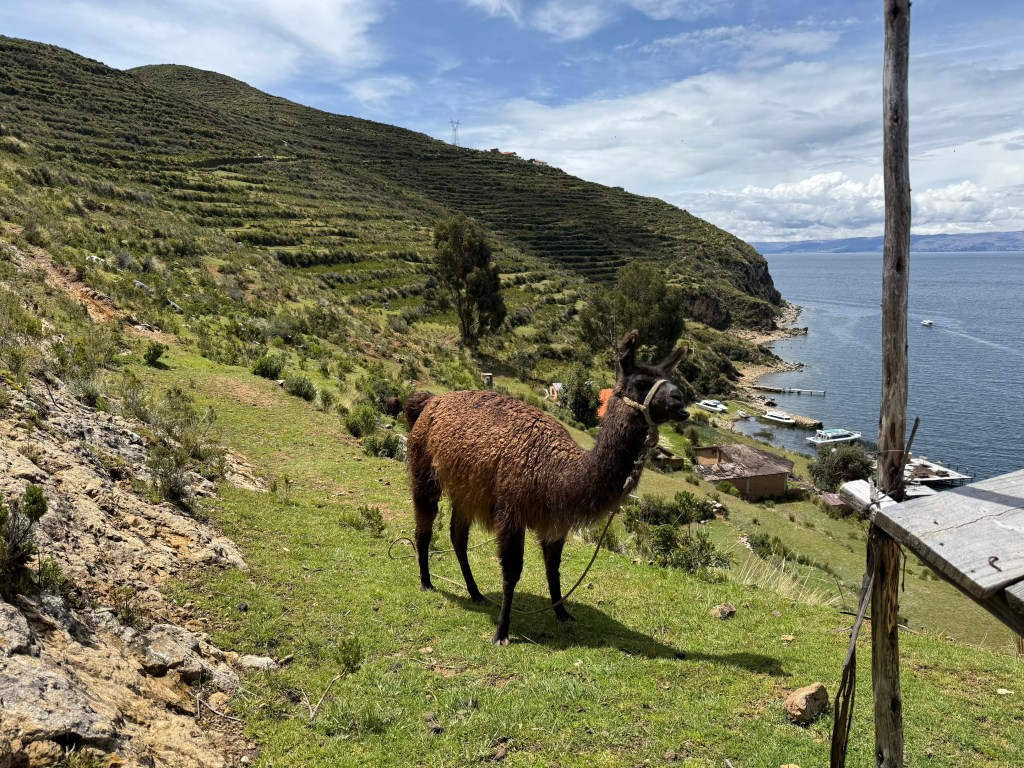
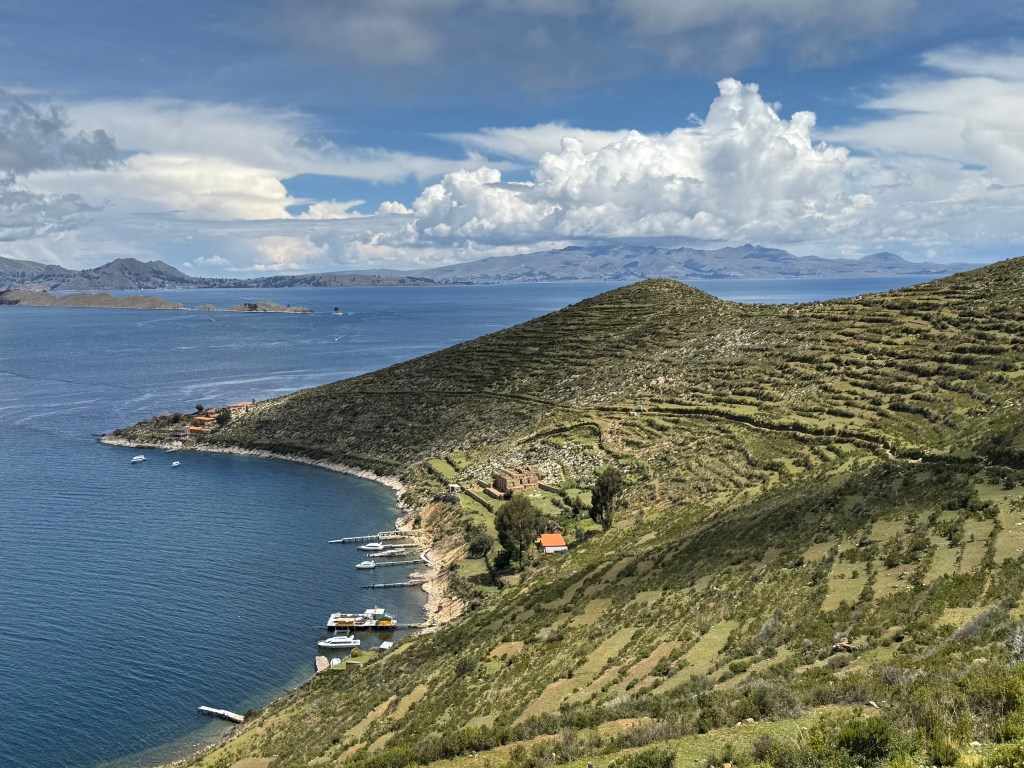
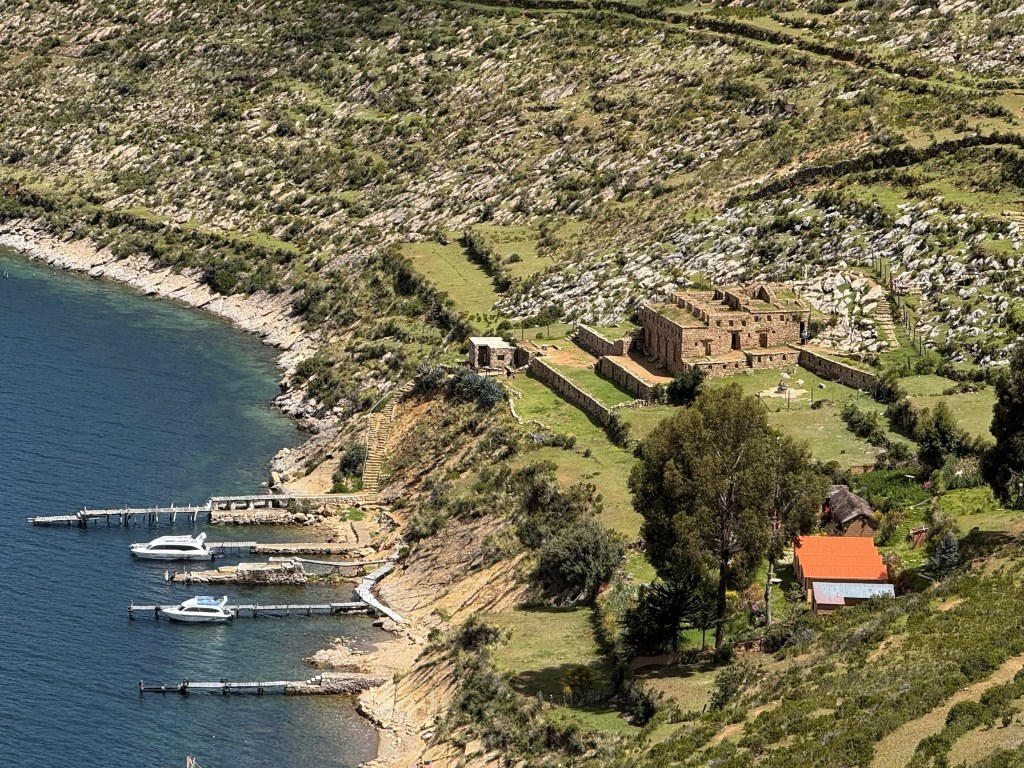
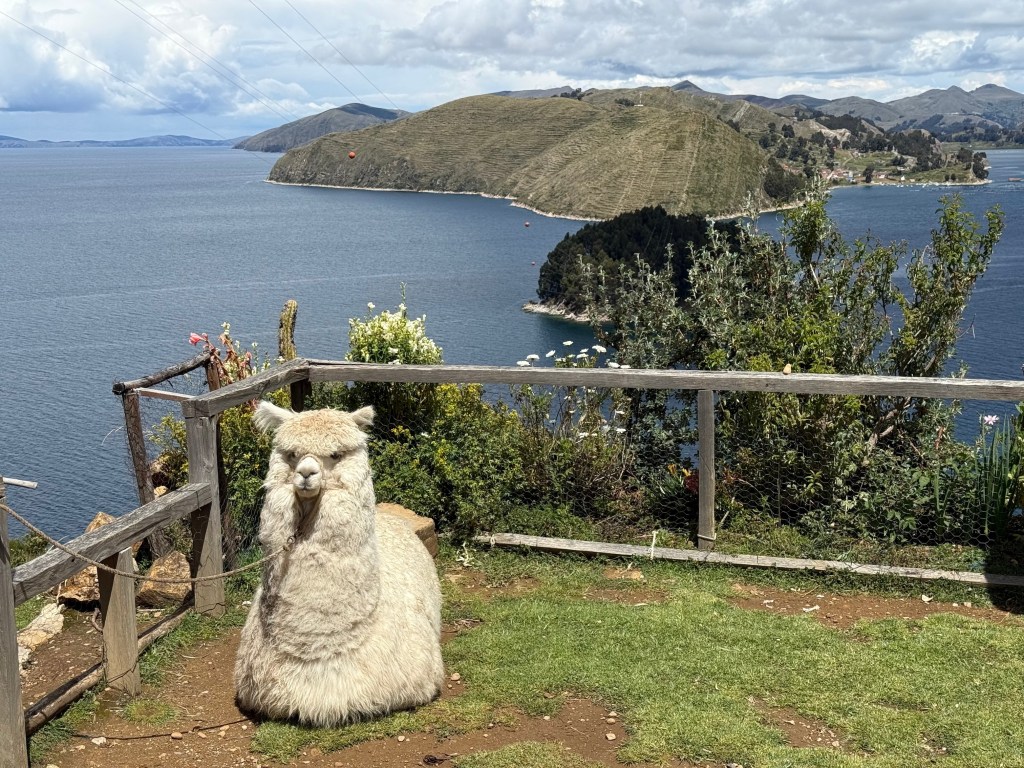
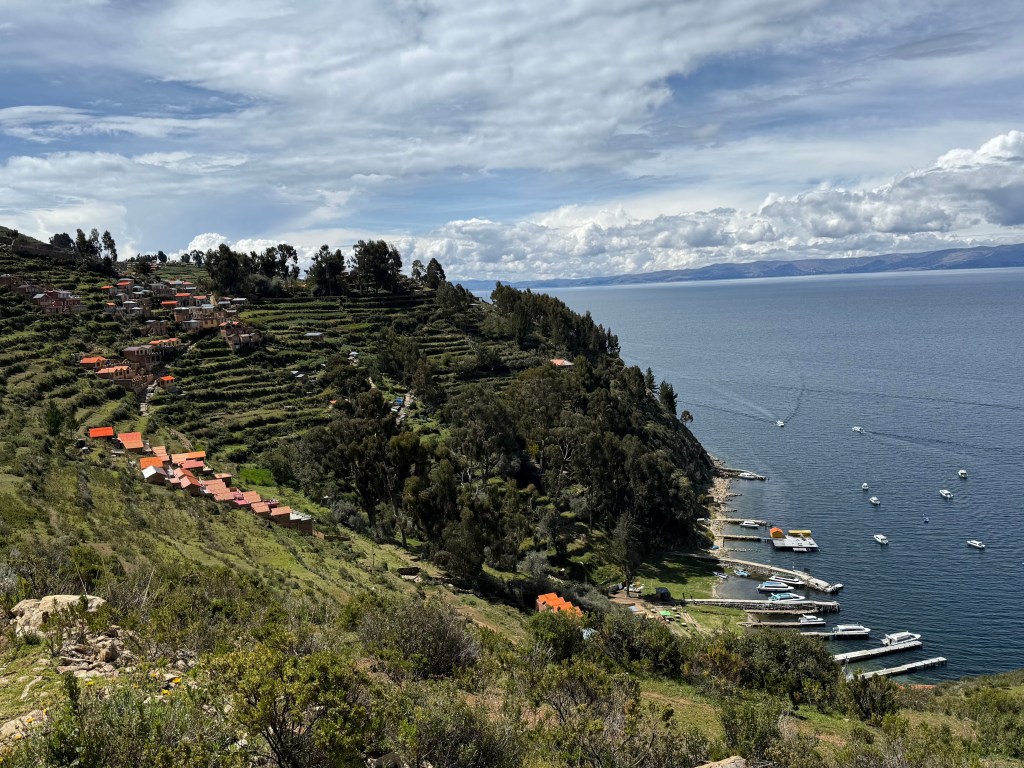
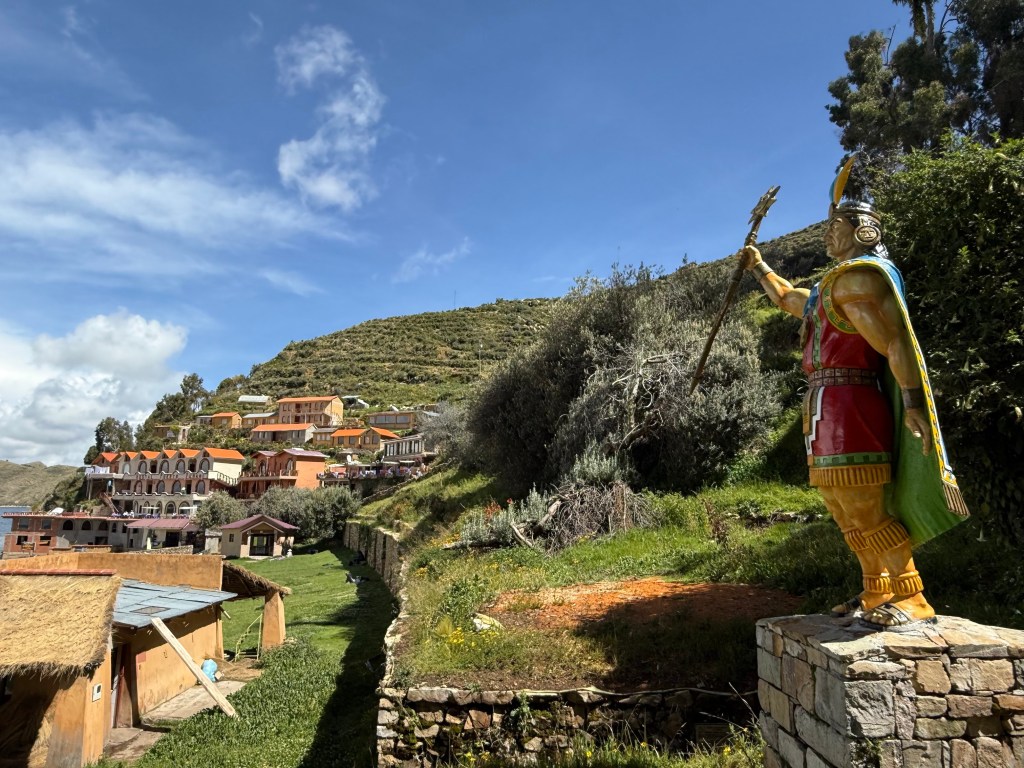
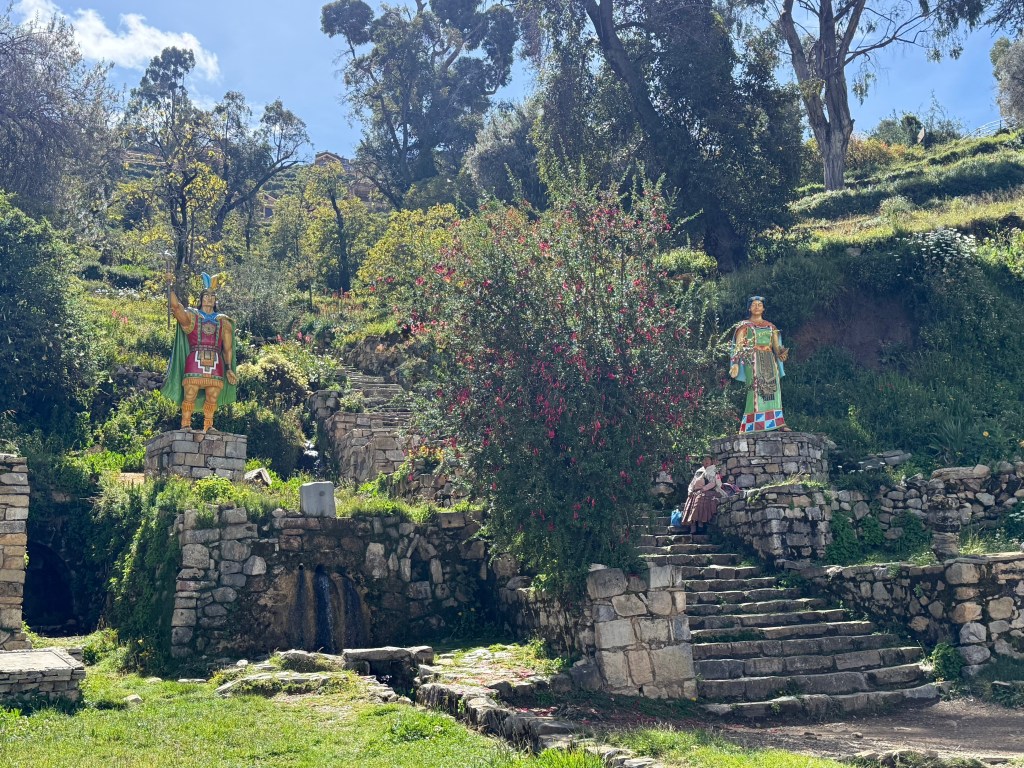
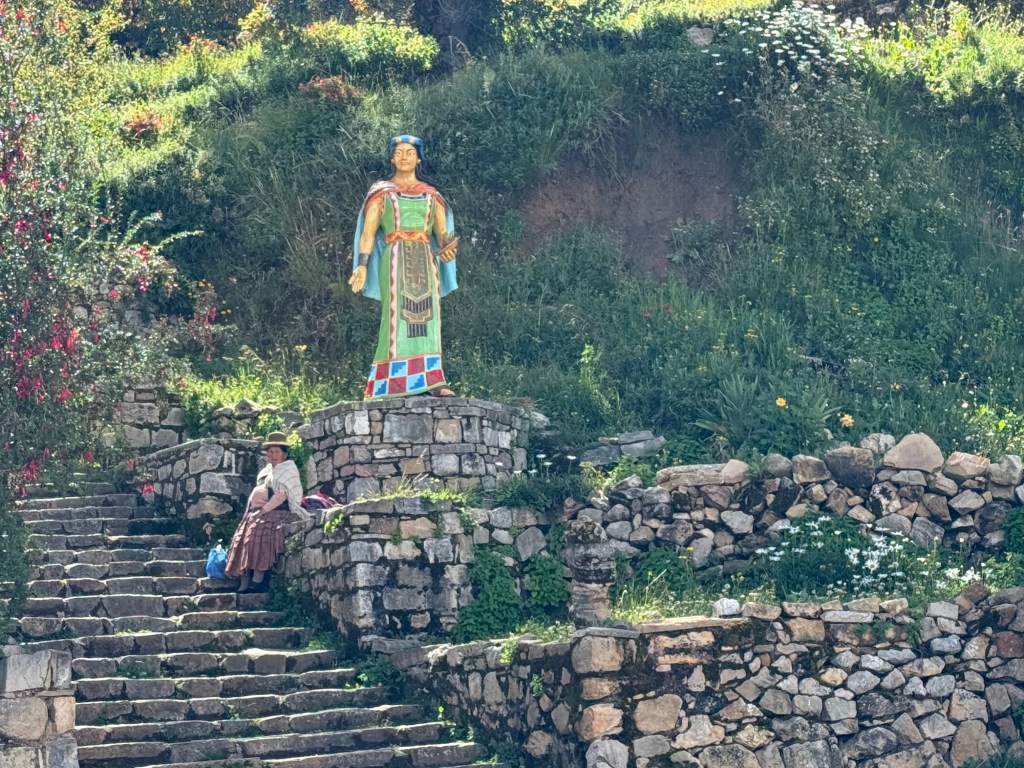
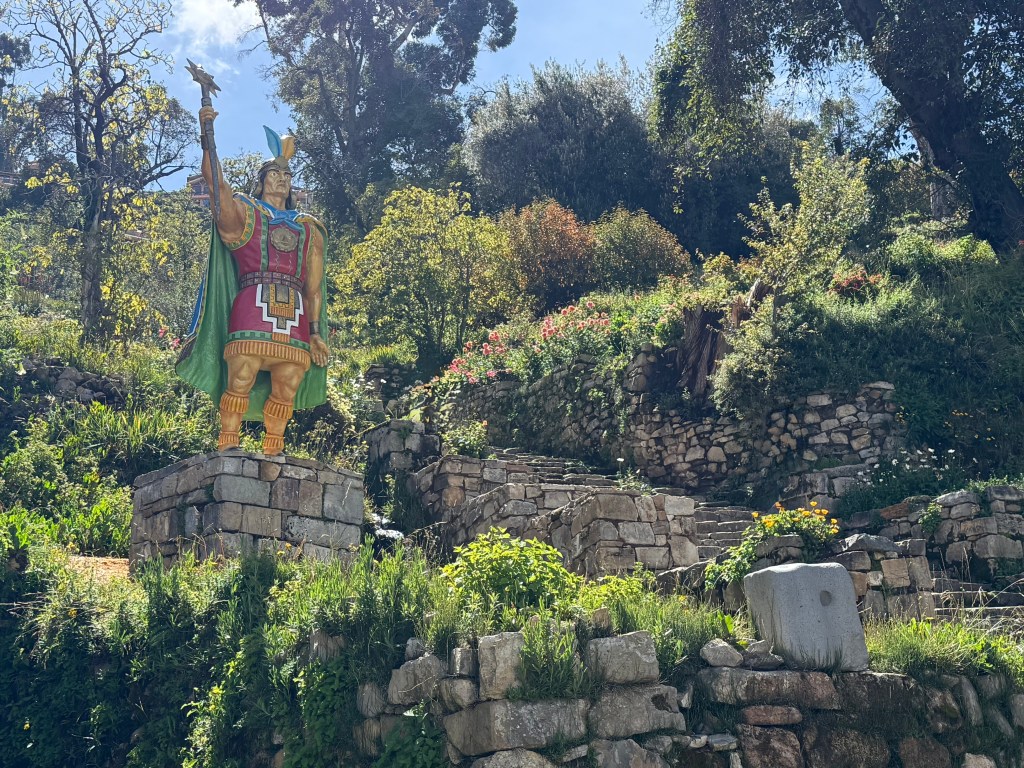
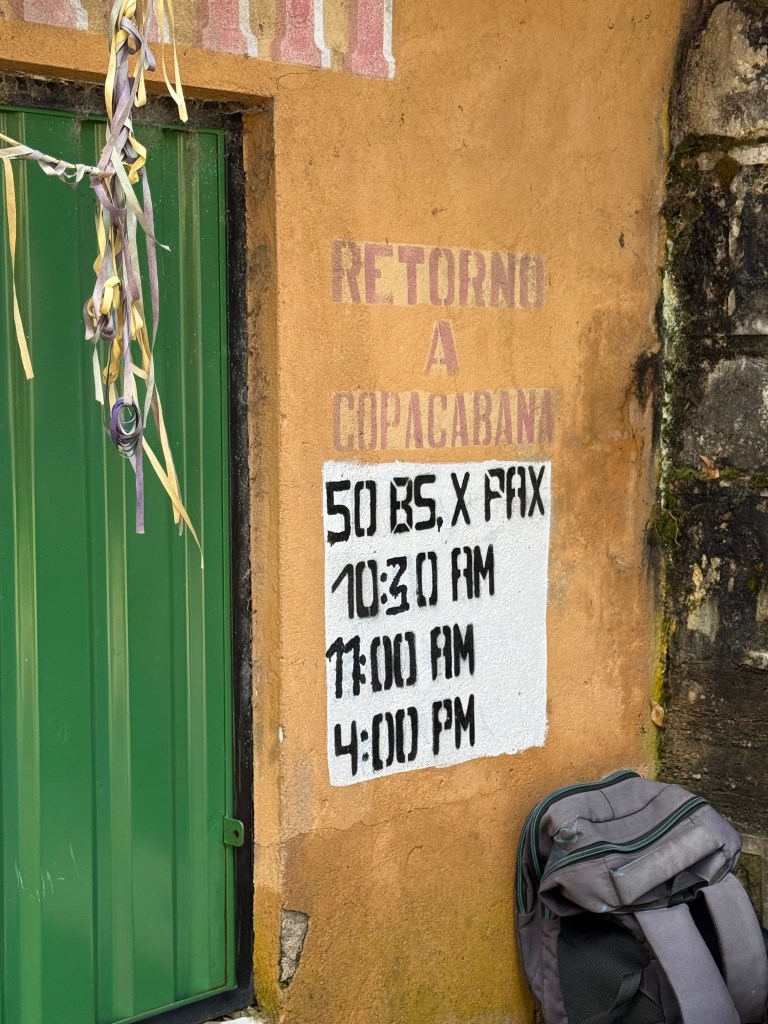
You can also head to Isla de La Luna from Copacabana or from Isla Del Sol. According to Incan mythology, this is where Viracocha (the Incan supreme Diety) commanded the rising of the moon, hence the name which translates to “Island of the Moon“. In the 1930’s it served as a detention center for political prisoners, thus it was known as the “Alcatraz of the Andes“. If you’re coming from Isla del Sol, head to the Yumani port and take a ferry. It costs 30 Bolivianos each way. I’ve been told ferries running between Isla del Sol and Isla de la Luna do not run daily though (unlike those from Copacabana), so you might have to arrange a private transfer which could be expensive. There are several accommodations in Isla de la Luna so you can spend the night there too. Keep in mind that these are very basic, more like homestays. It’s definitely less touristy than Isla del Sol so you’d get a more authentic experience here.
If you’re planning a trip to Bolivia, I’d recommend spending a few days around Lake Titicaca especially if you’ve never been to the Peruvian side. The surrounding areas are different from those you’d see elsewhere in the country. Spending some time here also gives you the opportunity to learn more about ancient Incan civilization.
 no roads to follow
One thought on “The Bolivian Side of Lake Titicaca”